

♥ Wishlist
Compare 18 verified Nursery Furniture for Comfortable Canadian Homes products in Canada. Reviews, ratings, pros, cons and buying advice updated for October 2026.
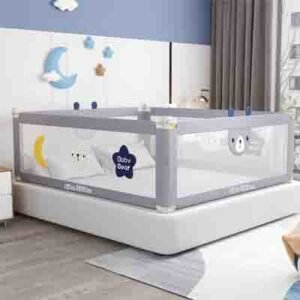
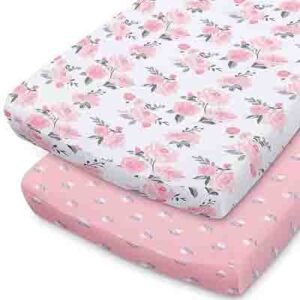
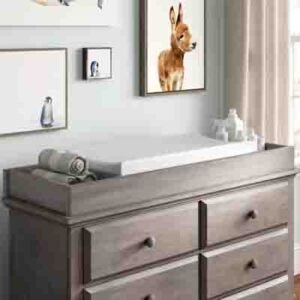
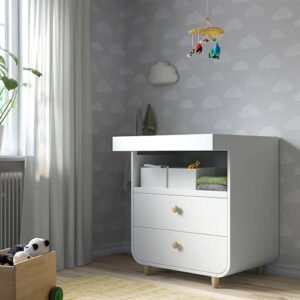
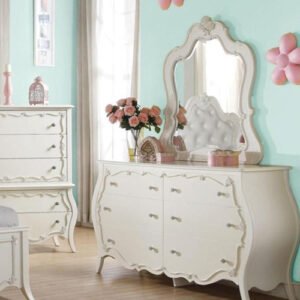
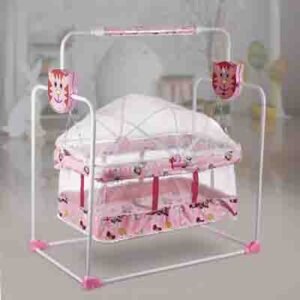
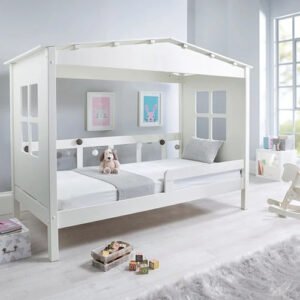
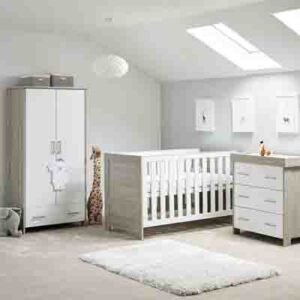

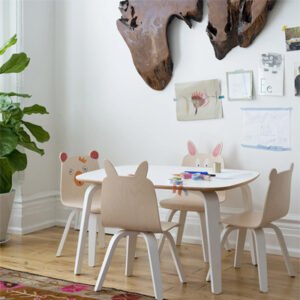


A luxury nursery is more than a collection of beautiful furniture. The best setup combines refined design with safe construction, practical storage, comfortable proportions, durable finishes, and features that continue to make sense as your child grows. When comparing luxury nursery furniture in Canada, look beyond appearance and evaluate the crib, dresser, changing station, glider, storage pieces, materials, dimensions, assembly requirements, and applicable safety information as one coordinated system.
This buying guide is designed for Canadian shoppers comparing premium nursery furniture and researching the differences between high-end collections, individual pieces, and more practical alternatives. Product specifications, included accessories, finishes, dimensions, and retailer policies can change, so check the current listing and manufacturer information before purchasing.
The word luxury can describe several different things in nursery furniture. In some collections, it refers primarily to visual design and coordinated finishes. In others, it reflects more substantial materials, carefully engineered hardware, premium upholstery, greater storage capacity, distinctive craftsmanship, or a design intended to remain useful beyond the infant years.
A genuinely worthwhile premium nursery should deliver value in several areas rather than relying on decorative details alone.
Luxury should therefore be assessed as a combination of aesthetics, engineering, usability, and long-term value rather than simply a higher price.
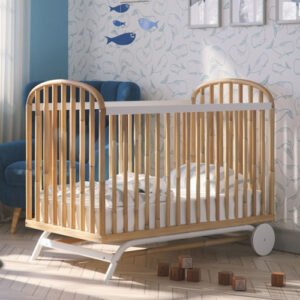
The crib is usually the most important furniture purchase in a nursery because it combines safety requirements with a major visual presence. Convertible models can be particularly attractive for buyers who want a longer useful life from one purchase, but the conversion configuration should be examined carefully rather than assumed.
Check whether conversion components are included or sold separately, which mattress-support positions are available, what configurations are supported, and whether the manufacturer's instructions specify particular conversion kits or compatible components. A crib that converts into another bed can offer excellent long-term value, but only when the conversion pathway actually suits your plans.
A premium dresser can become one of the most useful pieces in the entire nursery. Deep drawers can accommodate clothing, blankets, diapers, and other supplies, while a wide top can provide convenient organization when paired with an appropriate changing setup.
Pay particular attention to drawer construction, glide quality, drawer depth, overall width, depth of the cabinet, and the stability of the complete unit. Anti-tip hardware and proper anchoring are especially important considerations for nursery and children's furniture.
A dedicated changing table can make diaper changes convenient, but its usefulness should be judged against the available space and expected duration of use. Some parents prefer a dresser that accommodates a suitable changing pad because the underlying furniture can continue serving as storage after the changing stage.
Before buying, consider changing-surface dimensions, storage accessibility, cleaning requirements, height, pad compatibility, and whether the manufacturer provides specific instructions for the changing setup.
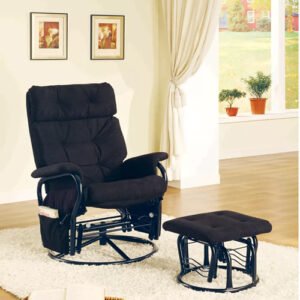
A comfortable nursery chair is often overlooked during furniture planning, yet it can become one of the most frequently used pieces. Premium gliders should be assessed for seat depth, back support, armrest height, cushioning, movement, upholstery, and cleaning practicality.
For Canadian homes, upholstery selection deserves additional attention. Light-colored performance fabrics may create an elegant look, but the manufacturer's cleaning instructions should be reviewed before assuming that a particular fabric is stain-resistant or easy to maintain.
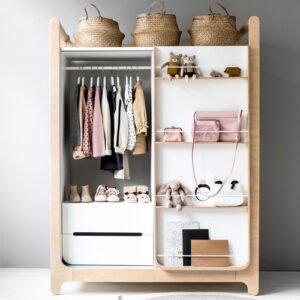
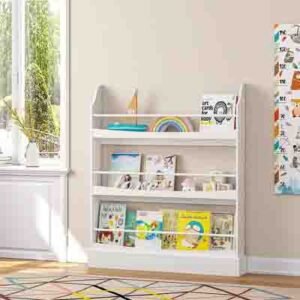
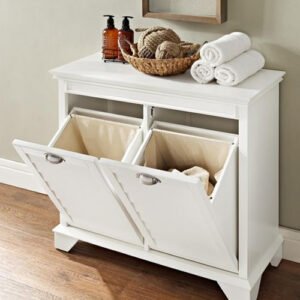
Luxury nursery collections may include bookcases, wardrobes, nightstands, toy storage, shelving, and matching cabinets. These pieces should solve a specific organizational problem rather than simply fill available floor space.
Open shelving is useful for books and display items but can create more visible clutter. Closed cabinets provide a cleaner visual appearance and can hide everyday nursery supplies. A combination of both often provides greater flexibility.
Material descriptions can be surprisingly complicated because a single furniture item may contain several different materials. A dresser, for example, might use a combination of solid wood, wood veneer, engineered wood panels, metal drawer hardware, and a manufactured finish.
Solid wood is often desirable for its substantial feel and repairability, but the species, construction method, joinery, finish, and environmental conditions still matter. Wood naturally responds to humidity and temperature, so Canadian seasonal changes make stable construction and sensible indoor conditions particularly relevant.
Quality engineered wood can provide dimensional consistency and predictable construction. It should not automatically be dismissed simply because it is not solid timber. The important questions are the construction quality, surface treatment, hardware, load limitations, and manufacturer's specifications.
Veneer allows manufacturers to create sophisticated wood appearances while controlling material use and panel stability. A well-made veneered piece can be an attractive option for a luxury nursery, particularly when the design prioritizes consistent grain and refined finishes.
Metal is commonly used for drawer slides, brackets, fasteners, mattress-support components, and chair mechanisms. Hardware quality affects everyday usability, particularly on drawers that will be opened repeatedly throughout the day.
For gliders and nursery chairs, upholstery should be judged on texture, durability, cleaning requirements, cushioning, and resistance to everyday wear. Do not assume that an expensive-looking fabric is automatically easier to maintain.
Style should never override safety when furnishing a nursery. Canadian shoppers should check current applicable requirements and manufacturer instructions for every product category, especially cribs, bassinets, changing equipment, storage furniture, and children's seating.
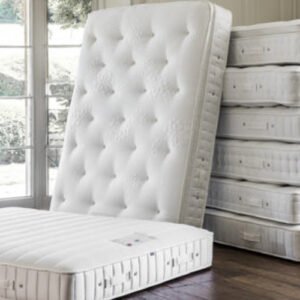
For a crib, verify the current safety information supplied with the product and use only the mattress size and configuration specified by the manufacturer. Avoid adding unauthorized accessories or modifications simply to improve appearance or convenience.
Dressers, bookcases, wardrobes, and tall storage units should be properly secured against tipping. Furniture anchoring is particularly important as children become mobile and begin pulling, climbing, or interacting with drawers and shelves.
Comparing furniture by appearance alone makes it difficult to distinguish genuine value from expensive styling. A more useful approach is to create a consistent comparison framework.
Measure the room before shopping. Record door widths, stairway restrictions, elevator dimensions if relevant, window positions, heating vents, electrical outlets, and the usable floor area. Furniture that looks compact online can have a substantial footprint once doors, drawers, and chair movement are taken into account.
Two dressers can have almost identical external dimensions while offering very different usable storage. Look at drawer count, internal dimensions, drawer depth, shelf configuration, and whether doors or drawers interfere with nearby furniture.
Premium furniture is not necessarily easier to assemble. Determine whether a product requires substantial assembly, approximately how many major components are involved, and whether the finished item can physically be moved through your home's narrowest access point.
For convertible cribs and other adaptable furniture, identify every supported configuration. Confirm whether additional conversion components are required and whether they are included in the package you are considering.
Nursery furniture encounters fingerprints, spills, dust, diaper supplies, toys, and frequent cleaning. A finish that looks exceptional in photographs may not be the most practical choice for everyday use. Review the manufacturer's care instructions and avoid cleaning products that are incompatible with the finish.
Brand recognition can be useful as a starting point, but it should not replace product-level research. Established nursery and children's furniture names that shoppers may encounter include Babyletto, DaVinci, Delta Children, Pottery Barn Kids, Stokke, and IKEA. Different brands emphasize different combinations of design, convertibility, storage, materials, price positioning, and functionality.
When comparing a recognizable brand with a lesser-known premium collection, compare the actual specifications rather than assuming the brand name guarantees a better product. Look at the individual model, current safety information, included components, warranty terms, dimensions, assembly instructions, and customer feedback for the exact item.
Modern nursery furniture generally uses clean lines, restrained ornamentation, and neutral finishes. This style works particularly well when you want furniture that can transition into a child's room without appearing overly themed.
Contemporary collections may combine dramatic silhouettes, sophisticated wood tones, upholstered elements, brushed metal accents, and carefully coordinated pieces. Because statement furniture can dominate a smaller room, balance one or two distinctive pieces with simpler accessories.
Traditional nursery furniture often features panel detailing, turned legs, substantial moldings, and warmer finishes. These designs can create a timeless appearance and may work particularly well in homes with established architectural details.
Scandinavian-influenced nursery furniture typically emphasizes simple shapes, light wood tones, functionality, and visual calm. It can be an effective choice for smaller Canadian nurseries where bulky ornamentation would make the room feel crowded.
Neutral furniture in white, natural wood, beige, grey, black, or muted tones provides flexibility when you want the nursery to evolve without replacing major pieces. Textiles, artwork, lighting, and accessories can supply color without locking the room into a specific theme.
A common mistake is purchasing an entire matching collection before considering how the room will actually be used. A nursery does not necessarily need every available furniture category.
Prioritize pieces according to your room size, storage needs, budget, and expected length of use. Buying fewer high-quality pieces can be more practical than filling the nursery with furniture that provides little functional benefit.
Online photographs are useful for judging style but cannot reveal every detail of construction, drawer movement, material thickness, finish texture, or real-world scale. Always inspect specifications and available product documentation.
Depth is frequently overlooked. A deep dresser can significantly reduce walking space, while a large glider may require additional clearance for reclining or rocking. Measure the furniture footprint and the space needed to operate it.
A convertible crib may support several stages without necessarily including every component needed for those stages. Read the product description carefully and identify any additional parts required for later configurations.
Large luxury furniture can be difficult to maneuver through apartment corridors, staircases, narrow doorways, or older Canadian homes. Check package dimensions where available, not just assembled dimensions.
Large storage furniture must be treated as a safety-critical part of the nursery. Confirm that appropriate anti-tip equipment is supplied or specified and follow the installation instructions.
A complete matching collection may look attractive in a showroom photograph but overwhelm a modest nursery. Map out the crib, dresser, chair, and storage units before purchasing.
Highly detailed surfaces, delicate upholstery, and very light finishes can require more maintenance. Consider how much daily cleaning you realistically want to perform before choosing a design.
Canadian shoppers should consider more than the listed product price. The total cost of ownership may include delivery charges, assembly, additional conversion kits, compatible accessories, replacement components, taxes, and potential return-related costs.
For buyers in apartments or multi-level homes, delivery logistics deserve special attention. Check whether the retailer provides useful information about package size, delivery method, room placement, and assembly. Policies can vary significantly between retailers, so confirm the current terms before ordering.
Canadian climate conditions can also influence furniture care. Seasonal changes in indoor humidity may affect natural wood. Follow the manufacturer's recommendations for placement, cleaning, humidity, and temperature rather than relying on generic furniture-care assumptions.
Customer reviews are valuable when used selectively. A high average rating does not necessarily tell you whether a piece is right for your nursery. Look for recurring comments about construction, assembly, dimensions, finish quality, drawer operation, packaging, comfort, and long-term usability.
Start with a well-constructed crib and a versatile dresser. Choose neutral finishes and add luxury through lighting, textiles, artwork, and carefully selected accessories rather than purchasing an entire matching collection.
A coordinated crib, dresser, and comfortable glider can form the core of a polished nursery. Prioritize durable construction and useful storage while selecting finishes that will remain attractive if the room changes later.
At the higher end, consider the entire room as a design system. Look for consistent proportions, complementary finishes, premium upholstery, substantial hardware, adaptable furniture, and pieces capable of transitioning into future rooms.
Regardless of budget, expensive furniture should still be judged by its actual specifications and practical performance rather than by price alone.
The most economical luxury nursery is often one that does not need to be completely replaced after the infant stage. Convertible cribs, adaptable dressers, neutral casegoods, and versatile seating can extend the usefulness of the original design.
Consider whether the furniture will still look appropriate when baby-themed decorations are removed. A timeless dresser can transition into a child's bedroom, guest room, hallway, or another part of the home, depending on its dimensions and style.
Neutral foundations also make future redesigns easier. Instead of committing every major item to one color scheme, use removable textiles and decorative elements to introduce themes that can be changed inexpensively.
Good maintenance protects both appearance and function. Dust surfaces regularly using a method appropriate for the finish, clean spills promptly, and follow the manufacturer's care instructions for wood, veneer, metal, and upholstery.
Periodically inspect screws, bolts, drawer hardware, chair mechanisms, and other moving or structural components. Furniture can loosen through ordinary use, particularly after assembly or relocation.
Before choosing between several products, compare each one against the same criteria. A simple checklist can prevent attractive photography from dominating the buying decision.
If two products have a similar appearance, give preference to the one with clearer specifications, stronger practical functionality, better documentation, suitable dimensions, and a design that fits your expected use. If two products have similar specifications, then finish, style, storage configuration, and personal preference can reasonably become deciding factors.
For most families, the best luxury nursery furniture is not necessarily the most elaborate collection. It is the combination that creates a safe, comfortable, organized room while providing enough durability and flexibility to justify the investment.
There is no single best collection for every Canadian household. The right choice depends on room dimensions, budget, desired style, storage requirements, convertible features, materials, and the current safety information applicable to each product. Compare the exact specifications of the models you are considering rather than choosing solely by brand or appearance.
It can be worthwhile when the additional cost provides meaningful benefits such as stronger construction, better hardware, greater versatility, improved storage, durable upholstery, timeless design, or longer useful life. A higher price by itself does not guarantee better value.
There is no universally superior material. Solid wood, quality engineered wood, veneer, metal, and upholstered components can all be appropriate when correctly designed and manufactured. Evaluate construction, finish, maintenance requirements, durability, and intended use together.
Convertible cribs can provide good long-term value when the conversion options fit your plans. Confirm which configurations are supported, which components are included, and which additional parts may be required before purchasing.
A matching set can simplify design and create visual consistency, but buying individual pieces can provide better flexibility. A mixed collection may also allow you to spend more on the pieces that receive the most use while choosing simpler storage elsewhere.
Focus on stability, storage capacity, drawer construction, hardware, dimensions, finish durability, maintenance requirements, anti-tip provisions, and whether the furniture can remain useful after the changing stage.
A glider can be valuable if you expect to spend substantial time feeding, soothing, reading, or settling your child in the nursery. Comfort, seat dimensions, back support, arm height, movement, upholstery, and cleaning requirements are more important than decorative appearance alone.
Use a restrained palette, one or two visually distinctive furniture pieces, coordinated lighting, quality textiles, and intentional storage. A well-proportioned room with fewer carefully selected items can look more sophisticated than a crowded room filled with matching furniture.
Check assembled and package dimensions, delivery access, assembly requirements, current retailer policies, applicable taxes and charges, included components, manufacturer safety documentation, warranty information, and the return conditions for large furniture.
Inspect furniture periodically and whenever it is moved, reassembled, or noticeably loosened. Pay particular attention to structural fasteners, drawer hardware, anchoring systems, crib components, and moving mechanisms. Follow the manufacturer's maintenance schedule when one is provided.
The strongest luxury nursery furniture purchase is one that balances design ambition with everyday practicality. Before committing to a product, compare its current specifications, construction materials, dimensions, safety documentation, conversion options, maintenance requirements, customer feedback, and retailer terms.
For Canadian shoppers, also account for delivery access, seasonal indoor conditions, room size, and the long-term usefulness of each piece. Brands such as Babyletto, DaVinci, Delta Children, Pottery Barn Kids, Stokke, and IKEA may provide useful comparison points, but the exact model matters more than the name on the label.
Use the comparison checklist above to narrow your choices, then verify the latest product information before buying. The goal is not simply to create an expensive-looking nursery; it is to choose furniture that is appropriate for its intended use, comfortable for caregivers, practical for daily life, visually cohesive, and capable of providing lasting value.