

♥ Wishlist
Compare 46 verified Home Office Furniture for Comfortable Canadian Workspaces products in Canada. Reviews, ratings, pros, cons and buying advice updated for October 2026.



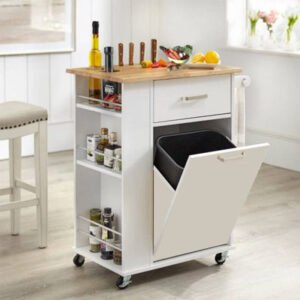
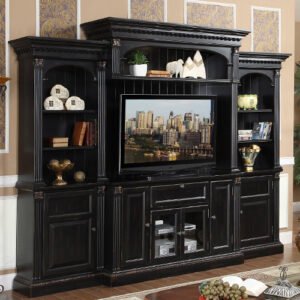


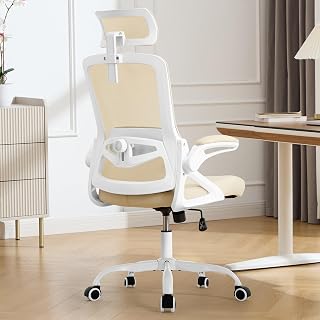


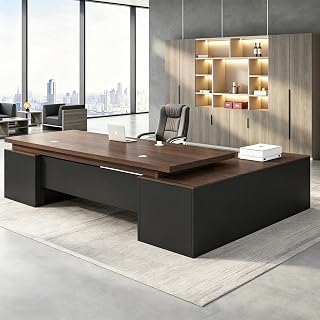


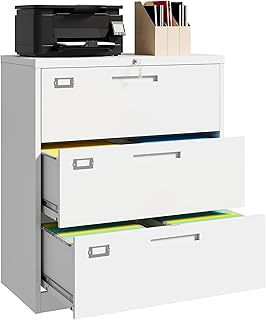


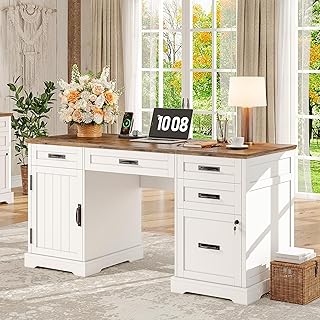


A luxury home office is more than a collection of expensive-looking desks and chairs. The best setup balances ergonomic support, construction quality, materials, proportions, storage, technology integration and visual character. For Canadian buyers, practical considerations such as room size, heating and humidity changes, delivery access, assembly requirements and retailer policies can be just as important as appearance.
When comparing a premium home office collection, look beyond photographs and headline materials. Examine the dimensions, frame construction, surface composition, hardware, adjustability, weight capacity where provided, cable management, warranty terms and replacement-part availability. A beautiful desk that is too shallow for your monitor arrangement or a luxurious chair without adequate lumbar adjustment can become an expensive compromise.
This 2026 buying guide focuses on the factors that matter when comparing luxury home office furniture for Canadian homes. Use it to narrow down desks, executive chairs, ergonomic seating, bookcases, filing storage, lighting-compatible workstations and coordinated furniture collections before checking current specifications and retailer pricing.
Luxury can mean different things depending on the buyer. In home office furniture, it generally combines refined design with better materials, stronger construction, thoughtful ergonomics and a level of finish that is intended to remain attractive for years rather than follow a short-lived trend.
An executive desk is usually the visual centre of a traditional luxury office. Large rectangular desks provide generous working space and can accommodate multiple monitors, paperwork and accessories. However, bigger is not automatically better. Measure the room, doorways and walking clearance before selecting an oversized executive design.
Pay particular attention to desktop thickness, support underneath the work surface and the location of drawers or pedestals. A very deep desk can create excessive reaching distance, while a shallow desk may leave insufficient room for monitors and peripherals.
Writing desks suit buyers who prefer a cleaner, lighter appearance. They can work particularly well in multipurpose rooms where the office must blend with residential interiors. Because writing desks often provide less built-in storage, consider pairing one with a separate cabinet, bookcase or credenza.
The chair deserves at least as much attention as the desk. Herman Miller, Steelcase and Humanscale are established names worth including when researching premium ergonomic seating, but brand recognition should not replace an examination of individual specifications.
Compare seat height range, seat depth, back support, armrest adjustment, recline mechanism, lumbar support, upholstery and base construction. A chair should allow your feet to rest securely while maintaining a comfortable relationship between your eyes, monitor and keyboard.
Executive chairs tend to prioritise a substantial appearance, cushioning and premium upholstery. Leather can create a particularly traditional aesthetic, while high-quality fabric or engineered upholstery may be preferable for buyers concerned with breathability and easier integration into contemporary interiors.
Do not confuse thick padding with ergonomic quality. A heavily cushioned chair can still have poor seat geometry or inadequate adjustability.
A credenza can provide one of the most useful combinations of luxury styling and office functionality. It can conceal printers, paperwork, networking equipment and accessories while creating a finished backdrop for the room.
Before buying, verify internal shelf dimensions and ventilation requirements if electronic equipment will be stored inside. Check door swing and drawer clearance as well, especially when the credenza will sit close to a desk.
Open shelving can make a home office feel sophisticated, but it also creates a maintenance requirement because books, decor and equipment remain visible. Closed cabinets offer a cleaner appearance and are useful for documents or equipment that you do not want on display.
Traditional filing storage remains relevant for home offices that handle physical records. Compare drawer dimensions, anti-tip features where specified, locking mechanisms and compatibility with the documents you actually keep. A beautifully finished cabinet is only useful if it provides practical storage capacity.
Solid wood offers natural grain variation and can be refinished in some applications. Oak, walnut, maple and other hardwoods can produce a premium appearance, although the specific species, construction method and finish matter more than simply seeing the words “solid wood” in a listing.
Wood responds to environmental conditions. Canadian homes can experience significant indoor humidity changes between heating season and summer, so buyers should follow the manufacturer's care and environmental recommendations.
Quality veneer can provide the appearance of premium timber while allowing manufacturers greater flexibility with construction. Veneer should not automatically be considered inferior to solid wood. What matters is the quality of the substrate, veneer application, edge treatment and overall construction.
Engineered wood products can offer dimensional consistency and may be used effectively in contemporary furniture. The critical question is not simply whether a desk contains engineered material, but whether the entire structure provides adequate rigidity and durability for its intended use.
Steel and aluminium components can contribute to structural strength and a modern aesthetic. Inspect the frame design, connection points and finish rather than judging quality solely by visible metal thickness.
Glass desktops can make smaller offices appear visually lighter. Tempered glass is generally preferable where specified for furniture applications. Keep in mind that glass shows fingerprints and reflections more readily than many wood finishes.
Colour should be selected according to the entire room rather than the desk alone. Dark walnut and espresso finishes can create a formal executive atmosphere, while natural oak, light wood and neutral finishes often produce a brighter contemporary office.
A luxury office should be comfortable during actual working hours, not merely attractive in photographs. Ergonomics involves the relationship between your chair, desk, monitor, keyboard, mouse and body position.
Look for a chair that allows appropriate seat height adjustment, supports the lower back, permits a comfortable reclined position and provides armrest adjustment when needed. Desk height should work with the chair rather than forcing you to compensate with poor posture.
Monitor placement is equally important. A premium desk can still produce an uncomfortable workstation if its surface depth leaves the display too close to the user. Measure the monitor footprint, stand depth or mounting arrangement before committing to the desk.
A traditional executive desk provides a classic appearance and substantial storage, while an electric standing desk prioritises adjustability and the ability to alternate between sitting and standing.
For motorised desks, compare adjustment range, control design, stability at standing height, lifting capacity where published, noise information provided by the manufacturer and cable-management provisions.
Measure the room before comparing furniture. Record the wall available for the desk, door and window positions, radiator or heating-unit locations, electrical outlets and the space required to move comfortably around the furniture.
Also measure the delivery route. A desk that fits the intended room may still be difficult to bring through a narrow staircase, elevator or doorway. Large assembled furniture can present substantially different access requirements from flat-packed furniture.
Cable clutter can undermine even the most sophisticated furniture. Look for desks with integrated cable ports, rear channels, under-desk trays or other purpose-built routing features. If these are absent, determine whether aftermarket cable-management accessories can be installed without damaging the furniture.
Plan cable routes before placing the desk. A monitor arm, laptop dock, speakers, charging devices and network equipment can require more cable capacity than expected. Keep power and signal cables organised and avoid creating loops that interfere with drawers or adjustable desk mechanisms.
Open shelving provides easy access and display space, but closed storage is generally better for reducing visual clutter. A mixed configuration often provides the most practical result in a luxury home office.
Leather is closely associated with traditional executive furniture, but the type and finish of leather can vary considerably. Ask whether a listing specifies genuine leather, top-grain leather, bonded material, faux leather or another upholstery construction. These descriptions should not be treated as interchangeable.
Fabric seating can provide a softer visual appearance and may offer different breathability characteristics. Mesh can be attractive for ergonomic seating because of its ventilated structure, although the comfort and support of a mesh chair depend heavily on its design.
Photographs rarely reveal every construction detail. When specifications are available, investigate the underlying structure rather than focusing only on finish.
Traditional offices often use substantial desks, leather chairs, dark wood finishes, bookcases and decorative hardware. This approach works well in rooms designed to feel formal and established.
Contemporary offices generally favour cleaner lines, neutral finishes, metal accents and less visible hardware. The result can feel more residential and less like a conventional corporate office.
Tapered legs, warm wood tones and relatively simple silhouettes can produce a refined mid-century appearance. This style is particularly useful when the home office shares space with other living areas.
Minimalist offices rely on restraint rather than ornamentation. A single high-quality desk, ergonomic chair and carefully selected storage unit can create a more sophisticated result than filling the room with oversized furniture.
Brand can be a useful starting point, but it should never replace model-level research. Different product lines from the same manufacturer can use different materials, mechanisms and construction methods.
Availability, pricing, finishes, delivery options and product ranges can change, so Canadian buyers should verify the current listing and specifications before purchasing.
A useful comparison should evaluate more than customer ratings. Ratings can provide valuable information about recurring issues, but specifications and suitability for your room remain essential.
A desk can look exceptional in professional photography while being unsuitable for your equipment. Confirm every critical dimension before ordering.
Large furniture can make a home office feel cramped. Leave enough circulation space for the chair and ensure drawers, cabinets and doors can operate without obstruction.
A premium-looking chair without appropriate adjustment options may not suit your body. Pay attention to seat dimensions and adjustment ranges rather than relying on upholstery and styling.
Multiple monitors, monitor arms and large displays consume considerable depth. Account for the complete setup rather than measuring only the screen itself.
Price is not a construction specification. Look for concrete information about materials, mechanisms, frame construction and warranty coverage.
Measure doorways, staircases and elevators before purchasing substantial furniture. This is especially important for one-piece desks, large cabinets and assembled seating.
Wood, leather, fabric, glass and metal finishes have different care requirements. Choose a material that fits your willingness to maintain it.
Customer reviews can reveal practical problems that specifications do not always communicate, but they should be read systematically rather than judged by the average star rating alone.
Canadian home offices can vary significantly by region, building type and climate. Furniture intended for a heated indoor environment should be maintained according to the manufacturer's recommendations, particularly when it incorporates natural wood or other materials that can respond to environmental changes.
Buyers should also distinguish between national availability and regional availability. A product shown online may have different delivery conditions, taxes, shipping charges or stock status depending on the Canadian province or territory. Always confirm the current terms for your specific location before completing a purchase.
For apartment and condominium residents, elevator dimensions, loading access, building delivery rules and assembly requirements deserve particular attention. For detached homes, basement offices and upper-floor rooms, stairway dimensions can be equally important.
Small rooms do not require small ambitions. A carefully selected desk with integrated storage can create a more luxurious result than several oversized pieces competing for floor space.
A large room gives you more flexibility, but it can also make undersized furniture look insignificant. Consider grouping furniture into functional zones: a primary workstation, a storage wall, a reading or meeting area and a dedicated location for technology.
In a large office, matching every item is not always necessary. A coordinated combination of finishes, hardware or upholstery can create a cohesive room without turning it into a showroom-style furniture set.
Start with the item that has the greatest functional impact rather than buying an entire collection at once. For most people, that means selecting the desk and chair first.
Use the cleaning products and methods recommended for the specific finish. Avoid excessive moisture and prolonged exposure to direct sunlight unless the manufacturer indicates otherwise. Do not assume that a cleaner suitable for one wood finish is safe for another.
Follow the manufacturer's cleaning and conditioning instructions. Different leather finishes can respond differently to household cleaning products, so avoid experimenting with unsuitable chemicals.
Regular dust removal can help maintain appearance. Follow the upholstery manufacturer's instructions for stains and deep cleaning, particularly when the fabric has a specialised finish.
Keep metal surfaces dry and use appropriate cleaning methods for the finish. Pay particular attention to moving mechanisms and fasteners if the manufacturer specifies periodic maintenance.
Keep cables clear of moving components and avoid exceeding the stated load capacity. Periodically inspect the frame, control components and mounting hardware according to the manufacturer's instructions.
The strongest justification for investing in a premium chair is usually its combination of adjustability, support and construction rather than its visual prestige. A chair used for several hours a day can have a greater effect on the overall experience of a home office than a decorative cabinet.
Compare seat depth, back height, lumbar adjustment, armrest movement, recline tension, headrest availability and upholstery. If possible, consider how the chair accommodates your preferred working position rather than assuming one configuration is ideal for everyone.
Desk and chair selection should be treated as a single ergonomic decision. A chair that works well at one desk height may feel less comfortable at another. Fixed-height desks can restrict adjustment possibilities, while height-adjustable desks provide greater flexibility.
Check the relationship between the chair's armrests and the underside of the desk. A desk with a low clearance or fixed pedestal can prevent the chair from moving close enough to the working surface.
Furniture selection should account for lighting from the beginning. Dark furniture can absorb visual light, while reflective glass surfaces can introduce glare. Position the desk so that windows and artificial lighting do not create distracting reflections on monitors.
A desk lamp can provide task illumination, while ambient lighting establishes the room's overall atmosphere. The furniture itself should leave sufficient surface and clearance for lighting without compromising the primary workspace.
The luxury home office of 2026 increasingly needs to accommodate laptops, docking stations, large monitors, webcams, speakers, charging devices and network hardware. Furniture should therefore be assessed as part of a technology system.
A coordinated furniture collection can make design decisions easier, but purchasing individual pieces can provide better functional flexibility. A set may include matching components that you do not actually need, while individual purchases allow you to spend more of the budget on the desk or chair where performance matters most.
For a cohesive appearance, match one or two design characteristics across the room, such as wood tone, metal finish or upholstery colour. Exact matching is optional.
Not every part of a luxury office needs the same level of investment. Prioritise items that are used continuously or difficult to replace later.
The right allocation depends on how the room will be used. A professional working from home every day may reasonably prioritise ergonomics, while a secondary home office may justify placing greater emphasis on design and compactness.
Professional appearance comes primarily from consistency and organisation. Keep the desktop relatively clear, conceal unnecessary cables, coordinate the major furniture finishes and use storage to control visual clutter.
One strong focal piece is often more effective than filling the room with decorative furniture. A well-proportioned desk, comfortable ergonomic chair and thoughtfully selected storage can establish a luxury aesthetic without sacrificing usability.
There is no single best collection for every Canadian home. The right choice depends on room dimensions, working hours, ergonomic requirements, storage needs, design preferences and budget. A high-quality ergonomic chair paired with a correctly sized desk is generally a stronger foundation than selecting furniture solely because it belongs to a premium-looking collection.
No. Solid wood can offer excellent aesthetics and durability, but quality veneer and engineered construction can also perform very well. Compare the complete construction, substrate, finish, joints and hardware rather than treating one material label as a guarantee of quality.
They can be worthwhile when the additional cost provides useful ergonomic adjustment, better construction, suitable materials and long-term support. Price alone does not guarantee comfort. Compare the actual adjustment features and dimensions of the individual chair.
A matching set can simplify room design, but it is not essential. Buying individual pieces may allow you to select a better ergonomic chair, a desk with more appropriate dimensions and storage that matches your actual needs.
The best size is determined by your equipment and available floor space. Measure your monitors, keyboard, mouse, laptop, accessories and paperwork requirements, then allow adequate clearance around the desk and chair.
Yes. A height-adjustable desk can combine contemporary styling with flexible working positions. Compare stability, height range, control mechanism, load capacity and cable management rather than choosing solely on appearance.
Look at seat dimensions, height adjustment, back support, lumbar support, armrest adjustment, recline mechanism, upholstery and base construction. The chair should fit the user and the desk rather than simply look substantial.
Follow the manufacturer's care instructions, avoid unsuitable cleaning products and excessive moisture, and protect the finish from conditions the manufacturer identifies as damaging. Natural wood furniture can require particular attention to indoor environmental conditions.
It is particularly important in a modern workstation with multiple displays and electronic devices. Built-in cable routing can improve appearance and help prevent cables from interfering with drawers, chair movement or adjustable mechanisms.
Check the assembled dimensions, packaging or access requirements when provided, delivery conditions, assembly instructions, return policy, warranty and current Canadian availability. Measure the complete route from the entrance to the intended room.
The strongest luxury home office is not necessarily the most expensive or the largest. It is the one that fits the room, supports the way you work and combines durable construction with a design you will be comfortable living with for years.
For most buyers, the best approach is to compare the desk, chair and storage as separate functional decisions before considering them as a coordinated collection. Evaluate materials, dimensions, ergonomics, construction, technology integration, maintenance and Canadian purchasing conditions. Then compare current product specifications, customer feedback and retailer policies before making a final decision.
Whether your preference is a traditional walnut executive office, a contemporary minimalist workstation, a premium ergonomic setup or a complete luxury furniture collection, careful specification-level comparison will help you spend the budget where it has the greatest practical impact.