

♥ Wishlist
Compare 53 verified Platforms, Stands & Shelves products in Canada. Reviews, ratings, pros, cons and buying advice updated for October 2026.

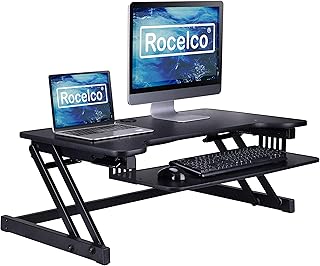










A luxury stand or shelving unit can do much more than provide storage. The right piece can anchor a living room, frame a television, display books and collectibles, organise a home office, or create a polished focal point in an entryway, dining area, or bedroom. For Canadian homes, the decision should balance appearance with structural stability, dimensions, material quality, maintenance requirements, and compatibility with the room where the furniture will be used.
This buying guide is designed for shoppers comparing luxury platforms, stands, shelving units, display shelves, media stands, bookcases, and related furniture in Canada. Rather than judging a piece by photographs alone, consider the construction, dimensions, load requirements, finish, storage configuration, assembly, safety, and long-term suitability for your space.
Luxury furniture is not necessarily defined by the highest price or the most elaborate decoration. A well-designed shelving unit can look sophisticated because its proportions are carefully considered, its materials work together, its hardware is visually restrained, and its construction feels appropriate for the intended use.
Solid hardwood remains a popular choice for premium furniture because of its natural grain, substantial feel, and ability to complement both traditional and contemporary interiors. Oak, walnut, maple, and other hardwoods can create distinctly different visual effects.
Solid wood does not mean maintenance-free furniture. Wood responds to changes in temperature and humidity, so a shelf should be positioned appropriately and maintained according to the manufacturer's care instructions. Look carefully at whether every visible component is solid wood or whether the product combines solid wood with veneer or engineered panels.
A quality veneer uses a thin layer of real wood over a stable substrate. This construction can provide the appearance of natural timber while allowing manufacturers to achieve consistent dimensions and contemporary designs. Veneer should not automatically be treated as inferior to solid wood; construction quality, substrate, edge treatment, and finish are more useful comparison points.
Engineered wood products are common in modern shelving because they can provide predictable dimensions and support highly consistent finishes. MDF can be particularly useful for painted furniture and clean, minimalist profiles. The important questions are panel thickness, edge treatment, joinery, backing construction, hardware quality, and the manufacturer's stated weight capacity.
Powder-coated steel and other metal components can provide a contemporary architectural appearance. Metal shelving is particularly suitable for industrial, minimalist, modern, and mixed-material interiors. Inspect the frame design and connection points rather than assuming that a heavier-looking frame is automatically stronger.
Glass shelves can make a room appear lighter and can be useful for displaying decorative objects. Tempered glass is generally preferable for furniture applications where safety and durability are important. Always check the specified weight limit and whether the shelves are designed for books, décor, electronics, or lighter display items.
Stone, marble, quartz-inspired, ceramic, and other decorative surfaces can add a high-end visual character to a stand or console. However, appearance should be separated from actual material composition. A product described with a stone-inspired finish may use a manufactured surface rather than natural stone, so examine the specifications before comparing products on material alone.
One of the most common mistakes when purchasing large furniture online is concentrating on width while overlooking depth, height, clearance, and access to the room. Measure the intended location before comparing products.
Do not select shelving solely according to how much empty space appears in product photographs. Books, ceramics, records, electronics, collectibles, and storage boxes can create very different loads.
Start by estimating what you intend to place on each shelf. Compare that expected load with the manufacturer's stated capacity and pay attention to whether the capacity applies to the entire unit or to each individual shelf. A shelf intended for decorative accessories may not be appropriate for a large collection of heavy hardcover books.
Shelf span also matters. A long shelf carrying a concentrated load can behave differently from a shorter shelf. If the manufacturer does not provide sufficient load information, that uncertainty should be treated as a purchasing consideration rather than ignored.
Units combining open shelves with doors or drawers are often the most versatile choice. Frequently used or decorative objects can remain accessible while cables, paperwork, accessories, and less attractive necessities stay hidden.
For a living room, consider how the shelving interacts with the sofa, coffee table, television, lighting, artwork, and other major furniture. A large display unit can become a focal point, while a narrow console or low media stand may be preferable in a smaller room.
Office shelving needs to accommodate books, documents, equipment, and accessories while maintaining a professional appearance. Adjustable shelves can be particularly useful because office equipment and storage containers vary considerably in height.
Dining-room shelving can be used for glassware, serving pieces, books, decorative objects, and table accessories. If the furniture is positioned close to a dining table, pay particular attention to depth and circulation space.
Bedroom shelving should complement the scale and finish of the bed, bedside tables, dresser, and wardrobe. Open shelving can work for décor and books, while closed compartments are useful for items that you do not want visible.
A compact console or vertical shelf can provide storage without overwhelming an entrance. Check the usable floor area carefully because entryways often become congested with shoes, coats, bags, and daily-use items.
If the intended product is a television stand or media platform, dimensions and ventilation become particularly important. The furniture should be appropriate for the television's width and weight according to the relevant manufacturer specifications.
Brands such as Samsung, LG, Sony, TCL, and Hisense produce televisions and electronics that may influence the dimensions and ventilation requirements of a media setup, but the furniture itself should be evaluated independently of the electronics brand.
Modern shelving often emphasises clean geometry, restrained decoration, mixed materials, and strong horizontal or vertical lines. Black metal, glass, neutral finishes, and simple wood surfaces are common design directions.
Contemporary furniture can incorporate curved edges, asymmetrical shelving, textured surfaces, contrasting finishes, and integrated storage. Because contemporary design changes over time, focus on whether the proportions and materials work with your existing room rather than buying solely because a particular shape is currently fashionable.
Traditional shelving tends to emphasise wood detailing, symmetrical forms, mouldings, panelled doors, and warmer finishes. It can work particularly well with classic interiors and substantial upholstered furniture.
Transitional furniture combines traditional warmth with cleaner contemporary lines. This can be a practical option when you want a sophisticated piece that will continue to work if other décor changes over the years.
The finish should be evaluated alongside the surrounding furniture rather than in isolation. Walnut and other dark wood tones can provide visual weight, while lighter oak, maple, white, and neutral finishes can make a room feel more open.
Two shelving units with similar photographs and dimensions can differ considerably in construction. Product specifications deserve close attention.
Adjustable shelves provide greater flexibility when storage requirements change. They are useful for collections containing objects of different heights, such as books, speakers, vases, baskets, and framed photographs.
Fixed shelves can provide a cleaner, more integrated appearance and may contribute to the structure of the unit. For a permanent display arrangement, fixed shelving can be entirely appropriate. The best choice depends on whether flexibility or design continuity is more important for your room.
Large shelving furniture may arrive fully assembled, partially assembled, or flat-packed. Assembly requirements should be considered before purchase, particularly for tall or heavy units.
Tall shelving should be assessed for tip-over risk, especially in homes with children or pets. Follow the manufacturer's anchoring instructions and use appropriate hardware for the wall construction. Drywall, wood studs, masonry, and other wall types require different fastening approaches.
Do not assume that a heavy furniture unit cannot tip. The centre of gravity, furniture height, floor conditions, uneven loading, open doors, and external forces can all affect stability. Place heavier items lower when appropriate and follow the product's safety instructions.
A ranked list is most useful when every product is evaluated using consistent criteria. When comparing luxury stands and shelves, consider the following framework.
Customer reviews can provide useful information, but individual experiences should not be treated as universal product facts. Look for recurring patterns across multiple reviews and pay particular attention to comments that include specific details.
Professional product photography can make furniture appear larger, more substantial, or more luxurious than it feels in an ordinary room. Always compare the listed dimensions with your own measurements.
Do not assume that a thick-looking shelf can support heavy objects. Use the stated capacity as the primary reference and consider how the load will be distributed.
A unit can fit perfectly along a wall and still obstruct a walkway because of its depth. This is particularly important in apartments, condos, narrow rooms, and compact home offices.
For media furniture, insufficient cable routing can undermine an otherwise premium appearance. Check where cables enter and exit the unit before buying.
A very large shelving unit can overwhelm a room when only a small amount of storage is actually needed. Negative space is an important part of interior design.
The opposite mistake is choosing a visually elegant but impractical unit that cannot accommodate the intended collection. Estimate your storage needs before comparing designs.
A large piece may fit the destination wall but fail to pass through a stairwell or doorway. Plan the complete route into the room before committing to an oversized item.
Smaller spaces benefit from furniture that uses vertical space without consuming excessive floor area. Tall, narrow shelving can provide considerable storage while preserving circulation space. Wall-mounted or visually open designs can also reduce the impression of bulk, provided the installation is suitable for the wall structure.
For compact rooms, prioritise accurate measurements, shallow depth, vertical storage, multifunctional compartments, and furniture that can serve more than one purpose. A narrow shelving unit with integrated display and closed storage may be more practical than a wide decorative bookcase.
Larger rooms provide more flexibility, but oversized furniture still needs appropriate proportions. A large open-plan living area may require a substantial unit to prevent the furniture from looking undersized. In such spaces, consider modular shelving, wide media consoles, paired units, or a carefully proportioned floor-to-ceiling configuration.
Use the surrounding furniture as a scale reference. A shelf that looks impressive in a showroom-style photograph may appear visually insignificant beside a large sectional sofa or expansive wall.
Maintenance requirements vary according to material and finish, so the manufacturer's care instructions should always take priority. In general, avoid excessive moisture, harsh abrasive cleaners, and cleaning products that are not intended for the surface.
Canada encompasses a wide range of climates, and indoor heating during colder months can affect the humidity level inside a home. Wood and wood-based furniture can respond to environmental changes. Avoid placing sensitive furniture immediately beside radiators, heating vents, fireplaces, or other intense heat sources unless the manufacturer specifically permits it.
For wood furniture, stable indoor environmental conditions and appropriate care are generally preferable to frequent exposure to large changes in temperature or humidity. Always follow the specific care recommendations supplied with the furniture.
When researching premium furniture, shoppers may encounter established brands and design-led manufacturers such as West Elm, CB2, Article, EQ3, Structube, IKEA, Herman Miller, and BoConcept. These brands cover different design philosophies and price segments, so their names should be treated as points of comparison rather than evidence that one product is automatically superior.
For an Amazon-focused buying guide, brand recognition should never replace product-level evaluation. A lesser-known manufacturer can offer a suitable design, while a recognised brand's individual product may still fail to meet a particular room's dimensional or functional requirements.
The cheapest shelving unit is not always the best value, but a higher price does not automatically indicate better construction. Compare the features that actually affect your use.
A moderately priced unit that fits the room perfectly and provides the required capacity can be a better purchase than a premium-looking item that is too deep, too fragile, or poorly suited to the space.
A shelving unit rarely exists in isolation. To create a coordinated interior, repeat one or two visual characteristics elsewhere in the room. A walnut shelf can relate to a walnut coffee table, while black metal details can be repeated through lighting, frames, handles, or table legs.
A premium shelving unit can look less impressive when every shelf is packed to capacity. Group objects by colour, material, or purpose and vary their heights. Larger pieces can serve as anchors, while smaller objects can fill selected spaces around them.
Books can be arranged vertically, horizontally, or in small groups. Decorative objects can provide contrast, while framed artwork can introduce height and colour. The goal is not maximum occupancy; it is a balanced arrangement that allows the furniture and its contents to work together.
Before choosing from a collection of luxury platforms, stands, and shelves, verify the complete specification rather than relying on the product title or photographs.
There is no single best style for every living room. A media stand can suit a television-focused layout, while an open bookcase or display unit may be better for books and décor. Choose according to available space, storage requirements, furniture scale, and the style of the room.
Not necessarily. Solid wood has distinctive advantages, but quality engineered wood can provide excellent dimensional consistency and can work very well in modern furniture. Compare construction, panel thickness, joinery, finish, stability, and intended load rather than judging solely by the material label.
The ideal depth depends on what you intend to store. Books, décor, electronics, baskets, and media equipment have different requirements. Measure your largest intended objects and leave sufficient usable clearance without choosing a unit that unnecessarily consumes floor space.
Open shelves generally expose stored objects to more visible dust than enclosed cabinets. If you want easy access and display visibility, open shelving can be worthwhile. If your priority is concealing clutter, closed storage may be more practical.
Follow the manufacturer's safety instructions. Tall or narrow furniture can present a tip-over risk, so appropriate anchoring is an important consideration. Use fastening hardware suitable for the actual wall construction.
Look for repeated comments concerning assembly, stability, finish quality, dimensions, hardware, packaging, shelf strength, and long-term use. Specific, detailed feedback is generally more informative than a short rating without explanation.
Yes. Select a design that uses vertical space efficiently without excessive depth. Measuring the room and delivery route is especially important in compact Canadian apartments and condominiums.
For an online buying guide, specifications should be checked against the current retailer listing before purchase because dimensions, materials, configurations, and availability can change. The product listing and manufacturer documentation should be treated as the final reference for current specifications.
Suitability is more important than any single feature. A strong buying decision considers dimensions, construction, weight capacity, storage configuration, finish, stability, maintenance, assembly, and the intended room together.
An independent buying guide should distinguish product specifications from subjective impressions. Dimensions, materials, stated capacities, configurations, and manufacturer-provided features can be compared directly. Appearance, styling, and suitability are more dependent on the individual room and shopper.
For the most reliable purchase decision, compare current specifications, inspect product photographs carefully, read verified customer feedback, and confirm the latest retailer information before ordering. Availability and pricing can change, so today's listing should always take precedence over an older reference.
The best luxury stand or shelf for a Canadian home is the one that combines the right dimensions, construction, storage capacity, stability, finish, and design for its intended environment. A sophisticated appearance is valuable, but practical details determine whether the furniture remains useful after the initial purchase.
When comparing the top options in 2026, start with measurements and intended use, then evaluate materials, construction, weight capacity, storage flexibility, safety, maintenance, assembly, and customer feedback. This approach makes it easier to separate genuinely suitable furniture from products that simply photograph well and helps you choose a piece that complements both your room and your long-term furnishing plans.