

♥ Wishlist
Compare 22 verified Tables for Every Room in Your Canadian Home products in Canada. Reviews, ratings, pros, cons and buying advice updated for October 2026.


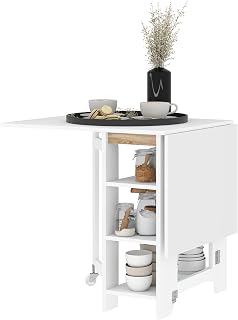


Choosing a luxury table is about more than finding an attractive centrepiece. The right table needs to suit the room, withstand everyday use, complement existing furniture, and deliver the visual character expected from a premium interior. For Canadian homes, additional considerations such as room size, heating-related humidity changes, delivery access, floor protection, and maintenance can also influence which table makes the most sense.
This buying guide is designed to help Canadian shoppers compare luxury dining tables, coffee tables, console tables, side tables, and statement pieces by construction, materials, proportions, finish, durability, functionality, and overall design. Instead of judging a table solely by photographs, consider the specifications, dimensions, materials, assembly requirements, care instructions, and customer feedback before making a purchase.
Luxury furniture does not depend on one particular material or decorative style. A table can look sophisticated because of its proportions, craftsmanship, surface finish, structural details, or the way its materials work together. A restrained solid-wood table can feel just as premium as an elaborate marble-and-metal design when its construction and proportions are carefully considered.
For shoppers comparing luxury tables in Canada, the most useful approach is to separate visual luxury from construction quality. A glossy finish may create an impressive first impression, but it does not automatically indicate superior durability. Similarly, a heavy table is not necessarily better constructed than a lighter design.
Solid wood remains one of the most versatile choices for premium furniture. Oak, walnut, maple, ash, and other hardwoods can provide distinctive grain patterns and a substantial appearance. Because natural wood varies from piece to piece, colour and grain should be viewed as characteristics rather than defects.
Solid wood can also respond to changes in temperature and humidity. Canadian homes may experience significant seasonal differences between dry heated interiors in winter and more humid conditions during warmer months. Leave adequate clearance where recommended, avoid placing wood furniture directly against heat sources, and follow the manufacturer's care instructions.
Quality veneer is a legitimate furniture material rather than simply a cheaper substitute for solid wood. A thin layer of real wood can be applied over a stable engineered substrate, allowing manufacturers to achieve attractive grain patterns while controlling movement and weight.
When comparing veneer tables, inspect the construction specifications instead of assuming that solid wood is automatically superior. A well-built veneered table can be a practical option for interiors where dimensional stability, weight, or design consistency is important.
Medium-density fibreboard and other engineered wood products can provide a stable foundation for furniture components. They are commonly used beneath decorative finishes, veneers, laminates, and painted surfaces. The quality of the finished table depends on the overall construction rather than the substrate alone.
Marble and other natural stones create an unmistakably distinctive appearance because every slab can contain its own veining, colour variation, and mineral characteristics. That individuality is part of the appeal, but it also means buyers should understand maintenance requirements.
Natural stone may require careful cleaning and protection from staining substances. Some stone surfaces can also be vulnerable to scratching, etching, or heat-related damage depending on the material and finish. A marble dining table should therefore be evaluated for both appearance and practicality.
Manufactured stone-style surfaces can offer a contemporary appearance while providing characteristics suited to modern interiors. Specifications vary considerably between products, so compare the manufacturer's stated resistance to heat, stains, scratches, moisture, and impact rather than treating every stone-look surface as equivalent.
Glass can make a room feel visually lighter, particularly when paired with a sculptural metal or wood base. Tempered glass is generally preferred for furniture applications because it is manufactured to provide greater safety than ordinary glass when broken.
Glass tables still require practical consideration. Fingerprints, dust, water marks, and scratches can be more visible on dark or highly reflective surfaces. Families with young children may also prefer designs with rounded or softened edges.
Stainless steel, powder-coated steel, brass-look finishes, aluminium, and other metals can provide a strong contemporary or transitional aesthetic. Metal bases are particularly useful when designers want a slim visual profile while maintaining structural support.
Pay attention to the actual finish rather than the name of the material. A gold-coloured finish, for example, may describe a surface treatment rather than solid brass. The specification should clarify the construction whenever that distinction matters to your purchase.
For a luxury dining table, dimensions are often more important than decorative details. A table that looks perfect online can feel oversized in a compact dining room or uncomfortable if there is insufficient clearance around the chairs.
Rectangular dining tables are a traditional choice for larger dining areas. They work particularly well in long rooms and can provide clearly defined seating positions. Their straight edges also make them relatively easy to position alongside walls, sideboards, and other rectangular furniture.
Round tables can be especially effective in smaller dining spaces because there are no corners projecting into circulation areas. They also encourage a more conversational arrangement. Before buying, measure the required clearance around the entire circumference rather than considering only the tabletop diameter.
Oval tables combine the visual length of a rectangular design with softer edges. They can be a useful compromise for rooms where a conventional rectangle feels too angular or restrictive.
Square tables work best when the room itself has compatible proportions. They can create an intimate dining arrangement but may require more floor area than expected once chairs and walking space are included.
A coffee table should relate visually and functionally to the sofa rather than simply filling an empty area. Consider the height of the sofa seat, the distance between seating pieces, and the amount of open floor space needed for movement.
Large living rooms may benefit from substantial stone, wood, or sculptural coffee tables. Smaller rooms often work better with visually lighter designs, nested tables, glass surfaces, rounded forms, or tables with additional storage.
Console tables are useful in entryways, dining rooms, living rooms, hallways, and behind sofas. Their narrow profile makes them suitable where a full-size cabinet or sideboard would be too deep.
For an entryway, check the depth carefully because doors, walkways, and coat storage can quickly make a console feel intrusive. For a living room, consider whether the height and width coordinate with the sofa or wall-mounted television. If the console will support lamps or decorative objects, verify the stated weight capacity.
Pedestal designs are increasingly useful for shoppers who want a dramatic centrepiece without traditional four-corner legs. A central base can create a cleaner silhouette and may provide more flexibility for seating around the tabletop.
However, stability matters. A visually striking pedestal should not be evaluated only from the top. Consider the diameter and footprint of the base, the weight distribution, the tabletop material, and how the manufacturer describes stability.
An extendable table can be one of the most practical choices for homes that need to accommodate both everyday meals and larger gatherings. The key is to examine the mechanism and the complete dimensions in both configurations.
Modern luxury typically relies on clean geometry, controlled finishes, restrained decoration, and combinations such as wood with metal, stone with metal, or glass with sculptural bases. It is a strong choice for interiors where the furniture needs to feel sophisticated without appearing ornate.
Contemporary designs can incorporate softer curves, unusual bases, mixed materials, and current colour trends. Because contemporary furniture changes with interior-design preferences, focus on construction and proportions if you want a table that will remain visually relevant for many years.
Traditional tables often emphasise wood grain, detailed legs, classic silhouettes, substantial construction, or decorative finishing. They can pair naturally with formal dining rooms and heritage-inspired interiors.
Tapered legs, organic shapes, warm wood tones, and relatively simple forms are common characteristics of mid-century-inspired furniture. These designs can provide a luxury appearance without requiring highly ornate decoration.
Industrial-inspired tables may combine solid-looking wood surfaces with steel or other metal components. The best choices maintain a deliberate balance between rugged visual elements and refined finishing.
When two tables appear similar in photographs, construction details can help separate them. Review the product specification carefully and look for information about the frame, joints, hardware, surface composition, base construction, and weight capacity.
The finish affects both appearance and maintenance. A matte finish can disguise minor fingerprints better than a highly reflective surface, while a glossy finish may create a more formal visual effect.
Wood may be finished with lacquer, oil, wax, stain, or other treatments. Stone can have polished, honed, or textured surfaces. Metal may be brushed, polished, powder-coated, plated, or otherwise treated. The correct choice depends on the appearance you prefer and how much care you are prepared to provide.
Neutral colours such as natural wood, black, white, grey, cream, and stone tones tend to integrate easily with a wide range of Canadian interior styles. Dark tables can create a dramatic focal point, while lighter finishes may make a compact room feel more open.
Do not judge colour solely from an online product photograph. Screen settings, lighting, photography, and natural variation can alter how a finish appears. If colour matching is important, look for manufacturer-provided finish information and customer photographs where available.
Limited floor space does not mean you need to sacrifice a premium appearance. Prioritise efficient proportions, visual lightness, multifunctional features, and easy circulation.
Large rooms create different challenges. A small table can disappear visually and make an otherwise sophisticated interior feel unfinished. In an open-plan home, the dining or living table can also help define a functional zone.
Large-format furniture should still preserve comfortable circulation. Instead of choosing the largest table available, measure the room and create a floor plan that includes chairs, rugs, cabinets, islands, doors, and walkways.
Seasonal indoor climate changes can matter when choosing natural materials. Wood can expand and contract in response to environmental conditions, while certain finishes and adhesives may have specific care requirements.
Keep furniture away from direct heat sources unless the manufacturer states otherwise. Avoid exposing surfaces to prolonged moisture, standing water, or excessive direct sunlight. For wood and stone, follow the manufacturer's specific maintenance recommendations instead of relying on generic household cleaning advice.
Large luxury tables frequently arrive partially assembled or flat-packed. Before purchasing, review the assembly requirements, estimated assembly time supplied by the manufacturer, required tools, number of people recommended for assembly, and whether the furniture can physically reach its intended room.
For heavy stone or oversized tables, installation logistics can be particularly important. A product that fits comfortably in a room may still be difficult to move through a narrow hallway or stairwell.
Before committing to a large table, measure every part of the route from the building entrance to the final location. In Canadian condos and apartments, elevators, hallway turns, staircases, security doors, and loading areas can create limitations.
Brand recognition can be useful as a starting point, but it should never replace specification-level comparison. Depending on the design and price segment you are considering, shoppers may encounter brands and furniture collections from names such as Ashley Furniture, West Elm, CB2, Crate & Barrel, IKEA, Structube, EQ3, Article, Wayfair, and Pottery Barn.
The important question is not simply which brand is best. Different collections from the same company can use different materials, construction methods, finishes, and hardware. Compare the individual model's specifications, dimensions, customer feedback, care instructions, and retailer terms before deciding.
Photography is useful for judging style but cannot reveal every construction detail. Always inspect the written specifications before purchasing.
A dining table should be evaluated together with the chairs. Armrests, seat height, table apron clearance, and leg placement can affect comfort and usable seating capacity.
Oversized furniture can make an expensive room look cramped. Measure the complete furniture arrangement rather than the empty floor area.
Weight can provide useful information, but it does not independently prove quality. Construction, material, joinery, stability, and finish are more meaningful indicators.
A delicate high-gloss, marble, or natural wood surface may require more attention than a durable engineered surface. Choose based on your actual lifestyle.
Furniture is a significant physical purchase. Before ordering, review the applicable retailer's return conditions, exclusions, restocking rules, damage procedures, and delivery terms.
Customer reviews can reveal practical issues that are difficult to identify from specifications alone, but they should be interpreted carefully. Look for repeated comments rather than relying on a single extremely positive or negative review.
A consistent comparison framework makes a top-10 list more useful than simply ranking products by appearance. Consider scoring or grouping each candidate across the same criteria.
Not every expensive-looking table is necessarily the best value. A sensible buying decision considers the materials, construction, expected use, longevity, maintenance, and design rather than the retail price alone.
For example, a buyer who hosts frequently may benefit more from a durable extendable dining table than from a visually delicate statement piece. Someone furnishing a formal sitting room may place greater emphasis on design and finish. The best luxury table is therefore the one whose specifications align with how you actually use the space.
A recognisable brand can make it easier to research product specifications and customer feedback, but brand reputation should be treated as one factor rather than a guarantee of quality. Collections change, manufacturing arrangements vary, and individual products can have very different specifications.
For affiliate shoppers, the safest approach is to compare the exact model, not simply the manufacturer's reputation. Read the specification sheet, examine customer feedback, compare dimensions, and confirm the retailer's current terms before purchasing.
Use cleaning methods appropriate to the table's material. For most furniture, avoiding excessive moisture is a sensible precaution, but the manufacturer's instructions should take priority.
Use coasters, placemats, and appropriate protective measures where practical. Wipe spills promptly and avoid harsh cleaners unless the manufacturer specifically recommends them.
Stone surfaces should be maintained according to their specific material and finish. Avoid assuming that all marble, quartz-based surfaces, granite, and manufactured stone products have identical care requirements.
Use suitable glass-cleaning products and soft cloths where recommended. Avoid abrasive materials that could leave visible marks.
Metal finishes can vary considerably. Some polished or coated surfaces may be sensitive to abrasive cleaners or aggressive chemicals. Follow the manufacturer's cleaning instructions.
A higher-quality table can make sense when it will be used frequently, remain in the home for many years, anchor a major room, or need to withstand regular entertaining. It can also be worthwhile when the design solves a specific space problem, such as an extendable table for flexible seating or a compact pedestal table for a smaller dining area.
However, paying more simply for a luxury label is not automatically worthwhile. Compare what the additional cost actually provides: better materials, stronger construction, improved mechanisms, more durable finishing, superior proportions, or a design that better fits your interior.
Online furniture shopping makes it easier to compare a large number of tables, but it also makes disciplined research more important. Start by identifying the dimensions and material you need, then narrow the selection by design.
Once you have several suitable options, compare their specifications side by side. Check whether differences in price correspond to meaningful differences in material, construction, size, mechanism, finish, or functionality. Also check today's price because furniture pricing, promotions, inventory, and retailer terms can change.
Prioritise seating capacity, table height, leg clearance, durability, and ease of cleaning. Extendable designs are useful for households that regularly host guests.
Focus on proportion, walking clearance, surface durability, and coordination with the sofa. Storage features can add practical value.
Choose a narrow console that leaves sufficient space for comfortable movement. Check its stability if decorative objects, lighting, or mirrors will be placed above it.
A luxury desk-style table should provide enough depth for your equipment and maintain comfortable legroom. Cable management may also be important for a clean appearance.
Bedside tables and accent tables should be selected according to bed height, available floor space, storage requirements, and the overall furniture style.
The strongest luxury table purchase is rarely the product with the most elaborate description or the highest price. It is the table whose dimensions, materials, construction, maintenance requirements, and design match the way you live.
For Canadian shoppers, begin with measurements and intended use. Then compare materials, construction, finish, seating capacity, assembly requirements, customer feedback, retailer terms, and current pricing. If two tables look equally attractive, use practical specifications to make the final decision.
Whether you are furnishing a contemporary condo, a traditional dining room, an open-plan family home, or a formal entertaining space, taking time to compare the exact specifications can help you avoid expensive mistakes and choose a luxury table that remains useful as well as visually impressive.
There is no single best type for every room. Solid wood, natural stone, glass, metal, engineered surfaces, and mixed-material designs can all create a luxury appearance. The best choice depends on room size, interior style, maintenance expectations, and intended use.
Not automatically. Solid wood offers natural grain and substantial construction, while engineered wood can provide dimensional stability and support consistent finishes. Compare the complete construction of the individual table rather than judging quality from the substrate alone.
Round and oval tables can be particularly useful where corners restrict movement. The correct choice still depends on the room's dimensions, seating requirements, and surrounding furniture.
Marble generally requires more careful maintenance than many conventional furniture surfaces. Buyers should understand the specific stone and finish, follow the manufacturer's care instructions, and take precautions against staining, scratching, and unsuitable cleaning products.
An extendable table can be a strong option when everyday space is limited but additional seating is occasionally required. Compare the closed and extended dimensions, extension mechanism, leaf storage, stability, and assembly requirements before buying.
Look beyond photographs. Review the material specifications, construction details, weight, dimensions, hardware, finish information, care instructions, customer feedback, and retailer terms. Detailed customer comments can help identify recurring practical issues.
Measure the final room as well as the complete delivery route. Doorways, staircases, elevators, hallways, and tight corners can prevent an otherwise suitable table from reaching its intended location.
No. Price can reflect materials, size, design, manufacturing, branding, and other factors. Compare the specifications and construction of competing products to determine whether the additional cost provides meaningful benefits for your needs.
Prices and promotions can change, particularly for online furniture. Check the current price at the retailer before purchasing and compare equivalent models rather than relying on an old advertised price.
Canadian shoppers can compare individual collections from brands such as Ashley Furniture, West Elm, CB2, Crate & Barrel, EQ3, Article, Structube, IKEA, Wayfair, and Pottery Barn. The exact model specifications should determine the final decision rather than the brand name alone.
The best luxury table for 2026 is the one that combines the right proportions, materials, construction, finish, functionality, and maintenance requirements for your space. Treat photographs as a starting point, then verify specifications and read relevant customer feedback before purchasing.
For shoppers in Canada, careful measurement is particularly important for large furniture. Confirm the table's dimensions, delivery access, assembly requirements, care instructions, retailer policies, and current price before committing. A thoughtful comparison can turn a visually attractive purchase into a genuinely practical long-term addition to your home.