
♥ Wishlist
Compare 61 verified Benches for Every Room and Interior Style in Canada products in Canada. Reviews, ratings, pros, cons and buying advice updated for October 2026.


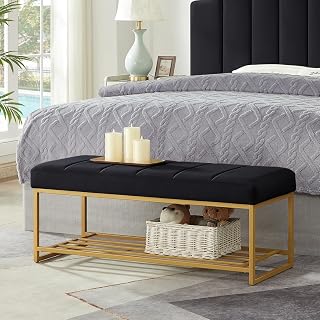


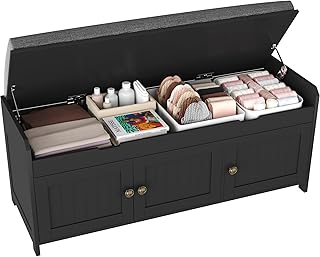


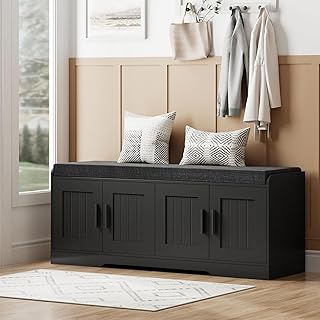


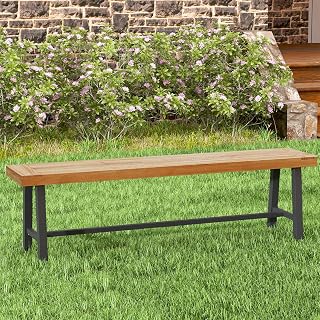


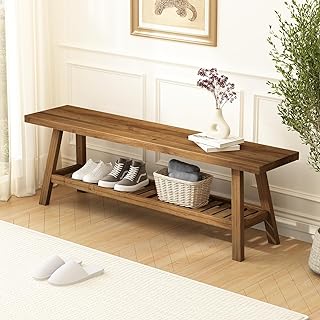


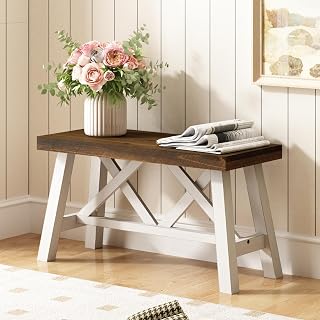
A luxury bench can do more than provide an additional seat. In a well-designed Canadian home, it can act as an entryway accent, bedroom bench, dining-area seat, dressing-room companion, living-room statement piece, or decorative element at the foot of a bed. The right choice depends on dimensions, upholstery, frame construction, comfort, maintenance requirements, and how the bench will be used every day.
Because the term “luxury” covers a wide range of furniture styles, shoppers should look beyond appearance alone. A polished finish, velvet upholstery, or substantial silhouette does not automatically indicate superior construction. Compare the materials, joinery, cushioning, weight capacity where stated, dimensions, care instructions, and manufacturer specifications before deciding.
Luxury furniture is usually distinguished by a combination of proportion, materials, craftsmanship, finishing details, and visual coherence rather than by a single feature. For benches, these characteristics can include carefully shaped frames, quality upholstery, supportive cushioning, refined stitching, stable legs, and finishes that complement the surrounding furniture.
A bedroom bench placed at the foot of the bed is one of the most recognizable applications for a luxury bench. It can provide a convenient place to sit while dressing while visually anchoring the lower portion of the bed.
Before purchasing, measure the available clearance around the bed. A bench that is too deep can restrict walking space, while one that is too narrow may appear disconnected from the bed. For a cohesive appearance, consider how the bench width relates to the mattress and bed frame rather than selecting a size based solely on the available floor area.
Velvet can provide a rich, formal appearance and is particularly effective in glam, contemporary, transitional, and traditional interiors. Its texture also changes visually with lighting and viewing angle.
However, velvet requires more consideration than simply choosing a colour. Ask whether the upholstery has specific cleaning instructions, whether the fabric is intended for frequent seating, and how easily marks or pressure changes may be visible. Dark velvet can make a dramatic statement, while lighter shades can create an airy appearance but may require greater care.
Leather can be a strong choice for shoppers who want a sophisticated material with a distinctive natural appearance. Full-grain, top-grain, bonded, and faux leather are not interchangeable materials, so product descriptions should be examined carefully.
Natural leather can develop changes in colour and character over time. Faux leather may offer a different maintenance profile and price positioning. Neither should automatically be considered superior for every room; the best option depends on expected use, maintenance preferences, household conditions, and design priorities.
Tufting creates a traditional or glamorous appearance and can make a simple upholstered form more visually elaborate. Common patterns include button tufting, diamond tufting, and channel tufting.
Deep tufting can also influence how the cushioning feels and how crumbs or dust collect within the upholstery. If the bench will be used frequently, consider whether the decorative construction is practical for the intended environment.
Minimalist benches typically rely on clean geometry, restrained detailing, neutral finishes, and simple silhouettes. They can work especially well in contemporary Canadian interiors where the bench needs to complement rather than dominate other furniture.
Minimalism does not mean compromising on construction. With fewer decorative elements available to distract the eye, uneven seams, poor proportions, unstable legs, or inconsistent finishes can become more noticeable.
A luxury storage bench combines seating with concealed organization. This can be useful in bedrooms, entryways, dressing areas, and family spaces where blankets, shoes, accessories, or other household items need a dedicated location.
Check the storage mechanism carefully. A hinged top should open smoothly without requiring excessive clearance, while drawers should have adequate room to operate. Also consider ventilation and weight distribution if the storage compartment will hold heavier objects.
The internal frame is one of the least visible but most important components of a bench. Wood, engineered wood, metal, and combinations of these materials are common.
Wood finishes range from natural and lightly stained surfaces to dark espresso, walnut-inspired, black, white, and painted finishes. Colour should be assessed alongside the existing flooring, cabinetry, bed frame, tables, and lighting.
Do not assume that two products described as “walnut” or “oak” will have identical colour or grain. Product photography, lighting, screens, and finishing techniques can affect perceived colour, so check the manufacturer's stated finish and available product images before purchasing.
Brushed brass, polished brass, chrome, stainless-steel tones, matte black, and gold-effect finishes are frequently used on luxury furniture. Metallic details can become a focal point, but they should also coordinate with other hardware in the room.
Fabric selection should balance appearance with usage. A formal decorative bench in a low-traffic bedroom has different requirements from an entryway bench used several times every day.
A bench that looks luxurious but feels uncomfortable may not deliver good long-term value. Cushion construction deserves attention when the bench is intended for regular seating rather than occasional decorative use.
Look for information about the cushion material, thickness, density where provided, and whether the cushion is fixed or removable. Foam, foam-and-fibre combinations, polyester fibre, down or feather blends, and other constructions can produce different sensations.
A firmer cushion may provide easier support when getting up, while a softer cushion can feel more relaxed. The ideal firmness is subjective, so shoppers should avoid assuming that a particular material automatically equals greater comfort.
Accurate measurements are essential, particularly when ordering large furniture online. Measure the intended floor area as well as the routes through which the bench must pass.
There is no single ideal bench height for every application. A bedroom bench, dining bench, entryway bench, and vanity bench can have very different ergonomic requirements.
For a bedroom bench, the relationship between the seat and mattress height affects both appearance and usability. For a dining bench, seat height needs to work with the dining table so users can sit comfortably without the tabletop feeling too high or too low.
If a product listing provides only overall dimensions but does not clearly state seat height, treat that as an important specification to verify before buying.
Where a manufacturer provides a maximum weight capacity, compare it with the intended use rather than treating it as an optional specification. A bench used by one person occasionally has a different practical requirement from one expected to accommodate multiple people.
Weight capacity should not be inferred from visual appearance. A heavy-looking bench is not automatically rated for greater loads, and a lightweight design is not necessarily weak. Use manufacturer-provided specifications whenever available.
A beautiful bench can become a poor purchase if it overwhelms the room. Always measure first and evaluate the furniture in relation to surrounding circulation space.
Decorative benches and high-use seating have different priorities. If children, pets, guests, or frequent household activity are expected, upholstery durability and cleaning requirements should receive more attention.
Price alone does not establish construction quality. Compare frame materials, upholstery, cushioning, hardware, dimensions, care instructions, and stated specifications instead.
Studio photography can make furniture appear larger, darker, lighter, warmer, or more textured than it looks in a particular home. Read the specifications and look for multiple views before making a decision.
Large benches can be difficult to manoeuvre through narrow Canadian homes, apartments, stairwells, and condominium corridors. Check package dimensions when they are provided, not just the assembled dimensions.
Some benches arrive fully assembled while others require legs, hardware, or additional components to be attached. Verify the assembly instructions and required tools before ordering.
When two benches look similar, create a simple comparison based on the features that actually matter for your intended use.
Canada's diverse housing stock means that the most suitable bench material can vary significantly. A compact urban condo may benefit from a visually light design, while a large suburban bedroom may accommodate a substantial upholstered statement piece.
The foot of the bed remains one of the most popular locations for a luxury bench. However, placement should account for both aesthetics and movement around the room.
Leave sufficient space between the bench and nearby furniture so that drawers, wardrobes, doors, and walking routes remain usable. If the room is compact, a smaller bench or an open-leg design may create a less crowded visual effect.
For a coordinated bedroom, consider repeating one or two design elements from the bed or other furniture. For example, a dark wood finish can echo bedside tables, while a metallic accent can complement lighting and cabinet hardware.
An entryway bench needs to withstand a different type of use. It may be used for putting on shoes, placing bags temporarily, or providing a convenient seat for visitors.
For this setting, practicality becomes especially important. Choose a stable frame, easy-care upholstery where appropriate, and a size that does not interfere with the main entrance route. Storage underneath can be useful for shoes and everyday accessories, provided the design allows easy access.
A bench can create a more flexible dining arrangement and may visually soften a dining set that would otherwise contain only individual chairs. However, dining use requires careful attention to seat height, depth, table clearance, and cleanability.
Compare the bench seat height with the dining table before purchasing. Also consider whether the bench can be moved easily when people need to sit down or leave the table.
A compact upholstered bench can be a practical alternative to a conventional chair at a dressing table or vanity. Here, seat height and depth are particularly important because the user will often sit relatively close to another piece of furniture.
A bench with excessive depth can force the user too far away from a mirror or tabletop. Measure the complete arrangement rather than evaluating the bench independently.
Neutral colours such as cream, beige, taupe, grey, brown, black, and off-white can integrate easily with changing décor. Stronger colours can create a more dramatic focal point.
When selecting upholstery, consider the room's natural and artificial lighting. A colour that looks neutral in a showroom photograph can appear warmer or cooler in a home. Fabric texture can also alter perceived colour.
If the bench is intended to remain in the room for many years, consider whether you are selecting a colour because it works with the existing interior or because it reflects a short-lived decorating trend.
Maintenance requirements depend heavily on the materials used. Follow the manufacturer's care instructions rather than applying a generic cleaning method to expensive upholstery.
Customer reviews can provide useful information, but they should be interpreted alongside objective specifications. Look for recurring observations rather than relying on one unusually positive or negative comment.
Reviews are particularly useful for identifying practical issues that product descriptions may not emphasize, such as perceived firmness, colour differences, ease of assembly, packaging concerns, or whether the furniture feels appropriately sized.
At the same time, personal preferences can strongly influence reviews. A customer who considers a firm cushion uncomfortable may be reporting a genuine experience without establishing that the product is objectively defective. Look for patterns across multiple verified customer reviews.
When researching luxury and premium furniture, shoppers in Canada may encounter established names such as Ashley, Structube, EQ3, Article, West Elm, CB2, RH, Pottery Barn, and Wayfair alongside independent furniture makers and marketplace sellers. Brand familiarity can help with research, but it should not replace product-level comparison.
Different brands use different design philosophies, materials, construction methods, distribution models, and product ranges. A well-specified bench from a less familiar manufacturer may be more suitable for a particular room than a visually similar product from a famous brand.
Additional spending can make sense when it directly improves construction, comfort, durability, materials, or suitability for your space.
By contrast, decorative features that do not improve comfort, construction, longevity, or functionality may have limited practical value if the budget is constrained.
Not every premium-looking feature is appropriate for every buyer. Deep tufting, ornate carving, elaborate metallic details, oversized proportions, and highly delicate upholstery can add visual drama but may be unnecessary for a frequently used family bench.
Think about the environment first. A formal decorative bench in a primary bedroom can justify design details that would be impractical in a busy entrance hall.
A “top 10” list should not be treated as a universal ranking because the best bench for a bedroom may be a poor choice for a dining room or entryway. A more useful shortlist compares products according to clearly defined criteria.
Before placing an order, use this quick checklist to reduce the chance of choosing a visually attractive but unsuitable bench.
The best bedroom bench depends on the room's dimensions, bed height, décor, and intended use. Upholstered benches are popular for their comfort and decorative appeal, while storage benches can add practical organization.
They can be, but practicality depends on the specific velvet upholstery, construction, household conditions, and care instructions. Check the manufacturer's cleaning and usage guidance rather than assuming all velvet performs identically.
Neither is universally better. Leather and fabric have different appearances, textures, maintenance requirements, and ageing characteristics. Choose according to the room and expected use.
There is no universal width. The bench should be proportionate to the bed while leaving enough surrounding space for comfortable movement. Measure the room and compare the bench dimensions with the bed before buying.
Storage benches can be especially useful when a room needs both seating and concealed organization. Compare storage capacity, access mechanism, structural construction, and available floor space before choosing one.
Look for clearly stated frame materials, stable construction, well-finished joints, secure legs, and appropriate specifications for the intended use. Avoid judging structural quality solely from photographs.
Match the bench to the architectural and decorative language of the room. Modern benches often emphasize clean lines and restrained materials, while traditional designs may use tufting, shaped legs, carved details, or richer finishes.
They can be valuable for understanding real-world impressions of comfort, assembly, colour, packaging, and perceived quality. Use recurring patterns across reviews and compare those observations with the manufacturer's specifications.
Removable cushions can make some forms of maintenance easier, but the specific design matters. Check whether covers are actually removable and review the manufacturer's cleaning instructions before assuming they can be machine washed.
Yes, provided the dimensions are appropriate. Narrow-profile designs, visually lighter frames, and multifunctional storage benches can be particularly useful where floor space is limited.
Cleaning frequency depends on upholstery, household use, environmental conditions, and the manufacturer's recommendations. Routine dust removal and prompt attention to spills can help maintain the furniture's appearance.
Some do and some do not. Check the individual product listing for assembly requirements, included hardware, tools, estimated assembly needs, and package dimensions.
The strongest luxury bench purchase is not necessarily the most expensive or most elaborate model. It is the one that combines appropriate dimensions, dependable construction, suitable upholstery, comfortable seating, manageable maintenance, and a design that works with the room.
For Canadian shoppers, compare current specifications carefully because product ranges, finishes, availability, retailer terms, and pricing can change throughout 2026. Before buying, verify the exact model, dimensions, materials, care instructions, delivery details, warranty information, and return conditions. Then use verified customer feedback as an additional source of practical information rather than as a substitute for objective specifications.
Whether the goal is a sophisticated bedroom focal point, a functional entryway seat, an elegant dining solution, or a statement piece for a formal interior, careful comparison makes it easier to identify a luxury bench that provides both visual impact and useful long-term function.