

♥ Wishlist
Compare 40 verified Living Room Furniture for Canadian Homes products in Canada. Reviews, ratings, pros, cons and buying advice updated for October 2026.
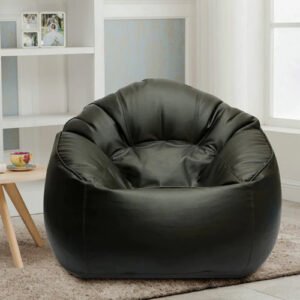
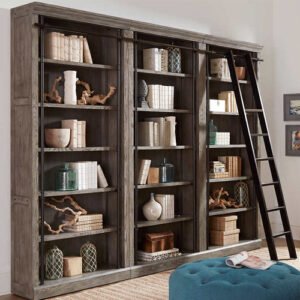
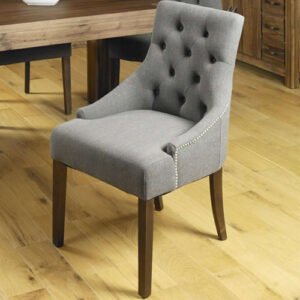
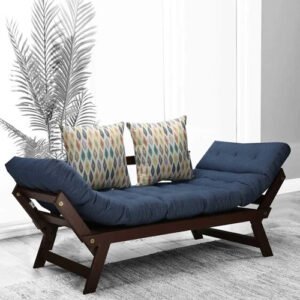
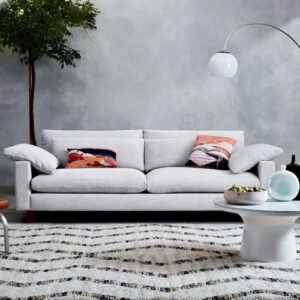


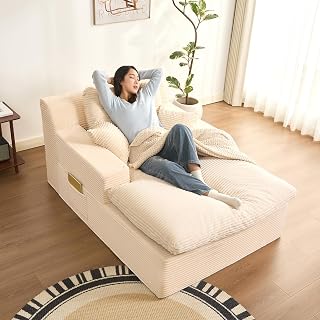


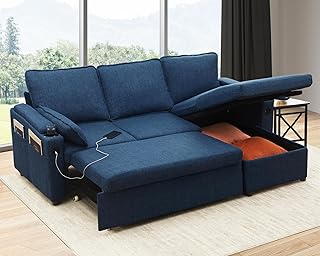


A luxury living room is best approached as a coordinated interior rather than a collection of expensive individual pieces. The strongest furniture combinations balance proportion, comfort, materials, durability, colour, lighting, and the practical demands of Canadian homes. A visually impressive sofa can still be the wrong choice if it overwhelms the room, while a comparatively understated sectional can create a more sophisticated result when its scale and upholstery work with the surrounding space.
For a 2026 purchase, compare complete specifications rather than relying on appearance or a product's luxury label. Look at frame construction, upholstery composition, cushion filling, suspension, dimensions, seat height, depth, cleaning requirements, assembly, delivery constraints, and the retailer's current return terms. These details are particularly important when shopping online, where photographs cannot fully communicate texture, firmness, scale, or finish.
Luxury is not determined by one material, colour, or price category. A well-designed living room usually feels premium because several details work together consistently.
The sofa is normally the visual and functional anchor of the room. Before choosing one, measure both the intended wall and every access route leading to it. A sectional that fits the room may still be impractical if its individual modules cannot pass through a narrow hallway, stairwell, elevator, or doorway.
Compare the overall width with the usable seating area rather than judging size from product photographs. Also check seat depth and height. Deep seats can be appealing for lounging but may be less comfortable for people who prefer an upright sitting position. Conversely, a shallower seat can provide easier posture support for conversation and everyday use.
Common upholstery options include genuine leather, top-grain leather, faux leather, polyester blends, velvet, linen-look fabrics, performance textiles, and other woven materials. Each has different maintenance requirements. Leather can offer a distinctive surface that develops character with use, while fabric provides a much wider range of textures and colours. The best choice depends on household use rather than the material's prestige alone.
Accent chairs are useful for adding contrast without replacing the primary seating arrangement. Consider whether the chair should visually match the sofa or intentionally introduce a different shape, fabric, or finish.
For a cohesive arrangement, compare seat height, arm height, visual weight, and upholstery colour. A dramatically different chair can become an effective focal point, but several unrelated statement pieces can make a living room appear visually crowded.
A coffee table should be selected according to the seating arrangement, not in isolation. Rectangular tables generally work well with long sofas, while round or oval designs can soften rooms dominated by straight lines. Glass, stone-look surfaces, marble, wood, metal, and mixed-material designs each create a different visual effect.
Check the table's dimensions against the available walking space. A beautiful table that leaves insufficient clearance around the sofa can interfere with daily movement. Also consider the weight and maintenance requirements of the surface, particularly if the room is frequently used by children or pets.
Media furniture needs to combine aesthetics with practical storage. Before buying, determine the television dimensions, stand or wall-mount configuration, cable-management requirements, ventilation needs, and the amount of equipment that must be accommodated.
Closed storage creates a cleaner luxury aesthetic, while open shelving can display books, decorative objects, and art. Look for adjustable shelves, sturdy doors, suitable cable openings, and a finish that coordinates with the other furniture rather than matching every piece exactly.
Smaller furniture has a disproportionate effect on usability. A side table should be easy to reach from its associated seat without obstructing movement. Console tables can help define an entry area, provide a surface behind a sofa, or add storage along a wall.
When comparing designs, inspect the construction of drawers, hardware, joints, and surface finishes. Decorative appearance matters, but these frequently handled components also influence how furniture performs over time.
Solid wood can provide a substantial feel and distinctive natural grain, but the term does not automatically mean that an entire piece is made from solid hardwood. Many well-designed furniture products combine solid wood with plywood, engineered wood, veneers, or other structural materials.
For each product, identify which components use which material. A wood veneer over a stable engineered substrate can be an entirely reasonable design choice. What matters is whether the construction is appropriate for the intended use and whether the specifications are clearly disclosed.
Leather furniture should be compared by leather type, surface treatment, thickness where disclosed, upholstery coverage, and care requirements. Full-grain and top-grain leather are different from bonded or synthetic alternatives, and product descriptions sometimes use broad terminology that requires closer examination.
Natural leather can vary in colour and grain, so minor differences should not necessarily be interpreted as defects. Ask whether the manufacturer specifies the exact upholstery material for the seating surfaces and compare the care instructions before purchasing.
Fabric furniture offers extensive design flexibility, but durability depends on the particular textile and construction. Look for information about fibre composition, cleaning codes where provided, removable covers, stain resistance claims, and recommended maintenance.
Do not assume that a fabric described as "premium" or "luxury" is automatically more durable. Compare the actual specifications and intended-use guidance instead.
Velvet can create a particularly rich appearance because its pile changes the way light reflects from the surface. It is useful for statement chairs and sofas, but its appearance can also reveal pressure marks and directional shading. Check the manufacturer's care instructions and consider how frequently the furniture will be used.
Mixed materials can give a living room a contemporary luxury aesthetic. Tempered glass, stainless steel, brushed metal, brass-look finishes, ceramic surfaces, sintered materials, engineered stone, and marble-look finishes can all produce different results.
Compare actual construction rather than judging solely from a product title. A surface that resembles marble may be considerably easier to maintain than natural stone, while natural stone can offer unique variation that is part of its appeal.
The internal structure is one of the most important factors when evaluating a sofa or upholstered chair. Product listings may identify kiln-dried wood, hardwood, plywood, reinforced corners, metal components, webbing, sinuous springs, or other construction methods.
Do not assume that one construction method is universally superior. Instead, consider whether the materials, joints, suspension system, and upholstery are appropriate for the furniture's expected use. Clear technical specifications are generally more useful than vague claims such as "heavy duty" or "built to last."
Cushion construction has a direct effect on comfort and maintenance. Foam, fibre, down, feather, memory foam, and combination fillings produce different sitting characteristics. Higher-density foam may provide firmer support, while fibre and feather blends can create a softer, more relaxed feel but may require more regular reshaping.
Check whether seat cushions are reversible, removable, or replaceable. These details can influence long-term practicality and should be considered before comparing apparently similar sofas.
Accurate measurement prevents many expensive furniture mistakes. Record the room's length and width, ceiling height where relevant, door widths, corridor widths, stair dimensions, elevator dimensions, and the location of radiators, outlets, windows, doors, and other fixed features.
For online purchases, dimensions should be treated as essential specifications rather than secondary information. A product can look appropriately sized in a professionally staged photograph while being substantially larger or smaller in a typical Canadian living room.
Canadian homes can experience substantial seasonal changes in temperature and indoor humidity. Furniture should therefore be evaluated not only for appearance but also for the care recommended for its materials.
Wood furniture should be kept within the environmental conditions recommended by the manufacturer. Avoid placing sensitive finishes directly beside strong heat sources unless the product documentation specifically permits it. Upholstery should also be protected from unnecessary prolonged exposure to intense direct sunlight, which can contribute to fading depending on the material and dye.
Homes with pets or young children may benefit from upholstery that is straightforward to clean and maintain. In these situations, a practical textile with appropriate performance characteristics may offer better everyday value than a delicate fabric chosen primarily for appearance.
Modern luxury generally emphasizes clean silhouettes, restrained ornamentation, geometric forms, neutral colours, and combinations such as wood with metal, glass, stone-look surfaces, or textured upholstery.
It can work particularly well when the room already contains contemporary architectural elements. However, an entirely minimalist scheme can become visually flat if every surface has the same colour and texture. Layering rugs, textiles, lighting, artwork, and carefully selected accent pieces can introduce depth.
Traditional furniture often incorporates more decorative profiles, turned or carved details, richer wood finishes, tufting, patterned upholstery, and classic proportions. Transitional interiors combine these elements with simpler contemporary forms.
For buyers who want a collection that remains adaptable, transitional furniture can provide a useful middle ground. It can be updated with cushions, rugs, artwork, lighting, and accent chairs without requiring the entire room to be replaced.
A common mistake is buying every item from one matching collection. Although coordinated sets can simplify shopping, identical finishes and silhouettes throughout the room may produce a showroom-like appearance rather than a layered residential interior.
Instead, establish two or three visual connections. For example, a wood tone can repeat between a media console and side table, while upholstery colours can relate to the rug and window treatments. Metal details can then provide a smaller recurring accent.
Brand reputation can help narrow a shortlist, but it should not replace product-level research. Well-known names such as Ashley, La-Z-Boy, West Elm, Article, EQ3, Structube, IKEA, and Crate & Barrel can occupy very different positions in design, materials, construction, and pricing. The right comparison depends on the particular product rather than the brand name alone.
When comparing a product from one brand with another, examine the same categories: frame materials, upholstery, dimensions, cushion construction, suspension, finish, storage capacity, assembly, care requirements, and applicable retailer policies. Also check current customer feedback for recurring issues rather than treating an overall star rating as a substitute for detailed evaluation.
Use this checklist when comparing products in Canada:
Customer reviews are most useful when they provide specific observations rather than simply a numerical rating. Look for comments concerning firmness, actual colour, fabric texture, assembly, packaging, dimensions, long-term comfort, drawer or door operation, and whether the product matched its description.
Recent reviews can also reveal changes in materials, packaging, manufacturing batches, or product configurations, but individual reviews should not be treated as universal evidence. Pay particular attention to repeated patterns across multiple reviews and distinguish opinions about style from factual observations about construction.
Prioritize compact proportions, shallow seating where appropriate, multifunctional storage, and furniture that can be delivered in manageable sections. A modular sofa can provide more flexibility than one oversized frame, provided the individual modules fit the available layout.
Large rooms can accommodate deeper sofas, substantial sectionals, larger coffee tables, and statement chairs. The challenge is preventing the furniture from appearing scattered. Use rugs, lighting, tables, and seating orientation to establish a clearly defined conversation zone.
Focus on durable upholstery, easy-clean surfaces, robust storage, rounded edges where appropriate, and seating configurations that support everyday use. A visually luxurious room does not need to be fragile.
Consider tightly woven textiles, removable covers where available, darker or patterned upholstery where appropriate, and furniture with surfaces that can be cleaned according to the manufacturer's instructions. Also consider whether pet hair is likely to be highly visible against the chosen colour.
A formal room can place greater emphasis on sculptural chairs, refined finishes, decorative tables, statement lighting, and carefully coordinated upholstery. Comfort remains important, but furniture may be selected around conversation, visual symmetry, and presentation rather than television viewing alone.
A realistic budget should include more than the advertised furniture price. Consider whether the room also requires a rug, lighting, side tables, storage, cushions, delivery-related costs, assembly, or other complementary pieces.
Instead of allocating the same amount to every item, prioritize pieces that receive the most physical use. For many households, the sofa and primary seating deserve more careful construction and comfort analysis than purely decorative furniture. Secondary tables and accessories can then provide visual refinement without consuming the majority of the budget.
A complete furniture collection can create an immediately coordinated appearance, but purchasing individual pieces offers greater flexibility. It can also allow you to invest more heavily in the sofa while selecting simpler tables or storage pieces.
Choose a complete collection when consistency and convenience are priorities. Choose individual pieces when the room has unusual dimensions, when you want a layered designer look, or when existing furniture needs to remain part of the new scheme.
Vacuum upholstery using an appropriate attachment and follow the manufacturer's cleaning instructions. Avoid applying unapproved cleaning chemicals because they can alter colour, damage fibres, or affect protective treatments.
Dust and clean leather according to the manufacturer's recommended method. Different leather finishes can respond differently to cleaners, moisture, heat, and conditioning products, so generic treatment should not automatically be assumed to be safe.
Use soft, suitable cleaning materials and avoid prolonged moisture exposure. Coasters and protective pads can reduce the risk of rings, scratches, and surface damage. Keep furniture away from conditions that exceed the care guidance provided for its finish.
Clean according to the specific surface material. Natural stone, engineered surfaces, coated finishes, and glass should not automatically be treated as interchangeable. Abrasive cleaners may damage certain finishes.
There is no single best collection for every Canadian home. The right choice depends on room dimensions, seating preferences, household use, design style, materials, maintenance expectations, and budget. Compare the construction and specifications of the individual pieces rather than selecting solely by appearance or brand recognition.
No. Price can reflect materials, design, craftsmanship, brand positioning, distribution, or other factors, but it does not independently prove superior construction. A useful buying decision compares frame quality, upholstery, comfort, dimensions, finish, hardware, and practical requirements.
Leather, velvet, woven fabric, linen-look textiles, and performance-oriented fabrics can all work well. The best option depends on household use, desired appearance, cleaning requirements, sunlight exposure, pets, children, and preferred comfort.
Use a controlled palette and repeat selected materials or colours. Pair a strong primary sofa with complementary chairs, a well-proportioned coffee table, coordinated storage, layered lighting, and textiles that connect the different pieces visually.
It does not need to match. In many interiors, a contrasting but coordinated coffee table creates more visual interest. The important considerations are proportion, height, circulation space, material relationships, and the overall design language of the room.
Sectionals can be excellent for larger family rooms and open-plan spaces because they provide substantial seating and help define a room. Before buying, verify both the assembled dimensions and the dimensions of each module so the furniture can be transported into the home.
There is no universal replacement schedule. Useful life varies according to construction, materials, frequency of use, household conditions, maintenance, and individual expectations. Well-maintained furniture may remain useful long after its appearance has become dated, while heavily used pieces may require attention sooner.
Verify the exact dimensions, materials, upholstery, construction details, included components, assembly requirements, delivery considerations, maintenance instructions, current customer feedback, and the retailer's current return and warranty policies. Always compare the specifications for the exact model and configuration you intend to purchase.
The strongest luxury living room purchase is not necessarily the most expensive or visually dramatic option. It is the combination that fits the room, supports the way the household actually lives, uses appropriate materials, and provides a level of construction and maintenance that makes sense over time.
For an August 2026 comparison, treat product information as dynamic. Verify current dimensions, colour options, specifications, customer feedback, delivery conditions, and retailer policies immediately before purchase because furniture configurations and availability can change. Shortlist several alternatives, compare them category by category, and then choose the collection that provides the best balance of design, comfort, construction, practicality, and long-term suitability for your Canadian home.