

♥ Wishlist
Compare 61 verified Bean Bag Covers & Refills products in Canada. Reviews, ratings, pros, cons and buying advice updated for October 2026.


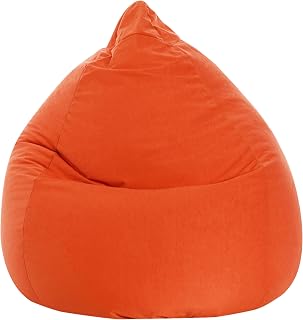

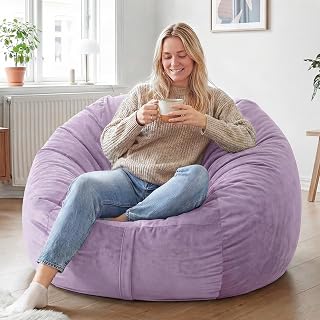


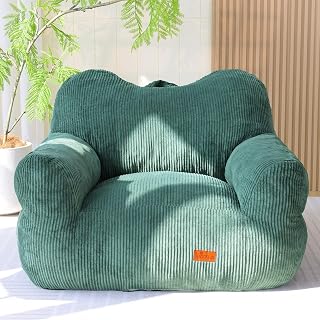


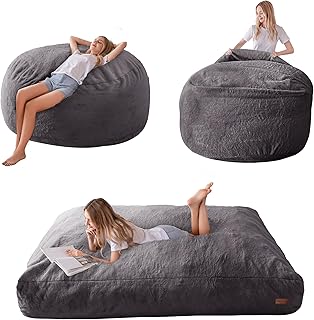


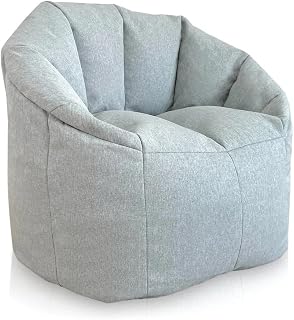


A luxury bean bag can be a surprisingly substantial piece of furniture. The outer cover affects appearance, comfort, durability, cleaning and how well the chair fits into a living room or bedroom, while the filling determines its shape, support and overall feel. For Canadian buyers, it is worth evaluating both components rather than treating a bean bag as a single product.
When comparing luxury bean bag covers and refills, look beyond photographs and headline dimensions. Check the cover material, construction, closure system, inner liner, filling type, refill quantity, care instructions and the manufacturer's stated dimensions. These details can make a major difference after months of regular use.
A replacement cover is useful when the existing filling remains in good condition but the outer fabric is worn, stained or no longer suits the room. Buying a cover can also make it possible to change the appearance of a bean bag without replacing the entire piece of furniture.
A complete bean bag may be more appropriate when the existing filling has become permanently compressed, the inner liner is damaged, or the current chair no longer provides the desired level of support. Before buying a cover alone, confirm that its dimensions and construction are compatible with the insert or filling you already have.
Luxury is not determined by one particular fabric or colour. A premium-looking bean bag usually combines an appropriate silhouette with carefully selected upholstery, good stitching, a practical closure system and filling that produces an attractive shape without becoming excessively rigid.
Materials such as velvet, microsuede, chenille, high-quality polyester upholstery and other textured fabrics can create very different visual effects. Velvet can provide a more formal appearance, while microsuede and durable woven fabrics may be easier to integrate into everyday family spaces. Leather-look materials can create a contemporary appearance but should be assessed for flexibility, heat retention and cleaning requirements.
Pay particular attention to seams. A large bean bag places repeated stress on stitching because the filling shifts whenever someone sits down, reclines or moves. Reinforced seams and appropriate upholstery construction are therefore more important than decorative details alone.
Velvet-style upholstery is associated with luxury furniture because of its soft surface and distinctive light reflection. It can work particularly well in formal living rooms, media rooms and bedrooms. However, the pile can show pressure marks and directional changes, so buyers should understand the care requirements before choosing it for heavy everyday use.
Microsuede can provide a soft, understated appearance without the visual formality of traditional velvet. It is often considered for lounge furniture because of its tactile surface. Check the manufacturer's cleaning instructions carefully, since the behaviour of different synthetic suede fabrics varies.
Textured upholstery can provide visual depth while hiding minor changes in surface appearance better than some smooth fabrics. It can be a practical choice for a relaxed interior where the bean bag is expected to receive frequent use.
Synthetic upholstery is available in many constructions, from basic lightweight fabrics to heavier furniture-grade materials. Do not assume that all polyester covers have the same durability. Fibre composition is only one part of the specification; weave, fabric weight, stitching and finishing also matter.
A removable cover is one of the most useful features for a frequently used bean bag. Food, dust, pet hair and everyday spills are much easier to manage when the upholstery can be removed according to the manufacturer's instructions.
However, “removable” does not necessarily mean “machine washable.” Before purchasing, distinguish between a cover that can be removed for professional or spot cleaning and one that is specifically designed for machine washing. Follow the care label rather than assuming that a familiar fabric can safely be washed at home.
Bean bag covers need secure closures because the internal filling can exert pressure on the seams and opening. Zippers are common, but their quality and placement vary. A concealed zipper can create a cleaner appearance, while a larger opening may make transferring filling easier during replacement or maintenance.
For homes with children or pets, inspect the closure design particularly carefully. The important consideration is not simply whether a zipper exists, but whether the cover and inner liner together provide an appropriate barrier around loose filling.
Bean bag filling has a direct effect on comfort and shape retention. Expanded polystyrene beads are widely associated with traditional bean bags because they are lightweight and capable of conforming around the body. Different filling systems can nevertheless produce noticeably different sensations.
Some products use shredded foam or mixed foam filling. These materials can create a denser, more substantial feel, although they can also make the finished chair heavier and change how easily it can be moved.
Do not compare refill products solely by package size. A refill sold by volume, weight or another measurement should be compared using the manufacturer's stated capacity and the dimensions of the bean bag it is intended to fill.
One of the easiest mistakes is ordering a refill without determining how much filling the chair actually requires. Two bean bags with similar external dimensions can require different quantities because their internal construction, desired firmness and shape differ.
Before purchasing a refill, measure the existing bean bag and check its manufacturer's specifications if available. If the product documentation provides a recommended refill quantity, use that as the primary reference rather than estimating from photographs.
Traditional bead-filled bean bags tend to shift easily around the user's body, creating a relaxed, mouldable seating experience. Foam-filled designs can feel more substantial and may retain a structured appearance differently.
Neither approach is automatically superior. The right choice depends on whether your priority is lightweight flexibility, deep lounging comfort, body conformity, shape retention or ease of handling.
A luxury bean bag should be evaluated as furniture, not merely as a soft accessory. Large models can become dominant visual elements in smaller Canadian apartments, bedrooms or multipurpose rooms. Conversely, a compact model may feel undersized in a spacious family room.
Measure the available floor area before buying and account for the space required to sit down, recline and move around the chair. Also consider doorways, staircases, elevators and storage areas if the bean bag will need to be moved between rooms.
Compact bean bags can work well for children, occasional seating, reading corners and smaller rooms. Check the recommended user size and weight limits rather than selecting solely according to the exterior dimensions.
Oversized bean bags are intended for deeper lounging and can provide a more substantial furniture-like presence. Their main trade-off is space: the larger the chair, the more carefully you should plan its location.
Extra-large designs can be useful for movie rooms, recreation areas and informal family spaces. Verify the assembled footprint and filling requirements before purchasing, because a large cover may require considerably more material and filling than a conventional chair-shaped bean bag.
For family environments, practicality should take priority over appearance alone. Look for construction appropriate to the intended user group and carefully review age recommendations, safety information and filling containment features.
For children's rooms, avoid assuming that an adult-sized luxury bean bag is automatically suitable for children. Follow the manufacturer's stated age, supervision and safety guidance. Loose filling should be treated as a maintenance and safety consideration, particularly if an inner liner or closure becomes damaged.
Homes with dogs or cats require a different approach to upholstery selection. Smooth, tightly woven fabrics may be easier to maintain than highly textured surfaces that can catch claws or retain hair. At the same time, no upholstery should be described as universally pet-proof without specific manufacturer evidence.
Consider colour as well. A fabric that closely matches the colour of your pet's coat may make routine shedding less visually noticeable, while a darker or patterned cover can be more forgiving of everyday marks.
Canada's varied climate makes material selection particularly relevant. A fabric that feels comfortable in a heated winter room may feel different during summer. Room ventilation, direct sunlight and indoor humidity can also influence how upholstery feels and ages.
Where a bean bag will sit near a window, consider whether prolonged sunlight exposure could affect the appearance of the fabric. Keep the manufacturer's cleaning and care recommendations available, especially when moving furniture between heated and naturally cooler spaces.
Neutral colours such as cream, beige, taupe, grey and charcoal can make a large bean bag easier to integrate with existing furniture. Richer shades such as emerald, navy, burgundy or deep brown can create a stronger focal point.
Do not choose colour from a product photograph alone. Display settings, lighting and fabric texture can substantially alter perceived colour. If colour matching matters, consult the seller's available colour information and compare against your room under both daylight and artificial lighting.
When comparing several products, use the same criteria for each rather than allowing attractive photography to dominate the decision. A useful comparison framework includes:
Do not assume that a photographed bean bag includes filling. Product listings can represent a cover, insert, complete chair or refill as separate products. Read the included-items section carefully.
A replacement filling should be compatible with the chair's internal construction and capacity. Confirm the manufacturer's recommendations whenever possible.
A replaceable outer cover can extend the practical life of a bean bag because the visible upholstery can be changed without necessarily replacing the entire filling system.
External measurements do not always describe the actual area available for a seated or reclining user. Shape, filling level and construction can affect usable space.
Customer reviews are most useful when treated as supplementary evidence rather than a substitute for specifications. Look for recurring comments about dimensions, fabric feel, zipper performance, filling volume, shape retention and cleaning.
Recent reviews can help identify changes in a product listing or manufacturing configuration, but individual experiences can vary. A reviewer's room size, frequency of use and expectations may be very different from yours.
Pay special attention to reviews that describe the product after sustained use rather than comments based solely on opening the package. For an independent buying guide, the most useful customer feedback is specific, consistent and relevant to the decision you are making.
Regular maintenance can help preserve both appearance and usability. Vacuum or gently remove surface dust according to the fabric manufacturer's instructions. Deal with spills promptly using only cleaning methods approved for the specific upholstery.
Avoid saturating upholstery unless the care instructions explicitly permit it. Excess moisture can create drying problems and may affect internal materials if it penetrates through seams or closures.
Inspect seams and zippers periodically, particularly on a bean bag used every day. If the cover or inner containment layer develops damage, stop using the product until the issue has been assessed and repaired or the relevant component replaced.
Compression is normal for many bean bag fillings. If the chair has become noticeably flatter, first determine whether the existing filling has compressed or whether there is another structural problem. A compatible refill can restore volume when the manufacturer permits additional filling.
Do not simply add as much material as possible. Overfilling can change the intended seating characteristics, increase pressure on seams and closures, and make the chair less comfortable. Use the manufacturer's capacity guidance whenever available.
If a bean bag is used seasonally, clean and completely dry the cover according to its care instructions before storage. Store it in a dry environment away from prolonged direct sunlight and conditions that could encourage moisture accumulation.
Large filled bean bags can be difficult to store efficiently. A removable cover and separable filling system can therefore be advantageous where storage space is limited.
Brand recognition can be useful when narrowing a large selection, but it should not replace product-level comparison. Depending on the type of bean bag, cover or filling being considered, shoppers may encounter established furniture and home brands such as Big Joe, Fatboy, Yogibo and Sumo Lounge.
Product lines can differ substantially within the same brand, so check the exact model's specifications, included components, dimensions, materials and care instructions. Availability and product configurations can also change, making current retailer information important when shopping in Canada.
Prioritize upholstery appearance, proportions and construction. Velvet, refined woven textures and sophisticated neutral or jewel tones can work well when the bean bag needs to complement conventional furniture rather than look like a casual floor cushion.
Emphasize removable covers, practical upholstery, robust construction and easy maintenance. A medium or large model may provide a useful balance between lounging space and room footprint.
Comfort and body support become especially important during long viewing sessions. Consider deeper seating, appropriate dimensions and filling characteristics before selecting a particular style.
Measure the available area carefully. A compact model with a soft cover may be preferable to an oversized chair that restricts movement around the room.
Follow the manufacturer's age and safety recommendations and prioritize secure filling containment, suitable construction and washable or maintainable upholstery where available.
The cheapest bean bag is not necessarily the least expensive option over its useful life. A product with a replaceable cover, refillable filling system and durable construction may be more practical if it can be maintained rather than completely replaced.
When comparing total value, consider the initial product, the likely need for replacement covers or refills, cleaning requirements and the amount of usable seating space provided. A lower-priced product can become less attractive if its components cannot be maintained or replaced.
Before choosing one of the luxury bean bag covers or refills considered for 2026, make sure the product satisfies the fundamentals: the dimensions fit the room, the cover material suits the intended use, the filling is appropriate, the construction is suitable for expected wear, and the cleaning requirements are realistic for your household.
For a replacement cover, verify compatibility with your existing insert. For a refill, verify the required capacity and filling type. For a complete bean bag, assess the entire system rather than judging the upholstery in isolation.
The strongest purchase is the one whose specifications, maintenance requirements and intended use align with your actual needs. Compare current product details and verified customer feedback before making a final decision, and treat exceptionally attractive photography or unusually broad marketing claims as a reason to investigate the specifications more closely rather than as proof of quality.
There is no single best option for every Canadian household. The appropriate choice depends on room size, intended user, upholstery preference, filling type, maintenance requirements and budget. Compare exact specifications rather than selecting solely by brand or appearance.
A replacement cover can be worthwhile when the existing filling and inner structure remain usable. It can refresh the appearance of the furniture while avoiding the need to replace components that are still in good condition.
There is no universal refill interval. The need depends on filling material, frequency of use and the desired firmness. If the chair has visibly lost volume or support, check whether its manufacturer recommends adding compatible filling.
No. Filling type, particle size, density, volume and internal construction can differ between products. Use a refill specified as compatible whenever possible and verify the manufacturer's capacity recommendations.
The best fabric depends on the setting. Velvet can create a formal luxury appearance, textured upholstery can provide a relaxed furniture look, and some synthetic fabrics may be easier to maintain. Compare the specific material's care requirements and construction rather than judging by fibre name alone.
A removable cover is generally useful for furniture that receives regular use, provided the removal and cleaning process is practical for your household. Verify whether the cover is actually washable rather than assuming that every removable cover can be machine washed.
They can be, but the footprint needs careful consideration. Measure the floor area, surrounding furniture and access routes before purchasing. A large bean bag can provide generous seating while consuming substantially more usable floor space than a compact model.
Choose upholstery that complements the room, maintain the cover carefully and keep the filling at an appropriate level. Good proportions, clean seams and a well-maintained surface often have a greater visual impact than decorative embellishments.
Inspect the damage and determine whether the cover, inner liner or both are affected. If loose filling could escape, discontinue use until the containment issue is resolved. Where available, a compatible replacement cover may be a practical alternative to replacing the entire bean bag.
This buying-guide framework is intended for 2026 shopping decisions, including considerations relevant to Canadian consumers. Because product specifications, retailer listings and availability can change, verify the current product information and customer feedback before purchasing.