

♥ Wishlist
Compare 26 verified Luxury Cabinets for Stylish Canadian Homes products in Canada. Reviews, ratings, pros, cons and buying advice updated for October 2026.


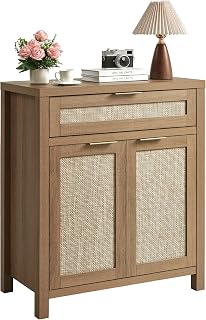


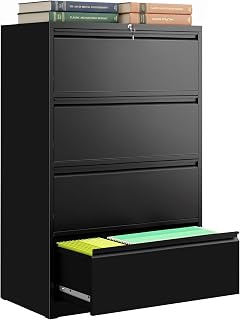

Choosing a luxury cabinet for a Canadian home involves considerably more than selecting an attractive finish. The right piece needs to balance visual impact with storage capacity, construction quality, proportions, hardware, material performance and the practical demands of everyday use. This 2026 buying guide focuses on the criteria that matter when comparing premium cabinets, sideboards, credenzas, display cabinets and statement storage furniture for dining rooms, living rooms, bedrooms, home offices and entryways.
Because luxury furniture can vary substantially in construction and specification, compare the complete product details rather than relying on photographs alone. Dimensions, internal configuration, materials, joinery, door mechanisms, shelf capacity, finish care and assembly requirements can have a greater effect on long-term satisfaction than a particular colour or decorative style.
The word luxury is used broadly in furniture marketing, so it is useful to separate appearance from construction. A cabinet may look expensive because of its finish, hardware or styling while using relatively conventional construction underneath. Conversely, a restrained cabinet can offer excellent craftsmanship through carefully selected materials, precise joinery and durable hardware without an overtly ornate appearance.
Start by examining what the cabinet is actually made from. Solid hardwood, high-quality veneers, engineered wood panels and metal components can all be appropriate when correctly specified. A cabinet does not automatically become better simply because it contains solid wood; stability, moisture management, joinery and manufacturing precision are equally important.
For large furniture, engineered panels can provide dimensional stability and a consistent substrate for veneers or decorative finishes. Quality veneer construction can also create an upscale appearance while reducing some of the movement associated with large solid-wood panels. Look for clear material descriptions instead of vague claims such as “premium wood” or “luxury construction.”
Pay attention to how the cabinet is assembled. Dovetail joints can be desirable in drawers, while mortise-and-tenon, dowel, spline and other properly executed joinery methods can contribute to a strong carcass. The important consideration is whether the construction method is appropriate for the component and whether the finished cabinet feels structurally sound.
Check the back panel, drawer boxes, shelf supports and base as well as the visible front. These less noticeable components can reveal more about overall construction quality than decorative exterior details.
Hinges, drawer slides, catches and adjustment mechanisms receive repeated use, making hardware an important long-term consideration. Premium cabinets may use concealed hinges with adjustment capability, soft-close systems or full-extension drawer runners. These features are useful, but they should be assessed alongside load ratings and construction rather than treated as proof of luxury on their own.
A sophisticated finish should look intentional and consistent across visible surfaces. Depending on the design, this might include natural wood grain, high-gloss lacquer, matte lacquer, painted surfaces, stone-effect panels, metal accents or mixed materials.
When comparing wood cabinets, inspect whether the veneer grain is coordinated across doors and drawer fronts. With dark or highly polished finishes, consider whether fingerprints, dust and minor marks will be noticeable in the room where the cabinet will be used.
Sideboards and credenzas are among the most versatile luxury storage pieces. They work particularly well in dining rooms, living rooms and open-plan interiors where low horizontal furniture can provide substantial storage without visually dominating the room.
For dining use, consider adjustable shelves, cupboards suitable for serving ware and drawers for cutlery or linens. For living rooms, cable management and enclosed storage can be more important if the cabinet will support audio-visual equipment or conceal accessories.
Glass-front display cabinets are appropriate when the purpose of the furniture is partly decorative. Tempered glass, adjustable shelves and integrated lighting can improve usability, while solid doors provide a more concealed appearance.
Before choosing a display cabinet, measure the objects that will actually be displayed. Decorative objects, dinnerware and books can require very different shelf depths and clearances.
Tall cabinets provide considerable storage while using relatively little floor area. They can be particularly useful in smaller Canadian homes or apartments where horizontal floor space is limited.
Stability is especially important with tall furniture. Check whether the manufacturer specifies wall anchoring, what anchoring hardware is supplied, and whether the installation surface is suitable. A tall cabinet should not be evaluated solely on its storage capacity.
Luxury bar cabinets combine decorative furniture with specialised storage. Useful features can include bottle compartments, adjustable shelves, stemware storage, drawers and dedicated serving areas. If electrical equipment or lighting is included, examine how cables are routed and whether ventilation is adequate.
A media cabinet needs to accommodate more than a television. Consider the dimensions of receivers, game consoles, streaming equipment, speakers and other components. Ventilation openings and cable-management channels can make a significant difference to practical usability.
Statement cabinets prioritise visual character and can become a focal point in a room. Fluted doors, sculptural bases, unusual hardware, contrasting materials and dramatic finishes are common design approaches.
With statement furniture, proportion matters. A visually impressive cabinet can still feel unsuitable if it is too large for the wall, too deep for a circulation path or disproportionately small beside surrounding furniture.
Solid hardwood is valued for its natural appearance, repairability and tactile quality. However, wood naturally responds to changes in temperature and humidity. In Canada's varied climate, indoor environmental conditions can change significantly between heating and cooling seasons, so appropriate construction and stable indoor conditions matter.
Inspect the stated wood species rather than assuming all hardwoods perform identically. Oak, walnut, maple, ash and other species differ in grain, colour, hardness and visual character.
High-quality veneer can deliver a sophisticated natural-wood appearance and allows manufacturers to create coordinated grain patterns across broad cabinet surfaces. Veneer should not automatically be regarded as inferior to solid wood.
Look for information about the substrate, veneer thickness where provided, edge treatment and finish. Also consider whether the design uses real wood veneer or a printed decorative surface.
Medium-density fibreboard, plywood and particleboard-based panels can all be used successfully in furniture. Their quality varies according to density, composition, thickness, edge treatment and manufacturing process.
For a premium cabinet, examine whether the specification clearly identifies the panel material and where each material is used. A detailed construction description is generally more informative than a broad “luxury” label.
Metal can be used for legs, frames, handles, decorative trims and structural components. Brass, stainless steel, aluminium and coated steel each create different visual and practical characteristics.
For frequently handled hardware, consider the finish's resistance to fingerprints, abrasion and tarnishing. A decorative metal finish may require different care from brushed or untreated metal.
Glass doors can make storage appear lighter and are useful for displaying objects. Check the type of glass specified, shelf support system and maximum recommended load. If the cabinet will be placed in a busy household, safety-conscious design and secure door hardware are particularly important.
One of the most common luxury-furniture buying mistakes is concentrating on the cabinet itself without considering the room around it. Measure the available wall width, ceiling height, floor area and depth of the intended location before comparing designs.
For a visual comparison, use masking tape on the floor to outline the cabinet footprint. This simple exercise can reveal whether a large sideboard or deep storage cabinet will interfere with circulation.
Two cabinets with similar exterior dimensions can provide very different practical storage. Internal shelves, drawers, dividers, door thickness and structural supports all influence usable space.
Adjustable shelves are valuable when the cabinet needs to accommodate objects of different heights. Check the shelf adjustment increments and the number of possible positions rather than assuming every shelf can be moved freely.
Drawer depth and extension are important when storing smaller items. Full-extension slides can provide better access to the rear of a drawer, while soft-close hardware can reduce noise and impact.
Hinged, sliding and lift-up doors each have different spatial requirements. Hinged doors need clearance in front of the cabinet, while sliding doors can be useful in tighter rooms but may provide access to only part of the interior at one time.
A structured comparison makes it easier to distinguish meaningful differences from decorative marketing. Create a shortlist and evaluate every candidate against the same criteria.
Brand reputation can be useful as a starting point, but it should never replace specification-level comparison. Depending on the style and product category being considered, shoppers may encounter names such as Bernhardt, Ethan Allen, Restoration Hardware, Crate & Barrel, West Elm, BDI, Article and IKEA.
These brands represent different approaches to design, construction, price positioning and furniture categories. Treat each product individually: a brand's reputation does not guarantee that every cabinet in its range will use the same materials, hardware or construction methods.
Online photographs can make furniture look considerably different from its real-world scale and finish. A cabinet that looks compact in a staged room may be much larger than expected. Always check numerical dimensions and, where possible, compare them with furniture already in your home.
Exterior measurements do not tell you whether your dinnerware, books, electronics or decorative objects will fit. Review shelf depth, drawer dimensions and vertical clearances before committing to a design.
Premium furniture can use combinations of solid wood, veneer, engineered panels, glass and metal. The quality of the overall construction matters more than the presence of one particular material.
Large cabinets can be difficult to manoeuvre through narrow hallways, staircases and doorways. Measure the route from the entrance to the intended room rather than checking only the final placement area.
Tall and heavy cabinets can pose a tip-over hazard if they are not properly secured. Follow the manufacturer's installation instructions and use appropriate anchoring hardware for the wall construction.
Different finishes require different cleaning methods. Some surfaces should not be exposed to excessive moisture, harsh chemicals, abrasive cleaners or prolonged direct sunlight. Read the care instructions before choosing a finish that fits your lifestyle.
Canada's climate makes placement and indoor conditions worth considering when purchasing high-quality wood furniture. Rapid or extreme changes in humidity can affect natural wood and some wood-based components. This does not mean wood furniture is unsuitable for Canadian homes; it means the furniture should be installed and maintained in accordance with its care instructions.
Avoid placing sensitive finishes immediately beside strong heat sources unless the manufacturer specifically permits it. Radiators, fireplaces and heating vents can create localised conditions that differ from the rest of the room.
Direct sunlight is another consideration. Natural wood, stained surfaces, painted finishes and textiles can change appearance over time when exposed to prolonged ultraviolet light. Curtains, blinds and thoughtful furniture placement can reduce unnecessary exposure.
Some expensive-looking features have limited practical value depending on how the cabinet will be used. Decorative hardware, elaborate finishes, integrated lighting and unusual door mechanisms can be worthwhile when they match your requirements, but they should not distract from structural quality.
Similarly, a heavier cabinet is not automatically a better cabinet. Weight can result from thick panels and robust construction, but it can also come from material choices that offer little benefit for your intended use. Compare construction details rather than using weight as a shortcut for quality.
Use the cleaning method specified for the particular finish. A soft, clean cloth is commonly appropriate for dusting many furniture surfaces, but care instructions should take precedence because lacquer, veneer, untreated wood, glass and metal finishes have different requirements.
Do not allow standing water to remain on wood or wood-based surfaces. Spills should be dealt with according to the manufacturer's care guidance, particularly on porous or natural finishes.
Use suitable mats, coasters or protective measures where objects may scratch, stain or generate heat. Avoid dragging heavy decorative objects across the surface.
If doors become misaligned or drawers no longer close smoothly, check whether the hardware has adjustment points. Do not force components that appear damaged; follow the manufacturer's instructions for adjustment or replacement.
Minor seasonal changes in wood components can occur as environmental conditions change. Keeping indoor conditions reasonably stable and following the furniture manufacturer's recommendations can help minimise unnecessary stress on natural materials.
Customer reviews can provide useful information, but they are most valuable when read alongside technical specifications. Look for recurring comments about assembly, door alignment, finish consistency, drawer operation, dimensions and long-term durability rather than relying on a single enthusiastic or negative review.
Pay particular attention to reviews from customers describing a similar use case. Someone purchasing a cabinet for lightweight decorative objects may have very different expectations from someone storing heavy books, cookware or electronic equipment.
When evaluating reviews on Amazon or other retailers, separate opinions about the product itself from comments about packaging, delivery or assembly. Those factors matter, but they do not necessarily indicate the underlying quality of the cabinet.
Prioritise generous cupboard capacity, adjustable shelving and drawers for dining accessories. A sideboard can also provide a practical serving surface, so consider the height and depth of the top.
Look for a balance between concealed storage and visual appeal. If electronics are involved, ventilation and cable management should be treated as essential specifications rather than optional extras.
Quiet hardware and easily accessible drawers are particularly useful. Consider whether the cabinet complements existing wardrobes, bedside furniture and other storage pieces.
Prioritise document storage, cable management and internal dimensions. A cabinet that looks impressive but cannot accommodate your equipment or files efficiently may become frustrating to use.
Choose a cabinet with proportions appropriate for the circulation area. Doors and drawers should open without obstructing the main passage, and the surface should be suitable for the objects typically placed near an entrance.
For contemporary interiors, clean lines, restrained hardware and mixed materials can create a cohesive look. Traditional rooms may suit framed doors, natural wood, moulding details and more decorative hardware. Mid-century-inspired interiors often work well with tapered legs, warm wood tones and understated forms.
Do not feel obligated to match every piece of furniture exactly. A carefully chosen contrast in wood tone, metal finish or silhouette can make a room feel more considered than a collection of identical pieces.
Light finishes can make substantial furniture appear visually lighter, while dark finishes can create a stronger focal point. Natural wood provides additional variation because grain and colour can differ between species and individual pieces.
Gloss finishes can reflect light and produce a formal appearance but may reveal fingerprints and surface marks more readily. Matte finishes tend to create a quieter visual effect. Textured finishes can add depth but may require more careful dusting.
A “top 10” list is most useful when each candidate is judged against consistent criteria. Rather than selecting products solely because they are visually striking, create a scoring framework based on your own priorities.
Before placing an order, keep a copy of the product specifications and compare them with your measurements. Confirm the dimensions, materials, finish, internal configuration and assembly requirements. If purchasing through Amazon or another retailer, review the current product information and customer feedback because product specifications, sellers and availability can change.
It is also sensible to compare the same or similar cabinet across multiple reputable retailers when possible. Differences in included assembly, delivery arrangements, product configuration or seller information can affect the overall buying decision.
The best luxury cabinet is not necessarily the most expensive option. A higher price should ideally correspond to something meaningful to the buyer, such as better materials, more refined construction, superior hardware, improved storage flexibility or a finish that fits the room exceptionally well.
For example, paying more for adjustable shelves can make sense when the cabinet's contents will change frequently. Paying more for premium drawer hardware can be worthwhile when drawers will be opened many times each day. Conversely, an elaborate decorative feature may have little value if the cabinet is primarily being used for practical storage.
When comparing the best luxury cabinets for Canadian homes in 2026, begin with function and dimensions, then assess construction, materials, hardware, finish and design. Use customer feedback as supporting evidence rather than as a substitute for specifications. A cabinet that looks exceptional but lacks appropriate storage, cannot fit through the access route or requires unsuitable maintenance is unlikely to be the right choice.
The strongest shortlist should contain products that meet your practical requirements before aesthetic preferences are used to make the final decision. Compare the complete specifications, read current customer reviews, check the latest retailer information and verify measurements before purchasing.
There is no single best cabinet for every Canadian home. The right choice depends on room dimensions, storage requirements, preferred materials, interior style, budget and intended use. A dining-room sideboard, living-room media cabinet and bedroom storage cabinet should not be judged by exactly the same criteria.
A premium cabinet can be worthwhile when the additional cost provides meaningful improvements in construction, materials, hardware, finish, storage flexibility or design. Compare those tangible characteristics rather than assuming a higher retail price automatically represents better quality.
Not necessarily. Solid wood has distinctive natural characteristics, while high-quality veneer can provide excellent visual consistency and dimensional stability. The quality of the substrate, joinery, finish and overall construction should be considered alongside the material itself.
Focus on structural construction, useful internal dimensions, adjustable shelving, reliable drawer hardware, quality hinges, a durable finish and proportions that work in the intended room. For dining use, also consider whether the storage configuration suits dinnerware, linens and serving accessories.
There is no universal ideal depth. The appropriate measurement depends on what will be stored and how much floor space the room permits. Measure the largest objects you need to store and leave sufficient circulation space in front of the cabinet.
Tall furniture should be evaluated for stability and installed according to the manufacturer's safety instructions. If wall anchoring is specified or recommended, use an appropriate anchoring method for the wall structure rather than relying solely on the cabinet's weight.
Follow the manufacturer's care instructions for the exact finish. Keep surfaces free from prolonged moisture, avoid abrasive cleaning methods and minimise unnecessary exposure to intense heat or direct sunlight. Natural wood should be kept in a reasonably stable indoor environment.
Online furniture shopping can work well when the product listing provides comprehensive specifications, clear photographs and useful customer feedback. Before buying, verify dimensions, materials, finish, assembly requirements and the practical delivery route into your home.
Look for repeated observations about construction, finish, alignment, hardware, assembly, dimensions and everyday usability. Reviews from buyers with similar requirements are generally more relevant than isolated comments based only on appearance.
Furniture specifications, product ranges, retailers and availability can change during 2026. For a current purchase decision, always verify the latest product information, customer feedback and retailer details before completing an order.