

♥ Wishlist
Compare 58 verified Armoires, Chests and Dressers for Canadian Homes products in Canada. Reviews, ratings, pros, cons and buying advice updated for October 2026.


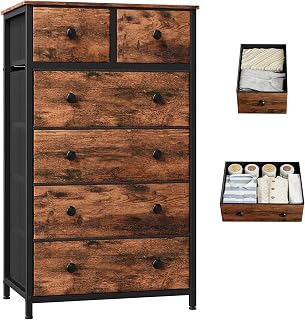


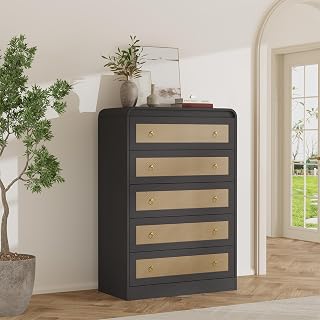

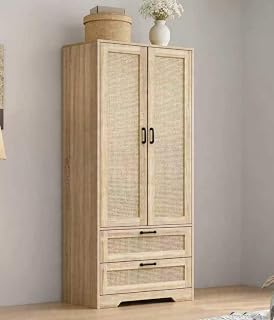


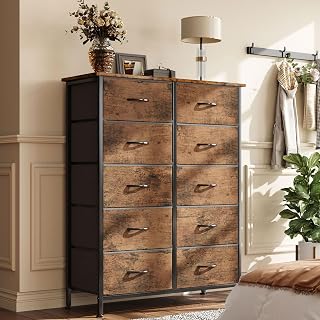


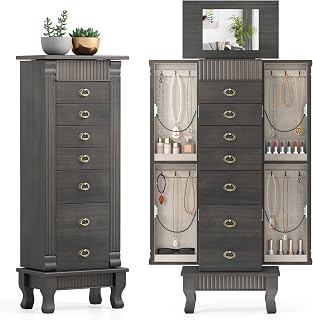

A luxury bedroom storage piece should do more than provide drawers or hanging space. The right armoire, chest or dresser should complement the proportions of the room, provide practical organization, use materials and hardware appropriate to its price level, and remain visually appealing as bedroom décor changes over time. For Canadian shoppers, dimensions, delivery access, construction, finish durability and retailer policies are especially important because a large piece of furniture can be difficult to return once it has entered the home.
This buying guide focuses on the factors that matter when comparing premium and luxury-looking armoires, chests and dressers in the Canadian market. Product specifications, colours, configurations, customer ratings, prices and availability can change throughout 2026, so shoppers should verify the current listing details before ordering.
The terms are sometimes used interchangeably in online furniture listings, but they describe different storage formats. Understanding the distinction makes it easier to compare products on an equivalent basis.
An armoire is generally a tall cabinet designed for enclosed storage. Depending on the design, it may contain a hanging rail, adjustable shelves, drawers, or a combination of these features. An armoire can be particularly useful when a bedroom has limited closet capacity or when you want clothing and accessories concealed behind doors.
Before choosing one, check the internal dimensions rather than relying only on the external appearance. A tall cabinet may look spacious while offering less usable storage than expected because of thick shelves, structural dividers, doors or decorative moulding.
A chest is usually taller and narrower than a conventional dresser and uses vertically stacked drawers. It can provide substantial folded-clothing storage while occupying less floor width. A chest can work particularly well beside a wardrobe or in a bedroom where wall space is available but a wide dresser would overwhelm the room.
Because a chest concentrates storage vertically, stability is an important consideration. Look for a substantial base, properly fitted drawers and an appropriate anti-tip system.
A dresser is generally wider and lower, with multiple drawers arranged across the front. The generous top surface can provide space for lamps, mirrors, decorative objects or everyday personal items. Wide dressers are often a strong choice for primary bedrooms where horizontal furniture balances a large bed.
Measure the wall carefully before buying. A dresser that technically fits may still leave insufficient clearance for drawers to open comfortably or for people to walk around it.
Luxury appearance is not determined by one material, colour or decorative style. It usually comes from the relationship between construction quality, proportions, surface treatment, hardware and detailing.
Material descriptions deserve close attention because terms such as “wood,” “wood finish,” “wood-look,” “engineered wood” and “solid wood” can describe very different constructions.
Solid wood is made from natural wood rather than a wood-based panel. It can provide a distinctive grain pattern and may be repairable or refinished depending on the species and finish. Natural wood can also expand and contract with changes in humidity, so construction and finishing quality matter.
Species such as oak, walnut, maple, acacia and rubberwood can have very different colours, grain patterns, hardness characteristics and visual styles. Do not assume that one species is automatically superior for every bedroom.
Veneer uses a thin layer of real wood over a supporting substrate. High-quality veneer can provide an authentic wood appearance while allowing manufacturers to create stable, carefully matched surfaces. Veneer is not synonymous with low quality; construction beneath the veneer and the quality of the finishing process are more informative than the word alone.
Engineered wood products can include materials such as MDF and particleboard. Their performance varies considerably according to density, construction, edge treatment, hardware attachment and exposure to moisture. A well-constructed engineered-wood dresser can be a practical choice, but shoppers seeking heirloom-style furniture should compare the entire construction rather than judging by appearance alone.
Metal may be used for legs, drawer pulls, frames or decorative accents. Brass, stainless steel, iron and other finishes can create very different aesthetics. When a listing specifies a metal finish, check whether the component is actually metal or simply finished to resemble metal.
A dresser with eight drawers is not automatically better than one with six. The useful capacity depends on drawer dimensions, internal depth, drawer-box construction and the amount of clearance between drawers.
When comparing models, consider:
Soft-close hardware slows the drawer during closing and reduces abrupt impact. It can improve everyday usability and contribute to a more refined experience, but it should not be treated as proof of superior overall construction. A piece can have soft-close slides while using mediocre materials elsewhere.
Full-extension slides allow the drawer to travel farther outward, making items toward the back easier to reach. This feature can be particularly valuable on deep dressers and chests where partially opening a drawer would otherwise hide a significant portion of its contents.
For an armoire, external dimensions tell only part of the story. Interior organization determines whether the cabinet will actually suit your wardrobe.
Measure the room before comparing styles. The most common mistake is measuring only the wall where the furniture will stand and forgetting the route required to bring a large item into the home.
For large armoires and tall chests, check the dimensions of exterior doors, interior doors, stairways, elevators and narrow hallways. Also consider corners where the item may need to be tilted or turned. A product can fit the final bedroom and still be impossible to manoeuvre into it without disassembly.
Canadian homes can vary substantially in layout, from condominium elevators and narrow urban staircases to larger suburban homes. Delivery access should therefore be treated as part of the buying decision rather than an afterthought.
Modern luxury usually benefits from clean lines, restrained hardware, smooth surfaces and carefully controlled contrast. Neutral finishes such as warm wood, charcoal, cream or muted natural tones can work well with contemporary interiors.
For a more glamorous bedroom, consider combinations of reflective hardware, richer finishes, curved details, glass elements or carefully used metallic accents. The key is coordination: a highly decorative dresser can become visually dominant if the rest of the room already contains many competing statement pieces.
Traditional rooms can accommodate more substantial moulding, turned or tapered legs, framed drawer fronts and darker wood finishes. Proportion becomes particularly important because oversized decorative details can make a bedroom feel visually crowded.
Transitional furniture combines traditional warmth with contemporary simplicity. This can be a practical choice for shoppers who want a premium appearance without committing to a highly specific period style.
Furniture photography can make finishes difficult to judge accurately. Lighting, camera settings and display screens can all affect how a colour appears.
Handles and drawer pulls receive repeated daily use, making hardware both a visual and functional component. Compare the shape, mounting method, finish and apparent scale of the hardware with the overall furniture design.
Integrated pulls can produce a minimalist appearance, while traditional knobs and bar pulls may provide stronger visual character. Recessed hardware can also reduce protrusions in narrow rooms. If replacement hardware is important to you, check whether the mounting-hole spacing uses a standard configuration before purchasing.
Tall furniture requires particular attention to stability. A chest or armoire should be installed according to the manufacturer's instructions, including any supplied wall-anchoring hardware.
When comparing tall storage furniture, look for clear safety information concerning anti-tip mechanisms, anchoring requirements and recommended installation. Do not rely solely on the furniture's apparent weight or width as evidence of stability.
Families with children should give anti-tip protection especially high priority and should follow the manufacturer's anchoring instructions rather than treating the safety hardware as optional.
Storage capacity is not simply the number of litres or cubic dimensions advertised on a product page. The practical question is how much useful clothing and household material can be stored without overloading the structure or making the drawers difficult to operate.
Check stated weight limits for drawers and shelves whenever provided. Heavy items such as books, bedding and dense clothing can place substantially more stress on drawer hardware than lightweight garments.
Large bedroom furniture frequently arrives requiring some level of assembly. Before buying, determine whether the product arrives fully assembled, partially assembled or flat-packed.
For a very large armoire, assembly complexity can be more important than a modest difference in price because moving a fully assembled cabinet may be difficult.
An independent buying guide should compare construction and specifications rather than treating any single brand as universally best. Canadian shoppers may encounter products from established furniture brands and major retailers such as West Elm, Pottery Barn, CB2, Article, Ashley and IKEA, as well as numerous independent furniture sellers and marketplace listings.
Brand recognition is useful as a starting point, but it should not replace product-level research. Construction can vary between collections, materials can differ between individual models, and a higher brand price does not automatically mean a particular dresser is the best choice for your room.
Marketplace listings can contain a large amount of information, but the most useful details are often buried in the specifications or product description. Before adding a large furniture item to your shortlist, compare the complete specification rather than relying on the main product photograph.
Customer reviews can provide useful information, but the most helpful approach is to look for recurring patterns rather than focusing on one enthusiastic or negative comment.
A review discussing a small bedside cabinet may not provide useful evidence about a substantially larger dresser from the same product family. Similarly, a complaint about delivery damage does not necessarily establish that the underlying furniture design is poor.
A premium-looking photograph should not distract from missing specifications. Exercise additional caution when a listing provides little information about construction or dimensions.
A beautiful photograph does not tell you the usable drawer dimensions, material composition or assembly requirements. Always inspect the specification details.
A dresser that fits against a wall may protrude too far into the walking area. Depth is particularly important in compact bedrooms.
Measure the space in front of the furniture, not merely the wall behind it. A drawer needs enough room to open fully while someone can still stand in front of it.
Small drawers can create organizational flexibility but may offer less total capacity than fewer, deeper drawers. Compare usable dimensions instead of counting drawers.
Large furniture can encounter problems at doors, stair turns and elevators. Measure the delivery path before ordering.
Furniture does not need to be perfectly matched, but undertones should generally work together. Warm and cool wood tones can look very different even when both products are described using similar colour names.
For tall chests and armoires, wall anchoring and anti-tip provisions should be part of the purchasing decision.
You do not necessarily need a matching bedroom set. Combining pieces with related finishes, proportions or hardware can produce a more sophisticated room than buying several identical items.
Choose a wide dresser when you have sufficient wall width and want a substantial horizontal surface. It is often useful for bedrooms where a low visual profile is desirable.
Choose a tall chest when floor space is limited but ceiling height is available. A vertical configuration can increase storage without consuming as much wall width.
If you have both adequate floor and wall space, combining a dresser and chest may provide better organization than purchasing one oversized storage unit.
An armoire is especially useful when your bedroom lacks sufficient built-in hanging storage. It can also conceal clothing and household items behind doors, producing a cleaner visual appearance than open shelving.
However, an armoire requires careful planning because its doors need clearance and its height can make it difficult to move. For smaller Canadian bedrooms, verify both the footprint and the installation route before choosing a tall cabinet.
Proper maintenance depends on the material and finish, so the manufacturer's care instructions should take priority over generic cleaning advice.
Use cleaning methods recommended for the specific finish. Avoid excessive moisture and do not leave wet glasses, damp clothing or spills on wood surfaces for prolonged periods. Natural wood can react to changes in humidity, so maintaining a reasonably stable indoor environment is helpful.
Use products approved for the particular finish and avoid abrasive materials that could dull or scratch the surface. Test any unfamiliar cleaning product according to the manufacturer's guidance.
Metal finishes can differ substantially. Some are designed to develop a particular appearance over time, while others are intended to remain uniform. Avoid aggressive cleaners unless the manufacturer specifically recommends them.
Do not overload drawers beyond their specified capacity. If a drawer begins rubbing, sagging or becoming difficult to operate, inspect the alignment and hardware rather than repeatedly forcing it closed.
Canadian homes can experience substantial seasonal changes in indoor heating and humidity. Natural wood furniture may respond to these changes through normal expansion and contraction. This is one reason construction quality, appropriate finishing and sensible indoor environmental conditions matter when purchasing premium wood furniture.
Avoid placing wood furniture directly beside intense heat sources unless the manufacturer specifically permits the placement. Excessive localized heat or dramatic environmental changes can be harder on furniture than ordinary seasonal variation.
Price alone does not establish quality. When comparing an expensive dresser with a less expensive alternative, identify what the additional money actually buys.
If the higher-priced product differs mainly in decorative styling while offering similar construction, dimensions and hardware, the premium may not provide meaningful practical value for your particular needs.
Rather than selecting a winner solely from a star rating, create a simple comparison based on the features that matter most to you. This makes the final decision more transparent and reduces the chance of choosing a visually attractive product that does not meet your storage requirements.
Before placing an order, run through this checklist:
There is no universal winner. A dresser is generally preferable when you need wide drawer storage and a substantial top surface. A chest is useful when you need vertical storage in a narrower footprint. An armoire is the better fit when enclosed or hanging storage is the priority.
Proportion, finish quality, hardware, material appearance, clean construction and thoughtful detailing usually contribute more to a luxury appearance than decorative complexity alone.
Not automatically. Solid wood has characteristics that many buyers value, but engineered wood can provide useful dimensional stability and can be constructed into durable furniture. Compare the complete product construction, finish, hardware and intended use.
They can be. A well-made real-wood veneer can provide an attractive natural surface, and veneer construction is used across many levels of furniture. Evaluate the substrate, veneer quality, joinery, finishing and hardware rather than judging the product solely from the word “veneer.”
The ideal number depends on how you organize clothing. Compare usable drawer dimensions rather than counting drawers. Six generously sized drawers may provide more practical storage than eight small ones.
Tall furniture should be installed and anchored according to the manufacturer's safety instructions. If anti-tip hardware is supplied or required, use it as directed. This is especially important in households with children.
Check the assembled dimensions, internal dimensions, materials, door clearance, shelf configuration, assembly requirements, product weight, anchoring provisions and delivery route. Also review the current return conditions for oversized furniture.
Look for reviews that identify the exact model and discuss measurable characteristics such as assembly, dimensions, drawer operation, finish and long-term use. Repeated observations are generally more informative than isolated comments.
No. A higher price can reflect materials, construction, design, brand positioning or decorative details. Compare the specifications and functional advantages to determine whether the additional cost is meaningful for your needs.
No. Coordinating finishes, proportions, hardware or design language can create a cohesive room without requiring every piece to come from the same collection.
The best luxury armoire, chest or dresser for a Canadian bedroom is the one that combines appropriate dimensions, useful storage, dependable construction, suitable materials, safe installation and a finish that works with the room. Start with measurements and storage requirements, then evaluate construction and aesthetics. Only after those fundamentals are established should price, brand recognition and decorative details determine the final shortlist.
For an independent purchase decision, compare the current specifications of each shortlisted product, read relevant customer feedback, verify delivery and return conditions, and check today's pricing before ordering. Product availability and configurations can change throughout 2026, so information displayed on an older comparison should always be confirmed against the current listing.