

♥ Wishlist
Compare 55 verified Buffets, Credenzas & Sideboards for Canadian Homes products in Canada. Reviews, ratings, pros, cons and buying advice updated for October 2026.


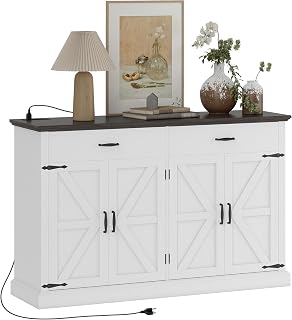


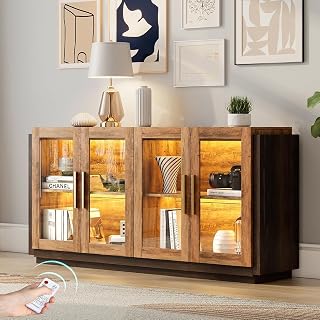


A luxury buffet, credenza or sideboard can become one of the most visually important pieces in a dining room, living room, entryway or open-plan interior. The best choice is not necessarily the largest, most expensive or most decorative cabinet. It should combine appropriate dimensions, dependable construction, useful storage, suitable materials and a design that works with the rest of the room.
For Canadian buyers, the decision also deserves attention to delivery dimensions, assembly requirements, room access, material care and the practical differences between solid wood, veneer, engineered wood, metal, glass and mixed-material construction. Before comparing individual products, establish the role the furniture will play in your home and then evaluate each candidate against the same criteria.
The terms buffet, credenza and sideboard are frequently used interchangeably by furniture retailers, but they traditionally describe somewhat different furniture forms. Understanding the terminology makes product comparisons easier because two cabinets with similar appearances can have very different proportions and intended uses.
A buffet is traditionally associated with dining spaces and is designed to provide storage and serving space close to a dining table. It may have cupboards, drawers, adjustable shelving or a combination of these features. A dining buffet can store tableware, serving dishes, linens, glassware and other items that need to remain accessible during meals.
Modern luxury buffets are not restricted to formal dining rooms. Their broad horizontal profile can also work beneath artwork or a television, along a large hallway wall or within an open-plan living area.
A credenza generally has a long, relatively low profile and is often used as storage in living rooms, dining rooms, offices and entertaining areas. Contemporary credenzas can include sliding doors, hinged doors, drawers, open shelving or a mixture of enclosed and display storage.
Because credenzas tend to emphasize horizontal proportions, they can visually anchor a wall without creating the tall, imposing appearance of a cabinet or armoire.
A sideboard is a broad storage cabinet traditionally associated with dining and entertaining areas. Contemporary sideboards range from minimalist designs to highly decorative statement furniture. They can provide concealed storage while creating a substantial surface for lamps, artwork, decorative objects or serving pieces.
Do not rely on the product name alone. A listing called a “luxury credenza” may have the dimensions and internal configuration of a traditional sideboard, while a product marketed as a buffet may be equally suitable for a living room. Compare actual measurements, storage configuration, materials, door construction and weight rather than assuming that the title tells you everything about the furniture.
Luxury appearance comes from the interaction of proportion, materials, detailing, hardware, finish and construction. A cabinet does not need excessive ornamentation to look sophisticated. In many interiors, restrained detailing and high-quality materials create a more enduring result than an overly elaborate design.
Well-proportioned furniture usually looks intentional from across the room. Consider the relationship between cabinet height, width, depth, leg height, door sizes and the surrounding wall. A very deep sideboard can overwhelm a narrow dining room, while an unusually short cabinet may look undersized beneath a large artwork.
When evaluating photographs, look beyond styling. Measure the product and compare its proportions with the wall, dining table and other major pieces in your room.
Material selection affects appearance, durability, maintenance and price. Solid hardwood, wood veneer, engineered wood, metal, glass and stone or stone-look surfaces each have different characteristics.
Solid wood can provide substantial visual and tactile appeal, but natural wood can respond to changes in temperature and humidity. Veneer can offer the appearance of a premium wood species while allowing manufacturers to use a stable substrate. Engineered wood can provide useful dimensional consistency, although construction quality varies considerably between products.
Handles, hinges, drawer pulls, legs and door mechanisms have an outsized effect on perceived quality. Look for hardware that appears appropriately scaled to the cabinet and complements its overall design. On minimalist furniture, the precision of these details can be more noticeable because there are fewer decorative elements to distract the eye.
Gloss, satin, matte, stained wood and painted finishes produce very different visual effects. High-gloss surfaces can create a dramatic contemporary appearance but may make fingerprints, dust and surface imperfections more visible. Matte finishes often provide a quieter appearance and can be easier to integrate with different decorating styles.
Product photographs provide only part of the information needed for a meaningful comparison. When specifications are available, inspect the construction details before deciding which furniture deserves consideration.
Measurement is one of the most important steps in choosing large furniture. A cabinet can look ideal online and still be unsuitable once it reaches the intended room.
Measure the usable wall rather than simply estimating it from photographs. Account for baseboards, electrical outlets, doorways, radiators and other features that could interfere with placement.
Depth affects both appearance and circulation. In a dining room, leave enough practical clearance for people to move around chairs and open cabinet doors or drawers. In an entryway, excessive depth can make a passage feel unnecessarily narrow.
Low furniture can create an open appearance, while taller furniture provides additional storage but can feel visually heavier. If you intend to display artwork, mirrors or lighting above the cabinet, consider the complete vertical composition rather than selecting the cabinet in isolation.
Do not stop at the room measurements. Check elevators, staircases, hallway turns, doorway widths, building entrances and any other restrictions that could affect delivery. For large Canadian homes, apartments and condominiums, the delivery route can be just as important as the final placement area.
A luxury sideboard should be attractive when closed but practical when used. Think about what will actually be stored inside before comparing cabinet layouts.
Internal dimensions are particularly important. A cabinet may look large externally but provide less usable storage than expected because of thick dividers, fixed shelves or unusually small compartments.
There is no single material that is automatically best for every buyer. The appropriate choice depends on the desired appearance, construction quality, budget and intended use.
Solid wood offers natural grain variation and can develop character over time. It is often selected for traditional, transitional and contemporary interiors. Natural wood can also expand and contract as environmental conditions change, so following the manufacturer's care guidance is important.
Quality veneer consists of a thin layer of real wood applied to a substrate. It can create an authentic wood appearance while allowing manufacturers to use stable underlying materials. Veneer is not inherently inferior to solid wood; the quality of the substrate, veneer, joinery and finishing process all matter.
Engineered wood products can provide consistent dimensions and are widely used in contemporary furniture. Their performance depends on density, construction, edge treatment, fasteners, finish and overall manufacturing quality. Avoid judging a cabinet solely from the label “engineered wood” without examining the complete specification.
Modern luxury sideboards often emphasize clean lines, restrained hardware, smooth surfaces and strong geometric proportions. Black, white, neutral, wood-toned and mixed-material designs can work particularly well in contemporary interiors.
Tapered legs, warm wood tones, rounded details and horizontal proportions are common characteristics of mid-century-inspired furniture. These pieces can add warmth without sacrificing the streamlined appearance associated with modern interiors.
Contemporary glam designs may combine reflective surfaces, metallic accents, decorative fronts, statement hardware or high-contrast finishes. They can function as focal points, particularly in formal dining or entertaining areas.
Traditional designs may use richer wood finishes, framed doors, decorative mouldings and more substantial hardware. They are particularly suitable for rooms that already contain classic architectural details or formal furnishings.
Minimalist furniture relies on proportion, material quality and precision rather than ornamentation. Handleless doors, concealed hardware and uninterrupted surfaces can create a sophisticated appearance when paired with an appropriately designed interior.
The finish should be considered alongside lighting, flooring, wall colour and existing furniture. A dark sideboard can create strong contrast in a light room, while lighter wood can make a compact space feel less visually dense.
Natural-looking wood finishes can add warmth to contemporary interiors, whereas black, white and neutral finishes can provide greater flexibility when decorating around changing colours. If the room receives strong natural light, consider how the finish may appear at different times of day.
For households with children or frequent entertaining, practical maintenance should also influence the decision. Before purchasing, review the manufacturer's cleaning instructions and determine whether the finish is particularly sensitive to moisture, heat, scratches or staining.
A buffet is most useful when its storage and serving surface are positioned logically relative to the dining table. It should be possible to access frequently used items without creating awkward traffic patterns.
The top surface can provide space for serving dishes, lamps, decorative objects, artwork or seasonal arrangements. However, avoid assuming that every cabinet top is designed for heavy objects or heat-producing appliances. Follow the product's stated load and care guidance whenever available.
A credenza can provide valuable concealed storage without the visual bulk of a tall cabinet. It can sit beneath artwork, behind a sofa, along a long wall or beneath a suitably sized television when its dimensions and construction are appropriate for that purpose.
If electronics will be stored inside, check for cable-management provisions, ventilation and appropriate internal dimensions. Do not place heat-generating equipment inside an enclosed compartment unless the furniture and equipment instructions specifically permit it.
In an open-plan Canadian home, furniture often needs to perform visually from several directions. A sideboard with a finished back or attractive legs may work better than a cabinet designed primarily to sit against a wall.
Use the sideboard to define the dining or living zone without creating a physical barrier. A long cabinet can establish visual continuity between areas, while its finish can repeat colours or materials used elsewhere in the room.
Not every premium feature provides equal value. When comparing products, prioritize features that improve everyday usability or long-term satisfaction.
Some decorative features primarily affect appearance rather than function. This does not make them undesirable, but buyers should distinguish aesthetic preference from construction value.
A “top 10” list is most useful when every product is assessed using consistent criteria. Instead of judging one cabinet from photographs and another from specifications, create a comparison framework that separates objective information from personal design preference.
Customer reviews can reveal useful information that product photographs and specifications do not. However, isolated comments should not automatically determine a purchase decision.
Look for recurring patterns. Multiple customers independently mentioning difficult assembly, inaccurate colour representation, damaged components, insufficient storage or unstable doors may deserve more attention than a single positive or negative comment.
Give particular weight to reviews that describe the product's actual dimensions, construction, assembly process and long-term use. Reviews that only discuss delivery speed or packaging may be less relevant when evaluating furniture quality.
Online furniture photography can make a cabinet appear larger, smaller, lighter or darker than it will in your room. Always compare the listed measurements with physical reference points in your home.
Width often receives the most attention, but depth can determine whether a sideboard works comfortably in a room. A deep cabinet can interfere with chairs, walkways and doors.
Luxury is a design and construction proposition rather than a single material category. A well-designed veneered cabinet can be more appropriate for some buyers than a poorly constructed solid-wood product.
External dimensions do not tell you whether your dinnerware, appliances, glassware or storage boxes will fit. Check shelf spacing and compartment dimensions whenever those specifications are available.
Large furniture can require substantial assembly. Confirm what arrives assembled and whether additional tools or more than one person are required.
A cabinet that fits against the wall may still be impossible to bring through a staircase, elevator or narrow doorway. Measure the route before purchasing oversized furniture.
Different finishes have different cleaning requirements. A visually striking finish may not be the most convenient choice for a household that expects heavy daily use.
Canadian homes vary significantly in size, architecture, climate and interior style. A suitable sideboard for a spacious suburban dining room may not be practical for a condominium or apartment with restricted access.
Seasonal changes can also make environmental conditions an important consideration for natural wood furniture. Follow the manufacturer's recommendations regarding indoor conditions, cleaning products, direct sunlight and proximity to heating or cooling equipment.
For condominium and apartment buyers, verify building delivery policies before ordering large furniture. Elevator reservations, loading areas, doorway dimensions and restrictions on oversized deliveries can affect the practicality of a purchase even when the furniture itself is suitable.
Large and tall furniture should be positioned and secured according to the manufacturer's safety instructions. Where an anti-tip kit or wall-anchoring hardware is supplied or recommended, use it as directed and select an appropriate anchoring method for the wall construction.
Keep heavy objects positioned appropriately and avoid creating an unstable load distribution. If children or pets are present, consider safety features and placement before finalizing the furniture arrangement.
Use the cleaning method recommended for the specific finish. Excessive moisture, abrasive materials and unsuitable household chemicals can damage some furniture surfaces.
Deal with spills promptly and follow the manufacturer's care instructions. Avoid allowing moisture to remain around seams, edges, hardware or unfinished areas.
Do not assume that a cabinet surface is suitable for hot serving dishes, appliances or prolonged exposure to direct sunlight. Use protective measures where recommended and follow the manufacturer's instructions.
Periodically check handles, hinges, legs and other fittings. If components loosen, follow the manufacturer's instructions for tightening or adjustment rather than forcing them.
Do not drag a large sideboard across flooring unless the manufacturer specifically permits it. Furniture of substantial weight may require multiple people or suitable moving equipment to prevent damage to the cabinet and floor.
Matching does not necessarily mean purchasing furniture from the same collection. A more sophisticated room can result from coordinating proportions, materials and undertones rather than creating an identical furniture set.
The cabinet itself should remain the visual foundation rather than becoming hidden beneath accessories. A balanced arrangement might include artwork or a mirror above the furniture, lighting at one side or both sides, and a small selection of decorative objects.
Leave enough usable surface area for the furniture to perform its practical function. If the credenza is primarily used for dining or entertaining, excessive decoration can reduce the available serving space.
Before adding a product to your shortlist, look for a complete specification rather than relying on lifestyle photography. A strong listing should make it possible to establish the basic dimensions, materials, finish, storage configuration and assembly requirements.
Brand familiarity can be useful as a starting point, but it should not replace product-level research. Established names such as Ashley, Walker Edison, HOMCOM, Nathan James, Simpli Home and Bush Furniture offer furniture across different styles and price categories, while premium and designer-oriented brands may emphasize different materials, finishes and construction approaches.
When considering any brand, compare the specific model rather than assuming that every product from a manufacturer has the same construction quality. Review the current specifications, dimensions, materials, customer feedback and retailer terms for the exact piece under consideration.
Prioritize substantial proportions, concealed storage, an attractive serving surface and a finish that complements the dining table and surrounding furniture.
Look for clean lines, practical cable management when required, concealed storage and a low profile that works naturally with the room's seating and media arrangement.
Prioritize compact depth, efficient internal storage and visually lighter proportions. Avoid buying extra width simply because the wall can accommodate it.
Choose a layout that keeps serving dishes, glassware and linens easy to access. A broad top surface can be particularly useful when its dimensions and load capacity are suitable.
Choose distinctive material, colour or detailing, but make sure the furniture remains compatible with the room's architecture and other focal points.
It can be, particularly when the furniture combines durable construction, useful storage, an appropriate finish and a design that will remain suitable for years. The value depends on the complete product rather than the marketing category alone.
Solid wood is an attractive option, but it is not automatically the best choice. Compare the complete construction, finish, care requirements and intended use with alternatives such as quality veneer or engineered wood.
There is no universal ideal depth. Choose a depth that provides the required storage while preserving comfortable circulation around the furniture. The room layout and intended contents should determine the appropriate dimensions.
Some credenzas can serve this purpose, but check the cabinet's dimensions, top-load capacity, ventilation and cable-management provisions before using it with electronic equipment.
Open shelves provide quick access and display space, while closed doors conceal clutter and protect contents from view. Many buyers will find a combination of both more versatile than either option alone.
Ratings can provide useful context, but they should be interpreted alongside verified customer comments and technical specifications. Look for repeated observations about the exact model rather than relying on the overall score alone.
Furniture availability, specifications, customer feedback and pricing can change during 2026. For a current purchase decision, verify the exact product details and retailer information immediately before ordering.
The strongest luxury buffet, credenza or sideboard choice is the one that fits the room, serves its intended purpose and offers construction and materials that match the way you actually use the furniture. Start with measurements and storage requirements, then compare materials, construction, design, maintenance and customer feedback.
For Canadian shoppers, give additional attention to delivery access, assembly, current retailer information and the environmental conditions of the room. A beautiful cabinet that cannot pass through the doorway, does not provide enough usable storage or requires maintenance you will not realistically perform is not a good purchase regardless of its appearance.
Before making a final decision, compare the shortlisted models side by side, read verified customer reviews, confirm the latest specifications and check today's Canadian pricing and availability. This approach makes it easier to distinguish genuinely useful luxury furniture from products that simply have a premium-looking presentation.