

♥ Wishlist
Compare 26 verified Furniture Sets for Canadian Homes products in Canada. Reviews, ratings, pros, cons and buying advice updated for October 2026.


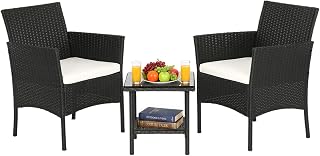


Choosing a luxury furniture set is about more than finding an attractive matching collection. A well-selected set should suit the dimensions of your room, withstand the way your household uses it, complement the architecture and décor, and remain visually appealing as trends change. For Canadian buyers, practical considerations such as apartment access, winter humidity changes, heated indoor environments, delivery conditions and the availability of replacement components can also matter.
This independent buying guide is designed to help Canadian shoppers compare luxury furniture sets on the factors that actually influence long-term value. Instead of judging a collection only by photographs, consider construction, materials, dimensions, upholstery, joinery, comfort, maintenance requirements and how well the individual pieces work together.
Brands such as Ashley Furniture, La-Z-Boy, IKEA, Structube, EQ3, West Elm, Crate & Barrel and Herman Miller can provide useful reference points when comparing furniture styles, construction approaches and price categories. Brand recognition alone, however, should not replace checking the specifications of the particular set you are considering.
Luxury is not defined by one material, colour or price point. A premium-looking furniture set can combine sophisticated proportions with durable construction, while an expensive-looking set may offer limited practical value if its frame, hardware or upholstery is poorly suited to everyday use.
For comparison purposes, look for a combination of the following characteristics:
A living room collection commonly combines a sofa with one or more complementary seating pieces, tables or occasional furniture. Before choosing a complete set, determine whether every included piece is genuinely useful. A large sectional may be ideal for a spacious family room but unsuitable for a condominium with narrow corridors and limited floor area.
Pay particular attention to seat depth, back height, arm width, cushion construction and overall footprint. A sofa that looks substantial in product photography can occupy considerably more space once positioned in a real Canadian living room.
Dining collections can include a table, chairs, bench, sideboard or display cabinet. Table construction deserves special attention because dining furniture experiences repeated loading, movement and cleaning.
Check the table's length, width, height and leg placement. Also determine how many people can sit comfortably without chairs interfering with table legs. Extendable dining tables can be especially useful when a household needs everyday seating for a smaller group but occasionally entertains more guests.
Bedroom furniture sets often coordinate a bed frame or headboard with nightstands, dressers and storage pieces. The most important considerations are mattress compatibility, available storage, walking clearance and the height relationship between the bed and bedside furniture.
Do not assume that a matching bedroom collection will automatically fit your room. Measure doors, stairways, elevators and the final installation area before selecting oversized pieces.
A sophisticated home office should balance visual design with ergonomic requirements. A large executive desk can create an impressive appearance, but it needs sufficient clearance for the chair, drawers, electrical equipment and movement around the workspace.
When comparing office collections, examine desktop depth, cable-management provisions, drawer construction and chair compatibility. A coordinated desk and storage system can look polished while still allowing the workspace to function efficiently.
Not every room needs a complete matching collection. Side tables, console tables, coffee tables, benches and accent chairs can create a more sophisticated interior when their materials and proportions relate to the main furniture without being identical.
For many Canadian homes, mixing complementary pieces can be more flexible than purchasing an entire matching suite. This approach also makes it easier to replace one worn or damaged item without redesigning the entire room.
If you are building a shortlist of ten furniture collections, compare them using the same criteria rather than allowing photographs or brand familiarity to dominate the decision. A useful comparison framework includes construction, materials, dimensions, comfort, design, maintenance, flexibility and total ownership considerations.
The frame is one of the most important components of upholstered furniture. Look for clear information about the frame material and construction method rather than relying on descriptions such as “premium,” “designer” or “luxury.” Those terms do not independently establish durability.
For wooden furniture, inspect the type of wood, veneer or engineered panel used in different structural areas. Solid wood can be desirable, but the presence of solid wood does not automatically mean the entire product is superior. Good engineering, appropriate joinery and proper moisture control are equally important.
Upholstery should be selected according to how the furniture will be used. Leather, top-grain leather, bonded materials, polyester blends, velvet, linen-look fabrics and performance textiles have different characteristics and maintenance requirements.
For households with children or pets, investigate stain resistance, cleaning instructions, abrasion information and whether covers are removable. For formal rooms used occasionally, appearance and tactile qualities may take greater priority.
Sofa and chair comfort depends heavily on cushion design. Foam density, fibre wrapping, spring systems and layered cushioning can produce different sitting experiences.
A very soft sofa may initially feel luxurious but may not suit someone who prefers firm support. Conversely, a firm seat may be preferable for upright sitting but feel less relaxed for extended lounging. When possible, use the manufacturer's specifications to compare construction instead of relying solely on photographs.
Drawers, hinges, extension mechanisms, reclining systems and adjustable components deserve attention because moving parts can experience significant wear. Look for smooth operation, secure attachment and clearly documented weight or usage limitations where provided.
On dining tables with extension mechanisms, verify how the extension works and whether the leaves store within the table or separately. On bedroom furniture, inspect drawer dimensions and opening mechanisms rather than evaluating only the exterior finish.
A luxury aesthetic depends heavily on finishing. Examine photographs closely for edge treatment, panel alignment, stitching consistency, surface texture and transitions between materials.
Wood finishes can range from highly uniform manufactured surfaces to more visibly varied natural grain. Neither approach is inherently wrong. The important question is whether the finish matches the style you want and whether its maintenance requirements suit your household.
This is one of the most misunderstood areas of furniture shopping. Solid wood is not automatically the best choice for every component, and engineered wood is not automatically low quality.
Solid wood can provide attractive natural grain and can sometimes be repaired or refinished. However, wood naturally responds to changes in moisture and temperature. Wide solid-wood panels can move as environmental conditions change, so proper construction is important.
Wood veneer consists of a thin layer of real wood applied over another structural material. Quality veneer furniture can offer an authentic wood appearance while allowing manufacturers to engineer large, stable panels effectively.
Engineered wood encompasses several different products, including plywood, MDF and particleboard. Their properties differ considerably. Plywood can provide excellent structural performance, while MDF can offer a smooth and stable surface for certain applications. Particleboard quality can vary depending on construction and application.
Instead of asking whether solid wood is always better, determine which material is used for each structural component and whether the construction is appropriate for the intended use.
Leather and fabric create very different ownership experiences.
For Canadian households, consider the entire environment rather than simply choosing the material that looks most luxurious in a showroom photograph.
Furniture should be evaluated against the actual dimensions of the room, not merely the available wall space. Include circulation paths, doors, windows, heating equipment, radiators, vents, media units and other permanent obstacles when planning the layout.
For a compact condominium, a modular sectional, apartment-sized sofa or dining table with flexible seating can provide better functionality than an oversized traditional suite. In a large open-plan home, very small furniture can look visually disconnected and may fail to define the space effectively.
Use painter's tape on the floor to mark the proposed footprint of large furniture before ordering. This simple technique can reveal whether a sectional, dining table or bed leaves enough clearance for normal movement.
One of the most expensive furniture-buying mistakes is measuring only the destination room. Large furniture must travel through the entire route from delivery point to its final position.
For sectional sofas and modular furniture, also determine whether individual components can be separated for transportation.
Canadian homes can experience substantial seasonal changes in indoor conditions. Heating during winter can create a dry interior environment, while summer conditions may introduce greater humidity. Natural wood and some other materials respond to environmental changes, so furniture should be maintained according to the manufacturer's care guidance.
Avoid placing sensitive wood furniture directly against heating sources or in locations where it receives prolonged intense sunlight unless the manufacturer indicates that the placement is appropriate. Excessive sunlight can also affect upholstery and finishes over time.
For upholstered furniture, pay attention to the cleaning instructions before purchase. A material that requires specialized cleaning may be less convenient for a high-traffic family room than a fabric designed for easier routine maintenance.
Condominium living introduces several practical constraints. Building management may have delivery windows, elevator booking requirements or restrictions on moving large items through common areas. These requirements should be confirmed before purchasing substantial furniture.
Prioritize furniture with an appropriate scale and consider modular construction when access is difficult. Rounded corners, narrower profiles and visually lighter designs can also help a compact room feel less crowded.
Storage furniture deserves special attention in smaller homes. A coordinated collection with useful drawers or cabinets may provide more value than a purely decorative set that consumes valuable floor area.
Large rooms create the opposite challenge: insufficient visual scale. A furniture set that works in a compact space can appear undersized in a large great room or open-plan living area.
Use furniture to establish zones. A living room can be anchored by a substantial seating arrangement and coffee table, while a console, shelving system or occasional chair can help transition between functional areas. In an open-plan layout, coordinated materials can connect different zones without requiring every item to come from the same collection.
A complete matching set provides consistency, which can be useful when furnishing an entire room quickly. However, a room filled with identical finishes and silhouettes can sometimes feel less individual.
A coordinated approach uses a common design language without requiring every item to match exactly. For example, a warm wood dining table can work with upholstered chairs that introduce a complementary texture, while a living room can combine a neutral sofa with a contrasting occasional chair and related wood or metal accents.
Choose a full set when consistency and convenience are your primary goals. Choose coordinated pieces when flexibility, personality and future replacement options matter more.
Comfort is highly personal, so specifications should supplement rather than replace hands-on evaluation where possible. Consider seat height, seat depth, back angle, arm height and cushion firmness.
Taller users may prefer deeper seating and greater back support, while shorter users can find deep sofas uncomfortable because their feet may not sit naturally on the floor. Dining chairs should allow a comfortable relationship between seat height and table height.
For beds, evaluate the support provided by the bed frame or foundation and confirm compatibility with the mattress system you intend to use. A visually impressive headboard does not compensate for an unsuitable support structure.
Professional photography can make almost any furniture look impressive. Before purchasing, move beyond the images and inspect dimensions, materials, construction details and care requirements.
Two collections from the same brand can have completely different construction methods and materials. Always evaluate the exact model rather than assuming that the reputation of a manufacturer applies equally to every item.
More furniture is not necessarily better furniture. Excess pieces can reduce circulation, make cleaning difficult and overwhelm architectural features.
Ask whether cushions, covers, hardware, shelves, table leaves or other replaceable components are available separately when applicable. This can influence the practical lifespan of a furniture collection.
Every premium material has maintenance requirements. Before purchasing, understand how spills, stains, scratches, dust and sunlight can affect the chosen finish.
A sofa can fit perfectly inside a room but still be impossible to maneuver through a narrow entrance. Check packaged dimensions and access requirements before committing to a large item.
A useful comparison table should record the same information for every shortlisted collection. This makes it easier to distinguish meaningful differences from marketing language.
Customer reviews can reveal useful information, but they should be read systematically. Look for recurring comments rather than allowing one unusually positive or negative review to determine the decision.
Pay attention to reviews discussing assembly, comfort after extended use, colour accuracy, material feel, packaging, dimensions, durability and whether the delivered product matches the published specifications.
Reviews can also be highly subjective. A customer who considers a firm sofa uncomfortable may simply have a different preference from someone who wants strong support. Separate subjective preferences from objective issues such as missing components, incorrect dimensions or recurring construction concerns.
Brand comparison can help establish different design and construction philosophies, but individual products should always be evaluated on their own specifications. Canadian shoppers may encounter brands such as EQ3, Structube, IKEA, Ashley Furniture, La-Z-Boy, West Elm, Crate & Barrel and Herman Miller across different furniture categories and price segments.
These brands should not automatically be treated as interchangeable or as a ranking of quality. Their product ranges, design priorities, materials and price positioning vary. Use brand names as starting points for research, then compare the specific furniture collection you are considering.
Price is important, but the lowest purchase price is not always the lowest total cost of ownership. Consider how frequently the furniture will be used, how difficult it would be to repair or replace, and whether the design is likely to remain useful for several years.
A practical value assessment asks four questions: Is the furniture appropriately constructed for its use? Is the material suitable for the household? Will the dimensions remain useful if the room changes? Can individual pieces continue to function independently if the matching collection is discontinued?
For expensive furniture, compare the total purchase requirement rather than only the headline price. A dining set may appear inexpensive until additional seating, delivery-related services, assembly or complementary storage pieces are considered.
Trendy furniture can create an immediate visual impact, but timeless pieces often provide greater flexibility. Neutral upholstery, balanced proportions and classic wood or metal finishes can be refreshed with rugs, cushions, artwork and lighting as interior trends change.
This does not mean every luxury furniture set should be conservative. Statement furniture can work exceptionally well when the room has enough visual space around it. The key is to understand whether you are buying a permanent foundation piece or a deliberately fashionable accent.
Dust surfaces with an appropriate soft cloth and follow the manufacturer's instructions for cleaning products. Avoid using harsh chemicals or excessive moisture unless the finish specifically permits it. Use suitable coasters, placemats and protective measures where appropriate.
Leather care varies according to the leather type and finish. Use only products recommended for the specific material, and avoid assuming that a cleaner suitable for one leather finish is appropriate for another.
Vacuum upholstery using an appropriate attachment and follow the manufacturer's cleaning code or care instructions. Treat spills according to the recommended procedure rather than experimenting with household chemicals.
Metal finishes can react differently to moisture and cleaning chemicals, while glass surfaces can show fingerprints and dust readily. Use cleaning methods appropriate to the particular finish and avoid abrasive materials that can scratch surfaces.
Before finalizing a purchase, work through this checklist rather than relying on a quick visual decision.
There is no universally best furniture set for every Canadian home. The strongest choice depends on what you value most.
The best set depends on room size, intended use, preferred materials, comfort requirements, design style and budget. Rather than selecting a universal winner, compare the exact specifications and construction of shortlisted collections against your requirements.
No. A higher price can reflect materials, craftsmanship, design, brand positioning or other factors, but price alone does not establish durability or suitability. Compare construction, materials, dimensions and care requirements before deciding.
Solid wood can be an excellent material, but quality veneer, plywood and other engineered materials can also be appropriate depending on the component and construction method. The complete design and engineering of the furniture matter more than a single material label.
No. A coordinated room can often look more sophisticated when furniture shares complementary colours, materials or design characteristics without every piece being identical.
Check the sofa's width, depth, height, seat dimensions, packaged dimensions, weight, configuration and delivery-access requirements. Measure doors, hallways, elevators and stairways in addition to the final room.
They can be particularly useful where flexibility or difficult access is a concern. Modular pieces may make it easier to create different configurations or move furniture through narrow entrances, but the individual component dimensions and connection system should still be checked.
Use the furniture within its intended limits, follow the manufacturer's care instructions, protect sensitive finishes from excessive sunlight and heat, clean spills appropriately and avoid dragging heavy furniture across floors when moving it.
A furniture buying guide should be reviewed regularly because product specifications, designs, availability, customer feedback and retailer conditions can change. For an August 2026 buying decision, verify current specifications and retailer information for the exact product before purchasing.
The strongest luxury furniture purchase is not necessarily the most expensive, largest or most fashionable collection. It is the set that fits the room, supports the way the household lives, uses appropriate materials, provides the desired level of comfort and can be maintained realistically over time.
For Canadian shoppers, start with measurements and practical requirements before comparing aesthetics. Then evaluate construction, upholstery or surface materials, storage, comfort, configuration, maintenance and delivery considerations. Use brands such as EQ3, Structube, Ashley Furniture, La-Z-Boy, IKEA, West Elm, Crate & Barrel and Herman Miller as useful comparison points where their product categories overlap with your needs, but always assess the individual model rather than relying solely on brand reputation.
Before making a final decision, compare the latest specifications, read verified customer reviews, check the exact dimensions and care instructions, and review the current terms provided for the product. A careful specification-led comparison is one of the best ways to distinguish genuinely useful luxury furniture from furniture that simply looks impressive in a photograph.