

♥ Wishlist
Compare 44 verified Patio Furniture Sets for Comfortable Canadian Outdoor Spaces products in Canada. Reviews, ratings, pros, cons and buying advice updated for October 2026.


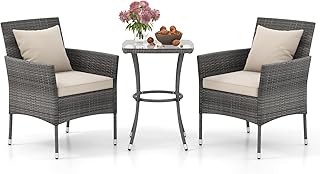


Choosing a luxury patio furniture set in Canada involves more than selecting the most attractive configuration. Canadian outdoor spaces can experience intense summer sun, heavy rain, humidity, freeze-thaw cycles, snow, and strong wind depending on the region. The right set therefore needs to balance design, structural quality, weather resistance, comfort, maintenance requirements, and the dimensions of the space where it will be used.
This buying guide is designed for shoppers comparing premium and luxury-style patio furniture sets in the Canadian market. Rather than judging a set by appearance alone, compare the construction materials, frame design, outdoor fabric, cushion protection, hardware, weight, dimensions, maintenance requirements, replacement-part availability, and the manufacturer's care instructions.
Brands such as POLYWOOD, Outer, SunVilla, Christopher Knight Home, and Wisteria Lane illustrate the range of designs and construction approaches found in the broader outdoor-furniture market. Brand recognition should not replace specification-level comparison, however. A well-built set with materials suited to your climate can be a better choice than a more expensive-looking alternative that requires extensive seasonal maintenance.
Luxury patio furniture is not defined by a single material, color, or price category. In practical terms, a premium outdoor set should combine thoughtful design with durable construction and a level of comfort appropriate for extended outdoor use.
The “top 10” approach is most useful when shoppers compare different configurations rather than assuming that one style is automatically best for every Canadian home. The following categories cover the principal options worth investigating when building a premium outdoor seating area.
Aluminum is one of the most versatile choices for contemporary outdoor furniture. It can provide a clean architectural appearance while remaining easier to move than many heavier metal alternatives. Powder-coated aluminum can also provide a durable exterior finish when the coating is properly applied and maintained.
Look closely at the construction rather than simply seeing “aluminum” in the specification. Compare frame thickness, joint construction, weld quality where applicable, coating information, hardware, and the overall stability of the finished pieces.
Aluminum can be particularly attractive for shoppers who want modern luxury styling without the maintenance associated with some natural woods. In windy locations, however, the relatively low weight of some aluminum furniture can be a consideration.
Wicker-style furniture remains popular because it combines a traditional resort aesthetic with the flexibility of contemporary modular designs. For outdoor use, distinguish synthetic all-weather wicker from natural wicker or indoor-oriented rattan.
Inspect the underlying frame as carefully as the woven exterior. A sophisticated weave does not compensate for a weak frame. Look for information about the frame material, UV resistance, drainage, outdoor suitability, and cushion construction.
For Canadian buyers, storage is also important. Even outdoor-rated woven materials benefit from protection during prolonged periods of severe winter conditions, particularly when the manufacturer's care instructions recommend seasonal storage.
Modular sectionals are useful when flexibility is more important than having one fixed seating arrangement. Individual modules can often be arranged as a corner sectional, straight sofa, separate chairs, or multiple seating zones depending on the design.
Before buying, measure each module and calculate the complete footprint rather than relying only on the advertised overall dimensions. Allow additional space for walking around the furniture, opening doors, accessing a grill, and moving chairs.
Outdoor dining sets are better suited to homeowners who regularly eat meals outside. A premium dining set should provide enough tabletop space without overwhelming the patio or deck.
Measure the table and chairs together. A table that appears appropriately sized in isolation may leave insufficient clearance once chairs are pulled out. Pay attention to chair width, armrests, table-leg placement, and the space needed for guests to move comfortably.
For Canadian use, tabletop material is especially important. Glass, ceramic, stone-look surfaces, metal, composite materials, and wood each have different cleaning and weather-care requirements.
Acacia is commonly used in outdoor furniture because it can provide the visual warmth associated with hardwood while supporting a wide range of traditional and contemporary designs.
Wooden furniture requires a different ownership approach from many metal or synthetic alternatives. Examine the manufacturer's recommendations for sealing, oiling, cleaning, storage, and protection from prolonged moisture. Wood can change color and appearance naturally over time, and shoppers should decide whether they prefer that aging process or want to maintain a more consistent original finish.
Teak is a long-established material for premium outdoor furniture. Its natural characteristics make it attractive for exposed outdoor environments, but not all teak furniture is identical.
When comparing teak sets, investigate the grade and source information provided by the manufacturer, joinery, thickness of the components, finish, hardware, and care requirements. Also determine whether the furniture is intended to remain outdoors year-round or whether seasonal protection is recommended.
Teak can be allowed to develop a weathered appearance, while some owners prefer to preserve a warmer original color through appropriate maintenance. These are aesthetic choices as much as maintenance decisions.
Cast aluminum can provide decorative detailing and substantial visual presence without the rust characteristics associated with conventional ferrous metals. It is frequently used in ornate patio dining and seating designs.
Examine the finish, frame integrity, drainage, fasteners, table construction, and stability. Decorative patterns should not be the only reason to choose a set. A luxury outdoor table must also be practical for everyday use and straightforward to clean.
Steel and iron-style furniture can deliver a substantial appearance that works particularly well in traditional, industrial, and transitional outdoor spaces. The principal consideration is corrosion protection.
Check whether the frame has a suitable protective finish and follow the manufacturer's recommendations for scratches, exposed metal, cleaning, and storage. If the finish is damaged, exposed metal can become a maintenance issue over time.
Heavy furniture can be advantageous in windy areas because it is less likely to move, but weight can make seasonal storage and rearrangement more difficult.
Luxury furniture does not have to mean oversized furniture. For balconies, compact decks, terraces, and smaller urban patios, a carefully proportioned two- or three-piece arrangement can create a more sophisticated result than an oversized sectional.
Prioritize footprint, chair width, table depth, folding capability where appropriate, and clearance around railings and doors. Always verify the actual measurements before ordering because product photography can make compact furniture appear considerably larger or smaller than it is.
Lounge-oriented sets are ideal when the patio is primarily used for relaxing rather than dining. A sofa, lounge chair, ottoman, and low table can create a living-room-style arrangement outdoors.
Pay particular attention to cushion density, seat depth, back support, table height, and fabric performance. Deep seating can be extremely comfortable for lounging but may be less convenient for older guests or anyone who prefers a more upright sitting position.
There is no universal “best” material. The right choice depends on exposure, maintenance preferences, appearance, portability, and how long the furniture is expected to remain outdoors.
Aluminum is lightweight, corrosion-resistant, and well suited to contemporary designs. It is often a practical choice for shoppers who want low-maintenance furniture that can be moved relatively easily.
The main consideration is structural design. Very lightweight construction can be less stable in exposed windy locations, so compare the actual construction rather than assuming every aluminum set will perform the same way.
Steel can offer excellent structural strength and a substantial feel. Its vulnerability to corrosion means that the protective coating and ongoing maintenance are important factors.
Wrought iron-style furniture can provide considerable weight and classic styling. It can work particularly well in formal gardens and traditional patios, although buyers should consider corrosion prevention and the practicalities of moving heavy furniture.
Natural wood provides warmth that synthetic materials cannot completely replicate. The trade-off is greater attention to cleaning, moisture management, finish, and seasonal care.
High-quality synthetic wicker can provide the appearance of traditional woven furniture while offering better suitability for outdoor conditions than ordinary indoor wicker. Verify that the complete construction—not just the weave—is intended for outdoor use.
High-density polyethylene and similar outdoor-grade recycled materials can be attractive for buyers seeking low-maintenance furniture. POLYWOOD is one well-known example of a brand associated with this category.
These materials can be heavier than some hollow metal furniture and are often designed for long-term outdoor use. Compare color options, hardware, dimensions, maintenance requirements, and the manufacturer's warranty terms rather than assuming all recycled-plastic furniture has equivalent construction.
The frame is the foundation of a patio furniture set. Upholstery can sometimes be replaced or refreshed, but a poorly constructed frame can make the entire set disappointing.
A thick cushion is not automatically a high-quality cushion. Comfort and longevity depend on the foam or filling, density, construction, fabric, seams, drainage, and ability to dry after exposure to moisture.
Look for cushions specifically designed for outdoor furniture. Removable covers can make cleaning easier, but check how the covers are removed and whether the care instructions permit machine washing.
Also consider the climate of your location. A cushion that dries quickly after rain can be more practical than one with very thick filling that remains damp internally.
Canada does not have one uniform outdoor-furniture climate. A patio in coastal British Columbia faces different conditions from one in Alberta, Ontario, Quebec, Atlantic Canada, or the Prairie provinces. Your local exposure should therefore influence the purchase.
Frequent moisture makes drainage and drying important. Furniture should not be positioned so that water routinely pools beneath cushions or inside frame components. Covers can provide additional protection, but they should be used according to the manufacturer's instructions and should not trap moisture against damp furniture.
Strong sunlight can gradually fade fabrics and finishes. If the patio receives direct sun for much of the day, prioritize outdoor-rated fabrics and finishes with appropriate UV-resistance information.
Many outdoor furniture products can tolerate normal outdoor exposure but are not necessarily designed to be buried under snow for an entire winter. Follow the manufacturer's instructions regarding winter storage, covers, cushion removal, and frame protection.
Freeze-thaw conditions can be particularly relevant to materials that retain water. Before winter, clean and thoroughly dry cushions and furniture, then store or protect components according to the manufacturer's recommendations.
Wind is an often-overlooked purchasing factor. Lightweight chairs and tables may be easy to move but can be less stable in exposed locations. Heavier frames may provide greater stability, although even heavy furniture can move during severe weather.
Consider the location of your patio, nearby buildings, railings, trees, and windbreaks. Loose cushions, umbrellas, and lightweight accessories generally require more attention than the furniture frames themselves.
Accurate measurements prevent one of the most common patio-furniture buying mistakes: purchasing a set that technically fits but leaves the outdoor space uncomfortable to use.
The best configuration depends primarily on how the outdoor area is used.
Beautiful product photography can hide important differences in frame construction, cushion quality, hardware, and dimensions. Always read the technical specifications and assembly information before making a decision.
A large sectional can look proportionate in a professionally staged photograph but overwhelm a real residential patio. Compare the listed measurements with your actual usable floor area.
Outdoor-rated furniture still needs cleaning and appropriate protection. Weather resistance does not mean that furniture should automatically be left uncovered in every season and climate.
Large cushions can be comfortable but require considerable storage space during periods of poor weather. Measure the available storage area before choosing deep lounge furniture.
Ask whether cushions, covers, hardware, feet, and other wear components can be obtained separately. Long-term maintainability can matter more than a small difference in initial purchase cost.
Furniture should support the way you use the space, not eliminate usable space. A smaller premium arrangement can look more luxurious when it leaves adequate room for movement.
Some large outdoor furniture sets require substantial assembly. Review the number and type of components, expected assembly requirements, and whether more than one person may be needed for larger pieces.
When comparing several products, use the same criteria for every candidate. This prevents attractive photography, branding, or promotional language from dominating the decision.
Customer reviews can provide useful information, but they should be interpreted alongside the manufacturer's specifications. A single review may describe an individual delivery problem, assembly issue, climate, or usage pattern that does not represent the product as a whole.
Look for recurring observations across many reviews. Pay particular attention to comments about frame stability, assembly, cushion comfort, fabric performance, finish durability, drainage, dimensions, and long-term maintenance.
Recent reviews can also reveal whether product specifications, packaging, colors, included components, or configurations have changed. Always compare the review details with the current product listing before drawing conclusions.
The lowest purchase price is not necessarily the lowest long-term cost. Patio furniture can involve covers, replacement cushions, protective treatments, storage equipment, cleaning supplies, and eventual replacement of wear components.
A more expensive set may make sense when it offers construction and materials that better match your intended period of use and maintenance preferences. Conversely, paying substantially more for decorative details that do not improve comfort or durability may not represent good value.
For affiliate shoppers comparing products through Amazon or other retailers, check the current price, delivery terms, configuration, included accessories, and seller information at the time of purchase because these details can change.
Brand reputation can be a useful starting point, but it should be followed by specification-level research. Different brands may specialize in different materials, configurations, and price segments.
These brands should not automatically be treated as interchangeable or as universally superior. The specific product, material, construction, current specification, retailer listing, and applicable warranty should determine the final decision.
Premium features are worthwhile when they solve a practical problem or improve everyday use.
Not every premium-sounding feature improves the ownership experience. Before paying more, determine whether the feature provides meaningful benefits for your particular patio.
Follow the manufacturer's cleaning instructions because different finishes and fabrics can react differently to detergents and cleaning methods. In general, remove surface debris regularly and address spills before they become stains.
Inspect painted or powder-coated surfaces periodically. If the finish becomes chipped or damaged, follow the manufacturer's recommendations for repair and corrosion prevention rather than allowing exposed areas to deteriorate.
Keep wood clean and follow the recommended maintenance schedule for the specific species and finish. Determine whether the manufacturer recommends leaving the wood untreated, applying a protective product, or using a particular type of outdoor finish.
Remove dirt from the weave before it accumulates. Avoid aggressive cleaning methods unless the manufacturer specifically permits them, as excessive pressure can damage woven material or its underlying structure.
Allow wet cushions to dry completely when possible. Store cushions in a dry, ventilated location during prolonged periods of poor weather or winter conditions when recommended by the manufacturer.
Seasonal protection is one of the most important considerations for Canadian patio furniture. The appropriate strategy depends on the material, local climate, available storage, and manufacturer's instructions.
Choose compact furniture with a small footprint. Two comfortable chairs and a compact table may create a more functional space than a small sectional with excessive depth.
A modular sectional, lounge chairs, and a separate dining area can create distinct zones. Measure the deck carefully and avoid filling every available square metre with furniture.
A covered space may reduce direct rain and UV exposure, but it does not necessarily eliminate the need for outdoor-rated materials. Humidity, temperature fluctuations, wind-driven rain, and winter conditions can still affect furniture.
Prioritize stability, secure placement, appropriate furniture weight, and manufacturer guidance regarding wind exposure. Lightweight pieces may require additional care and storage during severe weather.
Outdoor furniture prices and availability can change throughout the year. Rather than treating one advertised price as definitive, compare the complete package at the time you are ready to buy.
For a consistent editorial comparison, evaluate each luxury patio furniture set across several categories instead of relying on one overall impression.
There is no single best set for every Canadian buyer. The right choice depends on patio size, climate exposure, intended use, material preference, comfort requirements, maintenance tolerance, and budget. A strong shortlist should compare construction and specifications before considering appearance or brand.
No. A higher price can reflect better materials and construction, but it can also reflect design details, brand positioning, or features that may not be important to you. Compare the actual specifications and ownership requirements.
Aluminum, teak, outdoor-grade synthetic wicker, steel, cast aluminum, and recycled-plastic materials can all be suitable in different circumstances. The best material depends on the local environment, maintenance preferences, desired appearance, and whether the furniture will be protected during winter.
That depends on the specific furniture and the manufacturer's instructions. Even furniture designed for outdoor use may benefit from seasonal storage or protective covering. Cushions and other removable components often require separate protection.
Neither is universally better. Aluminum can be attractive for low-maintenance contemporary furniture, while synthetic wicker can provide a warmer woven appearance. Compare the frame beneath the wicker, outdoor suitability, UV resistance, drainage, maintenance, and overall construction.
Teak can be worthwhile for shoppers who value natural hardwood aesthetics and are comfortable following appropriate maintenance practices. Compare the actual teak specifications, construction, finish, hardware, and care instructions before paying a premium.
Look beyond thickness. Consider outdoor-rated fabric, filling or foam construction, support, drainage, removable covers, stitching, UV resistance, cleaning requirements, and storage needs.
Weight affects both stability and portability. Heavier furniture can be advantageous in exposed areas, while lighter furniture is easier to rearrange and store. Choose according to the wind conditions and how frequently you expect to move the furniture.
A sectional is useful when you want continuous seating and a cohesive lounge arrangement. Individual chairs offer greater flexibility and can work better in smaller or frequently reconfigured spaces.
Base the answer on your normal household size and entertaining habits rather than choosing the maximum number possible. Extra seating is useful only if the patio still has sufficient circulation space.
They can provide additional protection, particularly during periods of rain or seasonal inactivity, but they should be compatible with the furniture and used according to the manufacturer's instructions. Covers should not be used in a way that traps persistent moisture.
Routine cleaning is preferable to allowing dirt, pollen, food residue, and moisture-related buildup to accumulate. The appropriate frequency depends on the material, weather exposure, and manufacturer's maintenance instructions.
Use the manufacturer's exact measurements and compare them with measurements taken from your patio. Pay particular attention to the depth of lounge furniture, the width of chairs, table clearance, doorways, stairs, and the space required to walk around the set.
Look for repeated comments concerning comfort, assembly, frame stability, dimensions, fabric performance, finish quality, cushion durability, and maintenance. Give greater weight to detailed, consistent feedback than isolated opinions.
Some products are designed for extended outdoor exposure, but “outdoor furniture” does not automatically mean “leave outside year-round in every Canadian climate.” Check the manufacturer's specific guidance for snow, freezing temperatures, covers, storage, and seasonal maintenance.
Before purchasing a luxury patio furniture set, verify each of the following:
The best luxury patio furniture set is ultimately the one that fits the space, supports the way you live outdoors, and can withstand the conditions to which it will realistically be exposed. For Canadian buyers, durability should be considered together with winter protection, moisture management, UV exposure, wind, and long-term maintenance.
When comparing the top options for 2026, do not rely solely on product photography, star ratings, or brand recognition. Examine frame construction, materials, dimensions, cushions, hardware, configuration, maintenance requirements, warranty conditions, replacement components, and current customer feedback. A systematic comparison makes it much easier to distinguish genuine long-term value from furniture that simply looks luxurious in photographs.
Because product specifications, configurations, customer feedback, retailer pricing, and availability can change during the year, verify the current information immediately before purchasing. The strongest buying decision is not necessarily the most expensive option; it is the set whose construction, comfort, appearance, maintenance requirements, and weather suitability best match your particular Canadian outdoor space.