

♥ Wishlist
Compare 53 verified Kids Outdoor Furniture for Canadian Backyards and Play Areas products in Canada. Reviews, ratings, pros, cons and buying advice updated for October 2026.
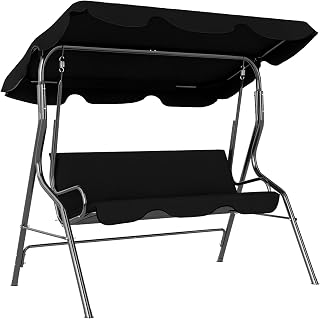


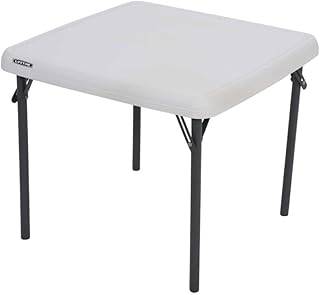


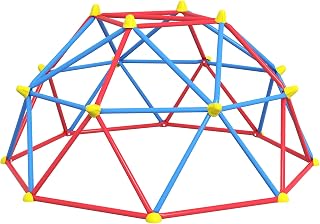


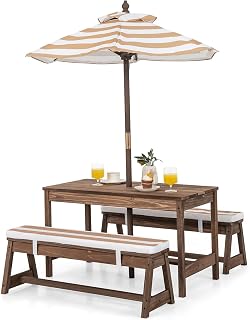


Choosing luxury outdoor furniture for children is different from choosing a standard patio set. Kids' outdoor furniture needs to balance attractive design with stability, age-appropriate proportions, weather resistance, easy cleaning, and everyday safety. A premium-looking piece is not automatically a good choice for a Canadian backyard, balcony, patio, deck, or seasonal outdoor play area.
For Canadian buyers, the decision also needs to account for a wide range of weather conditions. Depending on the region, outdoor furniture may face intense summer sun, rain, humidity, wind, frost, snow, and repeated freeze-thaw cycles. Materials and construction therefore matter just as much as appearance.
This 2026 buying guide focuses on the factors that matter when comparing luxury kids outdoor furniture, including materials, dimensions, stability, comfort, maintenance, storage, weather exposure, design, and long-term value. Product specifications and customer feedback should always be checked against the current retailer listing before purchase because models, colours, dimensions, and availability can change.
Luxury does not simply mean a higher price. In children's outdoor furniture, the premium category is better understood as a combination of thoughtful design, quality materials, attractive finishes, durable construction, comfort, and suitability for the intended age group.
A well-designed children's outdoor chair, table, lounge, play sofa, Adirondack-style chair, picnic table, or outdoor seating set should feel appropriate for children while still complementing the surrounding landscape and adult outdoor furniture.
The most useful way to compare a “top 10” collection is to consider different furniture types rather than assuming that one product is universally best for every child. The right choice depends on age, available space, intended activity, climate exposure, and whether the furniture will remain outside or be stored seasonally.
Kids Adirondack chairs are particularly suitable for patios, decks, gardens, fire-pit areas, and outdoor relaxation spaces. Their recognizable sloped-back design can provide a comfortable place for reading, relaxing, or enjoying snacks outdoors.
When comparing models, pay attention to the seat height and overall dimensions. A chair that is technically child-sized may still be too large or too small for the intended age range. Look for smooth edges, stable legs, well-secured hardware, and an outdoor-appropriate finish.
A coordinated table-and-chair set can create a dedicated outdoor area for colouring, crafts, snacks, games, puzzles, or family activities. Premium sets may also coordinate more easily with existing patio furniture.
Compare the table height with the chair seat height rather than assessing either dimension independently. Children should be able to sit comfortably while keeping their arms in a natural position on the tabletop.
Children's picnic tables are useful where several children need a shared surface. They can work particularly well in gardens and larger patios where space is available.
Construction is especially important because a picnic table has several structural connections. Check the frame design, leg configuration, tabletop thickness, fasteners, weight capacity where provided, and whether the manufacturer identifies the product specifically for outdoor use.
For a more sophisticated backyard environment, children's lounge chairs can provide a dedicated relaxation area. They may be appropriate for reading, relaxing, or supervised outdoor downtime.
Look closely at the recline mechanism if the chair has adjustable positions. Moving parts introduce additional considerations around pinch points, stability, and durability. A simpler fixed-position design can sometimes be preferable for younger children.
A children's bench can accommodate more than one child while taking up less visual space than several individual chairs. Benches can also be useful around a children's outdoor table.
Check whether the bench has a backrest, armrests, drainage considerations, and sufficient structural support. A lightweight bench may be easier to move but can be more susceptible to being displaced by wind.
Modular outdoor seating can create a flexible area for reading, socialising, or supervised play. However, cushions and upholstery require more maintenance than exposed hard-surface furniture.
When evaluating outdoor cushions, distinguish between water-resistant and genuinely outdoor-rated construction. Examine the fabric, filling, removable covers, zipper construction, drying requirements, and recommended storage conditions.
Rocking chairs can provide a distinctive luxury look, but stability should take priority over decorative appeal. The rocking base should sit securely on an appropriate surface, and the chair should be suitable for the child's age and intended use.
Families with younger children should pay particular attention to moving parts and manufacturer safety guidance.
A small outdoor side table can complement a chair or lounge area and provide a convenient surface for books, cups, toys, or outdoor activities.
Choose a design with a stable base and a surface that is straightforward to clean. Avoid placing lightweight tables in exposed locations where strong winds can move them.
An outdoor storage bench can combine seating and organisation. It may be useful for keeping outdoor toys, cushions, games, or accessories close to a children's seating area.
Storage furniture requires additional attention to ventilation, moisture management, lid weight, hinges, and access. A storage compartment should not be treated as automatically suitable for every type of toy or fabric item.
A coordinated collection is worth considering when appearance is a major priority. Matching chairs, tables, benches, loungers, and accessories can create a more intentional outdoor design than mixing unrelated pieces.
Before purchasing an entire collection, consider whether every component will actually be used. Buying only the pieces that solve a genuine need can offer better value than selecting a large set simply because the individual pieces match.
Material selection has a major effect on durability, appearance, maintenance, comfort, weight, and seasonal storage. There is no single material that is best for every Canadian environment.
Wood remains one of the most attractive choices for luxury outdoor furniture because it provides a natural appearance and can blend easily with gardens, decks, and landscaping.
Common outdoor furniture woods include cedar, teak, acacia, and other species selected for outdoor applications. However, the species alone does not determine durability. Construction, finish, moisture exposure, drainage, maintenance requirements, and manufacturer instructions are equally important.
Wood furniture can change colour over time when exposed to sunlight and weather. Some owners prefer the natural ageing process, while others want to maintain the original appearance through cleaning and appropriate finishing.
High-density polyethylene and similar outdoor-grade plastics can be practical choices for children's furniture. They are generally easy to wipe clean and do not require the same type of surface maintenance as natural wood.
When comparing plastic furniture, examine the construction rather than assuming all plastic products are equivalent. Look at material thickness, frame construction, fasteners, UV-resistance claims, weight, and the manufacturer's outdoor-use instructions.
Metal can provide a clean, contemporary appearance and substantial structural strength. Powder-coated finishes are commonly used on outdoor furniture because the coating can provide a protective decorative surface.
Canadian buyers should still inspect the finish carefully. Scratches, chips, damaged coatings, and exposed metal can become maintenance concerns, particularly when furniture is exposed to moisture and winter conditions.
Synthetic wicker can create a sophisticated resort-style appearance while keeping furniture relatively lightweight. The quality of the underlying frame and outdoor suitability of the synthetic material are important considerations.
For children's furniture, inspect the weave carefully for loose strands, sharp ends, or areas that could snag clothing or skin.
Cushioned children's furniture requires a more detailed assessment than hard-surface furniture. Look for fabrics identified by the manufacturer as suitable for outdoor conditions and examine the cleaning instructions before buying.
Water resistance is useful, but it does not mean cushions can remain wet indefinitely. Proper drainage, ventilation, drying, and seasonal storage can significantly affect the useful life of outdoor textiles.
Outdoor furniture in Canada may experience conditions that are substantially different from those in a mild climate. A product that performs well on a covered summer patio may require additional protection when exposed to snow, freezing temperatures, and prolonged moisture.
Before purchasing, identify where the furniture will actually be placed. A covered balcony, screened porch, open lawn, exposed deck, and fully sheltered patio create very different demands.
One of the most common buying mistakes is assuming that a product described as suitable for an outdoor-looking space is designed for permanent outdoor exposure.
Some luxury children's furniture is better treated as seasonal or semi-outdoor furniture. It may be ideal for a covered porch but unsuitable for continuous exposure to rain and snow.
Read the manufacturer's care instructions carefully and determine whether the product is intended for indoor use, covered outdoor use, or unrestricted outdoor exposure. If the instructions recommend bringing the furniture indoors during adverse weather, that requirement should be considered part of the ownership experience.
Children's furniture should be assessed from a safety perspective before aesthetics or matching décor. The appropriate product depends on the child's age, size, abilities, and the environment in which the furniture will be used.
Product photographs can make two pieces of furniture appear similar even when their specifications are very different. Compare measurable information before deciding between products.
Record the overall width, depth, and height of each product. Then compare those measurements with the available outdoor space. Allow additional room for children to sit down, stand up, walk around the furniture, and use the table comfortably.
Seat height is particularly important for children's furniture. A chair that is too high can make it difficult for a child to sit securely, while a very low chair may be uncomfortable for some children and difficult to use with a standard-height children's table.
A lightweight product can be convenient for moving and seasonal storage. However, a very lightweight chair or table may be more vulnerable to wind. The best balance depends on the location and how frequently the furniture will be moved.
Where a manufacturer publishes a maximum load or recommended weight capacity, use it as an important comparison point. Never assume that a children's product can safely support adult use simply because an adult can physically sit on it.
Compare the number of components, expected assembly complexity, tools required, and whether the product can be moved through doors or narrow access points after assembly.
A children's furniture collection does not need to look like brightly coloured playground equipment. Contemporary children's outdoor furniture can complement a sophisticated patio or garden while remaining playful and age appropriate.
Clean lines, neutral colours, simple frames, and understated silhouettes work well with modern architecture and contemporary landscaping.
Wooden seating, traditional picnic-table shapes, painted finishes, and softer colours can create a classic garden aesthetic.
Woven textures, outdoor cushions, lounge seating, and coordinated neutral tones can create a resort-inspired family patio.
Brightly coloured chairs and tables can make the children's area visually distinctive without requiring an entire patio redesign.
Matching does not necessarily mean buying furniture from the same manufacturer. A more flexible approach is to coordinate one or two visual characteristics.
Brands such as POLYWOOD, KidKraft, Step2, Lifetime, Outsunny, and Costway may appear in different outdoor furniture categories, but individual models should be evaluated on their own specifications rather than assuming that a brand name makes every product equally suitable for a particular Canadian setting.
Each material has a different combination of advantages and limitations.
For a Canadian buyer, the best material is usually the one that matches the exposure level, maintenance routine, storage capacity, desired appearance, and child's actual use rather than the material with the highest perceived prestige.
A beautiful chair can become frustrating if it is too large for the child or cannot be positioned comfortably around the intended table.
Outdoor furniture that needs seasonal protection requires enough storage space. Measure doors, sheds, garages, storage rooms, and pathways before committing to bulky furniture.
Water resistance has limits. Cushions, fabrics, wood, storage compartments, and woven materials can still require drying and protection.
A large collection may look impressive but can consume valuable patio space. Start by identifying how many children will use the area and which activities the furniture needs to support.
Lightweight children's furniture can be moved by strong winds. Consider location, weight, and whether the pieces can be secured or stored when weather conditions change.
Assembly quality affects stability. Carefully follow the manufacturer's instructions and periodically check hardware after the furniture has been used and moved.
An adult patio chair may be durable but still be poorly proportioned for a child. Children's furniture should be evaluated for dimensions and intended use rather than durability alone.
Customer reviews can provide useful information, but they should not be treated as a substitute for specifications or manufacturer instructions. When comparing reviews, look for comments that identify specific, repeatable characteristics.
When several independent customers identify the same specific issue, it deserves more attention than a review that simply says a product is “great” or “beautiful.”
For an Amazon-focused buying journey, compare the complete listing rather than selecting a product from its main photograph alone. Product titles can contain broad marketing language, while the detailed specifications often provide more useful information.
Limited space changes the buying priorities. Instead of selecting the largest or most elaborate collection, look for furniture that provides multiple functions without overwhelming the patio.
Larger spaces provide more flexibility. A dedicated children's outdoor zone can include a table, several chairs, a bench, lounge seating, and storage while leaving enough circulation space around the furniture.
When designing a larger area, consider sight lines as well as furniture placement. Parents and caregivers may prefer a location where children can remain visible from the main patio, kitchen, or seating area.
A covered patio generally provides greater protection from direct rain and sunlight, allowing a broader range of furniture and fabrics to be considered. An open deck demands greater attention to UV resistance, drainage, corrosion protection, weatherproof construction, and seasonal storage.
Do not assume that a covered area eliminates all weather concerns. Wind-driven rain, humidity, temperature changes, and indirect sunlight can still affect outdoor furniture.
Regular maintenance helps preserve both appearance and functionality. The exact cleaning method should always follow the manufacturer's care instructions because different finishes and materials can react differently to cleaning products.
Remove dirt, leaves, food residue, and other debris before they accumulate. Mild cleaning methods are generally preferable to aggressive chemicals unless the manufacturer specifically recommends a stronger product.
Inspect wooden furniture for moisture-related changes, surface wear, cracking, loose components, and finish deterioration. Follow the manufacturer's recommendations regarding cleaning, sanding, staining, oiling, or sealing.
Plastic furniture can often be cleaned relatively easily, but abrasive cleaners and harsh tools may damage the surface. Check the recommended cleaning method before attempting stain removal.
Inspect painted or powder-coated metal for scratches and chips. Address damaged areas according to the manufacturer's maintenance instructions, particularly where exposed metal could encounter prolonged moisture.
Keep cushions clean and allow them to dry thoroughly after rain or cleaning. Store them in a dry, ventilated location when they are not being used for extended periods.
Winter preparation depends on the material and manufacturer's instructions, but leaving children's furniture exposed to snow and freezing conditions without checking those instructions is rarely the best approach.
The finish affects both appearance and durability. A premium finish should be appropriate for the underlying material and intended outdoor environment.
For painted furniture, inspect whether the coating appears continuous and whether edges, joints, and hardware areas receive adequate protection. For wood, determine whether the product is supplied unfinished, stained, painted, or otherwise treated, and understand whether ongoing maintenance is expected.
Children grow quickly, so furniture should be assessed against both current size and realistic intended use. An item that is ideal for a younger child may become uncomfortable sooner than a slightly larger design.
However, buying substantially oversized furniture simply to extend its usable life can compromise comfort and stability. The safest approach is to compare the manufacturer's intended age and size guidance with the child's actual needs.
A higher purchase price can reflect better materials or construction, but price alone cannot establish quality. A less expensive product may be a better choice when it has suitable dimensions, durable materials, straightforward maintenance, and appropriate outdoor-use specifications.
Conversely, an inexpensive product that needs frequent replacement may provide poor long-term value. Compare the complete ownership picture, including expected maintenance, storage requirements, durability, accessories, and the amount of use the furniture will receive.
A complete outdoor collection does not have to be purchased all at once. A practical approach is to build the space around the activities children actually perform.
This approach can create a sophisticated outdoor area without purchasing unnecessary pieces simply to complete a matching collection.
Furniture placement matters almost as much as furniture selection. Position children's seating on a stable, reasonably level surface and keep adequate clearance around walkways, steps, grills, pools, fireplaces, and other potential hazards.
Avoid placing chairs or tables where children could easily climb from the furniture onto railings or other elevated structures. Inspect the surrounding environment periodically because landscaping, toys, planters, and other objects can change the risk profile of an outdoor space.
There is no single best option for every Canadian family. The most suitable choice depends on the child's age and size, the number of users, available space, climate exposure, preferred material, maintenance expectations, and budget. Compare current specifications and customer feedback rather than selecting solely on appearance or brand recognition.
Wood, outdoor-grade plastic, powder-coated metal, and synthetic wicker can all work well when appropriately designed for outdoor use. The best choice depends on the local climate, expected exposure, desired appearance, maintenance routine, and storage arrangements.
Wood can be an excellent choice when the product is designed for outdoor use and maintained according to the manufacturer's instructions. Buyers should consider moisture, sunlight, seasonal storage, finish maintenance, and the specific wood species used.
It depends on the specific product. Some outdoor furniture is designed for year-round exposure, while other products should be covered, protected, or stored indoors during severe weather. Always follow the manufacturer's winter-care instructions.
Look for fabric and filling intended for outdoor conditions, practical cleaning instructions, removable covers where useful, good drainage, and manageable storage requirements. Water-resistant does not necessarily mean that cushions can remain outdoors indefinitely in wet conditions.
Yes. Well-designed outdoor-grade plastic furniture can look sophisticated while offering practical cleaning and maintenance advantages. Focus on material quality, construction, finish, UV resistance, dimensions, and stability rather than dismissing plastic based solely on material type.
Start with the manufacturer's recommended age and dimensions, then compare the seat height, seat depth, back height, and overall dimensions with the child's size. The chair should provide an appropriately supportive and stable sitting position.
Lightweight furniture is convenient to move and store, but extremely lightweight pieces may be more vulnerable to wind or tipping. The ideal weight depends on where the furniture will be placed and how often it needs to be moved.
Use it according to the manufacturer's intended purpose, keep surfaces clean, address damage promptly, allow wet materials to dry, protect cushions, inspect hardware, and store furniture appropriately during periods of severe weather when recommended.
They can be worthwhile when the additional cost corresponds to useful improvements in construction, materials, comfort, weather resistance, design, or longevity. Price should be evaluated against specifications and intended use rather than treated as a direct measure of quality.
Depending on the furniture category, Canadian shoppers may encounter brands such as POLYWOOD, KidKraft, Step2, Lifetime, Outsunny, and Costway. Brand names are useful starting points, but individual products should still be compared for dimensions, materials, outdoor suitability, age guidance, construction, care requirements, and current customer feedback.
Inspect furniture periodically and especially after moving it, severe weather, long-term storage, or noticeable impact. Check fasteners, joints, legs, surfaces, finishes, cushions, and moving parts before allowing children to use furniture that shows signs of damage or instability.
The best luxury kids outdoor furniture is the product that combines child-appropriate proportions, reliable construction, outdoor-suitable materials, practical maintenance, attractive design, and compatibility with the Canadian environment in which it will be used.
For an informed purchase, compare at least several products within the same category and evaluate their specifications side by side. Give particular attention to dimensions, material, weight, stability, age guidance, weather exposure, storage requirements, and care instructions. Then use current customer reviews as supporting evidence rather than as the only basis for a decision.
Whether the goal is a sophisticated children's patio, a dedicated garden seating area, a compact balcony setup, or a complete family outdoor space, thoughtful selection will generally produce a better result than choosing the most expensive or visually impressive product. Check the current Canadian product listing immediately before purchasing because specifications, prices, availability, colours, sellers, and customer feedback can change throughout 2026.