

♥ Wishlist
Compare 57 verified Outdoor Tables for Canadian Patios, Decks and Gardens products in Canada. Reviews, ratings, pros, cons and buying advice updated for October 2026.


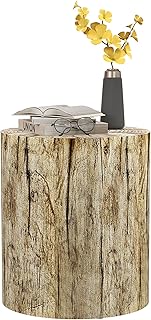


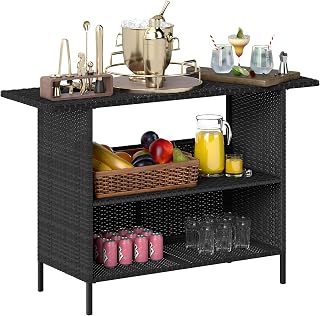


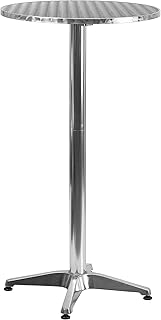

A luxury outdoor table should be evaluated as an investment in the overall function, comfort, and appearance of an outdoor living space—not simply as a larger or more expensive patio table. Canadian buyers have to consider additional factors such as freeze-thaw cycles, snow, moisture, strong sunlight, seasonal storage, and the practical realities of maintaining outdoor furniture through changing weather.
When comparing luxury outdoor tables in 2026, look beyond photographs and headline dimensions. Construction quality, tabletop material, frame design, hardware, drainage, UV resistance, maintenance requirements, seating capacity, and winter-care instructions can have a greater effect on long-term satisfaction than decorative styling alone.
The term “luxury” can describe very different products. A premium-looking table may have an attractive finish while using construction methods intended primarily for occasional seasonal use. A genuinely high-quality outdoor table should instead combine thoughtful design with materials and construction appropriate for outdoor exposure.
Teak remains one of the most established choices for premium outdoor furniture because of its natural durability and distinctive appearance. Its dense structure and naturally occurring oils make it well suited to exterior applications when properly constructed and maintained.
Canadian buyers should distinguish between the wood itself and the quality of the furniture construction. A well-designed teak table can be an excellent choice, but joints, hardware, tabletop construction, and moisture management still matter.
Teak can retain a warmer wood appearance when maintained appropriately, while untreated outdoor exposure can gradually produce a weathered silver-grey appearance. Neither appearance is inherently a sign of poor quality. The important consideration is whether the care routine matches your preferred finish.
Powder-coated aluminum is a popular choice for contemporary luxury outdoor tables because it combines relatively low maintenance with resistance to moisture and rust. It can also provide substantial design flexibility, including slim frames and modern silhouettes.
Do not judge aluminum quality solely by appearance. Frame thickness, internal reinforcement, weld quality, powder-coat consistency, hardware, and overall weight distribution can influence stability and durability.
Stainless steel can create an exceptionally clean premium appearance and offers strong structural performance. It is particularly suitable for modern outdoor environments where a crisp architectural aesthetic is desired.
However, not all stainless steel installations face identical conditions. Coastal exposure, road salt, de-icing products, chlorinated environments, and accumulated grime can affect maintenance requirements. Buyers should follow the manufacturer's care guidance and avoid assuming that “stainless” means completely maintenance-free.
Metal tables can provide substantial visual weight and excellent stability, which can be useful on exposed patios or decks. The critical issue is corrosion protection. A properly protected and maintained steel frame is very different from an inadequately finished frame exposed to repeated moisture.
Check whether the product uses a suitable exterior coating, how exposed joints are protected, and whether damaged finish areas require prompt attention.
Porcelain and ceramic surfaces can provide an upscale stone-like appearance while offering useful resistance to everyday outdoor conditions. They are available in contemporary colours and patterns and can be easier to clean than some porous natural surfaces.
Pay particular attention to the tabletop's underlying structure. The surface material is only one component of the table, and edge construction, support, weight, and installation method can affect long-term performance.
Natural stone creates a distinctive luxury appearance and can give a dining or lounge area a substantial architectural character. Granite, marble, travertine, and other stones differ considerably in porosity, staining behaviour, hardness, and maintenance requirements.
A stone table should therefore be evaluated by the specific stone rather than by the generic label “natural stone.” Ask whether sealing is recommended, how frequently it may need to be repeated, and how the manufacturer advises dealing with winter conditions.
Glass can make an outdoor table appear lighter and visually open. Tempered glass is commonly used in outdoor furniture because it is engineered for greater resistance to thermal and mechanical stress than ordinary glass.
Even with tempered glass, inspect the supporting frame, edge protection, drainage, and instructions for handling extreme weather. A glass tabletop may also require more frequent cleaning because fingerprints, pollen, dust, and water marks can be conspicuous.
Rectangular tables are usually the most versatile choice for larger dining areas. Their geometry works well against architectural walls and can efficiently accommodate several chairs along the long sides.
Before purchasing, measure both the table footprint and the clearance required for chairs. A table that technically fits a patio can still make the area uncomfortable if there is insufficient room to pull chairs out and walk behind seated guests.
Round tables encourage conversation because everyone faces toward the centre. They can also work well in compact spaces because there are no corners projecting into circulation paths.
For larger round tables, verify that the central area remains accessible and that the tabletop is large enough for the number of place settings you intend to use.
Square designs suit symmetrical seating arrangements and can work particularly well in smaller dining zones. They are also useful when the surrounding furniture follows a geometric or contemporary design language.
Oval tables combine some of the seating efficiency of rectangular tables with softer edges. They can be especially attractive where you want a substantial dining surface without prominent corners.
Manufacturers' stated seating capacities should be treated as a starting point rather than a guarantee of comfort. Chair width, armrests, leg placement, tabletop supports, and the amount of elbow room required all affect practical capacity.
Overall length and width are only part of the measurement process. Before ordering, record the usable outdoor area and consider the complete footprint of the table and chairs.
Canadian weather makes seasonal care an important part of the buying decision. A table that performs well during summer may require substantially different care when temperatures fall below freezing.
Water can enter small gaps, joints, porous materials, or damaged finishes. Repeated freezing and thawing can place additional stress on materials and connections. Snow accumulation can also add weight, particularly to large horizontal surfaces.
For regions with significant winter conditions, review the manufacturer's specific recommendations before leaving an outdoor table exposed. Depending on the construction, appropriate care may involve a fitted cover, protected storage, removal of cushions or accessories, elevation from persistent moisture, or moving the table into sheltered storage.
Terms such as weather-resistant, weatherproof, all-weather, and outdoor-rated are not interchangeable guarantees of unlimited exposure. Always examine the detailed care instructions for the exact product and materials.
Canadian summers can still expose outdoor furniture to strong sunlight. Ultraviolet exposure can gradually change the colour and appearance of finishes, especially on painted, stained, synthetic, and composite materials.
If the table will remain in direct sun for most of the season, investigate UV-resistant finishes and the recommended care routine. A shaded location can reduce exposure, but it should not be treated as a substitute for an appropriately outdoor-rated construction.
Powder coating is widely used on outdoor metal furniture because it can create an attractive, durable exterior finish. However, the presence of powder coating alone does not tell you everything about the product's durability.
Hardware is easy to overlook when shopping from product photographs, yet it can have an important effect on long-term ownership. Screws, bolts, brackets, hinges, and other fastening components are exposed to the same environment as the table.
Look for hardware appropriate to outdoor use and pay attention to the manufacturer's cleaning instructions. Buyers in areas exposed to road salt or coastal air should be particularly attentive to corrosion considerations.
A lightweight table can be easier to move, but low weight can become a disadvantage in exposed locations. Wind can catch broad tabletops, move lightweight frames, or cause objects placed on the table to fall.
Consider the table's total weight, base design, leg geometry, surface area, and location. If the patio is exposed to strong winds, stability may be more important than choosing the lightest or most easily movable design.
Do not improvise permanent anchoring methods unless the manufacturer specifically permits them. Drilling or modifying a frame can compromise structural integrity, finishes, drainage, or warranty conditions.
An extendable table can be an efficient choice when everyday dining requirements differ from entertaining needs. The key is to examine the extension mechanism rather than focusing solely on maximum length.
A fixed table generally has fewer moving components and can provide a straightforward ownership experience. An extendable model provides greater flexibility but introduces mechanisms and additional joints that require inspection and care.
For buyers who regularly host guests, the flexibility of an extendable design may justify the additional complexity. For households that normally use the table with the same number of people, a fixed design may offer simpler long-term ownership.
Modern outdoor tables often use clean lines, restrained colours, slim profiles, and materials such as powder-coated aluminum, stainless steel, glass, or porcelain. They pair naturally with contemporary architecture and minimalist outdoor seating.
Wooden tabletops, substantial legs, warm neutral tones, and straightforward detailing can create a more relaxed luxury appearance. Teak and other suitable outdoor woods are common choices for this design direction.
Resort-inspired outdoor spaces often combine generous tabletops with coordinated dining chairs, loungers, umbrellas, and outdoor lighting. Material consistency is particularly important because a luxury appearance depends on the complete setting rather than the table alone.
Traditional tables may feature curved details, decorative legs, darker finishes, or more formal proportions. When selecting these designs, balance decorative complexity with the maintenance demands created by additional joints, grooves, and detailed surfaces.
Do not compare outdoor tables solely by size. Dining tables are designed around standard dining-chair ergonomics, while conversation-height tables are intended for more relaxed seating arrangements.
A conversation table can work well with lounge chairs but may feel uncomfortable when paired with conventional dining chairs. Similarly, a dining-height table may not integrate properly with low lounge furniture.
For a luxury outdoor lounge, a large dining table is not always necessary. Coffee tables and side tables can provide practical surfaces for drinks, books, serving items, and decorative objects while preserving more open floor space.
When comparing smaller tables, consider edge design and stability carefully. Low tables are often placed near seating and should not create sharp or awkward obstacles in circulation areas.
The table and chairs should be evaluated as a system. A visually impressive table can become uncomfortable if its apron, legs, or height conflict with the chairs.
Not every premium feature provides equal value. Prioritize features that improve durability, comfort, maintenance, or everyday usability.
A higher price does not automatically mean better performance. Decorative details that have little effect on structural quality or usability may not justify a premium for every buyer.
Likewise, extremely heavy construction is not necessarily superior if you frequently rearrange the patio. The best choice depends on how the table will actually be used, stored, cleaned, and exposed to weather.
Product photographs can hide frame construction, underside supports, hardware, drainage, and tabletop thickness. Review specifications and assembly information before deciding.
Measure the entire dining zone, including chair movement and walking paths. A table should leave enough circulation space for normal use.
Natural materials can develop attractive character but may require more care than powder-coated metal. Make the maintenance routine part of the purchasing decision.
Outdoor-rated furniture still benefits from appropriate seasonal care. Read the product's instructions before deciding whether it should remain outdoors during winter.
A large tabletop can look impressive in isolation but overwhelm a smaller patio. Scale is especially important in luxury design because visual balance is part of the overall result.
Before purchasing through a retailer, verify package dimensions, assembly requirements, access restrictions, and whether the table can be moved through doors, elevators, stairways, gates, or narrow passages.
A structured comparison is more useful than relying on star ratings alone. Create a shortlist and compare each candidate against the same criteria.
Customer reviews can be useful, but the most informative reviews are usually those that discuss specific ownership details rather than simply stating that a table is attractive.
Look for recurring comments concerning stability, assembly, finish quality, dimensions, weather exposure, packaging, tabletop alignment, and ease of maintenance. Pay attention to reviews from customers whose climate, patio conditions, and intended use are similar to yours.
Also distinguish between comments about the product itself and comments about delivery or retailer service. These are separate considerations and should not automatically be treated as evidence of the table's construction quality.
When several tables look similar, specifications can reveal important differences. Look beyond broad descriptions such as “premium,” “durable,” or “all-weather.” Identify the specific material, construction method, finish, dimensions, weight, and care instructions.
If a listing omits an important specification, do not automatically assume the product has a particular feature. Treat missing information as something to verify before purchase.
Brand familiarity can provide a useful starting point for research, but brand name alone should never replace product-level evaluation. Depending on the design and material you want, buyers may encounter established outdoor-furniture names such as Brown Jordan, Gloster, Kingsley Bate, POLYWOOD, Tropitone, Fermob, Sunvilla, and Article.
Availability, product ranges, specifications, retailer relationships, and seasonal inventory can change in Canada. Always evaluate the exact model rather than assuming that every product from a particular brand has the same construction or weather-care requirements.
Condo and balcony buyers should prioritize footprint, weight, access, and building restrictions. A compact balcony may benefit from a round or small square table, while narrow rectangular designs can work effectively along a wall.
Check condominium rules before purchasing heavy furniture or installing anything that requires permanent attachment. Wind exposure is another major consideration on elevated balconies, where lightweight furniture may behave differently from furniture positioned at ground level.
Large patios provide more flexibility, but they also create a temptation to oversize the furniture. A substantial table should be proportionate to the surrounding architecture and other furnishings.
For large entertaining areas, consider how the dining table relates to outdoor kitchens, grills, lounge seating, umbrellas, fire features, and walkways. A coordinated layout generally feels more luxurious than simply filling the space with oversized furniture.
Placement can influence both comfort and furniture longevity. Direct sunlight can increase surface temperatures and accelerate some forms of finish degradation, while trees can introduce pollen, sap, leaves, and bird droppings.
An umbrella, pergola, covered patio, or other suitable shade structure can improve usability, although shade does not eliminate the need for appropriate outdoor materials and maintenance.
Use the cleaning products and techniques recommended for the specific wood. Avoid assuming that an aggressive household cleaner is suitable for exterior furniture. Decide in advance whether you prefer the original colour or a naturally weathered appearance, because that choice can affect the maintenance routine.
Regular gentle cleaning can help remove dirt and contaminants before they accumulate. Inspect chips and scratches so that damaged areas can be addressed according to the manufacturer's instructions.
Clean regularly and pay particular attention to environments with salt, chlorine, or other contaminants. Use only products appropriate for the specific stainless-steel finish.
Follow the manufacturer's guidance for sealing, cleaning, and stain removal. Porous stones may require more care than dense, less absorbent surfaces.
These surfaces can generally be maintained with suitable non-abrasive cleaning methods. Check the manufacturer's recommendations before using abrasive pads or strong chemicals.
A cover can help reduce exposure to dirt, leaves, bird droppings, and precipitation, but the correct cover must suit the furniture. A poorly ventilated cover can trap moisture, and an improperly fitted cover can move in wind and potentially rub against the finish.
Follow the table manufacturer's instructions and choose a cover designed for the dimensions and shape of the table. Avoid assuming that covering furniture means it can safely remain outdoors through every Canadian weather condition.
The appropriate winter strategy depends on the material, construction, local climate, available storage, and manufacturer's instructions. In areas experiencing prolonged snow and freezing conditions, protected storage may be preferable where practical.
If indoor storage is not possible, use the manufacturer's recommended winterization procedure. Remove accessories, keep drainage paths clear, and inspect the furniture when the season changes.
Weight has both advantages and disadvantages. A heavier table can feel more stable, but it can also be difficult to move, store, or reposition. A lightweight aluminum table may be convenient for seasonal rearrangement but require a more sheltered location if wind is a concern.
Choose weight according to your environment and routine rather than assuming that heavier always means better.
Longevity is an important part of sustainable furniture purchasing. A table that remains functional for many seasons can be preferable to repeatedly replacing inexpensive furniture.
When sustainability is important to you, examine the material source information, expected service life, repairability, replaceable components, recyclability where applicable, and the manufacturer's published environmental information. Avoid relying on vague environmental claims without supporting product information.
The table should establish the proportions of the dining area, with chairs selected for compatible height and scale. From there, consider shade, lighting, serving surfaces, planters, rugs intended for outdoor use, and storage.
There is no single best material for every Canadian buyer. Teak is attractive for buyers who value natural wood and are comfortable with its care requirements, while powder-coated aluminum can be appealing for lower-maintenance contemporary spaces. Stone, porcelain, stainless steel, and other materials can also be excellent choices when their specific weather and maintenance requirements match the installation environment.
No. Price can reflect materials, design, construction, finish, brand positioning, or other factors. Compare the actual construction, material specifications, hardware, maintenance requirements, and expected use rather than using price as a durability guarantee.
That depends on the exact table and your local conditions. Some outdoor furniture is designed to tolerate winter exposure when properly cared for, while other products should be stored or protected. Always follow the manufacturer's specific winter-care instructions.
Neither is universally better. Teak offers natural wood character and can age attractively, while aluminum generally offers a different combination of weight, corrosion resistance, finish options, and maintenance requirements. Your preferred appearance, climate, storage situation, and maintenance tolerance should determine the choice.
Start with the manufacturer's recommended seating capacity, then verify the actual tabletop dimensions and the width of your chairs. Six people may fit at several different table sizes, but comfort depends on individual place-setting space, chair dimensions, leg placement, and available clearance around the table.
Round and compact square tables can be particularly efficient in smaller areas because they can simplify circulation. A narrow rectangular table may be preferable when the available space is long and confined.
An extendable table is worth considering if you regularly need different seating capacities. If the table will almost always be used by the same number of people, a fixed design may offer a simpler ownership experience.
Use the winterization method specified by the manufacturer. Depending on the product, this can involve sheltered storage, a suitable breathable cover, removing accessories, clearing accumulated snow, and preventing persistent moisture around joints and surfaces.
Look for a stable geometry, appropriate material thickness, sound joints, suitable outdoor hardware, corrosion protection, effective drainage, and a finish designed for exterior exposure. These details are generally more meaningful than decorative styling alone.
Look for explicit outdoor-use specifications and detailed care instructions rather than relying on broad marketing language. Pay particular attention to winter storage, freezing temperatures, snow, moisture, UV exposure, and corrosion guidance.
The strongest luxury outdoor table choice is the one that fits your space, climate, seating requirements, design preferences, and willingness to maintain it. For Canadian buyers, weather exposure deserves the same attention as appearance because seasonal conditions can influence how materials, finishes, hardware, and joints perform over time.
Before purchasing, narrow the field to tables with suitable dimensions and materials, then compare construction details, maintenance instructions, customer feedback, and retailer information. Check the exact model specifications rather than relying on a brand reputation or attractive product photography.
Whether your priority is a sophisticated teak dining table, a minimalist powder-coated aluminum design, a substantial stone-topped centrepiece, or a flexible extendable model, a careful comparison can help you select a table that looks appropriate for a luxury outdoor setting while remaining practical for everyday Canadian living.