

♥ Wishlist
Compare 56 verified Outdoor Privacy Screens for Comfortable, Private Outdoor Spaces products in Canada. Reviews, ratings, pros, cons and buying advice updated for October 2026.


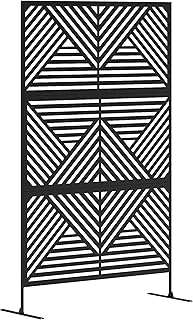
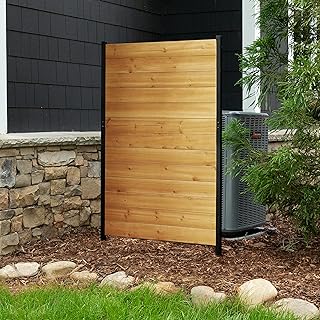


Outdoor privacy screens have become an important part of creating a comfortable, polished patio, balcony, terrace, poolside area, or backyard entertaining space. The right screen can define an outdoor room, reduce visual exposure from neighbouring properties, create a more sheltered seating area, and improve the overall appearance of an outdoor furniture arrangement.
For Canadian buyers, however, appearance should not be the only consideration. Seasonal temperature changes, snow, wind, rain, UV exposure, humidity, and the practical requirements of installation can affect which privacy-screen design makes sense for a particular property. A screen that looks excellent in a product photograph may not be the right choice for an exposed deck or a windy rooftop terrace.
This 2026 buying guide focuses on the characteristics that matter when comparing luxury outdoor privacy screens and protection solutions in Canada. Rather than treating every decorative panel as equivalent, evaluate the frame, infill material, dimensions, mounting method, wind exposure, maintenance requirements, portability, storage needs, and compatibility with the rest of your outdoor furniture.
A premium-looking privacy screen is not necessarily the most expensive model. The visual impression usually comes from proportions, material consistency, finish quality, structural details, and how well the screen integrates with the surrounding furniture.
The material determines much more than appearance. It influences weight, maintenance, durability, installation, wind behaviour, resistance to moisture, and the amount of privacy a panel provides.
Aluminum is a popular choice for contemporary outdoor spaces because it can provide a clean architectural appearance without the weight associated with many steel constructions. Powder-coated aluminum can also offer a practical finish for exterior applications.
When comparing aluminum models, examine the frame construction, panel thickness where disclosed, finish specifications, connection hardware, base design, and manufacturer's instructions for outdoor use. A decorative aluminum panel is not automatically suitable for every wind-exposed location.
Steel can provide substantial rigidity and a strong architectural presence. It may be attractive where the privacy screen needs to coordinate with modern metal furniture or other structural outdoor elements.
The important comparison is not simply steel versus aluminum. Look at corrosion protection, finish, fasteners, frame design, total weight, and whether the manufacturer specifies suitable exterior conditions.
Wood-plastic composite and similar engineered materials can offer a wood-inspired appearance while reducing some of the routine maintenance associated with natural timber. These materials are particularly useful for buyers who want a contemporary slatted or wood-look design.
Colour variation, thermal movement, expansion requirements, panel construction, and support requirements should be considered before installation. Composite materials can behave differently from natural wood as temperatures change.
Wood remains one of the strongest choices for a warm, traditional, or resort-inspired outdoor aesthetic. Cedar and other exterior-suitable woods can complement wooden decks, pergolas, garden structures, and natural landscaping.
The trade-off is maintenance. Depending on the wood and finish, buyers may need to accept colour changes, cleaning, sealing, staining, or refinishing over time. In Canada's climate, moisture management and proper installation are especially important.
Fabric screens are useful when flexibility, portability, or temporary privacy is more important than a permanent architectural installation. They can work well around seating areas and can sometimes be removed for storage during harsh weather.
Compare fabric weight, UV resistance, attachment points, cleaning instructions, water behaviour, and resistance to wind. A lightweight textile solution should not be treated as equivalent to a rigid privacy wall.
Synthetic decorative panels can provide intricate patterns and relatively simple maintenance. They may be particularly appealing when the objective is to create a visual feature rather than complete privacy.
Before choosing one, determine whether the panel is intended primarily for decoration, partial screening, or genuine privacy. Pattern openness can significantly change how much of the surrounding area remains visible.
One of the most common buying mistakes is choosing a screen based on appearance without checking its actual privacy performance.
Slatted screens deserve particular attention. A narrow slat pattern can look highly sophisticated while still allowing angled views through the gaps. Consider privacy from the actual viewing positions rather than judging the panel from a straight-on product photograph.
The ideal height depends on what you are trying to hide and where the viewer is standing. A low screen may be enough to separate two lounge chairs, whereas a taller structure may be required to interrupt sightlines from a neighbouring deck.
Measure the relevant sightline before buying. Stand or sit in the area where privacy is needed and identify the approximate height and width of the obstruction required. Also consider whether the screen will be positioned on a raised deck, balcony, patio, or ground-level surface.
Do not assume that a taller screen is automatically better. Increasing height increases visual mass and can also increase the force exerted by wind on the structure. The mounting system therefore becomes increasingly important as the panel becomes larger.
Some privacy screens are designed as individual panels, while others can be combined into larger configurations. Modular systems can be particularly useful when the required privacy area is not a standard size.
Freestanding designs are attractive for renters, flexible entertaining areas, and patios where permanent attachment is undesirable. They can also make it easier to change the outdoor layout.
The critical question is stability. A freestanding panel has to resist tipping, especially when exposed to wind. Examine the footprint, base weight, support arrangement, and manufacturer's installation requirements rather than assuming that a visually substantial panel is inherently stable.
Post-mounted systems can provide a more integrated appearance and may be appropriate for long-term installations. They generally require more planning because the posts must be installed securely and positioned accurately.
Wall-mounted panels can work well when an existing exterior wall provides a suitable structural attachment point. Confirm that the mounting hardware is appropriate for the wall construction and that the installation will not compromise exterior finishes or waterproofing.
Deck installations require particular attention to the deck structure. The visible decking surface is not necessarily sufficient to support a large privacy wall. Fastening must be compatible with the underlying framing and the structural loads involved.
A privacy screen effectively presents a surface to moving air. The larger and less open the panel, the more important wind exposure becomes.
Before buying a large outdoor privacy screen, consider whether the installation is in a sheltered courtyard, against a building, on an open suburban deck, beside a lake, on an exposed rooftop, or in another location where wind can be significant.
Outdoor privacy screens in Canada can face substantially different conditions depending on the region. A product used on a sheltered Vancouver-area patio may experience a different combination of moisture and temperature exposure than one installed in a prairie backyard or an exposed Atlantic coastal location.
Before purchasing, determine whether the product is intended for year-round exterior exposure or whether seasonal removal is recommended. Product instructions should take priority over assumptions based on the material alone.
Snow accumulation can add weight to horizontal surfaces and may affect components that were not designed for sustained loading. Where the manufacturer recommends seasonal storage or removal, follow those instructions.
Repeated freezing and thawing can affect outdoor materials, fasteners, foundations, and mounting points. Water that enters cracks or joints can behave differently as temperatures change.
Exterior products need appropriate drainage and moisture management. Pay attention to areas where water can remain trapped around frames, bases, joints, and fasteners.
Direct sunlight can gradually affect finishes, fabrics, plastics, coatings, and some composite materials. If the screen will remain in full sun throughout the day, compare the manufacturer's information regarding UV suitability and care.
A luxury outdoor space usually looks more cohesive when the privacy screen is selected as part of the complete furniture scheme rather than as an isolated purchase.
Brands such as Yardistry, Veradek, SunVilla, and Toja Grid can be useful names to include in a broader comparison of outdoor structures, furnishings, privacy solutions, and complementary accessories. Brand familiarity should not replace checking the specifications of the exact model under consideration.
Balcony buyers should prioritize dimensions, attachment restrictions, weight, wind exposure, and building or condominium rules. A freestanding screen that works in a backyard may be inappropriate on an elevated balcony.
Before purchasing, verify whether the property permits exterior screening and whether there are restrictions on drilling, railing attachments, colours, dimensions, or combustible materials.
For compact patios, look for screens with a visually open design or a relatively slim profile. Excessively solid panels can make a small space feel enclosed.
Multifunctional layouts can be effective: a screen can separate a dining area from a lounge while simultaneously creating a backdrop for planters or outdoor lighting.
Larger properties provide more freedom to create dedicated outdoor rooms. Consider using screening to define a dining zone, conversation area, hot tub area, poolside lounge, outdoor kitchen, or quiet retreat.
Poolside screens need to be considered in relation to moisture, cleaning chemicals, splashing water, drainage, and local safety requirements. A privacy product should not obstruct access routes or create an unsafe layout around a pool.
Screening can improve the sense of enclosure around an outdoor dining space, but keep ventilation, appliance clearances, heat sources, and manufacturer's safety requirements in mind. Privacy screening should never be positioned where it interferes with the safe operation of grills, heaters, or other outdoor appliances.
A privacy screen and a pergola solve different problems. A screen primarily addresses horizontal sightlines, whereas a pergola provides an overhead architectural element and can help define an outdoor room.
Outdoor curtains provide a softer, more flexible appearance and can be opened or closed according to the desired level of privacy. Rigid screens generally provide a stronger architectural effect and do not depend on fabric movement.
Curtains may be preferable for temporary privacy and visual softness, while rigid panels can be more appropriate when the objective is permanent spatial definition. Wind conditions should be considered carefully with any textile solution.
Plants can provide excellent long-term screening and soften hard architectural lines, but they require time and maintenance. A privacy screen provides immediate spatial definition without waiting for vegetation to mature.
For a more natural appearance, a screen can be combined with appropriately selected planters. However, plant containers add considerable weight, particularly when saturated with water, so the supporting structure must be suitable for the combined load.
Product specifications can be more useful than marketing descriptions when comparing similar-looking models. Start with dimensions and construction, then examine installation requirements and intended use.
Do not assume that a product described as outdoor automatically means it is suitable for permanent exposure in every Canadian climate. Look for specific information about exterior use, maintenance, storage, weather exposure, and installation.
When specifications are incomplete, treat the missing information as a reason to investigate further rather than filling the gap with assumptions.
Slatted screens are particularly difficult to judge from photographs because perspective changes their apparent openness. A screen that looks almost solid from directly in front may offer substantially more visibility from an angle.
Think about privacy from three positions: sitting, standing, and from the neighbouring property. Also consider whether nearby windows are higher than the screen. A panel can block eye-level views from a patio while doing little to block views from an elevated second-storey window.
A beautiful panel can still be unsuitable if its dimensions, mounting system, privacy level, or weather requirements do not match the installation site.
The base is part of the privacy screen system. For a freestanding design, examine the entire support arrangement rather than concentrating on the decorative panel.
Weight alone does not determine wind performance. Panel area, geometry, base width, anchoring, connections, and installation surface all matter.
A screen that covers only part of the relevant sightline can provide disappointing privacy. Measure the complete area before selecting a panel.
Open patterns and slats may allow significant visibility from the side. Assess privacy from the directions that matter at your property.
A low-maintenance material can be worthwhile if you want minimal seasonal work. Conversely, natural wood may be an excellent choice when you value its appearance and are prepared for ongoing care.
Balconies, condominiums, rental properties, and shared developments can have restrictions that affect what can be installed. Confirm applicable rules before purchasing.
When evaluating a shortlist of ten products, use the same criteria for every model. This prevents attractive photography or brand recognition from disproportionately influencing the decision.
Prioritize clean geometry, restrained colours, architectural materials, and a rigid construction that complements contemporary furniture.
Wood or wood-look materials can integrate naturally with landscaping, timber structures, and classic outdoor furniture.
A portable or modular system can be useful when the outdoor arrangement changes frequently.
Look for a relatively dense panel with appropriate height and width, while paying close attention to anchoring and wind exposure.
Focus on materials and finishes that require limited refinishing and have straightforward exterior cleaning requirements.
Prioritize compact dimensions, visual openness, manageable weight, and installation methods permitted by the building.
Regular maintenance can preserve both appearance and functionality. The appropriate routine depends on the material and manufacturer's instructions.
Inspect for scratches, damaged finishes, corrosion around hardware, loose connections, and accumulated dirt. Clean using methods appropriate for the specific finish rather than assuming that an aggressive household cleaner is safe.
Inspect for moisture-related deterioration, surface cracking, loose fasteners, and changes in the protective finish. If the product requires sealing or staining, follow the recommended maintenance interval and preparation process.
Remove dirt and organic debris regularly, particularly around joints and lower sections. Check for movement, cracks, discolouration, or other changes after severe weather.
Follow the manufacturer's washing and drying instructions. Allow fabric to dry appropriately before long-term storage to reduce the risk of persistent moisture problems.
Not every outdoor privacy screen should remain outside through winter. Portable systems may benefit from seasonal storage where the manufacturer recommends it, particularly in areas exposed to heavy snow, freezing conditions, or severe wind.
A privacy screen works best when it is part of a complete layout. Start by defining the activity: dining, conversation, reading, entertaining, relaxing, or poolside use. Then position furniture around the desired focal point and use screening to control unwanted sightlines.
Outdoor rugs, planters, lighting, cushions, and coordinated furniture can help turn a simple screened area into a defined outdoor room. Keep circulation paths clear and avoid allowing decorative accessories to interfere with doors, drainage, cooking equipment, or emergency access.
Neutral finishes generally provide the greatest flexibility because they can work with multiple furniture colours and landscaping styles. Black, charcoal, grey, natural wood tones, and muted earthy finishes are commonly considered when designing contemporary outdoor spaces, but the best choice depends on the existing architecture.
When comparing colours, consider how the finish will look in both direct sunlight and shade. Dark surfaces can create a strong architectural contrast, while lighter finishes may visually recede in some settings.
Customer reviews can provide useful information, but they should be interpreted alongside specifications. Look for repeated observations rather than relying on a single exceptionally positive or negative comment.
Reviews are especially useful for identifying practical issues that may not be obvious from product photographs, such as assembly complexity, packaging damage, unclear instructions, missing hardware, unexpected dimensions, or stability concerns.
At the same time, distinguish between an issue with the product and an issue caused by unsuitable installation. A privacy screen used outside its stated application can produce poor results even when the product itself meets its specifications.
No. The appropriate choice depends on the property and intended use. Freestanding and portable solutions can be useful where flexibility is more important than permanent construction.
Do not assume that every screen is waterproof simply because it is marketed for outdoor use. Check the manufacturer's material and weather-exposure information for the exact product.
Some products may be appropriate, but balcony installation requires special attention to weight, wind exposure, attachment methods, and building rules. Verify all relevant restrictions before installation.
Not universally. Solid panels generally provide more visual obstruction, while slatted designs can allow light and airflow and create a more open architectural appearance. The best choice depends on the privacy objective and installation conditions.
Maintenance varies by product, finish, climate, and exposure. Synthetic and finished metal products may require less routine refinishing than natural wood, but the manufacturer's care instructions should always be used as the primary reference.
Some can, while others are intended to be removed or stored seasonally. Check the exact product instructions rather than assuming that all outdoor-rated products are designed for permanent four-season exposure.
It does not have to match exactly. Coordinating materials, colours, proportions, or design language can create a more sophisticated result without making every component identical.
Consider partial screening, slatted designs, strategic placement, and plant integration. Screening only the sightlines that matter can preserve openness while still creating a private seating zone.
The best luxury outdoor privacy screen is the one that balances privacy, construction, aesthetics, installation, climate suitability, and long-term maintenance for the specific Canadian property. There is no single design that is automatically best for every patio, balcony, deck, garden, or terrace.
For a confident purchase, compare the exact dimensions and materials first, then investigate installation requirements and weather suitability. After that, consider visual design, maintenance, portability, customer feedback, and overall value. A recognized brand such as Yardistry, Veradek, SunVilla, or Toja Grid can provide a useful starting point for comparison, but the specifications of the individual product should remain the deciding factor.
Before ordering, recheck the latest product specifications, current customer feedback, retailer information, installation instructions, and today's price. Product configurations and availability can change during 2026, so the exact model number and current specifications matter more than a generic product description.