

♥ Wishlist
Compare 59 verified Shop Sofas in Canada for Comfortable, Stylish Living Spaces products in Canada. Reviews, ratings, pros, cons and buying advice updated for October 2026.


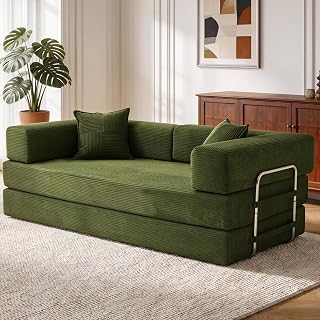


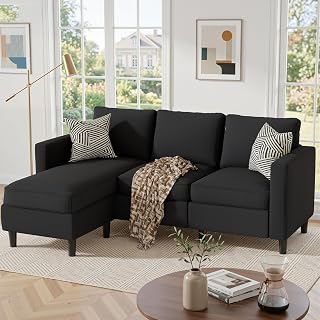


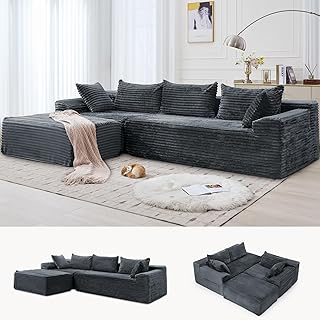


A luxury sofa is a substantial furniture purchase, so appearance should be only one part of the decision. The right model needs to suit the dimensions of your room, the way your household uses the seating, the Canadian climate and heating environment, and the level of maintenance you are prepared to provide. A sofa that looks exceptional in a product photograph may not be the best choice for a compact condominium, a busy family room, or a home where pets regularly use the furniture.
When comparing luxury sofas in Canada, consider the frame, suspension, cushioning, upholstery, dimensions, construction details, comfort profile and long-term practicality together. Product specifications and customer feedback can help narrow the options, but measurements and material information deserve particular attention before purchasing.
The term luxury sofa can describe very different products. A high price alone does not establish quality. A well-made sofa generally combines thoughtful proportions, durable construction, quality upholstery and cushioning, careful finishing and a design that remains appropriate for the room over time.
Leather is a traditional choice for premium seating because it can develop character with age and is relatively straightforward to wipe clean compared with many absorbent textiles. Full-grain and top-grain leather should not be treated as interchangeable terms, however. Ask for the precise leather specification rather than relying solely on descriptions such as premium leather or genuine leather.
Leather can also vary in finish, thickness, softness, pigmentation and surface treatment. Families should consider whether the intended finish is compatible with everyday use. Natural leather may develop visible variation, marks and patina, which can be desirable for some interiors but unsuitable for buyers seeking a perfectly uniform appearance.
Performance upholstery can be an attractive option for Canadian households that prioritise everyday practicality. Depending on the specific fabric, treatments and construction, performance textiles may offer improved resistance to staining or easier maintenance than delicate decorative fabrics. Do not assume that every fabric marketed as performance fabric has the same characteristics. Check the manufacturer's stated cleaning instructions and durability information for the exact upholstery.
Linen can provide a relaxed, sophisticated appearance with visible texture and a naturally casual character. It may crease or develop a lived-in appearance, which is part of its appeal. Buyers seeking a highly structured, pristine look may prefer a different upholstery specification or a tightly woven blend.
Velvet creates a distinctive visual effect and can make a sofa a focal point in a living room. Its pile can reflect light differently depending on the direction of the fibres, producing changes in apparent colour and texture. Because velvet requires more consideration during cleaning and everyday handling, it is worth reviewing the care instructions before selecting it for a heavily used family sofa.
The frame is largely hidden once a sofa is upholstered, but it is one of the most important components to investigate. Hardwood, engineered wood and mixed-material construction can all be used successfully when properly designed and manufactured. Instead of assuming that one material automatically guarantees superior performance, look for detailed construction information.
A particularly attractive sofa can become frustrating if its frame, modules or access requirements are poorly suited to the home. Construction quality therefore needs to be evaluated alongside delivery and installation considerations.
Two sofas with similar dimensions can feel completely different because their suspension systems and cushion construction differ. Common approaches include sinuous springs, coil systems and elastic or webbed support. There is no single suspension system that is automatically ideal for every buyer.
When specifications are available, compare the type of suspension with the intended use. A sofa used for occasional formal seating has different demands from one used every evening for television, reading and family gatherings. Pay attention to whether the manufacturer describes the support system clearly rather than relying on vague claims about comfort or durability.
Foam can provide a relatively consistent seating experience and is commonly used in contemporary sofas. Higher-quality foam construction can be engineered to balance support and comfort, although foam density and formulation matter more than the generic word foam.
Fibre cushions can feel softer and more relaxed. They may require regular plumping or reshaping to maintain their intended appearance, depending on their construction.
Down and feather blends can produce the soft, enveloping sensation associated with high-end upholstery. They generally require more maintenance than firmer foam cushions because compression and redistribution of the filling can alter the cushion's shape.
Many premium sofas use layered constructions combining foam with fibre, down or feather. These designs attempt to combine structural support with a softer surface feel. When comparing products, look beyond the label and investigate the actual filling composition and maintenance requirements.
One of the most common sofa-buying mistakes is measuring only the wall where the sofa will sit. A large luxury sofa must also fit through the route from the building entrance to the final room.
This is especially important for large sectionals, deep-seat designs and apartment furniture. A sofa that technically fits a living room can still be impractical if it cannot be manoeuvred through the entrance.
Seat depth is one of the most overlooked specifications in online furniture shopping. A deep sofa can be ideal for lounging, stretching out or adding decorative cushions behind the back. A shallower sofa may be more comfortable for upright sitting and conversation.
Seat height also matters. Lower contemporary sofas can create a relaxed, architectural appearance but may be less convenient for some users when standing up. Taller seating can feel more traditional and accessible. If possible, compare the stated seat dimensions with a sofa you already find comfortable.
Modern sofas often emphasise clean lines, restrained detailing and carefully balanced proportions. Neutral upholstery can make these designs easier to integrate with changing décor, while sculptural silhouettes can serve as a stronger focal point.
Sectionals provide generous seating and can define a large open-plan living area. Before selecting one, determine whether the chaise or corner orientation works with the room layout. Modular sectionals can provide additional flexibility when the configuration can be changed.
Deep buttoning, rolled arms and substantial upholstery give Chesterfield-inspired sofas a distinctive traditional appearance. They can work particularly well in classic, transitional and eclectic interiors.
Mid-century designs commonly combine relatively clean upholstery with visible legs and a more compact visual footprint. They can be useful where buyers want an elegant sofa without the heavy appearance of an oversized sectional.
Curved sofas can create a strong design statement and encourage a conversational seating arrangement. Their unusual geometry makes accurate room planning especially important, because conventional rectangular furniture measurements may not fully communicate the space they occupy.
Brand reputation can be useful when building a shortlist, but it should not replace product-level evaluation. Established furniture names such as EQ3, Gus* Modern, Article, Structube, Palliser, Natuzzi Editions and La-Z-Boy offer different approaches to design, construction and pricing. Premium international brands such as Roche Bobois, B&B Italia, Poltrona Frau, Minotti and Cassina occupy different segments of the luxury market.
When comparing brands, examine the exact model rather than assuming that every sofa from the same manufacturer has identical construction. Upholstery options, frame designs, cushion systems, manufacturing locations and warranty terms can differ substantially between collections.
A useful comparison should go beyond star ratings. Build a shortlist using measurable criteria so that a visually appealing product does not automatically win over a more suitable one.
The choice between leather and fabric is primarily a lifestyle decision rather than a simple quality ranking.
A premium sofa does not need to dominate a room. In a condominium or smaller living space, consider a visually lighter frame, moderate seat depth and narrower arms. Furniture with exposed legs can create more visible floor area, while modular designs may make moving and reconfiguring easier.
Before purchasing an oversized sofa for a compact room, use masking tape on the floor to mark its approximate footprint. This simple exercise can reveal whether walkways, coffee-table clearance and access to doors remain practical.
Large rooms can accommodate deeper seating and substantial sectionals, but simply choosing the largest available sofa is rarely the best design solution. Consider creating multiple functional zones. A sectional can anchor one area while accent chairs create an additional conversation space.
Pay attention to visual scale as well as physical dimensions. A large room may require a substantial sofa to avoid looking under-furnished, but the furniture should still leave sufficient circulation space.
Households with children or pets should place upholstery maintenance near the top of the comparison criteria. Look for clearly stated cleaning instructions, removable covers where offered, durable fabric specifications and cushion designs that can be maintained without excessive effort.
Do not assume that a darker colour automatically hides every mark or that a particular fabric is pet-proof. Scratching, claws, spills and repeated friction can affect upholstery differently. The appropriate choice depends on the specific material and the behaviour of the household.
Customer reviews are most useful when treated as a source of recurring observations rather than as a voting system. Look for comments that repeatedly mention the same characteristics across multiple reviews.
Recent reviews can be particularly useful for identifying changes to a product or collection, but they should still be evaluated in context. A single negative review does not necessarily establish a systemic problem, just as a single enthusiastic review does not establish exceptional long-term performance.
Furniture delivery deserves consideration before purchase, particularly for large luxury sofas. Policies can vary between retailers and products, so check the current terms for the exact item.
Follow the upholstery manufacturer's cleaning instructions rather than applying a generic household cleaner. Vacuuming can help remove loose dust and debris from many fabric sofas, while leather typically requires care products appropriate for its specific finish.
If the design permits it, rotating or repositioning cushions can help distribute normal wear. Loose fibre, feather and down cushions may need periodic plumping to restore their intended profile.
Strong direct sunlight can affect some upholstery colours and finishes over time. Positioning a luxury sofa away from prolonged direct exposure can help preserve its appearance. Avoid placing furniture unnecessarily close to heat sources and follow the manufacturer's care guidance.
Deal with spills according to the upholstery manufacturer's instructions. Avoid experimenting with aggressive solvents, bleach or unapproved cleaning products, since an attempt to remove a stain can cause more visible damage than the original spill.
The right balance depends on the sofa's role. A statement sofa in a formal living room may justify prioritising distinctive upholstery, sculptural proportions and decorative detailing. A sofa used every day by several people should generally put comfort, support, cleanability and durability higher on the list.
For a major furniture investment, consider whether you would still like the silhouette after several years. Neutral upholstery and timeless proportions can provide flexibility, while a distinctive colour or unusual shape can make a room more individual. Neither approach is universally better; the important consideration is whether it matches the intended lifespan and role of the furniture.
Before choosing a model, use this checklist to compare shortlisted sofas consistently:
The best luxury sofa is not necessarily the most expensive, largest or most visually dramatic model. It is the one whose construction, dimensions, comfort, upholstery and maintenance requirements align with the way the household actually uses its living space.
For a 2026 purchase, compare the exact specifications of several shortlisted models, verify measurements, read recent customer feedback and review the current retailer terms before committing. Brands such as EQ3, Palliser, Article, Natuzzi Editions, Roche Bobois, B&B Italia and other established manufacturers can provide useful starting points for research, but the final decision should be based on the individual sofa rather than brand name alone.
A durable frame, supportive suspension, appropriate cushion construction and practical upholstery are generally more important than a particular style. For everyday family use, prioritise materials and maintenance requirements that match the amount of wear the sofa will receive.
Neither is universally better. Leather can offer a wipeable surface and distinctive ageing characteristics, while fabric provides extensive choices in texture, colour and feel. The best option depends on maintenance preferences, household use and the specific upholstery construction.
No. Price can reflect design, materials, manufacturing, branding and other factors. Compare frame construction, suspension, cushion materials, upholstery and warranty terms rather than using price as the sole measure of quality.
There is no single measurement that matters most. Overall width, depth, height, seat height and seat depth all influence fit and comfort. Delivery-path measurements are equally important for large furniture.
A sectional is useful when you need generous seating or want to define a large living area. A standard sofa is usually more flexible when the room is smaller or the furniture arrangement may change frequently.
Maintenance depends on the filling and design. Some loose cushions benefit from frequent plumping or repositioning, while structured foam cushions may require less reshaping. Always follow the care instructions for the specific model.
Confirm the exact dimensions, upholstery specification, cushion construction, configuration, delivery requirements, entrance measurements, assembly arrangements, warranty conditions and current retailer policies. These details can prevent many avoidable purchasing problems.
Yes, provided the dimensions and delivery route are appropriate. Compact luxury sofas, modular designs and models with removable components can be particularly practical where elevators, narrow hallways or smaller living rooms create access limitations.
Compare the specifications that directly affect long-term ownership: frame construction, suspension, cushion filling, upholstery, seat dimensions, configuration, maintenance requirements and warranty coverage. Then use recent customer feedback to identify recurring real-world issues or strengths.
Colour matters because a sofa is visually dominant furniture, but it should follow the practical criteria rather than replace them. Consider lighting, existing flooring and furnishings, cleaning needs and whether you expect to keep the sofa for many years.