

♥ Wishlist
Compare 55 verified Dining Chairs for Stylish Canadian Dining Spaces products in Canada. Reviews, ratings, pros, cons and buying advice updated for October 2026.


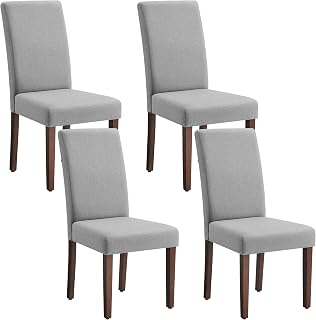


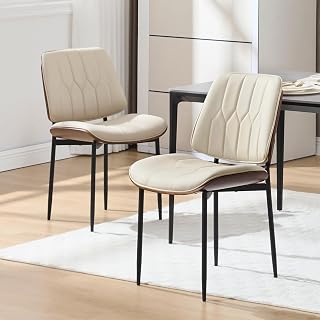


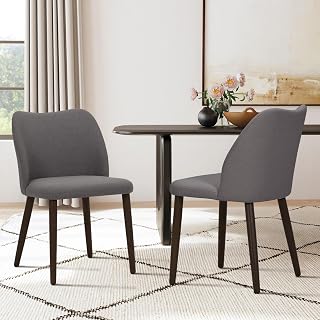


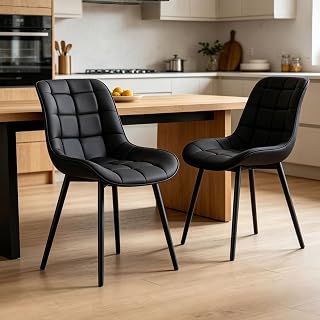


A luxury dining chair should do more than make a dining room look expensive. The right chair needs to provide dependable everyday comfort, appropriate support, durable construction, suitable proportions, and a finish that works with the rest of the room. In Canada, buyers should also consider the practical effects of seasonal humidity changes, heating systems, household use, delivery conditions, and the availability of replacement or care products.
This buying guide is designed for shoppers comparing premium and luxury dining chairs in 2026. Rather than judging a chair by appearance alone, compare its dimensions, frame construction, upholstery, cushioning, seat height, weight capacity where specified, cleaning requirements, and overall compatibility with your dining table.
Luxury is not determined by one material or decorative feature. A well-designed dining chair typically combines balanced proportions, carefully selected materials, quality detailing, and a construction method appropriate for its intended use.
Leather can provide a sophisticated appearance while being relatively straightforward to wipe clean. However, not all leather is identical. Buyers should check whether a listing specifies full-grain, top-grain, corrected-grain, split leather, bonded leather, or another construction.
Leather can also change character with use. Some finishes are designed to develop visible patina, while heavily treated surfaces are intended to retain a more uniform appearance. Ask what type of cleaning and conditioning the manufacturer recommends before choosing a leather dining chair.
Velvet is popular for glamorous dining interiors because its pile can create depth and subtle changes in colour as light moves across the fabric. It is particularly effective in jewel tones, neutral shades, and dark contemporary interiors.
Velvet requires more attention to cleaning and appearance than a hard surface. Before buying, check the manufacturer's cleaning instructions, fabric composition, stain resistance information where provided, and whether the upholstery can be professionally cleaned.
Performance-oriented upholstery can be a practical choice for households where dining chairs are exposed to frequent spills, children, pets, or intensive daily use. The term "performance fabric" covers many different materials, so it should not automatically be treated as a guarantee of stain-proof performance.
Look for specific information about cleaning codes, abrasion resistance, colourfastness, water or stain resistance, and the manufacturer's recommended care procedure.
Linen and linen-look fabrics create a softer, more relaxed luxury aesthetic. They work especially well in modern, transitional, Scandinavian-inspired, coastal, and contemporary dining rooms.
The trade-off is maintenance. Natural fibres may show wrinkles, texture variation, or staining more readily than some engineered upholstery fabrics. If the dining room receives heavy daily use, compare care requirements before prioritising appearance.
Wooden frames remain a classic choice for dining chairs. Oak, walnut, ash, rubberwood, beech, birch, and other species can have very different grain patterns, hardness characteristics, colours, and finishing properties.
Do not assume that every chair described as "wood" is constructed entirely from solid wood. A product may combine solid wood, plywood, MDF, veneer, engineered wood, or other components. The material description should be checked carefully.
Metal can be an excellent option for contemporary and modern luxury dining chairs. Powder-coated steel, stainless steel, brass-coloured finishes, and other decorative metal treatments can create very different visual effects.
Inspect how the metal connects to the seat and backrest, whether the finish is intended for indoor use, and whether protective feet are supplied to reduce the risk of scratching hard floors.
One of the most common buying mistakes is selecting chairs based solely on photographs. A chair can look perfect online and still be uncomfortable or incompatible with the dining table.
Seat height is one of the most important measurements. Compare the chair's floor-to-seat measurement with the height from the floor to the underside of your dining table. You need sufficient clearance for comfortable leg movement, particularly when selecting chairs with arms.
Seat height can also vary depending on whether the manufacturer measures the seat at its front edge, centre, or another reference point. Cushion compression can further change the effective sitting height.
A wider seat can improve comfort but reduces the number of chairs that fit around a table. This becomes especially important with armchairs, sculptural chairs, and chairs with thick side bolsters.
Deep seats can feel luxurious for larger users but may be less comfortable for shorter people because the backrest can sit too far away. If several people of different heights will use the chairs, a moderate seat depth can be a safer compromise.
Measure the complete height when checking whether chairs can be pushed underneath a table, stored near cabinetry, or positioned beneath a pendant light or other visual feature.
Dining chairs with arms require additional planning. Measure the distance between the floor and the bottom of the dining table apron or tabletop. The arms must be low enough to allow the chair to slide beneath the table if that is important to you.
Do not calculate seating capacity using the tabletop length alone. Allow room for elbows, clothing, armrests, and comfortable movement between adjacent diners. Wide luxury chairs can substantially reduce the number of seats that a table can accommodate comfortably.
Rectangular tables offer the greatest flexibility. Matching chairs at the long sides with complementary armchairs at the ends can create a formal dining arrangement, while identical side chairs can produce a cleaner contemporary look.
Round tables benefit from chairs with visually lighter profiles because every chair is visible from multiple angles. Curved backs, tapered legs, and compact silhouettes can work particularly well.
Square tables can accommodate symmetrical arrangements, but chair width needs careful consideration. Oversized armchairs can make the seating area feel crowded quickly.
Transparent tabletops expose more of the chair's structure, making leg design and upholstery especially important. Chairs with clean silhouettes can maintain the visual openness of a glass table.
Heavy stone tables can support visually substantial chairs, including upholstered armchairs and dark wood designs. To avoid making the room feel excessively heavy, consider contrasting the table with lighter upholstery or more open chair frames.
These chairs generally focus on clean geometry, comfortable padding, and restrained detailing. They are versatile for contemporary homes and can be dressed up with neutral, monochromatic, or contrasting upholstery.
Tapered wooden legs, curved backs, warm timber finishes, and relatively slim profiles are common characteristics. These designs can work with both vintage-inspired and modern interiors.
Bouclé upholstery is associated with soft texture and sculptural silhouettes. Its visual appeal makes it popular for modern luxury interiors, although the texture should be evaluated carefully for the household's cleaning and wear requirements.
Traditional dining chairs may feature turned legs, carved details, button tufting, nailhead accents, or richer wood finishes. Transitional designs reduce some of those decorative elements while retaining a more formal appearance.
Art Deco-inspired dining chairs often combine curved forms, velvet or leather upholstery, dark finishes, metallic accents, and geometric detailing. They can make a strong statement around a relatively simple dining table.
Minimalist chairs use restrained shapes and fewer decorative details. This style is useful when the dining table, lighting, artwork, or architectural features are intended to remain the main focal point.
Upholstered chairs generally provide greater cushioning and a more formal appearance. They can be particularly comfortable for long dinners, entertaining, and open-plan dining spaces where the chairs contribute significantly to the room's visual character.
Wood and hard-shell chairs are often easier to wipe down and can have a lighter visual footprint. The best choice depends on whether comfort, easy maintenance, appearance, or flexibility is the highest priority.
A beautiful exterior does not necessarily indicate a durable chair. Product descriptions should be examined for information about the internal frame and connection points.
The amount of padding is not a reliable indicator of comfort. A very soft chair can feel comfortable initially but may provide insufficient support during a long meal. Conversely, a firm cushion can provide better posture support for some users.
Where specifications are available, compare foam type, cushion construction, density information, suspension method, and whether the seat is fixed or removable. If the manufacturer does not disclose these details, avoid assuming premium specifications based solely on appearance.
Backrest design affects both comfort and visual style. A tall upholstered back can create a formal appearance and support the upper back, while a low curved back may provide a more relaxed contemporary look.
Consider where the chair contacts your back, how much lumbar support is provided, and whether the backrest allows natural movement. For a dining chair used for several hours at a time, these details can matter more than decorative stitching or metallic accents.
Canadian homes can experience substantial seasonal changes in indoor temperature and humidity. These conditions are particularly relevant to natural materials such as wood and leather.
Wood furniture can respond to environmental changes by expanding and contracting. Maintaining a reasonably stable indoor environment and following the manufacturer's care recommendations can help reduce avoidable material stress.
Leather may also respond to temperature, dryness, sunlight, and humidity. Keep upholstered furniture away from excessive direct heat and follow the manufacturer's cleaning and conditioning instructions rather than applying a generic furniture treatment.
A useful comparison should go beyond star ratings or attractive product photography. When evaluating a shortlist, use the same criteria for every chair.
Brand recognition can be useful when creating a shortlist, but it should not replace product-level evaluation. Different brands and collections can use different materials, construction methods, and quality levels.
Customer reviews can provide useful information that specifications cannot, but they need to be interpreted carefully. A high rating alone does not prove that a chair is the best choice for every household.
Look for recurring comments about assembly, stability, comfort over time, colour accuracy, dimensions, upholstery, packaging, and ease of cleaning. A single complaint may describe an isolated issue, while repeated comments about the same characteristic may deserve closer attention.
Pay particular attention to reviews that explain how the chair is being used. A chair purchased for occasional formal dining may perform differently from one used every day by a busy family.
A chair can be visually perfect and physically unsuitable. Always measure the dining table and available floor area before selecting a model.
The distance between the tabletop and lower structural components can be more important than tabletop height when choosing armchairs.
Oversized upholstered chairs can consume considerable visual and physical space. In compact dining areas, slimmer profiles may provide a more comfortable overall arrangement.
Price and durability are not interchangeable. Evaluate materials, construction, specifications, care requirements, and the intended level of use.
A delicate fabric may look exceptional in a showroom-style photograph but require more maintenance than a household is willing to provide.
Even chairs sold as dining sets can have dimensions that do not suit every table. Confirm the complete measurements before purchasing.
Hard floors can be vulnerable to scratches from chair movement. Check whether suitable floor glides are included and whether replacements are available.
The correct number depends on table size, chair width, dining habits, and available space rather than on a universal seating formula. Measure the usable table edge and compare it with the actual width of the chairs you are considering.
For everyday comfort, allow enough personal space that diners do not constantly touch adjacent chairs. If the dining room is also used for entertaining, you may prefer a combination of regular side chairs and armchairs that can be moved to other areas when additional seating is required.
Small rooms benefit from chairs that are comfortable without being visually bulky. Consider open backs, tapered legs, narrower seat widths, armless designs, and lighter colours when they suit the interior.
Another useful approach is to use statement chairs only at the ends of a table and simpler side chairs along the longer edges. This can introduce a luxury focal point without filling the entire room with oversized furniture.
Larger rooms can accommodate wider seats, substantial upholstered backs, armchairs, and more dramatic silhouettes. However, filling a large dining room with oversized chairs does not automatically create a more luxurious result.
Leave enough space for chairs to be pulled out comfortably and for people to walk behind seated diners. The relationship between table, chairs, lighting, rug, and surrounding furniture should feel deliberate rather than crowded.
Neutral colours such as cream, beige, taupe, grey, brown, and black are versatile and can make expensive furniture easier to integrate into changing interiors. Dark upholstery can create a formal appearance, while lighter upholstery can make a room feel more open.
For a stronger statement, consider deep green, navy, burgundy, rust, or other saturated shades. Before choosing a colour, consider natural daylight, artificial lighting, wall colours, flooring, and the finish of the dining table.
Matching every chair is not the only way to create a sophisticated dining room. A coordinated mix can work when there is a clear relationship between the chairs.
Luxury furniture should still be evaluated as everyday functional equipment. Before purchasing, check the available safety and construction information.
Some premium-looking dining chairs arrive fully assembled, while others require installation of legs, backs, arms, or other components. Assembly quality can influence stability, so follow the supplied instructions precisely.
After assembly, check that all fasteners are correctly tightened and that the chair sits evenly. Do not continue using a chair that develops unusual movement, looseness, cracking, or structural instability.
The lowest purchase price is not necessarily the best value, and a premium price does not automatically represent better construction. Evaluate the complete ownership proposition.
Product pages can change, particularly for furniture collections. Before completing a purchase, verify the current listing rather than relying on an old specification or saved product description.
When comparing chairs through Amazon or another marketplace, treat the individual product listing as the source for current commercial details. Seller, colour, size, package quantity, availability, and price can vary.
Check the product title, specifications, description, customer review patterns, product photographs, package dimensions, and seller information before making a decision. For furniture, also pay attention to whether the displayed listing represents a single chair or a complete set.
When a more expensive chair offers measurable improvements, the additional cost can be easier to justify. Prioritise functional improvements rather than decorative features alone.
Some features are primarily decorative. Carved details, metallic accents, unusual silhouettes, very thick padding, and designer-inspired styling can increase visual appeal without necessarily improving durability or comfort.
Before paying more, ask whether the feature solves a real problem or simply changes the appearance. For everyday dining, structural quality and comfort are usually more consequential than ornamental complexity.
Dining chairs should be considered part of a larger composition. A high-quality chair can look out of place if its proportions or finish conflict with the table.
For a cohesive room, coordinate at least two or three visual elements. For example, a walnut chair frame can echo walnut cabinetry, while brass details can complement lighting or hardware. Upholstery can either match the room's dominant palette or provide a deliberate contrasting accent.
Avoid trying to match every material exactly. A luxury interior often looks more sophisticated when complementary textures and finishes are used rather than creating a perfectly uniform furniture set.
There is no single best chair for every Canadian household. The right choice depends on dining-table dimensions, preferred design, upholstery, comfort requirements, maintenance expectations, room size, and budget. Compare the specifications of shortlisted chairs rather than choosing solely from ratings or appearance.
They can be worthwhile when the additional cost provides meaningful improvements in construction, materials, comfort, finish quality, or long-term suitability. A higher price by itself does not establish better quality.
Durability depends on the complete chair construction and intended use rather than one material alone. A well-constructed wood or metal frame with suitable upholstery can be durable, while a poorly constructed chair can fail regardless of its outer material.
Leather can be relatively easy to wipe clean, but maintenance varies by leather type and finish. Always follow the care instructions provided for the specific chair.
They can be practical when the upholstery is appropriate for the household and properly maintained. Because velvet has a textured pile, buyers should pay close attention to cleaning instructions and expected use.
There is no single height that works with every dining table. Compare the chair's stated seat height with your table's height and underside clearance. Armchairs require additional clearance checks.
Armchairs can provide additional comfort and create a formal appearance, particularly at the ends of a dining table. However, they occupy more space and may not slide beneath the table. Measure carefully before buying.
Look for specific information about frame materials, joints, hardware, upholstery, cushioning, weight capacity, dimensions, and finishing. Detailed specifications are generally more useful than vague claims about premium quality.
Yes. Mixing chairs can create a sophisticated interior when there is a consistent connection between the designs, such as matching colours, materials, finishes, or proportions.
No. Matching chairs create a traditional coordinated appearance, while carefully selected contrasting colours can create a more contemporary look. The choice should complement the dining table and wider room palette.
Look for recurring comments about comfort, dimensions, stability, assembly, upholstery quality, colour accuracy, and long-term use. Reviews are most useful when they explain how the chair was used rather than simply giving a numerical rating.
Yes, provided the materials and construction are suited to frequent use. Families should place particular emphasis on cleanability, upholstery durability, frame strength, and ease of maintenance.
The best luxury dining chair is the one that successfully balances appearance, comfort, dimensions, construction, maintenance, and long-term suitability for your home. Start by measuring your table and dining area, then narrow the choices by frame material, upholstery, style, and comfort.
Before purchasing, compare the complete specifications of each shortlisted chair and check current Canadian retailer information. Product availability, pricing, seller details, delivery arrangements, return policies, and warranty terms can change during 2026, so verify those details at the time of purchase.
For a premium dining room, focus your budget on the characteristics you will experience every day: supportive seating, appropriate proportions, reliable construction, suitable upholstery, and a finish that works with your interior. Decorative details matter, but they should complement—not replace—the fundamentals of a well-designed dining chair.