

♥ Wishlist
Compare 59 verified Chairs & Seats for Stylish Canadian Interiors products in Canada. Reviews, ratings, pros, cons and buying advice updated for October 2026.


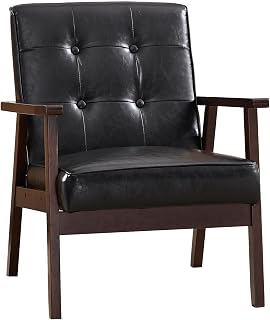


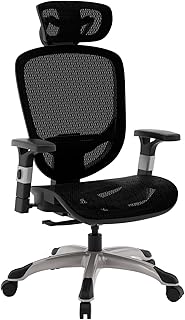


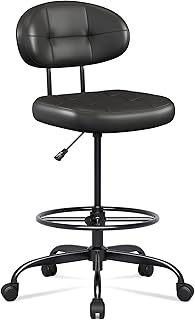


A luxury chair should be evaluated as a piece of furniture, not simply as an attractive accent. The right choice needs to balance design, construction, comfort, dimensions, upholstery, maintenance requirements and suitability for the room. For Canadian homes, it is also worth considering the room's heating conditions, seasonal humidity changes, floor type and the amount of everyday use the chair will receive.
When comparing luxury chairs and seats, look beyond photographs and headline specifications. Two chairs can have a similar silhouette while differing substantially in frame construction, cushioning, upholstery quality, adjustability and long-term practicality. A useful buying decision therefore starts with the intended use and then works through measurable specifications.
Luxury is not determined by a single material or a high purchase price. A well-designed chair typically combines thoughtful proportions, quality materials, precise construction and comfort appropriate to its intended purpose.
Leather remains a popular choice for premium seating because it can provide a distinctive appearance and a durable surface when properly selected and maintained. However, “leather” is not a sufficient specification by itself. Buyers should check the stated leather type, which surfaces are actually upholstered in leather, the finish and the manufacturer's care instructions.
Leather can also change in appearance with use. Some buyers appreciate developing character, while others prefer a consistently uniform finish. Consider this before choosing leather for a formal living room or frequently used family seating.
Premium fabric can offer a softer visual character and a broader range of colours and textures than leather. For everyday furniture, examine the manufacturer's information about abrasion resistance, stain treatment, cleaning methods and colourfastness where those specifications are provided.
A textured fabric may hide minor marks more effectively than a very smooth, pale upholstery, while tightly woven fabrics can be easier to maintain than delicate decorative textiles. Always follow the care instructions supplied for the specific upholstery.
Velvet is particularly effective when the objective is a dramatic, high-end appearance. Its pile can reflect light differently depending on direction, creating visual depth. That same characteristic means velvet can show pressure marks and changes in pile direction more readily than some other fabrics.
Wooden legs, arms and exposed frames can add warmth and contrast to upholstered seating. Compare the wood species, finish and construction rather than assuming that every chair described as wooden uses the same material throughout.
Metal bases can create a contemporary or architectural appearance and may be particularly suitable for modern interiors. Stainless steel, aluminium and other metals have different visual and structural characteristics, so the material and finish should be checked in the detailed specifications.
Product photographs are useful for judging style, but technical specifications provide better information about whether a chair will actually fit your home and intended use.
Comfort is highly personal, so there is no universally correct cushion firmness. A chair intended for occasional reading may benefit from a different seating feel than a chair used for several hours every day.
Soft cushioning can initially feel exceptionally comfortable, but excessive sink-in may make changing position difficult. Firmer cushioning can provide a more supportive feel and may be preferable for users who want a more upright seating posture.
When specifications are available, look for information about the cushioning materials and construction rather than relying solely on marketing descriptions such as “ultra plush” or “premium comfort.”
The backrest should correspond to the way the chair will be used. A low-back accent chair can work well as decorative seating, while a high-back lounge chair may provide more support for extended sitting. For desk or work use, ergonomic design becomes more important than appearance alone.
Armrests influence both comfort and posture. They should provide a natural resting position without forcing the shoulders upward. Their width also affects how easily the chair can be positioned next to tables, sofas and other seating.
Accent chairs and lounge chairs are often grouped together, but their priorities can be different.
Modern designs commonly use clean lines, restrained detailing and combinations such as upholstered seats with metal or wood bases. They can work particularly well in contemporary apartments and open-plan interiors.
Mid-century-inspired chairs often feature tapered legs, relatively clean profiles and a combination of wood and upholstery. They can provide a strong design statement without requiring an ornate room.
Traditional seating may incorporate turned legs, decorative upholstery, deeper cushioning and more elaborate silhouettes. These designs can complement classic interiors but should be compared carefully for scale because ornate chairs can visually dominate smaller rooms.
Sculptural seating uses shape as a central design element. These chairs can function almost like functional artwork, making them attractive for minimalist spaces where a single statement piece is preferable to multiple decorative elements.
Before purchasing, measure the room rather than relying on visual intuition. Mark the approximate footprint of the chair on the floor with removable tape. This simple step can reveal whether a seemingly compact chair will interfere with walkways, doors or existing furniture.
Colour should be considered alongside lighting, flooring, wall colour and the existing furniture palette. Neutral upholstery such as cream, beige, grey, brown and black can integrate easily with changing décor, while deeper jewel tones or distinctive patterns can turn a chair into a focal point.
Canadian homes can experience significantly different natural light conditions depending on orientation and season. If possible, compare the upholstery colour under both natural and artificial lighting before making a final decision. A colour that looks warm in a showroom image may appear substantially different under cool or warm household lighting.
A luxury chair does not need to be oversized. In a condominium, apartment or compact living room, pay particular attention to the chair's footprint, visual weight and clearance requirements.
Large rooms create the opposite challenge: furniture that is too small can look disconnected from its surroundings. A larger lounge chair, paired seating arrangement or substantial sculptural chair may establish better visual balance.
Do not select the largest available model simply because space permits it. The chair should still maintain sensible proportions relative to the sofa, coffee table, side tables, rugs and other major pieces.
Brand recognition can be useful as a starting point, but it should never replace specification checking. Established furniture names such as Herman Miller, Knoll, Steelcase, Stressless, Ekornes, Natuzzi, Roche Bobois, BoConcept and Kartell cover different design philosophies and product categories. Their presence in a comparison should be treated as a reason to investigate a particular model, not as proof that every chair from the brand is the best choice for every buyer.
For an Amazon-focused buying guide, also compare the exact model and seller information rather than assuming that a brand's entire catalogue is represented consistently across retailers. Product names can be similar, while dimensions, upholstery options, bases and included components may differ.
Customer reviews are most useful when they provide specific information that product photographs cannot show. Instead of focusing only on the average rating, look for recurring comments about construction, comfort, dimensions, assembly and long-term usability.
Individual reviews can be subjective. Repeated patterns across multiple verified customer reviews are generally more useful than one unusually enthusiastic or negative comment.
A chair can look perfect in an image while having dimensions that are unsuitable for your room. Always check measurements before considering aesthetics final.
Seat height affects how the chair feels and how easily it works with nearby tables. This is particularly important for dining chairs, desks and chairs positioned beside low coffee tables.
Large cushioning and deep proportions can consume substantially more space than expected. Measure the footprint and required clearance first.
Price and durability are related only indirectly. Examine the actual frame, upholstery, hardware, cushioning and manufacturer's specifications.
A delicate upholstery can be a poor choice for a heavily used family room if you are not prepared for its care requirements. Consider cleaning methods before purchasing.
A chair that fits the intended room may still be difficult to bring through a narrow doorway, staircase or elevator. Check both product and packaged dimensions.
A structured comparison makes it easier to distinguish genuinely useful differences from cosmetic variations. Consider creating a shortlist using the following criteria:
The lowest purchase price is not necessarily the lowest overall cost. A better value assessment considers construction, expected use, maintenance requirements, comfort and how well the chair will continue to meet your needs.
For example, paying more for a chair with the correct dimensions and a durable, appropriate upholstery can be more sensible than choosing a cheaper chair that does not fit the room or requires replacement sooner. Conversely, an expensive designer finish may not provide meaningful value if the chair is used only occasionally and a simpler construction meets your requirements.
When evaluating luxury chairs on Amazon Canada, check the complete product listing rather than relying on the title or primary photograph. Confirm the exact model, dimensions, colour, upholstery, included components and seller information.
Proper maintenance begins with following the manufacturer's instructions for the exact upholstery and finish. Avoid applying generic cleaning products to premium materials unless they are explicitly suitable for that material.
Keep leather away from prolonged exposure to direct heat and strong sunlight where practical. Dust and clean according to the manufacturer's recommended method, and use only products appropriate for the specified leather finish.
Regular gentle vacuuming can help remove surface dust and debris. Treat spills according to the upholstery manufacturer's instructions rather than aggressively rubbing the affected area.
Use suitable soft cloths and manufacturer-approved cleaning methods for exposed wood and metal. Abrasive cleaners can damage finishes even when the underlying material is durable.
If the chair has removable cushions, follow the manufacturer's instructions regarding rotation or repositioning. Not every cushion is designed to be flipped, so do not assume that both sides are interchangeable.
Indoor environments in Canada can vary considerably through the year. Heating during colder months can reduce indoor humidity, while summer conditions can produce different temperature and humidity levels. Natural wood, leather and other materials can respond to environmental changes, which makes sensible placement and appropriate care important.
Avoid placing valuable seating directly beside strong heat sources where possible. Maintain a stable indoor environment and follow the manufacturer's recommendations for the specific materials used in the chair.
A premium chair can make sense when it solves a specific need better than lower-cost alternatives. This might include a particularly supportive reading chair, a durable everyday lounge chair, a statement piece for a formal room or an ergonomic seat for prolonged desk use.
The strongest purchase decisions are based on the intersection of comfort, construction, aesthetics, dimensions and intended use. If one of those elements is significantly mismatched, a higher price alone does not make the chair a better investment.
There is no single best luxury chair for every Canadian home. The right option depends on intended use, available space, preferred upholstery, desired firmness, design style and budget. Compare exact specifications and verified customer feedback before choosing.
They can be, particularly when superior construction, comfort, materials or design justify the additional cost. A premium price is not automatically evidence of better value, so compare the specifications of competing models.
There is no universal winner. Leather can suit buyers who prefer its appearance and care characteristics, while fabric offers extensive colour and texture options. Velvet can provide a particularly decorative finish. The best material depends on usage, maintenance preferences and room conditions.
Check seat height, seat depth, back angle, cushion construction and armrest positioning. Customer reviews can provide useful additional information, particularly when multiple reviewers describe the same seating characteristics.
That depends on personal preference and intended use. Softer chairs can provide a relaxed lounging experience, while firmer seating can offer a more supportive and upright feel. Compare the manufacturer's cushioning information whenever it is available.
Verify the exact dimensions, upholstery, frame materials, weight capacity, assembly requirements, care instructions, seller information, delivery details, return conditions and current customer feedback.
No. A recognised designer or brand can be a useful indicator of design heritage or manufacturing standards, but the individual model still needs to be evaluated on its construction, materials, specifications and suitability for your requirements.
Match its scale and visual weight to the surrounding furniture. Consider the room's existing colours, materials and design language, and measure the intended position before buying.
There is no single specification that matters in every situation. For comfort, seat dimensions and support are especially important; for small rooms, overall footprint may be the priority; and for long-term value, construction and upholstery deserve close attention.
The best luxury chair is the one that performs well against the requirements that matter to you. Start with the room and intended use, establish acceptable dimensions, decide which materials fit your lifestyle, and then compare construction and comfort features. After narrowing the options, use verified customer feedback and current retailer information to check practical details that specifications may not fully explain.
For Canadian shoppers in 2026, a careful comparison is especially important when purchasing substantial furniture online. Product configurations, seller information, delivery terms and prices can change, so verify those details on the current listing before placing an order. A methodical approach will help you choose a luxury chair that looks exceptional while also fitting your space, comfort preferences and everyday needs.