

♥ Wishlist
Compare 11 verified Chairs and Stools for Stylish Canadian Interiors products in Canada. Reviews, ratings, pros, cons and buying advice updated for October 2026.


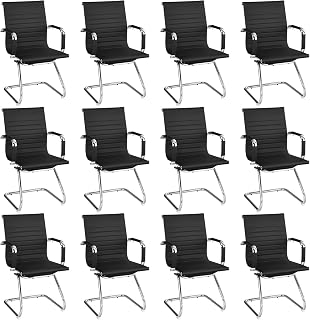


A luxury chair or stool should do more than look expensive. The strongest choices combine proportion, comfort, durable construction, suitable materials, and a design that works with the rest of the room. For Canadian homes, it is also worth considering room temperature, humidity changes, floor protection, cleaning requirements, and the practical demands of everyday use.
When comparing luxury chairs and stools, look beyond photographs and star ratings. Check the stated dimensions, seat height, overall width, weight capacity where provided, frame materials, upholstery composition, care instructions, and assembly requirements. These details often have a greater effect on long-term satisfaction than decorative styling alone.
The right format depends primarily on where the furniture will be used. A dining chair is designed around a conventional table height, while a counter stool or bar stool needs a seat height that matches the surface. Accent chairs, lounge chairs, and occasional chairs have different priorities again, with greater emphasis on posture, cushioning, visual presence, and room layout.
One of the most common furniture-buying mistakes is selecting a stool by appearance without checking its actual seat height. Measure from the floor to the underside of the counter, island, or bar, then compare that measurement with the manufacturer's stated seat height.
A useful starting point is to leave approximately 9 to 13 inches of vertical space between the top of the seat and the underside of the counter or table. The exact amount depends on the seat's shape, cushion thickness, user proportions, apron design, and whether the surface has drawers or other obstructions.
Do not rely solely on labels such as “counter stool” or “bar stool.” Retailers and manufacturers can use these terms differently, so the published dimensions are more useful than the category name.
Luxury styling does not automatically indicate luxury construction. Examine how the frame is made, how the joints are assembled, how the upholstery is attached, and whether the furniture has been designed for the type of use you expect.
Solid hardwood frames can provide a substantial feel and are frequently used in premium seating. Engineered wood and plywood can also be appropriate when properly designed and constructed. Metal frames can deliver excellent rigidity and a contemporary appearance, particularly for stools and modern dining chairs.
Look for clear material descriptions rather than vague phrases such as “premium construction.” If a product listing identifies the specific wood species, metal finish, engineered material, or structural components, that information gives you more useful evidence for comparison.
For chairs and stools, the joints experience repeated movement and loading. Pay attention to descriptions of reinforced joints, welded metal construction, cross braces, stretchers, and other structural features where those details are provided.
A chair that looks impressive in a product photograph may still be unsuitable if it rocks on a level floor, has poorly aligned legs, or uses a construction method inappropriate for its intended load. Independent customer feedback can be useful for identifying recurring concerns, but isolated comments should not be treated as definitive evidence.
Material selection has a major influence on both appearance and maintenance. Consider how frequently the furniture will be used, whether children or pets are present, how easily spills can be cleaned, and whether the chair will sit in direct sunlight.
Leather can provide a sophisticated appearance and may develop character over time. However, leather is not a single uniform material. Full-grain, top-grain, corrected-grain, bonded, and faux-leather products can differ substantially in appearance, durability, maintenance, and price positioning.
When comparing leather seating, identify the stated leather type rather than assuming that every product described as “leather” has the same composition.
Synthetic upholstery can offer a leather-like appearance and may be attractive for buyers seeking a particular aesthetic without choosing animal leather. Durability varies by material formulation and construction, so check the manufacturer's care instructions and customer feedback before making a decision.
Velvet is particularly effective when the goal is a dramatic, glamorous or contemporary luxury look. Its pile can show variations in shade depending on the direction of the fabric, which is normal for many velvet finishes. Velvet seating generally deserves more careful consideration when used in busy dining or kitchen areas because spills and food debris can make maintenance more demanding.
Performance-oriented upholstery can be useful for households where stain resistance and easier maintenance are priorities. Do not assume that the phrase “performance fabric” guarantees a specific level of protection. Review the exact material specification and cleaning instructions for the individual product.
A thick cushion is not necessarily a comfortable cushion. Comfort depends on seat depth, seat width, foam characteristics, suspension, back angle, lumbar support, arm height, and the overall geometry of the chair.
Swivel mechanisms can make it easier to turn toward different parts of a kitchen or social area without repeatedly moving the entire stool. They can be particularly useful around islands where people frequently enter and leave the seating position.
Stationary stools have fewer moving components and can provide a simpler appearance. Adjustable-height stools offer flexibility, but the mechanism becomes an additional component to evaluate. Check whether the adjustment range suits the intended counter or bar and whether the base remains stable throughout that range.
For households with frequent daily use, examine customer feedback specifically for recurring comments about wobbling, squeaking, mechanism performance, and long-term stability rather than focusing only on initial appearance.
Backless stools create a visually lighter kitchen and can often be tucked completely beneath an island. They are convenient for occasional seating but provide limited upper-body support.
Low-back stools offer a compromise between openness and support. High-back designs tend to feel more like conventional chairs and may be preferable when the seating is used for extended periods.
Consider the stool from both seated and standing viewpoints. A tall upholstered back may add significant visual weight to a kitchen, while a simple wood or metal back can create a more open appearance.
Modern luxury seating often combines clean silhouettes with materials such as metal, leather, textured upholstery, glass-adjacent finishes, or sculptural bases. The strongest designs avoid unnecessary decoration while relying on proportion and material contrast.
Contemporary designs can combine curved forms, neutral upholstery, brushed metal, dark finishes, and architectural silhouettes. These chairs and stools can work well in newer Canadian interiors where the goal is polished rather than traditionally ornate furniture.
Mid-century-inspired chairs often emphasize tapered legs, curved backs, restrained ornamentation, and warm wood tones. They can complement both vintage-inspired and modern interiors when the proportions are carefully matched.
Traditional seating may incorporate turned legs, tufting, carved details, rich upholstery, and more formal proportions. Transitional designs soften these elements with cleaner lines, making them easier to integrate with contemporary furnishings.
Channel tufting, velvet upholstery, metallic finishes, curved backs, and unusual silhouettes can create a strong focal point. Statement seating works best when surrounding furniture is restrained enough to prevent the room from becoming visually crowded.
Neutral shades such as cream, beige, taupe, grey, brown, black, and natural wood can provide flexibility when furniture is expected to remain in place for many years. Bold colours can create a stronger design statement but should be evaluated against wall colour, flooring, cabinetry, curtains, and existing upholstery.
Remember that online product photography can be affected by lighting, camera settings, editing, and screen calibration. If colour matching is critical, use the manufacturer's stated colour information and check whether samples are available through the retailer or manufacturer.
Matching does not require every furniture piece to come from the same collection. A coordinated room can combine contrasting materials if the proportions and visual weight work together.
Start with the island's usable seating length. Divide the available width by the desired space per person, then account for the stool's widest point, arms, base, and swivel clearance. Two large stools may require considerably more space than three compact backless stools.
Also examine the island's overhang. Knees and legs need sufficient clearance, particularly with stools that have large bases or fixed footrests. Drawers, cabinets, appliances, and waterfall edges can further reduce usable space.
Canadian homes can experience substantial seasonal changes in indoor heating, humidity, and temperature. Wood furniture can respond to environmental changes, while leather and some upholstery materials also require appropriate care.
The legs and base of a luxury chair can affect the condition of the floor almost as much as the appearance of the furniture. Felt pads, rubber feet, protective glides, and appropriately designed casters can reduce scratching and noise, but the correct option depends on the flooring material.
Inspect the underside of the furniture when specifications or photographs allow it. A visually attractive metal leg with an unprotected contact point may require additional floor protection, while a wooden leg may need a different type of glide.
Where a manufacturer provides a maximum recommended user weight, treat it as an important specification rather than an optional detail. A household choosing seating for daily use should compare capacity alongside frame construction, base design, and intended-use information.
For stools, stability is especially important because the higher centre of gravity can make poor designs feel less secure. A broad, appropriately weighted base can contribute to stability, but the exact construction should be assessed from the product specifications rather than inferred from appearance.
Before purchasing premium seating, consider how much maintenance you are willing to perform. A highly decorative chair may require substantially more care than a simple upholstered model.
A photograph cannot tell you whether the seat height works with your counter, whether the chair fits beneath your table, or whether the cushion firmness suits your preferences. Specifications should come before aesthetics in the final decision.
Luxury furniture can have generous proportions. Measure the doorway, hallway, stairway, elevator, and intended room before ordering. Pay attention to packaged dimensions as well as assembled dimensions when delivery access is limited.
“Bar,” “counter,” and “island” terminology is not sufficient. Compare the actual seat height with the surface height and available legroom.
Some chairs arrive largely assembled while others require significant installation. Check the listed assembly requirements, hardware, tools, and number of components before buying.
Premium appearance and durability are separate characteristics. Decorative detailing, expensive-looking upholstery, or a high retail price does not by itself prove structural strength.
For furniture purchased online, review the retailer's current return conditions before completing an order. Pay particular attention to oversized-item restrictions, restocking provisions, damage reporting windows, and return shipping responsibilities.
A useful comparison should assess each candidate using the same criteria. Instead of ranking products solely by visual appeal, create a shortlist based on the characteristics that matter in your room.
Brand selection can help narrow a large marketplace, but the individual product still matters. Established furniture brands can have very different construction methods and product ranges, so compare the specific model rather than assuming every item from a brand performs identically.
These brands are examples for comparison, not guarantees of suitability. Product specifications, seller information, current customer feedback, and retailer policies should be checked for the exact item under consideration.
Customer reviews are most useful when they reveal recurring patterns rather than isolated opinions. Look for repeated comments about comfort, dimensions, stability, assembly, finish quality, colour accuracy, packaging damage, and long-term use.
Give greater attention to reviews that explain how the furniture was used and what the buyer expected. A stool used occasionally in a guest area has a different durability requirement from one used several times a day at a family kitchen island.
Recent reviews can help identify changes in a product listing or manufacturing run, but they should still be interpreted alongside the current specifications. A review describing a previous version may not necessarily represent the current configuration.
A strong product listing should provide enough information for an informed comparison. Be cautious when important specifications are missing.
Small spaces benefit from furniture with an efficient footprint. Before choosing a wide accent chair or heavily padded stool, measure the available floor area and consider how people move around it.
Backless stools can visually disappear beneath a counter, while slim-leg chairs can preserve sightlines in compact dining areas. Swivel models can make tight spaces easier to navigate, but the rotating mechanism also requires enough clearance to function comfortably.
For condo living, also consider elevator dimensions, corridor width, door openings, building delivery rules, and whether the furniture arrives assembled. These practical details can be just as important as the design.
Open-plan rooms require furniture that works visually from several angles. A kitchen stool may be visible from the living room, dining area, and entryway, so the back and side profile can matter as much as the front.
Coordinate the stool's finish with existing hardware, cabinetry, lighting, or furniture without trying to match every element exactly. Repeating one or two visual characteristics—such as warm wood, black metal, brass tones, or a particular upholstery colour—can create a cohesive appearance.
Formal dining rooms may prioritize visual impact, while everyday dining areas generally benefit from easy cleaning and durable construction. If the same chairs will be used for long dinners, homework, remote work, or entertaining, comfort should receive greater weight in the buying decision.
Upholstered chairs can provide a softer appearance and more comfortable seating, while wood or metal designs can be easier to wipe down. Mixed-material designs can provide a balance between practicality and luxury styling.
An accent chair does not need to match the sofa exactly. Instead, use it to introduce a contrasting texture, colour, shape, or material while maintaining a relationship with the room's overall palette.
For a reading corner, prioritize seat depth, back angle, arm support, and lighting position. For an entryway, dimensions and visual impact may matter more than deep cushioning. For a bedroom, upholstery texture and overall width should be considered alongside available floor space.
Price should be considered in relation to construction and intended use. A lower-priced stool may be perfectly appropriate for occasional seating, while a household seeking daily long-term use may reasonably place greater emphasis on structural details, materials, replaceable components, and warranty terms.
Rather than asking whether the most expensive product is the best, compare what the additional cost actually provides. A higher price may reflect better materials, more complex construction, premium upholstery, a particular design, or simply brand positioning. The specifications determine whether those differences matter for your needs.
Before choosing from a luxury chairs and stools collection, compare the shortlisted products side by side rather than making a decision from photographs alone. Confirm measurements, materials, construction details, comfort characteristics, care requirements, and current retailer terms.
For Canadian buyers, also verify current availability, shipping conditions, taxes or other applicable charges, delivery access, and return policies at the time of purchase. These details can change and should be confirmed with the retailer before ordering.
The strongest choice is ultimately the product that fits the room, matches the intended surface height, provides the required level of comfort and durability, and delivers a design you can live with for years. A luxury appearance is valuable, but thoughtful proportions, reliable construction, appropriate materials, and practical maintenance are what make premium seating genuinely useful.
There is no single best option for every Canadian home. The right choice depends on the intended room, required dimensions, budget, comfort preferences, materials, maintenance requirements, and design style. Compare current specifications and customer feedback for the exact product before purchasing.
Many counter-height islands pair well with stools having seats around 24 to 26 inches high, but this is only a starting point. Measure from the floor to the underside of the island and allow sufficient legroom before selecting a stool.
Yes, provided the specific model is designed for the intended level of use. Check its construction, weight capacity, upholstery, base design, and manufacturer guidance rather than assuming that a premium appearance means commercial-level durability.
Neither material is universally better. Leather can provide a distinctive premium appearance and different maintenance characteristics, while fabric offers a wide range of colours, textures, and performance options. Choose according to cleaning needs, climate, household use, and personal preference.
A swivel can be worthwhile when users frequently turn toward different parts of an open kitchen or social area. If the stool will normally remain in one position, a stationary design may provide a simpler solution. Compare mechanism quality, stability, clearance, and maintenance requirements.
The answer depends on the island's usable length and the width of each stool. Measure the actual stool, including arms and the widest part of its base, and allow comfortable personal space between users rather than relying on a fixed number of stools per metre.
Start with seat height and table compatibility, then assess seat depth, width, back support, frame material, upholstery, stability, cleaning requirements, and overall dimensions. For daily use, comfort and maintenance should carry significant weight in the decision.
Look for specific information about frame materials, joints, hardware, upholstery construction, base design, weight capacity, and care requirements. Clear specifications provide stronger evidence than vague marketing descriptions such as “premium” or “high-end.”
No. Coordinating different chairs can produce a sophisticated interior when the pieces share compatible proportions, colours, materials, or design characteristics. Matching every item exactly is only one possible approach.
Choosing the wrong dimensions—especially seat height—is one of the most avoidable mistakes. Always measure the counter or bar, check the stool's published dimensions, and consider legroom, base clearance, and the space needed to move around the seating.
Product specifications, customer ratings, retailer policies, stock status, and prices can change during 2026. Treat this guide as a framework for evaluating luxury chairs and stools and verify the current product page information, seller details, specifications, and customer feedback before making a purchase.