

♥ Wishlist
Compare 40 verified Bathroom Furniture for Stylish Canadian Bathrooms products in Canada. Reviews, ratings, pros, cons and buying advice updated for October 2026.
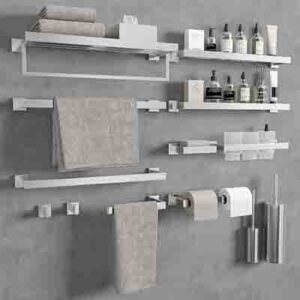
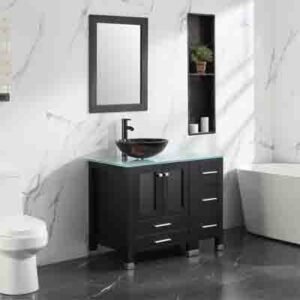
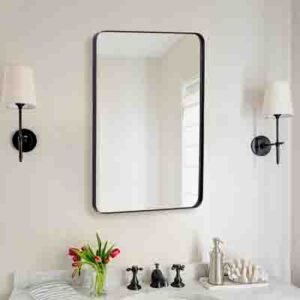
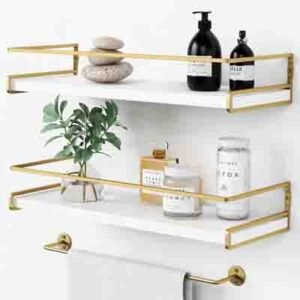







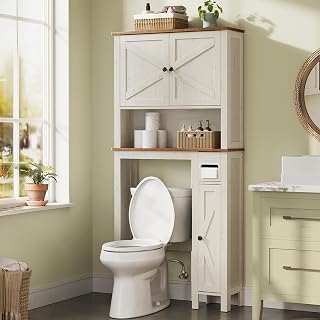


A luxury bathroom is defined by more than an attractive vanity or an expensive-looking finish. The strongest furniture choices combine appropriate dimensions, durable materials, practical storage, moisture resistance, quality hardware and a design that remains suitable for the room over time. For Canadian homes, those considerations should also include installation conditions, indoor humidity, seasonal temperature changes and the availability of compatible plumbing fixtures and replacement hardware.
When comparing a luxury bathroom furniture collection, look beyond photographs and headline features. Check the complete dimensions, cabinet construction, countertop material, sink configuration, drawer layout, mounting method, faucet compatibility and care requirements. Two vanities can look almost identical while differing substantially in storage capacity, construction quality and installation requirements.
Luxury is often the result of several details working together rather than one decorative feature. A well-designed bathroom furniture collection should make the room easier to use while providing a cohesive visual finish.
Material selection deserves particular attention because bathroom furniture is exposed to water splashes, steam, cleaning products and repeated changes in humidity. The visible finish is only one part of the construction.
Solid wood can provide a substantial, premium appearance and distinctive natural character. However, wood is not automatically waterproof simply because it is solid. Finish quality, edge treatment, construction and exposure to standing water all matter. Buyers should examine the manufacturer's care instructions and determine which areas are sealed or finished for bathroom use.
Engineered panels are widely used in contemporary bathroom cabinetry because they can provide consistent dimensions and a stable surface for decorative finishes. The important question is not merely whether a cabinet is described as engineered wood, MDF or particleboard, but how the material is protected and how exposed edges, joints and cutouts are treated.
Veneer can deliver the appearance of natural timber while allowing manufacturers to achieve consistent patterns across cabinet surfaces. Inspect the substrate, edge treatment and protective coating rather than judging quality solely from the veneer itself.
High-quality decorative laminates can be practical for bathrooms because they are available in many colours and patterns and can be relatively straightforward to maintain. Compare the surface finish, edge construction and cleaning instructions before choosing a cabinet for a frequently used bathroom.
Quartz, natural stone, porcelain and solid-surface materials each offer different combinations of appearance, durability, maintenance and weight. A countertop should be evaluated together with the cabinet beneath it because the cabinet must be capable of supporting the selected top and sink configuration.
The choice between a single and double vanity is primarily a question of available wall width, household usage and storage requirements. A double vanity can provide separate sink areas and additional countertop space, but it also consumes considerably more wall space and may reduce circulation in a compact bathroom.
A single vanity can be the better choice where floor space is limited. It can also leave room for a larger shower, freestanding bathtub, linen cabinet or additional open circulation. Measure the room before deciding that a larger vanity is necessarily the more luxurious option.
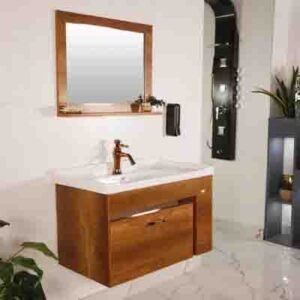
Wall-mounted vanities create a contemporary appearance and expose more of the floor, which can make a bathroom feel visually lighter. They can also make floor cleaning easier. Their suitability depends on the wall structure and the installation method specified by the manufacturer.
Freestanding vanities are often easier to integrate into traditional and transitional interiors. They can provide a substantial furniture-like appearance and may offer useful enclosed storage. Their footprint should be measured carefully, particularly where doors, drawers or nearby fixtures could interfere with one another.
Do not purchase bathroom furniture based only on the advertised width. Record the available wall width, usable depth, finished floor height, plumbing locations and clearance to doors, toilets, showers and bathtubs.
A luxury vanity should solve storage problems rather than simply provide a decorative focal point. Compare the internal configuration instead of judging capacity from exterior dimensions.
Full-width drawers can provide convenient access to everyday toiletries, while narrower compartments can help organize cosmetics and grooming accessories. Adjustable shelves are useful for bottles of different heights. Some furniture designs also incorporate internal organizers, removable trays or dedicated plumbing cutouts that preserve otherwise wasted cabinet space.
Pay attention to the position of the plumbing trap and supply lines. A visually large cabinet can have surprisingly little usable storage if pipes occupy much of the interior.
Hardware is easy to overlook because it is rarely the most prominent feature in product photographs. Nevertheless, hinges, drawer runners and closing mechanisms affect how the furniture performs throughout daily use.
A vanity and countertop should be considered as one installation system. Confirm whether the furniture includes the countertop and sink or whether these components must be purchased separately.
Also verify whether the cabinet is designed for an undermount, drop-in, vessel or integrated sink. Faucet-hole configuration is another important detail. A countertop may be supplied without a faucet opening, with a specific hole arrangement or with a configuration that does not suit the faucet you intend to install.
Integrated sink-and-countertop designs can provide a clean appearance and fewer exposed seams. They are often attractive where straightforward surface cleaning is a priority.
Undermount sinks place the basin beneath the countertop surface, creating a streamlined transition that can make wiping water into the basin easier.
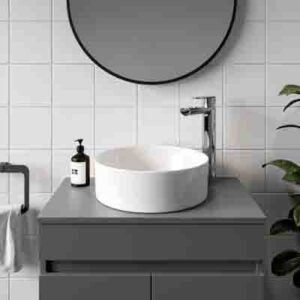
Vessel sinks sit above the countertop and can become a prominent design element. Because the basin adds height, confirm the resulting finished countertop and sink height before purchasing the vanity.
Modern bathroom furniture typically emphasizes clean geometry, concealed storage and restrained hardware. Matte white, black, grey, natural wood and stone-inspired finishes can work well in contemporary interiors, but the final choice should coordinate with the room's flooring, wall finish, lighting and plumbing fixtures.
Contemporary collections can combine simple cabinet shapes with more distinctive colours, textures or hardware. This style offers flexibility when updating an existing bathroom without committing to an aggressively minimalist aesthetic.
Raised details, furniture-style legs, framed doors and warmer finishes can suit traditional interiors. Transitional furniture combines classic proportions with simpler modern detailing and can be easier to coordinate with a variety of bathroom finishes.
Spa-inspired bathrooms often rely on natural-looking textures, warm wood tones, understated stone surfaces and uncluttered storage. The goal is usually a calm visual environment rather than maximum ornamentation.
Brand recognition can be useful as a starting point, but it should never replace specification-level comparison. Established bathroom and home-improvement brands such as Kohler, GROHE, Delta, Moen, American Standard, IKEA and Wyndham Collection offer different approaches to bathroom fixtures, cabinetry or related products. Availability and product ranges can vary in Canada, so verify the exact model and current specifications before purchasing.
For premium furniture, compare the construction details of the individual collection rather than assuming that every product from a recognizable brand has the same level of materials or hardware.
A product page should provide enough information for a buyer to determine whether the furniture is suitable for the intended bathroom. If important specifications are missing, treat that uncertainty as a reason to investigate further.
Maximum width is not always maximum value. A very large cabinet can make a bathroom difficult to navigate and may leave insufficient clearance around other fixtures. Choose the largest practical configuration that preserves comfortable movement.
Existing water supply lines, drain positions and wall penetrations can affect installation. Measure these locations before choosing a cabinet, especially when replacing a vanity with a significantly different configuration.
A beautiful finish cannot compensate for poor internal organization or unsuitable construction. Open drawers and doors where possible, inspect the interior layout and look for clear material and hardware specifications.
A vanity may be compatible with a particular sink but incompatible with the faucet arrangement you have selected. Verify hole spacing, mounting requirements and countertop thickness before purchasing the complete combination.
Large bathroom furniture can be heavy and awkward to move through stairways, narrow corridors and doorways. Measure the delivery route as well as the final installation location. For wall-mounted furniture, confirm the mounting requirements with a qualified installer where appropriate.
A premium appearance does not require spending equally on every component. Allocate the budget according to the features that affect long-term satisfaction.
Small bathrooms require greater attention to proportion. A wall-mounted vanity can visually open the floor area, while a shallow cabinet can preserve circulation. Rounded corners may be useful where passing space is tight, provided the style suits the room.
Storage efficiency becomes particularly important in compact bathrooms. A cabinet with well-organized drawers can outperform a larger cabinet with a single open cavity. Mirrors with integrated storage can also reduce the need for additional furniture, although electrical installation requirements should be considered for illuminated or powered models.
Larger bathrooms provide more freedom but introduce different design challenges. Oversized rooms can make undersized furniture look visually insignificant. Consider the relationship between vanity width, mirror dimensions, lighting and surrounding wall space.
A double vanity can be appropriate in a large primary bathroom, especially when paired with coordinated mirrors and separate lighting. However, symmetry should not be forced if the plumbing, architecture or storage requirements favour another arrangement.
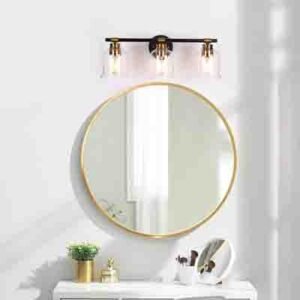
The vanity should be selected alongside the mirror and lighting plan rather than treated as an isolated purchase. Mirror width, cabinet width and wall-mounted lighting need to work together visually and physically.
For a symmetrical double vanity, two mirrors can emphasize individual sink zones, while one larger mirror can create a broader visual field. Lighting should minimize shadows across the face, and electrical components should be installed according to applicable Canadian requirements by an appropriately qualified professional.
Proper maintenance depends on the materials used, so always follow the manufacturer's care instructions. As a general principle, wipe standing water promptly and avoid leaving wet towels or containers against cabinet surfaces for extended periods.
Canadian buyers should verify the exact product configuration and availability for their province before purchasing. Product listings can differ by market, and imported furniture may have different electrical, plumbing, installation or documentation requirements.
For furniture containing electrical components, verify that the product is appropriate for the Canadian electrical environment and that required approvals or markings are applicable to the specific product. For plumbing components, check compatibility with the existing installation and applicable local requirements.
Climate also matters indirectly. Bathroom ventilation is important because persistent humidity can affect cabinetry, finishes, wall surfaces and other furnishings. A quality vanity should not be viewed as a substitute for adequate bathroom ventilation and moisture management.
Customer reviews are most useful when they reveal information that product specifications cannot. Do not rely on the overall star rating alone. Look for recurring comments about assembly, missing components, drawer alignment, finish consistency, packaging, installation difficulty and long-term usability.
Before making a final decision, compare shortlisted products using the same criteria. This reduces the risk of selecting a cabinet because of photography or branding alone.
A coordinated collection can simplify interior design because the vanity, storage furniture and related pieces share finishes and proportions. This can be particularly useful when renovating an entire bathroom.
Buying individual pieces can provide greater flexibility. You can choose a vanity for storage, a different mirror for lighting or proportions, and separate shelving according to the room's architecture. Compare both approaches before assuming that a complete set represents better value.
Bathroom furniture is a relatively permanent purchase, so consider how the room may be used several years from now. Neutral cabinet finishes and adaptable hardware can make future updates easier than highly trend-specific designs.
Also consider access for future plumbing maintenance. A cabinet that looks completely enclosed may be attractive, but adequate access around plumbing connections can make repairs easier. Where accessibility is important, review countertop height, handle placement, clear floor space and sink access before selecting a design.
An independent buying guide should distinguish between appearance, measurable specifications and subjective design preference. A product can be visually impressive while being unsuitable for a particular bathroom because of its dimensions or installation requirements.
When comparing options, prioritize verifiable information such as dimensions, materials, included components, hardware specifications, installation method and manufacturer care guidance. Customer feedback can supplement those facts, particularly when assessing assembly and everyday usability, but it should not be treated as a substitute for technical documentation.
There is no single best option for every Canadian bathroom. The right choice depends on room dimensions, storage requirements, preferred style, plumbing configuration, material preferences and budget. A well-specified vanity that fits the room correctly is generally a better choice than a more expensive unit that creates installation or clearance problems.
Not necessarily. Solid wood can look premium, but bathroom suitability depends on construction, sealing, finish and moisture exposure. Engineered materials and other purpose-selected cabinetry materials can also be appropriate. Compare the complete construction rather than choosing solely by material name.
Neither is universally better. Wall-mounted furniture can create a lighter appearance and simplify floor cleaning, while freestanding furniture can provide a more traditional furniture-like look and may suit certain renovation situations better. Installation requirements should be considered before choosing either style.
The correct width depends on the available wall space, room layout and number of users. Measure the complete installation area and account for nearby doors, toilets, showers and other fixtures. Do not select a vanity based only on the maximum width that physically fits.
The answer depends on appearance, maintenance preferences, budget and installation requirements. Quartz, natural stone, porcelain and solid-surface materials can all offer different advantages. Compare stain resistance, care instructions, weight, finish and sink compatibility before deciding.
Soft-close hardware is not essential to every buyer, but it can improve everyday convenience and reduce abrupt closing. If premium usability is a priority, compare the actual drawer and hinge specifications rather than assuming that every luxury-looking cabinet includes soft-close mechanisms.
Check wall width, cabinet depth, finished height, sink positions, plumbing locations, countertop configuration, faucet-hole arrangements, mirror placement and clearance around the unit. Confirm that the complete installation leaves comfortable circulation through the bathroom.
It is very important. Even well-finished bathroom furniture benefits from a room environment where excessive humidity is controlled. Adequate ventilation helps manage moisture and can contribute to the longevity of cabinetry, finishes and other bathroom materials.
Buying compatible components as a coordinated configuration can simplify planning, but it is not always necessary. If components are purchased separately, verify sink dimensions, faucet-hole configuration, countertop thickness, mounting requirements and plumbing compatibility before committing to the combination.
There is no universal replacement interval. Properly maintained furniture can remain useful for many years, while moisture damage, deteriorating finishes, structural problems or changing household requirements may justify replacement sooner. Evaluate condition and functionality rather than replacing furniture solely because it has reached a particular age.
The strongest luxury bathroom furniture purchase is one that balances design, construction, storage, installation practicality and long-term maintenance. Before choosing among the top options, verify current specifications, confirm that the exact configuration fits your bathroom, read recent customer feedback and compare the complete cost of the installation rather than the furniture alone.
For Canadian buyers, pay particular attention to dimensions, plumbing compatibility, electrical considerations for powered accessories, moisture management and the manufacturer's installation instructions. A carefully measured, well-constructed vanity with useful storage can provide more lasting value than a visually impressive piece selected without considering the practical details.