

♥ Wishlist
Compare 51 verified Bathroom Stools And Benches products in Canada. Reviews, ratings, pros, cons and buying advice updated for October 2026.


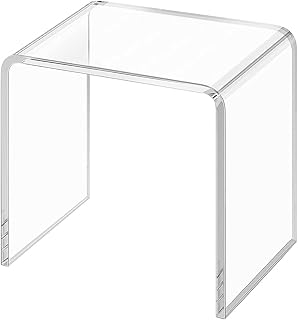


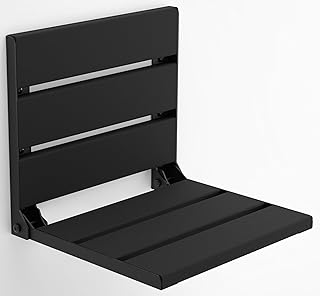


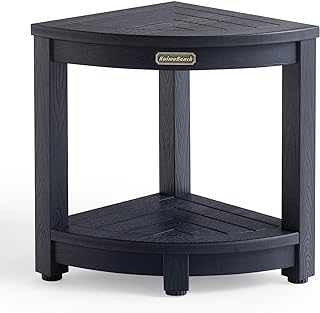


A luxury bathroom stool or bench should do more than fill an empty corner. The best choice combines appropriate dimensions, moisture resistance, stability, comfortable seating, easy maintenance and a finish that complements the bathroom's wider design. Because bathrooms experience repeated exposure to humidity, splashes, cleaning products and temperature changes, furniture that looks impressive in a showroom or product photograph is not automatically the right choice for everyday use.
For Canadian homes, buying decisions should also account for the bathroom's ventilation, available floor space, seasonal indoor humidity and the location of the furniture. A bench positioned inside a shower enclosure has substantially different requirements from a decorative stool beside a freestanding bathtub or a dressing bench outside the wet zone.
Before comparing colours, upholstery or decorative details, determine exactly where the stool or bench will be used. This single decision eliminates many unsuitable options.
The terms are sometimes used interchangeably, but their practical advantages are different. A stool normally has a smaller footprint and is easier to reposition. A bench generally provides a longer seating surface and can be more useful when two people need access to a dressing area or when additional space is desired for towels and accessories.
Measurements should be taken from the actual bathroom rather than estimated from photographs. A luxury bench can appear appropriately sized online while becoming inconvenient once placed between a vanity, toilet and bathtub.
Seat height should correspond to the intended use. A stool for applying makeup or sitting at a vanity may need a different height from a shower seat. Consider the height of the vanity counter, the user's leg position, nearby fixtures and whether the stool needs to slide under a counter or tabletop.
Measure the available wall or floor area and leave enough clearance for doors, drawers and cabinet fronts to open fully. Remember that a bench with arms, side supports or a thick frame can require considerably more usable width than the cushion itself suggests.
Depth is particularly important in smaller Canadian bathrooms. A deep bench can reduce walking clearance and interfere with shower doors or vanity drawers. Measure the complete product footprint rather than relying on the dimensions of the seating surface alone.
Do not evaluate a stool or bench in isolation. Place its dimensions on a simple floor plan and check the surrounding clearance. Open the bathroom door, vanity drawers and cabinets on the plan before deciding that a particular footprint will work.
Material selection is one of the most important distinctions between decorative bathroom furniture and genuinely practical bathroom furniture. There is no single universally superior material because the appropriate construction depends on whether the piece stays dry, receives occasional splashes or is regularly exposed to water.
Solid wood can provide a warm, high-end appearance and works especially well in spa-inspired bathrooms. However, wood requires appropriate finishing and maintenance. Repeated moisture exposure can contribute to swelling, staining, finish deterioration or other problems if the construction is not intended for bathroom conditions.
Teak is frequently associated with bathroom and shower furniture because of its natural characteristics and distinctive appearance. Even so, a teak stool should not be judged solely by the word “teak.” Look at the construction, joinery, finish, hardware and manufacturer's care instructions.
Bamboo can offer a lighter visual appearance and is commonly used in bathroom furniture. Its suitability depends on how it has been engineered, sealed and assembled. Keep the manufacturer's intended-use guidance in mind, particularly for products positioned close to a shower.
Metal frames can create a contemporary or hotel-inspired aesthetic and may be easy to clean. In humid environments, however, the specific metal and protective finish matter. Inspect product information for corrosion-resistant construction where moisture exposure is expected.
Stainless steel is a practical option for moisture-prone areas, but not every stainless-steel component has identical performance characteristics. Pay attention to the overall construction rather than assuming that one metal component makes an entire product suitable for continuous wet use.
Plastic and resin bathroom stools can be lightweight, easy to clean and convenient for households that prioritize practicality. The trade-off may be a less substantial appearance than wood, stone or metal furniture. For luxury interiors, look for designs with refined proportions and finishes rather than focusing only on the material category.
Stone and stone-look materials can create a particularly upscale aesthetic. Their weight, surface characteristics and maintenance requirements should be considered carefully. A visually luxurious material is not necessarily the most convenient choice for furniture that needs to be moved regularly.
Upholstered bathroom benches can make a bathroom feel more like a high-end dressing room or boutique hotel suite, but upholstery introduces additional maintenance considerations. The further the furniture is from direct water exposure, the easier it is to justify decorative fabrics and plush cushioning.
A bathroom seat must remain stable when a person sits down, stands up or shifts position. A beautiful design is not a good choice if it rocks, slides or feels underbuilt.
When specifications are available, compare the stated weight capacity with the intended use rather than guessing from the appearance of the frame. A listed weight limit should be treated as an important product specification, not as an approximate suggestion.
Pay attention to the leg configuration, frame construction, joints, base width and feet. A wider base can improve perceived stability, while appropriately designed non-slip feet can reduce movement on smooth bathroom flooring.
Bathroom flooring can become slippery when wet, and furniture can also scratch delicate surfaces when repeatedly moved. Rubberized or non-marking feet may therefore provide two benefits: improving grip and protecting the floor finish.
Check whether the feet are suitable for your particular flooring. Natural stone, luxury vinyl, ceramic tile, porcelain tile and other surfaces can have different care requirements. Never assume that a generic foot pad is appropriate for every floor.
Luxury does not necessarily mean ornate decoration. In a contemporary bathroom, quality is often communicated through proportions, material consistency, joinery, finish quality and restrained detailing.
Some bathroom benches include a lower shelf, while others provide enclosed storage. Each approach has a different practical advantage.
Open shelving makes towels and frequently used items easy to reach and can create a lighter visual appearance. The disadvantage is that everything remains visible and is exposed to bathroom dust and humidity.
Closed storage creates a cleaner appearance and can hide toiletries, spare towels and personal items. However, enclosed compartments should still have adequate ventilation and should not become a place where damp textiles are stored before they have dried.
Brand recognition can be useful, but it should not replace specification checking. Names such as Kohler, Moen, Delta, Umbra, IKEA, VASAGLE and SONGMICS cover very different product categories and design philosophies. The correct comparison is between the construction and intended use of individual products, not simply between brand names.
Customer reviews are useful for identifying practical issues that may not be obvious from a product description, but they should be interpreted systematically.
Look for repeated comments about stability, assembly, finish quality, dimensions, comfort and long-term appearance. A single complaint may reflect an isolated issue, whereas the same concern appearing repeatedly across different reviews deserves greater attention.
Give particular weight to reviews that explain how the product is being used. A customer using a stool beside a vanity has a different experience from someone placing the same product inside a frequently used shower.
Also distinguish dissatisfaction caused by incorrect expectations from an actual product defect. A small decorative stool may be perfectly appropriate as a vanity seat but unsuitable for use as a shower bench if the product was never designed for that purpose.
Luxury furniture photographs emphasize styling, but photographs rarely reveal stability, surface maintenance or the practical effect of the product's footprint. Always evaluate the specifications alongside the design.
A beautiful upholstered bench may work perfectly in a dry dressing area and be completely inappropriate inside a shower. Intended-use information should be treated as a fundamental buying criterion.
Measure the furniture with nearby doors and drawers fully open. This simple check can prevent a common problem in compact bathrooms.
A stool that looks attractive online can be uncomfortable if its height does not match the vanity, user's posture or intended task. Height should be evaluated in relation to the surrounding fixtures.
These terms should not automatically be treated as interchangeable. If a product will be exposed to standing water or direct shower spray, look for explicit information about suitability for that environment.
Large furniture can make a bathroom feel crowded even when the individual piece looks luxurious. In a compact space, visual simplicity and efficient proportions can produce a more premium result than an oversized statement bench.
Choose clean lines, restrained colours, simple frames and minimal visual clutter. Matte black, white, natural wood and understated metal can work particularly well with contemporary fixtures.
Light wood tones, rounded profiles and simple construction can complement bathrooms that emphasize natural materials and bright, uncluttered interiors.
Look for richer wood finishes, upholstered seating, curved details or furniture-like silhouettes. The key is coordinating the bench with cabinetry, hardware and other architectural details rather than treating it as an isolated accent.
For a spa-like atmosphere, combine comfortable seating with natural materials, muted colours and uncluttered surfaces. A simple teak bench can communicate a stronger sense of relaxation than a heavily decorated piece.
Metal frames, darker finishes and visible structural elements can complement concrete-look tile, dark cabinetry and modern lighting. Check carefully for moisture-resistant finishes when metal furniture is placed near water.
Compact bathrooms require a different approach to luxury. Instead of maximizing furniture size, prioritize versatility. A smaller stool that can move between the vanity and bathtub may provide more practical value than a large fixed bench.
A spacious primary bathroom offers more freedom, but scale becomes important. A very small stool can look lost beside a large freestanding tub or expansive double vanity.
For larger rooms, consider whether a substantial bench can visually connect separate areas of the bathroom. For example, the same finish can be repeated in cabinetry, shelving or other furniture to create a coordinated design rather than a collection of unrelated pieces.
Proper maintenance depends on the material and manufacturer's instructions. Avoid treating all bathroom furniture as though it can tolerate the same cleaners, moisture levels and cleaning methods.
Ventilation is part of furniture care. A bathroom with poor ventilation can expose furniture to elevated humidity for prolonged periods. Using an appropriate exhaust fan, allowing the room to dry and avoiding unnecessary standing moisture can help protect bathroom furnishings generally.
Some bathroom stools arrive fully assembled, while others require partial or complete assembly. Assembly complexity should be considered before purchase, especially for heavier benches or furniture with multiple structural components.
A decorative bathroom bench should not automatically be treated as a shower seat. Shower use introduces additional concerns involving water exposure, slipping, structural loading and the consequences of instability.
If shower seating is the intended application, choose a product specifically described by its manufacturer as suitable for that environment and follow the stated installation and weight requirements. A decorative bench intended for a dry bathroom area is not an equivalent substitute.
Bathroom furniture can also be evaluated from an ease-of-use perspective. A stable, appropriately sized seat may make everyday routines more convenient for people who prefer to sit while dressing, grooming or completing other bathroom tasks.
For accessibility-focused applications, however, furniture should not be selected solely from an aesthetic buying guide. Consider the relevant safety requirements, dimensions, support needs and professional guidance for the intended user and installation.
Canadian homes can experience substantial seasonal changes in indoor conditions. Heating during colder months can create a much drier interior environment, while bathrooms can experience temporary humidity spikes during bathing. Materials respond differently to these changes.
Wood products can be particularly sensitive to environmental changes, so construction quality, finishing and care instructions matter. Regardless of location, avoid prolonged exposure to unnecessary moisture and follow the product's maintenance recommendations.
The difference between an inexpensive-looking stool and a premium-looking stool is not always the raw material. Design proportion, surface finish, structural details and consistency often have a greater visual impact.
Once you have reviewed the leading options, narrow the list using a simple scoring process. Give each candidate a rating for the factors that matter most in your bathroom rather than selecting the product with the most impressive-looking photograph.
The percentages are a practical comparison framework rather than a universal product rating. For example, someone buying a stool for a dry vanity area may place greater emphasis on upholstery and appearance, while someone selecting shower furniture should prioritize wet-area suitability and stability.
A larger bench is not necessarily a better-value purchase than a smaller premium stool. When comparing prices, examine what the additional cost represents: better materials, more substantial construction, storage functionality, superior finish, a more suitable design or simply greater dimensions.
Likewise, a lower-priced product is not automatically poor quality. If a simple stool has an appropriate construction, suitable materials and dimensions that perfectly match the intended use, paying more for decorative features may provide little additional practical value.
Retail listings can present similar information in different formats, so compare like-for-like specifications. Convert measurements where necessary and distinguish product dimensions from package dimensions. Package size is useful for delivery planning but does not tell you how much space the finished furniture occupies.
Also distinguish net product weight from shipping weight. A heavier shipping package does not necessarily mean that the finished bench has a stronger frame. Look for actual construction details and stated load specifications instead.
For current Canadian buying decisions, verify the latest dimensions, materials, intended use, customer feedback, retailer information and current price immediately before purchasing. Product specifications and availability can change during 2026.
A stool or bench looks more intentional when it relates to existing finishes. You do not need every element to match exactly, but repeating one or two visual characteristics can create cohesion.
The most useful luxury bathroom furniture is the piece that continues to make sense after the novelty wears off. Consider how often the seat will be used, whether the material will remain attractive, how easy it is to clean and whether the design will continue to coordinate with the room if other fixtures are eventually replaced.
Durability should therefore be considered alongside aesthetics. A minimalist stool with a robust construction and straightforward maintenance may provide better long-term value than an elaborate piece that requires unusually careful treatment.
There is no single best material for every bathroom. Teak and other appropriately finished woods can suit spa-inspired interiors, metal can work well in contemporary spaces, and upholstered furniture can be excellent in dry dressing areas. The best material is the one whose moisture resistance, maintenance requirements, durability and appearance match the intended location.
No. A decorative bathroom stool should not automatically be used as a shower seat. Direct water exposure requires a product specifically designed and rated by its manufacturer for that environment, with appropriate attention to stability, materials and load requirements.
It depends on the space and purpose. A stool is generally easier to reposition and can suit compact bathrooms, while a bench can provide more seating and storage potential. Measure the available area and decide how frequently the furniture will be moved before choosing between them.
The appropriate height depends on the task and surrounding fixtures. A vanity stool should be considered in relation to the vanity counter and the user's seated position, while a shower seat has different requirements. Always compare the stated seat height with your actual bathroom dimensions.
They can be, provided the wood, finish and construction are appropriate for the environment and the furniture receives suitable care. Wood should not be assumed to be waterproof simply because it is marketed for bathroom use.
Follow the manufacturer's cleaning instructions, remove standing moisture, use compatible cleaning products and inspect hardware and protective feet periodically. Different finishes require different care, so avoid applying a universal bathroom-cleaning routine to every material.
Prioritize a compact footprint, appropriate seat height, stability, easy cleaning and a design that can be moved or tucked away when necessary. Storage underneath the seat can also add value when bathroom cabinet space is limited.
Storage can be useful, but it is not essential. Open shelves are convenient for towels and frequently used items, while enclosed storage creates a tidier appearance. Choose based on your existing storage capacity and whether the compartment can be kept clean and dry.
They can be worthwhile when the additional cost corresponds to better construction, materials, comfort, durability or design quality. Compare those attributes rather than assuming a higher price automatically means better performance.
There is no universal replacement schedule. Replacement depends on construction, moisture exposure, maintenance, wear and changes in household needs. Furniture should be evaluated based on its current stability, condition, appearance and suitability rather than age alone.
The strongest choice from a luxury bathroom stool and bench collection is not necessarily the most expensive, largest or most visually elaborate option. It is the product whose construction, dimensions, materials, intended use and maintenance requirements align with the bathroom in which it will actually live.
Use the Top 10 comparison as a starting point, then verify the individual product specifications and the latest Canadian retailer information before purchasing. Prices, stock status, product configurations and specifications can change, so the final decision should always be based on the most current information available at the time of purchase.