

♥ Wishlist
Compare 34 verified Bathroom Vanity Lights for Stylish, Functional Bathrooms products in Canada. Reviews, ratings, pros, cons and buying advice updated for October 2026.




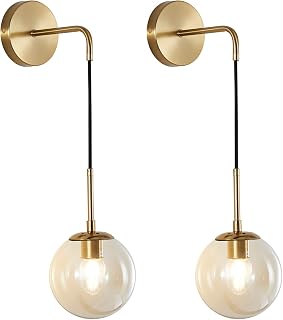


A luxury bathroom vanity light should do more than complement an attractive mirror and premium fixtures. It needs to provide useful illumination for grooming, create an appropriate visual atmosphere, suit the proportions of the vanity, and withstand the practical conditions of a bathroom. For Canadian shoppers, it is also important to consider electrical compatibility, installation requirements, bathroom location, and the specifications of the individual fixture rather than judging a light solely by its appearance.
The right choice depends on the bathroom's size, mirror dimensions, ceiling height, existing lighting, preferred colour temperature, finish, and installation location. A dramatic fixture that looks impressive in a product photograph may be poorly suited to a narrow powder room, while a relatively understated bar light can be the better choice for a large double vanity.
Placement has a significant effect on both appearance and practical illumination. Above-mirror lighting is a familiar solution because it works well with many standard bathroom layouts and can provide broad illumination across the vanity. However, depending on the fixture's height and light distribution, an overhead-only arrangement can create stronger shadows beneath the eyes and chin.
Vertical fixtures installed on both sides of a mirror can distribute light more evenly across the face. This arrangement is particularly useful when the vanity is wide enough to accommodate symmetrical side lighting. For a double vanity, a wider horizontal fixture or a coordinated combination of vertical fixtures may provide better coverage than a small decorative light positioned at the centre.
Before buying, measure the available wall space and identify the existing electrical box position. A beautiful fixture is not necessarily an easy replacement if its mounting arrangement does not correspond with the existing installation.
Proportion is one of the most important visual considerations. The fixture should relate to both the mirror and the vanity rather than being selected in isolation. A very short light above a wide mirror can appear visually insignificant, while an excessively long fixture may dominate a compact bathroom.
For a single-sink vanity, compare the light's overall width with the mirror and available wall area. For double-sink installations, consider whether one long fixture or two coordinated fixtures will produce the cleaner composition. When replacing an existing light, also check the distance between the mounting points and the dimensions of the backplate or canopy.
Do not rely on photographs to estimate scale. Product images frequently use wide-angle perspectives that make fixtures and rooms appear larger or smaller than they really are. Always compare the manufacturer's stated dimensions with your own measurements.
One of the biggest buying decisions is whether to choose an integrated LED fixture or a vanity light that accepts replaceable bulbs. Both approaches can work well in a luxury bathroom, but they offer different advantages.
Integrated LED lights contain the light-emitting components within the fixture itself. They can produce a slim, contemporary appearance because the design does not have to accommodate conventional bulb shapes. Some models also offer selectable colour temperature or dimming features, although these capabilities vary by product.
Fixtures using replaceable bulbs provide greater flexibility when changing light output, colour temperature, or bulb style. They can also make future replacement straightforward because the light source is a separate component. Socket type and maximum permitted wattage must always be checked before selecting bulbs.
Colour temperature affects the atmosphere of the entire bathroom. It is expressed in Kelvin (K), with lower values generally appearing warmer and higher values appearing cooler. The most appropriate setting depends on the room's finishes and how the vanity is used.
If the bathroom already contains several light sources, matching their colour temperature can produce a more cohesive result. Mixing noticeably different colour temperatures in a small room can make the lighting feel inconsistent.
Colour Rendering Index, or CRI, describes how accurately a light source reveals colours compared with a reference light source. This matters at a vanity because the bathroom is often used for shaving, applying cosmetics, styling hair, selecting clothing colours, and other activities where accurate colour perception is useful.
When specifications are provided, compare the CRI rating rather than assuming that a high-end appearance automatically means high colour-rendering performance. A fixture with strong colour rendering can make skin tones, cosmetics, tiles and countertop materials appear more natural.
CRI should not be considered independently of brightness, beam distribution and colour temperature. A high CRI does not automatically make a fixture suitable for every bathroom.
Watts describe electrical power consumption rather than directly measuring how much visible light a fixture produces. Lumens are the more useful specification when comparing brightness between modern lighting products.
When comparing two vanity lights, look for the stated lumen output and determine whether that figure applies to the complete fixture or to individual bulbs. For replaceable-bulb products, the final output depends on the bulbs selected and their compatibility with the fixture.
Also consider how the light is distributed. A fixture with a high stated lumen output may not feel equally bright across the entire vanity if its design concentrates light in one direction. Diffusers, shades, lenses and the orientation of the light source can substantially change the practical result.
Dimming can be valuable in a luxury bathroom because the ideal illumination for early-morning use is not necessarily the same as the preferred atmosphere for an evening bath. However, "dimmable" should not be treated as a universal guarantee of compatibility.
Check whether the fixture is designed for dimming, whether a compatible dimmer is required, and whether the chosen bulbs support the same dimming method. For integrated LED products, the manufacturer's requirements are particularly important because not every LED driver works with every dimmer.
Bathroom lighting requires more attention to location and electrical safety than a typical bedroom or living-room fixture. Water exposure varies considerably between a vanity wall outside the direct shower area and a location immediately adjacent to a wet zone.
Check the fixture's stated suitability for the intended bathroom location and review its installation instructions before purchase. Look for the applicable safety and location information rather than assuming that any fixture described as a "bathroom vanity light" can be installed anywhere in a bathroom.
For Canadian installations, electrical requirements can vary by province, territory and installation circumstances. When the wiring, electrical box, grounding, switch configuration or bathroom location is uncertain, a qualified electrician can determine the appropriate installation method.
The finish is often the feature that determines whether a vanity light looks integrated with the rest of a bathroom. High-end visual appeal does not depend on one particular material; it comes from coherent proportions, finish quality, detailing and coordination with other fixtures.
Warm metallic finishes can complement brass faucets, warm-toned hardware, cream stone and natural wood. Brushed surfaces can also be more visually forgiving than highly polished finishes because they do not emphasize every fingerprint or small surface mark.
Chrome can suit bathrooms built around polished hardware, glass and cooler-toned stone. Its reflective character can reinforce a bright, contemporary aesthetic.
Matte black creates stronger contrast and can work particularly well with white tile, pale stone and minimalist cabinetry. It is often a natural choice for modern or transitional interiors where the vanity light is intended to provide a graphic accent.
Clear, frosted and seeded glass produce different visual effects. Clear glass exposes the bulb and can create a decorative look, while frosted glass tends to soften the light source. The shade material should be evaluated together with the bulb because both influence glare and overall appearance.
The best style is the one that works with the bathroom's existing architecture and hardware rather than simply following a current trend.
Mirror shape should influence fixture selection. Rectangular mirrors typically pair easily with horizontal bars or vertically oriented sconces, while round and arched mirrors can benefit from fixtures that echo their softer geometry.
Consider the mirror frame as well. A highly decorative framed mirror may need a restrained light fixture, while a frameless mirror can provide a neutral backdrop for a more distinctive vanity light. The goal is visual hierarchy: the mirror and light should complement one another rather than compete for attention.
A single-sink vanity generally gives you more flexibility because there is one central grooming position. A double vanity requires more careful planning because two users may need comparable illumination.
For a double vanity, compare the total fixture width with the entire countertop and mirror arrangement. If there are two separate mirrors, two matching fixtures can create a balanced appearance. If there is one large mirror, a suitably proportioned horizontal fixture may be more cohesive.
Do not solve a large lighting requirement simply by choosing the biggest fixture available. Multiple appropriately sized light sources can offer better visual balance and distribution.
A systematic comparison is more useful than relying on star ratings alone. Customer feedback can reveal practical concerns, but specifications should establish whether a product is suitable in the first place.
Brand reputation can be useful when evaluating lighting, but it should not replace product-level research. A manufacturer may offer several collections with substantially different construction, specifications and installation requirements. Compare the individual model rather than assuming that every product from a familiar brand has the same characteristics.
When evaluating products from any brand, confirm the current manufacturer's specifications because designs, finishes, included hardware and product configurations can change over time.
Compact bathrooms benefit from low-profile fixtures that provide useful illumination without making the room feel crowded. Before purchasing, measure the wall area carefully and check whether the existing electrical box can accommodate the replacement fixture.
Larger bathrooms offer greater flexibility for layered lighting. A substantial vanity may benefit from coordinated task lighting around the mirror combined with ambient ceiling illumination. A decorative vanity fixture should be selected in proportion to the cabinetry and mirror rather than simply choosing the most elaborate available design.
A powder room is often a good setting for a more decorative vanity light because the lighting demand can be different from a primary grooming bathroom. Statement glass, brass, black metal or sculptural forms can become an intentional design feature.
Bathrooms in traditional interiors can benefit from fixtures with classic proportions, warm metallic finishes and glass shades. Transitional designs are particularly useful when the rest of the house combines older architectural elements with newer renovations.
Even a premium vanity light can lose visual impact when dust, fingerprints, bathroom residue or moisture deposits accumulate on its visible surfaces. Cleaning requirements vary according to the materials and manufacturer's instructions.
Integrated LED products are often marketed using expected operating-life figures. These figures should be interpreted as engineering or manufacturer specifications rather than a promise that every individual fixture will operate for exactly that duration.
Thermal management, driver quality, operating conditions and installation can influence long-term performance. When comparing integrated LED products, examine the warranty information, installation requirements and serviceability provisions where available instead of choosing solely on a headline lifespan figure.
A detailed specification sheet can answer questions that photographs and short product descriptions cannot. Before making a purchase decision, look for:
Customer reviews are most useful when treated as supplementary evidence rather than as a substitute for specifications. Look for recurring comments rather than relying on isolated praise or criticism.
For example, repeated comments about difficult installation may be more relevant than a single complaint. Similarly, multiple customers mentioning a particular finish, brightness characteristic, glare issue or discrepancy between expectations and actual dimensions may identify a practical consideration worth investigating.
Prioritize reviews that discuss the exact model being considered and distinguish comments about shipping or packaging from observations about the product itself. Product variations can also mean that reviews associated with one size or finish do not necessarily describe another configuration.
A vanity light should usually be considered one component of the bathroom's overall lighting plan. Ambient lighting provides general illumination, task lighting supports activities at the vanity, and accent lighting can highlight architectural or decorative elements.
Combining these layers can produce a more comfortable result than attempting to make one fixture perform every lighting function. For example, ceiling lighting can provide general illumination while a properly positioned vanity fixture supplies more focused light around the mirror.
Where possible, separate controls can make each layer more useful. This allows brighter task lighting during grooming while keeping ambient illumination at a lower level when the bathroom is being used for relaxation.
There is no single best fixture for every bathroom. A strong choice combines suitable light output, good colour rendering, appropriate dimensions, reliable construction, bathroom-location suitability and a finish that complements the room. Integrated LED fixtures can suit streamlined contemporary bathrooms, while replaceable-bulb designs offer greater flexibility.
The vanity area generally benefits from useful task illumination, but brightness should be considered together with glare and distribution. A fixture that is extremely bright at the source may be less comfortable than a well-diffused light with an appropriate output.
Both can work. Warm white creates a softer atmosphere, while neutral or cooler white can provide a crisper appearance. For grooming and makeup, colour rendering and consistent illumination can be more important than choosing one temperature solely because it is considered fashionable.
LED fixtures can provide an efficient, streamlined solution, but replaceable-bulb fixtures offer advantages in flexibility and future bulb replacement. The better choice depends on whether you prioritize integrated design and convenience or replaceable light sources.
No. The suitability of a fixture depends on its design, electrical specifications and intended installation location. Always check the manufacturer's location and installation requirements before purchase, especially when the fixture will be near a source of water.
Start with the total width of the vanity and mirror arrangement. Compare a long horizontal fixture with two coordinated fixtures, taking into account the position of each sink and the available electrical connections. The goal is balanced illumination rather than simply maximizing fixture size.
No. Lumens indicate light output, but distribution, glare, colour temperature, CRI and fixture placement also affect how useful the lighting feels. Choose an output appropriate for the bathroom rather than automatically selecting the highest number.
Luxury is subjective. Brushed brass, polished chrome, matte black, bronze and other finishes can all look premium when their proportions and detailing complement the bathroom. Coordinating the fixture with existing hardware is usually more effective than selecting a finish solely because it is currently popular.
Choose integrated LED when a streamlined appearance and built-in lighting system are priorities. Choose a replaceable-bulb fixture when the ability to change bulbs and adjust the light source independently is more important. Compare the manufacturer's specifications for both options before deciding.
CRI can be particularly useful at a vanity because accurate colour appearance matters for grooming, cosmetics and evaluating skin tones. When two otherwise suitable fixtures are similar, a stronger stated colour-rendering specification can be an important differentiator.
The best luxury bathroom vanity light is not necessarily the most expensive or visually elaborate option. It is the fixture that combines appropriate proportions, useful illumination, suitable colour characteristics, bathroom compatibility, dependable construction and a design that works with the rest of the room.
For an informed 2026 purchase, compare the complete specification sheet with your bathroom measurements before relying on ratings or promotional photography. Check the exact model, configuration and finish, read current customer feedback, verify installation requirements, and compare current Canadian retailer pricing before ordering.
If installation involves unfamiliar wiring, a new electrical box, changes to an existing circuit or a location with specific bathroom safety requirements, obtain professional electrical advice rather than treating the fixture as a simple decorative replacement. A carefully selected vanity light can then provide both the polished appearance expected from a luxury bathroom and the practical illumination needed for everyday use.