

♥ Wishlist
Compare 55 verified Bathroom Shelves for Stylish and Practical Storage products in Canada. Reviews, ratings, pros, cons and buying advice updated for October 2026.


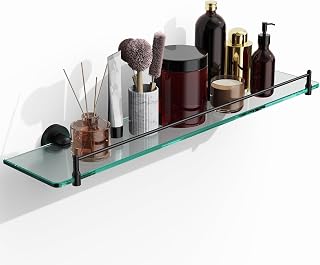


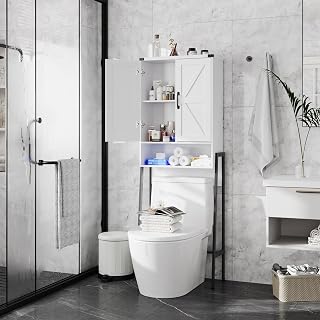


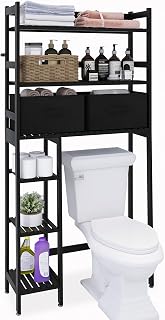


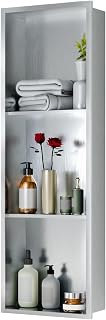


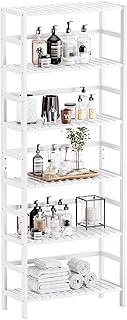


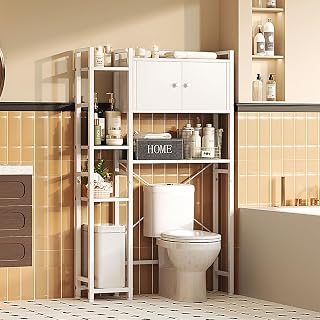


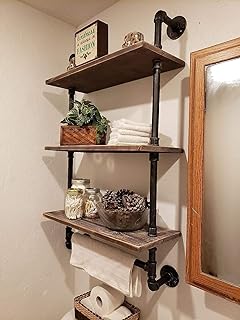


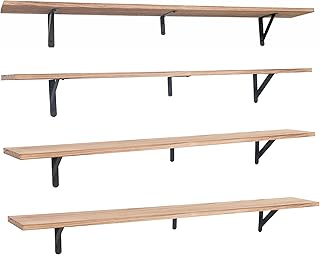


A luxury bathroom shelf should do more than provide storage. The right piece can organize everyday essentials, complement premium fixtures, and make a bathroom feel deliberately designed rather than simply furnished. For Canadian homes, the selection process also needs to account for humidity, temperature changes, available wall space, installation conditions, and the practical realities of cleaning and maintenance.
When comparing luxury bathroom shelves in 2026, look beyond photographs and star ratings. Examine dimensions, construction materials, mounting method, shelf capacity, finish, hardware, moisture resistance, and the type of items the shelf is intended to hold. A visually impressive shelf that does not fit the wall, cannot support the intended load, or is difficult to maintain may be a poor choice despite its appearance.
Luxury is usually created by a combination of proportion, material quality, finish, detailing, and visual consistency. A shelf does not necessarily need to be expensive or ornate to look sophisticated. Clean lines, well-finished edges, concealed or carefully designed mounting hardware, and a finish that coordinates with the rest of the bathroom can have a greater visual impact than excessive decoration.
Material selection is one of the most important buying decisions because the bathroom exposes furniture and accessories to moisture, condensation, cleaning products, and repeated temperature changes. The best material depends on where the shelf will be installed and how it will be used.
Glass creates a light, contemporary appearance and can work particularly well in smaller Canadian bathrooms because it does not visually dominate the wall. Tempered glass is generally preferred for bathroom shelving because it is manufactured to provide greater resistance to thermal and mechanical stress than ordinary glass.
Glass is especially suitable for displaying attractive toiletries, folded towels, decorative containers, and other relatively lightweight items. However, fingerprints, water spots, soap residue, and mineral deposits can be noticeable on transparent surfaces. Buyers should therefore consider how frequently they are willing to clean the shelf.
Stainless steel is a practical choice for humid environments and can complement contemporary, industrial, and minimalist bathrooms. It is particularly useful when durability and easy cleaning are more important than the warmth associated with wood or stone.
Not all stainless-steel finishes look identical. Polished surfaces can provide a brighter appearance, while brushed finishes tend to produce a softer visual effect and may be more forgiving of minor marks.
Aluminum can provide a modern metal appearance while keeping weight relatively low. It is commonly associated with contemporary bathroom accessories and can be useful where a streamlined, corrosion-conscious design is desired. Check the manufacturer's specifications rather than assuming that every aluminum product has identical protective treatment or finish quality.
Marble, granite, and other natural stones can create a distinctly upscale appearance. Their visual character comes from natural variation, veining, texture, and substantial weight. Stone shelves require careful consideration of wall construction and mounting because a substantial stone slab can be significantly heavier than glass or metal.
Some natural stones are also more sensitive to staining or chemical damage than others. Before purchasing, verify the manufacturer's cleaning instructions, sealing requirements, and compatibility with bathroom cleaning products.
Engineered stone and composite materials can provide a consistent appearance while offering design flexibility. They may be useful when matching a shelf to a vanity countertop or other bathroom surfaces. The important comparison points are the specific material composition, thickness, edge treatment, weight, care requirements, and mounting system.
Wood introduces warmth into bathrooms dominated by tile, glass, and metal. Teak and appropriately finished hardwoods are often associated with moisture-prone environments, while engineered wood products vary considerably in their resistance to water and humidity.
Do not evaluate a wooden shelf solely by the name of the wood. Examine how every exposed surface and edge is finished, particularly around screw holes and joints. A shelf intended for a bathroom should have clear care instructions and should not be treated as automatically waterproof simply because it has a wood finish.
The mounting format changes both the appearance and practical usability of a shelf.
Measurement errors are among the easiest ways to turn an attractive bathroom shelf into an unsuitable purchase. Measure the intended wall area before comparing products, and record both width and available height.
Load capacity deserves more attention than it often receives in product comparisons. A shelf may be structurally capable of supporting a certain weight under ideal installation conditions, but the actual safe capacity can depend on the wall material, anchors, screws, bracket design, shelf span, and installation method.
Consider the combined weight of everything you intend to store. Large shampoo bottles, glass containers, candles, stone accessories, towels, and decorative objects can collectively become much heavier than they appear.
When specifications provide a maximum load, treat that figure as installation-dependent rather than assuming it applies to every wall. Drywall, tile over drywall, masonry, and stud-mounted installations require different fastening approaches. If the shelf will carry substantial weight, follow the manufacturer's installation requirements carefully or use a qualified professional.
The mounting system can be just as important as the shelf itself. Premium materials cannot compensate for an unsuitable mounting method.
Never assume that included hardware is suitable for every Canadian bathroom wall. The construction behind the visible surface matters.
Open shelves provide immediate access and can make a bathroom appear more spacious. They are also useful for displaying coordinated towels, skincare containers, fragrances, and decorative accessories. The trade-off is that everything remains visible and exposed to dust, moisture, and bathroom humidity.
Enclosed cabinets provide more visual concealment and can protect less attractive everyday items. A combination often works best in larger bathrooms: use open shelving for carefully selected display pieces and enclosed storage for bulk toiletries, cleaning supplies, and personal items.
Depth should be selected according to what the shelf needs to hold. A shallow shelf can work well for decorative objects or small toiletries and creates less obstruction. Deeper shelving provides more storage but can project into the room and create a visually heavier appearance.
Compact bathrooms benefit from vertical organization. Instead of adding a bulky floor cabinet, consider using wall space above a vanity, beside a mirror, or in an unused corner.
Glass and slim metal shelves can visually recede, while floating shelves can produce a cleaner architectural effect. In a small bathroom, avoid selecting a shelf solely because it offers maximum storage capacity. Excessively deep shelving can make a narrow room feel crowded and can interfere with movement.
A useful approach is to identify the items that genuinely need to remain accessible. Reserve the most visible shelves for attractive or frequently used products and place less frequently used items elsewhere.
A spacious bathroom offers more freedom but introduces a different design challenge: preventing the room from feeling unfinished or disproportionate. A single narrow shelf on a large blank wall may appear insignificant, while an oversized shelving unit can compete with a freestanding bathtub, vanity, or feature wall.
For larger rooms, consider symmetrical shelf arrangements, longer floating shelves, coordinated pairs, or shelving integrated visually with the vanity and mirror layout. Repetition of materials and finishes can make separate pieces feel like part of one design scheme.
Finish coordination can have a major effect on perceived quality. The goal is not necessarily to make every metal surface identical, but to create a deliberate relationship between the major finishes.
Safety should remain a priority even when shopping for a decorative luxury product. Look for secure mounting, appropriately finished edges, stable brackets, and construction that suits the intended environment.
In bathrooms used by children or older adults, consider whether the shelf creates a protruding obstacle or has sharp corners. Shelves positioned near showers and bathtubs should be particularly carefully evaluated because wet surfaces and accidental contact can increase the consequences of poor installation.
Glass shelves should be specifically identified by the manufacturer as appropriate for the intended application. Do not substitute ordinary glass simply because its dimensions appear compatible.
Bathroom humidity can affect materials differently, and indoor conditions can vary considerably across Canada. A bathroom in a cold climate may experience pronounced temperature differences between the heated interior and exterior-facing walls, while poorly ventilated bathrooms can remain humid for extended periods.
Good ventilation is therefore part of protecting bathroom furnishings. Use the bathroom exhaust fan appropriately, address persistent condensation, and follow the shelf manufacturer's cleaning and maintenance instructions. A shelf should not be considered moisture-proof merely because it is marketed for bathroom use.
Use the cleaning method recommended by the manufacturer and avoid abrasive materials that could damage the surface. Water spots and soap residue are easier to manage when spills and splashes are not allowed to accumulate.
Metal finishes can be damaged by inappropriate chemicals or abrasive cleaning. Follow the manufacturer's guidance, especially for decorative finishes such as matte black, brushed brass, or specialty coatings.
Natural and engineered stone products can have specific cleaning requirements. Acidic or abrasive cleaners may be unsuitable for some stone surfaces, so material-specific instructions should take priority over generic bathroom-cleaning advice.
Keep wood surfaces from remaining wet for prolonged periods and follow the recommended maintenance routine. Pay particular attention to exposed edges, joints, and areas around mounting hardware.
A structured comparison makes it easier to separate genuinely suitable options from products that simply have attractive photography. Consider each shelf against the same criteria.
Brand familiarity can be useful when researching bathroom storage, but it should not replace product-level evaluation. Depending on the type of shelf and style being considered, shoppers may encounter established bathroom and home brands such as Moen, Delta, Kohler, KES, Franklin Brass, Gatco, Umbra, IKEA, and Glacier Bay.
Brand ranges can contain products with very different materials, mounting systems, and intended uses. Always evaluate the exact model's specifications, installation instructions, finish information, dimensions, and current customer feedback before making a decision.
Customer reviews are most useful when treated as evidence about recurring practical issues rather than as a simple popularity score. A high average rating does not tell you whether a shelf is appropriate for your particular wall or bathroom.
Look for repeated observations concerning the accuracy of dimensions, ease of installation, quality of included hardware, stability after mounting, finish durability, packaging condition, and whether the product matches its published specifications.
Pay particular attention to reviews that include photographs or explain the installation environment. At the same time, distinguish isolated complaints from patterns that appear across multiple reviews.
A shelf above a vanity can provide accessible storage while creating a visual connection between the mirror, lighting, and countertop. Maintain sufficient clearance so stored items do not interfere with the mirror or daily grooming activities.
A narrow vertical arrangement beside the mirror can balance an otherwise empty wall and provide convenient access to smaller products.
Shower shelving needs stronger emphasis on moisture exposure, drainage, corrosion resistance, secure mounting, and cleaning. Product suitability for dry bathroom walls should not automatically be interpreted as suitability for direct shower exposure.
This location can provide valuable vertical storage, especially in smaller bathrooms. Measure carefully around the toilet tank, flush mechanism, ceiling, and any nearby cabinets or windows.
A shelf near a bathtub can hold towels, bath accessories, or decorative items. Avoid positioning unstable objects where they can fall into the bathing area or become an obstruction.
Floating shelves use concealed or visually minimized mounting systems to create a clean architectural appearance. They can be excellent for modern and luxury interiors, but their installation may be less forgiving because the hidden hardware must be properly aligned and securely fixed.
Bracketed shelves make the support system visible. This can become an intentional design feature, particularly when the brackets coordinate with faucets, lighting, or cabinet hardware. They can also provide a straightforward way to understand how the shelf is supported.
Neither design is automatically superior. The better choice depends on the wall structure, desired appearance, shelf dimensions, load requirements, and installation conditions.
Even a well-designed shelf can look cluttered if every inch is filled. Luxury bathroom styling generally benefits from controlled visual organization.
Before finalizing a purchase, use this checklist to compare shortlisted products consistently:
There is no single best design for every bathroom. A suitable luxury shelf should match the room's dimensions, storage requirements, wall construction, moisture exposure, and existing finishes. Glass, metal, stone, wood, and engineered materials can all work when correctly selected and installed.
Glass can be an excellent choice when you want a visually light, contemporary appearance. Tempered glass designed for the intended application is preferable to ordinary glass. Cleaning requirements and the shelf's stated load capacity should also be considered.
Floating shelves can be strong when properly designed and securely attached to an appropriate structural surface. Their actual capacity depends on the shelf construction, concealed hardware, wall material, fasteners, installation quality, and manufacturer's specifications.
The answer depends on the location and product construction. Metal, glass, stone, and appropriately finished wood can all be suitable in different circumstances. Rather than choosing material based solely on its name, verify the manufacturer's moisture suitability and care instructions.
Many shelves can be installed on tiled surfaces, but installation requires the correct drilling technique and suitable anchors for the structure behind the tile. The tile itself should not be assumed to provide the necessary structural support.
That depends on what you intend to store. Calculate the combined weight of toiletries, containers, towels, and decorative objects, then compare it with the manufacturer's stated capacity while accounting for the limitations of the mounting surface.
Matching is not mandatory, but coordinated finishes can create a more intentional appearance. Some bathrooms successfully combine finishes, provided the combination is deliberate and repeated elsewhere in the design.
Open shelves provide easy access and display space, whereas cabinets conceal clutter and protect stored items from view. A combination of both can provide a useful balance between presentation and practical storage.
Cleaning frequency depends on bathroom humidity, water exposure, household use, and the shelf material. Shelves exposed to frequent splashes generally require more regular cleaning than decorative shelving located in a dry area.
Check dimensions, materials, finish, load capacity, mounting requirements, moisture suitability, maintenance instructions, customer feedback, and compatibility with your specific bathroom wall. Also compare current retailer information before ordering.
The strongest luxury bathroom shelf choice is the one that balances design and engineering rather than maximizing appearance alone. Start with the space, measure carefully, identify the storage load, and determine the wall construction. Then compare materials, finishes, mounting systems, maintenance requirements, and verified customer feedback.
For Canadian shoppers in 2026, it is also sensible to confirm current specifications, retailer availability, and today's pricing before making a final decision. Product information can change during the year, so the most useful comparison is always based on the exact model currently being considered.
Whether the goal is a minimalist floating shelf, an elegant glass display, a durable metal storage solution, a warm wood accent, or a substantial stone feature, the right product should look appropriate in the room while remaining practical for everyday bathroom use.