

♥ Wishlist
Compare 59 verified Bathroom Sinks for Stylish Canadian Bathrooms products in Canada. Reviews, ratings, pros, cons and buying advice updated for October 2026.


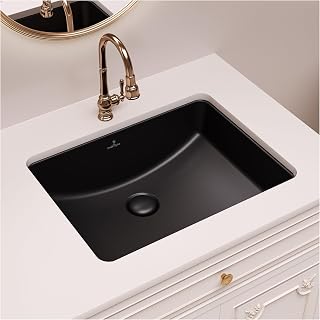


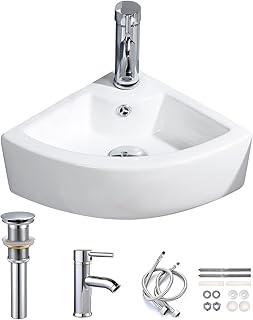
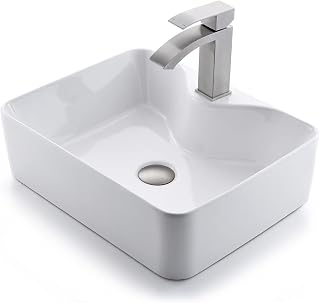


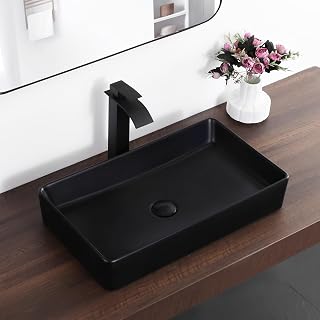


A luxury bathroom sink is more than a functional basin. In a well-designed Canadian bathroom, the sink can become a defining part of the vanity area, influencing the room's proportions, storage layout, countertop selection, lighting, hardware and overall visual character. The right choice should therefore balance appearance with dimensions, installation requirements, durability, cleaning convenience and compatibility with the rest of the bathroom.
When comparing luxury bathroom sinks for a Canadian home, look beyond photographs and headline features. Two sinks can have a similarly premium appearance while differing substantially in installation method, basin depth, overflow configuration, faucet compatibility, countertop requirements and ease of maintenance. Those details can have a significant effect on whether a sink works well once installed.
This 2026 buying guide is designed for Canadian shoppers comparing luxury bathroom sinks, vanity basins and designer-style bathroom sinks. Use it alongside current product specifications and verified customer reviews when narrowing down your choices.
A useful comparison should consider more than appearance. For a luxury bathroom sink, the most important criteria are usually a combination of construction, design, dimensions, installation, functionality and long-term practicality.
The installation style is one of the most important decisions because it affects both appearance and the design of the vanity. Before comparing individual sinks, determine which configuration fits the bathroom project.
An undermount sink is installed beneath the countertop surface, creating a clean transition between the counter and basin. This configuration is particularly suitable for contemporary and high-end vanity designs where an uninterrupted countertop appearance is desirable.
One practical advantage is that water and small amounts of debris can generally be swept from the countertop toward the basin without encountering a raised sink rim. The countertop material and fabrication method are important, however, because the sink requires an appropriate cutout and secure mounting.
Undermount sinks are often considered when using stone or engineered countertop materials. Before ordering, verify the manufacturer's dimensions and the fabricator's requirements rather than assuming that every sink with similar measurements will use the same cutout.
A vessel sink sits above the countertop rather than being positioned beneath it. It can create a strong architectural focal point and is particularly effective when the basin itself is intended to be visually prominent.
Vessel designs require careful attention to overall height. The countertop, vanity and basin work together to determine the final rim height, so selecting a vessel sink without considering the complete vanity configuration can result in an uncomfortable or impractical installation.
Faucet height also matters. A faucet designed for a conventional integrated or undermount basin may not be appropriate for a raised vessel configuration. Wall-mounted faucets or tall vessel faucets may provide better compatibility depending on the bathroom layout.
Drop-in sinks use a rim that rests on top of the countertop. They can be useful when straightforward countertop installation is a priority, although the visible rim creates a different aesthetic from an undermount design.
This style can work particularly well in renovation projects where the existing countertop or vanity construction influences the installation options. Always confirm the required cutout dimensions before purchasing.
Wall-mounted basins can create a minimalist appearance and leave the floor area beneath the sink visually open. They are useful in bathrooms where a lighter, less furniture-heavy aesthetic is desired.
Structural support is especially important. The wall, mounting hardware and plumbing arrangement must be appropriate for the selected basin. A wall-mounted sink should not be treated simply as a decorative replacement for a vanity-mounted basin.
An integrated sink combines the basin and countertop into a unified surface or coordinated unit. The result can be visually clean and particularly easy to coordinate with modern vanity designs.
The principal consideration is replacement and repair. With some integrated configurations, replacing one component can be more complicated than replacing a conventional standalone sink. Confirm exactly what is included and how the basin is manufactured before committing to the design.
Material selection affects appearance, weight, durability, cleaning requirements and installation. There is no single material that is automatically best for every Canadian bathroom.
Vitreous china and ceramic are widely used for bathroom basins because they can provide a smooth, nonporous-feeling glazed surface and a traditional bathroom appearance. White ceramic basins remain particularly versatile because they work with both classic and contemporary vanity designs.
When comparing ceramic sinks, examine the quality and consistency of the glaze, the shape of the basin and the manufacturer's installation specifications. A visually similar basin may have very different dimensions or mounting requirements.
Porcelain bathroom sinks can offer a refined appearance and are available in many traditional and contemporary forms. The surface finish is particularly important because the basin is exposed to toothpaste, cosmetics, soap, hard-water deposits and cleaning products.
Fireclay sinks are formed from clay-based material and fired at high temperatures. They are valued for their substantial appearance and distinctive finish. Their weight can be considerable, so cabinetry and countertop support should be assessed before installation.
Marble, granite, travertine and other natural stones can create a highly distinctive luxury aesthetic. However, natural stone is not maintenance-free. Depending on the stone, sealing requirements, staining sensitivity and compatibility with cleaning products should be investigated before purchase.
Natural variations in colour, veining and texture are part of the character of natural stone. If visual consistency is important, confirm what level of variation should be expected.
Solid-surface and composite bathroom sinks can provide contemporary styling with a wide range of shapes and finishes. Some designs use integrated basin-and-countertop construction, which can minimize visible seams.
For composite materials, read the manufacturer's care instructions carefully. Cleaning recommendations can differ substantially between finishes, even when two products appear similar.
Glass vessel sinks can create a striking designer appearance, especially in modern powder rooms and statement bathrooms. Their transparent or translucent characteristics can also make lighting an important part of the design.
Because glass highlights water spots and mineral deposits more readily than some opaque surfaces, maintenance expectations should be considered before choosing this style for a heavily used bathroom.
Stainless steel is less traditional in luxury residential bathrooms but can suit industrial, minimalist or contemporary interiors. It offers a different visual language from ceramic and stone and can coordinate effectively with other metallic bathroom elements.
Incorrect measurements are among the easiest ways to turn an attractive sink purchase into a difficult renovation problem. Measure the available space before comparing models.
Width determines how much countertop space remains on either side of the basin and whether the sink fits the vanity configuration. A large basin may look impressive in a product photograph but overwhelm a compact vanity.
Depth is especially important in smaller Canadian bathrooms, powder rooms and narrow vanities. Measure the available countertop depth from the wall toward the front edge and account for faucets, backsplash arrangements and clearance around the basin.
A deeper basin can provide useful capacity, but depth should be evaluated together with the vanity height and user's comfort. A very shallow basin may provide less splash containment, while an unusually deep configuration can affect ergonomics and plumbing clearance.
Height is particularly important for vessel sinks. The finished height should be calculated using the vanity, countertop and basin together. Do not evaluate the basin height in isolation.
Never assume that the advertised sink dimensions equal the required countertop cutout. Manufacturers may specify separate outer dimensions, cutout dimensions and mounting tolerances. Use the official installation documentation whenever possible.
The sink and faucet should be considered as a single design system. A luxury sink can lose both usability and visual balance when paired with an unsuitable faucet.
Check faucet reach as well as faucet height. A faucet that is tall enough may still have an unsuitable spout reach, causing water to fall too close to the back wall or too far toward the front of the basin.
Drain compatibility is an easily overlooked specification. Some bathroom sinks include an overflow opening while others do not. Drain assemblies must correspond to the basin configuration and installation requirements.
When comparing a sink, determine whether the drain is included or sold separately. Also check whether the selected drain assembly is compatible with an overflow-equipped or non-overflow basin. These details can affect both installation and final appearance.
For a coordinated luxury bathroom, the visible drain finish can be matched with the faucet and other hardware. Common finishes include chrome, brushed nickel, matte black and various warm metallic tones, although exact finish names vary between manufacturers.
White remains one of the most adaptable choices because it coordinates with a broad range of countertops, vanities and bathroom hardware. However, luxury bathroom design increasingly includes darker, warmer and more decorative finishes.
A white basin creates a clean and timeless appearance and can work with marble-look countertops, natural stone, wood-effect cabinetry and both warm and cool metallic fixtures.
Black bathroom sinks can create a dramatic focal point. They work especially well in contemporary spaces with light countertops or contrasting cabinetry. Water spots and mineral deposits may be more noticeable on dark finishes, so maintenance should be considered.
Matte surfaces can produce a softer, modern appearance than glossy finishes. They should be evaluated for cleaning requirements because the surface texture and finish can influence how visible residue becomes.
Gold-toned, bronze-toned and other decorative finishes can add visual warmth. These finishes should be coordinated with cabinet hardware, faucets, mirrors and lighting rather than selected independently.
The vanity is the visual foundation around which the sink is installed. A successful combination considers proportion, countertop space, storage and plumbing clearance.
For double-sink installations, measure the complete countertop rather than simply doubling the width of a single sink. The distance between basins, faucet positions and usable counter areas can determine whether the final layout feels spacious or crowded.
Contemporary interiors generally benefit from clean geometry, restrained detailing and coordinated finishes. Rectangular or softly rounded basins can work particularly well with modern vanities and large-format wall finishes.
Modern luxury does not necessarily mean an oversized sink. A carefully proportioned basin with a refined finish, high-quality countertop and coordinated faucet can create a more sophisticated result than adding decorative details indiscriminately.
Traditional bathrooms often suit rounded ceramic basins, classic faucet arrangements and warmer hardware. The sink should reinforce the period-inspired character rather than appear visually disconnected from it.
Minimalist bathrooms benefit from visual simplicity. Integrated and undermount designs can reduce the number of visible transitions, while a restrained colour palette keeps attention on the overall architecture.
A powder room provides an opportunity to use a more distinctive basin because the space typically receives less daily use than a family bathroom. Vessel sinks, sculptural forms and unusual finishes can work particularly well when coordinated with the mirror and lighting.
Product photography does not tell you whether a sink fits your countertop, plumbing arrangement or vanity. Always review dimensions and installation documentation.
A sink without an integrated faucet mounting position may require a countertop or wall-mounted faucet. Confirm the complete configuration before ordering.
This is particularly important for vessel basins. Calculate the finished height rather than looking only at the basin's listed height.
White finishes can vary subtly between manufacturers and materials. If the countertop, toilet, bathtub and sink are expected to look coordinated, finish compatibility matters.
Stone and heavy fireclay basins can place substantially different demands on a vanity than lightweight ceramic or composite alternatives. Check support requirements before purchase.
A dramatic finish is only a good choice if its maintenance requirements fit your household. Ask how the manufacturer recommends removing soap residue, limescale and other bathroom deposits.
Even a sink that appears to be the correct size can require a different countertop opening. Compare the manufacturer's cutout specifications with the fabricator's requirements.
The total project can also include a faucet, drain, countertop modification, mounting hardware, plumbing components and professional installation. Compare the complete installation requirement when assessing value.
Routine care should follow the manufacturer's instructions for the specific material and finish. Avoid assuming that a cleaner suitable for one sink material is automatically safe for another.
Water chemistry varies across Canada, so mineral deposits can be a practical consideration when choosing a bathroom sink. If your household regularly experiences visible limescale or mineral residue, a smooth and easy-to-clean basin may be preferable to a highly textured design.
Dark and glossy finishes can make water spots more visually apparent. This does not make them unsuitable, but it may mean that the sink needs more frequent wiping to maintain its intended appearance.
When researching a sink, consider not only how it looks when newly installed but also how its surface will look after months of ordinary bathroom use.
Bathroom renovations in Canada can involve existing plumbing locations, cabinetry dimensions and countertop constraints. A sink selected for a new-build bathroom may offer more installation flexibility than one being fitted into an existing vanity.
Before purchasing, identify whether the project is a replacement or a complete bathroom renovation. For a replacement, existing drain and water-supply locations can limit the practical options. For a new installation, you may have greater freedom to position the sink and faucet according to the desired design.
If countertop fabrication is involved, provide the sink's current manufacturer specifications to the fabricator. Do not rely solely on measurements from a retailer listing because specifications can change between models and revisions.
When several attractive models appear similar, use a structured comparison rather than relying on photographs.
Customer reviews are most useful when they are treated as supplementary evidence rather than as a substitute for manufacturer specifications. Look for patterns instead of focusing on one unusually positive or negative comment.
Useful review themes include whether the dimensions matched expectations, whether the finish arrived as described, whether installation was straightforward, whether the basin drains effectively, whether packaging protected the product and whether the surface remains easy to maintain.
Pay particular attention to reviews from buyers with a bathroom configuration similar to yours. A review from someone installing a small vessel sink in a powder room may not answer the questions of someone replacing an undermount basin in a large double vanity.
Brand familiarity can be useful when researching specifications, replacement components and installation documentation, but brand name alone should not determine the purchase. Compare the specific model and its technical documentation.
Availability, model selection, specifications and retailer options can change, so Canadian shoppers should verify current details for the exact model before purchasing.
The most expensive sink is not automatically the best choice for every bathroom. A sensible budget should account for the sink, faucet, drain assembly, countertop work, mounting requirements and professional labour where applicable.
For a premium bathroom, allocating more of the budget toward a well-proportioned basin, durable finish and compatible faucet can sometimes produce a better result than choosing an unusually elaborate sink and compromising elsewhere.
Consider the expected lifespan of the renovation as well. A bathroom used every day by a family has different priorities from a guest bathroom or powder room. Durability and ease of cleaning may deserve greater weight in a high-traffic space.
Before placing an order, work through this checklist:
For a new bathroom, start with the complete design rather than selecting the sink independently. Decide on the vanity, countertop, faucet and basin arrangement together. This approach gives you greater control over proportions and makes it easier to position plumbing correctly.
A new installation also provides an opportunity to choose the sink based on the desired user experience. If easy countertop cleaning is a priority, an undermount or integrated configuration may be attractive. If visual impact is the priority, a carefully proportioned vessel basin may make more sense.
For an existing bathroom, compatibility usually matters more than theoretical design flexibility. Begin by documenting the current vanity dimensions, countertop depth, plumbing locations and faucet arrangement.
If the existing countertop will remain, its construction can strongly influence which sink types are practical. If the countertop is being replaced, you may have more freedom but should still provide the fabricator with accurate manufacturer documentation for the selected basin.
Compact bathrooms benefit from careful proportion. A smaller basin can preserve useful counter space and improve circulation, while an excessively deep or wide basin can make the room feel crowded.
Wall-mounted and compact vessel configurations can sometimes create a lighter visual effect, while an integrated or undermount basin can provide a clean countertop profile. The best choice depends on the vanity dimensions, storage needs and plumbing arrangement.
A large bathroom offers more freedom to use generous basin proportions, double vanities and statement materials. Nevertheless, scale should remain intentional. A sink that is dramatically larger than necessary can dominate the vanity without providing meaningful functional benefits.
For double vanities, compare basin spacing, faucet placement and the amount of usable counter area between and around the basins. Symmetry is often valuable, but practical clearance should take priority.
The difficulty of installation depends on the sink type and the existing bathroom configuration. Replacing a basin with an identical installation footprint may be relatively straightforward for an experienced DIY renovator, while countertop modifications, plumbing relocation, heavy stone sinks and wall-mounted installations can require specialist skills.
Professional installation may be particularly appropriate when stone or engineered countertops need cutting, when structural support must be added, or when plumbing needs to be relocated. Follow the manufacturer's installation requirements and applicable Canadian building and plumbing requirements for the project.
Luxury is often created by proportion and coordination rather than by decoration alone. A premium-looking bathroom usually benefits from a sink whose dimensions relate naturally to the vanity and countertop, a finish that works with the room's palette and a faucet that complements the basin's geometry.
Visible quality also comes from details: consistent surface finish, clean transitions, appropriate hardware scale, thoughtful lighting and an uncluttered countertop. A relatively simple sink can look substantially more sophisticated when these surrounding elements are well coordinated.
There is no universally best type. Undermount sinks suit clean countertop designs, vessel sinks emphasize the basin as a decorative feature, integrated sinks prioritize visual continuity, and wall-mounted designs can work well in minimalist spaces. The right choice depends on the vanity, countertop, plumbing, room size and preferred maintenance routine.
They can be worthwhile when the additional cost provides a finish, material, design or installation configuration that genuinely suits the bathroom. Compare construction, dimensions, compatibility and long-term maintenance rather than assuming a higher price automatically means better quality.
Smooth, accessible surfaces generally simplify routine cleaning. Undermount and integrated configurations can also reduce some countertop transitions, although the exact ease of maintenance depends on the sink material, geometry and installation quality.
Neither is inherently better. An undermount basin provides a streamlined countertop appearance, while a vessel sink can create greater visual impact. Vessel sinks require additional attention to finished height and faucet compatibility.
Ceramic, porcelain, fireclay, stone, composite, solid surface and glass can all be suitable depending on the bathroom. Consider appearance, weight, cleaning requirements, durability expectations and installation needs before choosing.
Not necessarily. Sink and faucet are often separate purchases. Always check the exact product listing and manufacturer's specifications to determine what is included.
The required drain depends on the basin's design, overflow configuration and plumbing arrangement. Check the manufacturer's requirements before purchasing the drain assembly.
Not automatically. The vanity and countertop must provide appropriate support, and the final height needs to remain comfortable. Faucet position, drain alignment and countertop construction should also be checked.
Check the exact dimensions, material, installation method, cutout requirements, faucet configuration, overflow arrangement, included components, care instructions and current Canadian availability. Verified customer reviews can provide additional practical information about the buying and installation experience.
Routine light cleaning is generally preferable to allowing soap residue and mineral deposits to build up. Follow the manufacturer's care instructions for the particular material and finish.
Black sinks are not necessarily difficult to maintain, but water spots, soap residue and mineral deposits can be more visually noticeable on some dark finishes. Maintenance expectations should therefore be considered before choosing a dark basin.
There is no single measurement that matters in isolation. Overall width, front-to-back depth, basin depth, height, countertop cutout and plumbing location all need to work together.
The best luxury bathroom sink is the one that fits the physical space, supports the intended installation method, complements the bathroom design and remains practical to maintain. Start with measurements and installation requirements, then narrow the choices by material, finish, basin shape and visual style.
For Canadian shoppers, verify the current specifications and retailer information for the exact model before purchasing because product configurations, availability and listings can change during 2026. Read verified customer reviews for recurring installation and quality observations, but use the manufacturer's technical documentation as the primary reference for dimensions and installation requirements.
Whether you are creating a contemporary ensuite, renovating a family bathroom or upgrading a compact powder room, a carefully selected basin can provide both everyday functionality and a strong luxury design statement. The strongest purchase decision is not necessarily the most expensive option; it is the sink whose specifications, materials, proportions and maintenance requirements best match the bathroom you are actually building.