

♥ Wishlist
Compare 52 verified Home Entertainment Furniture for Stylish Canadian Living Spaces products in Canada. Reviews, ratings, pros, cons and buying advice updated for October 2026.
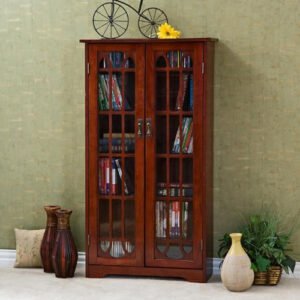
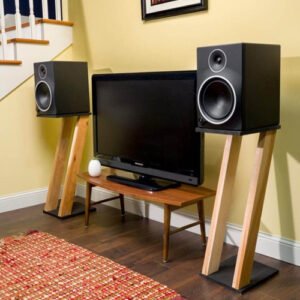
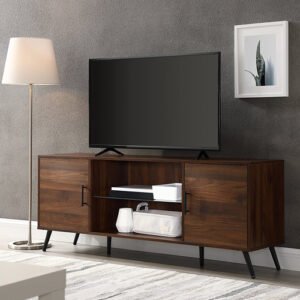
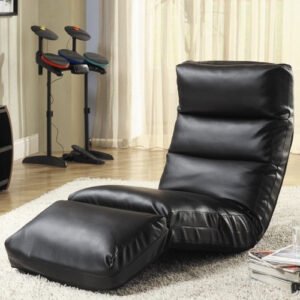


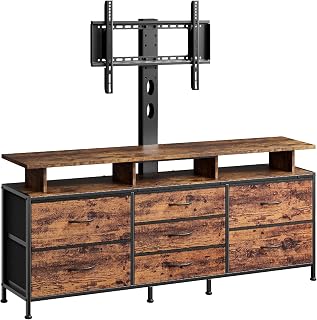
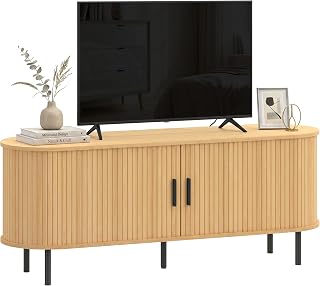


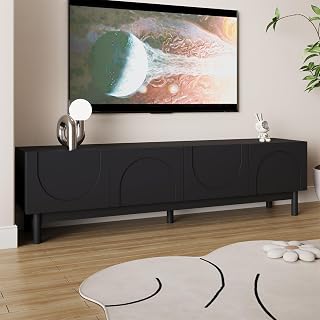


A luxury home entertainment setup is more than a television stand or media console. The right furniture has to support modern electronics, conceal cables, provide practical storage, complement the room's architecture and maintain a refined appearance over years of use. For Canadian homes, the decision also deserves attention to room dimensions, delivery considerations, construction quality and the way furniture interacts with seasonal indoor conditions.
When comparing luxury entertainment furniture, look beyond appearance alone. A dramatic finish can attract attention in a showroom, but a genuinely useful piece should also accommodate the dimensions and weight of your television, provide sensible access to connected equipment and offer enough ventilation for electronics. Storage configuration, door construction, drawer hardware, material quality and cable management can make a substantial difference to everyday usability.
This buying guide is designed for Canadian shoppers researching premium entertainment centres, luxury TV consoles, media cabinets, wall units and related home-theatre furniture in 2026. It focuses on the specifications and practical considerations that matter before purchasing rather than relying on unverified claims about individual products.
Luxury is not determined by a single material, colour or price category. In furniture, it is usually the combination of proportion, craftsmanship, finish, hardware, structural integrity and attention to functional details. A well-designed entertainment cabinet can look understated while offering significantly better construction than a visually similar budget piece.
Premium entertainment furniture may incorporate hardwood, wood veneer, engineered wood, tempered glass, metal, stone-look surfaces, lacquered panels or combinations of several materials. Each option has different advantages.
Entertainment furniture frequently carries heavy televisions, amplifiers, gaming equipment, speakers and accessories. Construction quality therefore affects both durability and safety. Examine the thickness of shelves, the way panels are joined, the quality of hinges and drawer slides, the stability of the base and the manufacturer's stated weight capacities.
Look for furniture that feels structurally coherent rather than pieces that depend primarily on decorative panels. Reinforced joints, properly supported shelves and a stable footprint are especially important for wide media consoles.
Contemporary consoles generally favour clean horizontal lines, restrained hardware and simplified silhouettes. They work particularly well with large flat-screen televisions because the furniture creates a broad visual base without competing with the screen.
For a modern Canadian living room, consider how the console's finish interacts with flooring, wall colour, lighting and nearby furniture. A high-gloss cabinet can make a room feel more polished, while matte wood tones can introduce warmth into a technology-heavy space.
Wall units combine television support with storage and architectural presence. Depending on their configuration, they can incorporate closed cabinets, open shelving, display niches and dedicated spaces for media components.
The primary consideration is scale. A wall unit that is too small can appear disconnected from the television, while an oversized arrangement can dominate a room. Measure the entire installation area before comparing styles.
Traditional designs can introduce moulding, darker timber tones, framed doors and more decorative detailing. Transitional furniture sits between traditional and contemporary aesthetics, making it useful for rooms where existing furnishings do not follow a single design language.
These styles can be particularly effective when the television needs to coexist with architectural features such as fireplaces, built-in shelving or substantial woodwork.
Minimalist furniture focuses on reducing visual clutter. Handleless doors, concealed storage, slim profiles and continuous surfaces can make cables and electronics less noticeable.
Minimalist does not necessarily mean small. A long, low cabinet can provide considerable storage while maintaining a visually simple appearance.
One of the most common mistakes when purchasing entertainment furniture is choosing a cabinet based on appearance before confirming dimensions. Start with the television, then work outward to the furniture and room.
A 65-inch television and another 65-inch television may have different overall dimensions because of bezel design, stand configuration and product architecture. The advertised screen diagonal should therefore be treated as a starting point rather than the only measurement needed.
A television does not always need to be centred on a console of exactly the same width. However, an extremely narrow cabinet beneath a very large display can look visually unstable and may provide insufficient space for components. A wider console can create a stronger horizontal composition and give additional room for speakers, décor and equipment.
Luxury furniture should make technology easier to live with, not simply hide it. Before choosing a cabinet, make an inventory of the equipment you already own and anything you expect to add.
Closed cabinets provide a cleaner appearance, while open shelving makes equipment easier to access. A combination of both is often the most versatile arrangement.
Adjustable shelves are valuable because electronics are not uniform in size. A shelf that fits a streaming device may not accommodate a full-size receiver or gaming console. Multiple shelf positions allow the furniture to evolve when equipment changes.
Drawers are useful for small accessories, remotes, controllers and cables. Cabinets are generally more appropriate for larger electronics. Consider how often each compartment will be accessed; frequently used equipment should not be placed behind complicated doors or in difficult-to-reach areas.
Cable management is one of the most important differences between furniture that merely looks attractive and furniture designed for serious entertainment use.
Look for rear cable openings, channels, removable back panels or other provisions that allow power and signal cables to pass between components without being visible from the front. Confirm that the openings are large enough for the actual connectors you use.
Ventilation deserves equal attention. AV receivers, amplifiers, game consoles and other electronics can produce substantial heat. A completely enclosed compartment may restrict airflow and contribute to elevated operating temperatures. Furniture intended to house electronics should provide an appropriate ventilation strategy, and equipment manufacturers' clearance requirements should always take priority.
If components are stored behind cabinet doors, determine how remote controls communicate with them. Some furniture uses mesh or perforated panels that allow signals to pass through, while other installations may require equipment to remain visible or use a separate control solution. This small detail can have a major effect on everyday convenience.
Television furniture increasingly has to accommodate soundbars and dedicated home-theatre speakers. Check the width, height and depth of your audio equipment before purchasing the cabinet.
A soundbar should not be positioned where the furniture blocks its acoustic output or interferes with the television's screen. If a cabinet includes an open shelf specifically for a soundbar, verify the available clearance rather than assuming every soundbar will fit.
For larger systems, an entertainment console may only be one component of the furniture arrangement. Floor-standing speakers, subwoofers and rear speakers need appropriate placement around the seating area, so the furniture should not consume space required for the audio system.
Freestanding consoles are easier to reposition and generally provide more flexibility when a room's layout changes. They can also be preferable for renters or homeowners who do not want to make permanent modifications.
Large modular or built-in-style entertainment systems can create a highly finished architectural appearance. They may integrate display storage, closed cabinetry and television placement into one composition.
The best entertainment furniture should complement the room rather than appear to have been selected independently from everything around it.
Space-efficient furniture is often more practical in condominium living areas. Prioritize depth, storage efficiency and access routes. A low-profile cabinet can provide substantial functionality without making a compact room feel crowded.
Large rooms can support wider entertainment consoles and more substantial wall units. However, simply selecting the largest available piece is not necessarily the best solution. Use the seating area, television size and surrounding architectural features to establish appropriate scale.
A basement theatre can accommodate more equipment and storage, but furniture should still account for ventilation, electrical access and comfortable viewing angles. If the room is also used for gaming, additional storage for controllers, consoles and accessories can be valuable.
When evaluating individual entertainment furniture products, create a specification checklist instead of relying solely on product photographs.
Brand recognition can be useful, but it should not replace specification-level comparison. Established furniture and home-electronics brands such as Samsung, LG, Sony, Philips, Bell'O, Walker Edison and Sauder may appear in the broader entertainment-furniture ecosystem, but the appropriate choice depends on the particular furniture design and its compatibility with the equipment.
When comparing brands or collections, examine the specific model rather than assuming that every product from a familiar name has identical construction. Manufacturing materials, dimensions, hardware and storage configurations can vary significantly between product lines.
For premium furniture, also compare the manufacturer's published care instructions and assembly information. These documents can reveal practical details that photographs do not show.
A television may fit perfectly while the receiver, soundbar or gaming equipment does not. Measure every major component before selecting the cabinet.
A deep console can reduce walking space, interfere with doors or make a room feel noticeably smaller. Measure the usable floor area, not simply the wall width.
Fully enclosed cabinetry may look exceptionally clean but can be unsuitable for heat-producing electronics if it lacks sufficient airflow.
A rear cable hole can appear useful on paper but still be inconvenient if plugs cannot pass through it comfortably. Check the dimensions and position of cable openings.
Always compare the actual television width, stand footprint and weight with the furniture's specifications.
Large luxury furniture can be difficult to move through narrow hallways, staircases and elevators. Measure the delivery route before committing to a large cabinet or wall unit.
A console that barely accommodates today's equipment may become frustrating after adding a new gaming console, receiver, soundbar or streaming device. Leave practical capacity for future changes.
Customer reviews can provide useful information, but they are most valuable when interpreted alongside specifications. Do not focus only on the overall star rating.
Look for repeated comments concerning assembly, damaged components, drawer alignment, door operation, finish quality, stability, packaging and actual storage capacity. Multiple independent comments identifying the same practical issue can be more informative than a single enthusiastic review.
Pay attention to reviews for the exact model and configuration. Similar-looking furniture from the same brand may have different construction, dimensions or hardware.
Premium furniture can retain its appearance for many years when it is maintained according to the material manufacturer's instructions.
Wood products can respond to changes in temperature and humidity. Avoid placing furniture immediately beside intense heat sources where the manufacturer does not recommend such placement. Use coasters, mats or other protective measures when appropriate for the finish.
Glass and glossy finishes can show fingerprints and dust more readily than textured or matte surfaces. Use cleaning products appropriate for the particular material and avoid abrasive methods that can create visible marks.
Televisions and furniture can create serious hazards if improperly installed or overloaded. Follow the furniture manufacturer's assembly instructions and respect every stated weight limit.
For tall cabinets and wall units, investigate the supplied or recommended anti-tip method. Where furniture is intended to be secured to a wall, use an appropriate attachment method for the wall construction and follow the manufacturer's instructions. Keep heavy objects low when the design permits it, and avoid placing items where children can easily pull them down.
Television mounting hardware has its own compatibility and load requirements. If the furniture includes a mounting structure, verify that the television's dimensions, weight and mounting pattern are supported before installation.
For a luxury entertainment room, design and functionality should be evaluated together. A visually impressive cabinet that cannot ventilate equipment, manage cables or support the television is not a strong long-term purchase.
A useful approach is to divide your decision into three categories: essential requirements, desirable features and purely aesthetic preferences. Essential requirements might include weight capacity, dimensions and equipment clearance. Desirable features could include adjustable shelves, soft-close hardware and concealed cable management. Finish, colour and decorative detailing can then be assessed without compromising functionality.
If you are narrowing a larger selection to ten finalists, use the same evaluation criteria for every product. This prevents a highly styled product photograph from receiving more attention than a better-designed alternative.
The difference between luxury and conventional entertainment furniture is not necessarily that one is functional and the other is not. The distinction is often found in materials, detailing, proportions, hardware, finish consistency and the degree to which the piece has been designed as part of the room.
Higher-end furniture can also place greater emphasis on visual continuity. Consistent grain patterns, concealed hardware, carefully aligned doors and refined proportions may be subtle, but these details can become noticeable when the furniture occupies a central position in the room.
However, shoppers should still compare measurable specifications. A premium-looking product is not automatically better for a particular television or home-theatre system.
Confirm both the television's physical dimensions and weight against the furniture manufacturer's specifications. Never assume that a cabinet is suitable simply because the television visually fits.
Measure the receiver's full dimensions and compare them with the usable internal compartment dimensions. Leave the clearance recommended by the equipment manufacturer for ventilation.
Not necessarily. Maintenance depends on the material and finish. Some premium surfaces are straightforward to maintain, while delicate high-gloss, natural wood or specialty finishes may require more careful handling.
No. Width should be proportional to the television, room and surrounding furniture. A wider console can provide useful storage, but it should not obstruct circulation or overwhelm a smaller room.
Hidden storage creates a cleaner appearance, but electronics need appropriate ventilation and remote-control access. An open shelf or ventilated compartment may be preferable for heat-producing equipment.
The best luxury home entertainment furniture is the piece that fits your actual room and equipment rather than the one with the most impressive product photograph. Start with measurements, television weight and component requirements. Then compare construction, storage, ventilation, cable management, finish and overall design.
Before purchasing, compare the exact model's specifications across reputable retailers and review current customer feedback for recurring practical issues. Check today's pricing, delivery conditions, assembly requirements and return policies independently because these details can change between retailers and over time.
For an investment-oriented purchase, give particular attention to construction quality and adaptability. Television technology and entertainment equipment can change considerably, while well-designed furniture can remain useful through multiple upgrades. A cabinet with sensible ventilation, adjustable storage, durable hardware and flexible cable management is often a more intelligent long-term choice than one selected solely for decorative appeal.
There is no single best option for every Canadian home. The right choice depends on television size, room dimensions, equipment, storage requirements, interior style and budget. Start by eliminating products that fail your dimensional, weight or ventilation requirements, then compare design and finish among the remaining options.
Look for sturdy construction, appropriate weight capacity, quality hardware, a durable finish, useful storage, adjustable shelving where appropriate, cable-management features and adequate ventilation for electronics. Proportions and finish quality should also complement the rest of the room.
Measure the television itself rather than relying exclusively on its advertised screen size. Then compare the television's width and weight with the console's usable top surface and maximum load. Also account for soundbar placement, viewing height and the space required for other equipment.
Neither material is automatically superior for every application. Solid wood offers natural character and substantial construction, while quality engineered panels can provide dimensional stability and consistent surfaces. Evaluate the actual construction, thickness, joinery, finish and intended use instead of judging solely by material labels.
It is extremely important for a multi-device entertainment system. Proper cable access keeps connections organized, reduces visible clutter and makes equipment easier to service or replace. Before buying, inspect where the openings are located and whether they can accommodate your cables and connectors.
Electronics that generate heat generally require appropriate airflow and clearance. If you plan to place equipment inside a cabinet, compare the furniture's ventilation provisions with the equipment manufacturer's requirements. Never assume that a closed compartment is suitable for every electronic component.
A low-profile console with concealed storage, clean lines and effective cable management can work well. Neutral finishes and simple hardware can reduce visual competition with a large television while keeping accessories and electronics organized.
Choose a wall unit when you want extensive integrated storage and a strong focal wall. A freestanding console is generally more flexible if you expect to rearrange the room or upgrade the television. The room's architecture and available floor space should determine the choice.
Compare the packaged and assembled dimensions where available with the narrowest points along the delivery route. Measure exterior doors, interior doors, stairways, hallways and elevators. Large furniture can be difficult to manoeuvre even when its final dimensions fit the intended room.
No. Ratings can help identify recurring satisfaction or dissatisfaction, but specifications provide the technical information needed to determine whether a product actually fits your requirements. Read model-specific reviews for comments about assembly, finish, stability, storage and hardware, and verify those observations against the manufacturer's information.
For the strongest purchasing decision, compare the shortlisted luxury entertainment furniture models side by side using the same dimensions, construction, storage, ventilation, cable-management, compatibility and maintenance criteria. That approach makes it easier to distinguish genuinely practical premium furniture from products that simply have a luxury-inspired appearance.