

♥ Wishlist
Compare 56 verified Furniture Carts for Stylish and Practical Spaces products in Canada. Reviews, ratings, pros, cons and buying advice updated for October 2026.




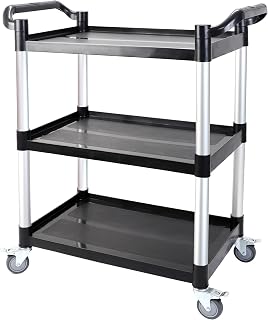

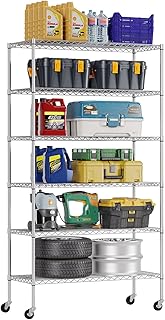


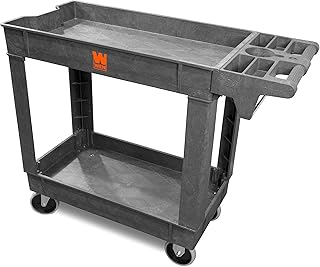


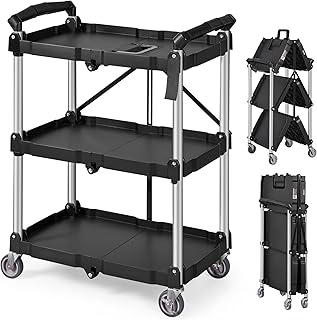


A luxury cart can be much more than a practical piece of furniture. The right design can function as a bar cart, serving trolley, drinks station, coffee station, entertaining console, bedside utility piece, or mobile display surface while adding a deliberate decorative element to a room. For Canadian homes, the best choice depends on how the cart will be used, where it will be positioned, how much weight it needs to carry, and whether its materials suit the surrounding furniture.
When comparing luxury carts in 2026, look beyond photographs and headline styling. A sophisticated appearance does not automatically indicate strong construction. Examine the frame, shelves, wheels, hardware, dimensions, finish, usable storage, and assembly requirements before deciding which model represents the best value for your space.
Luxury furniture is generally distinguished by the relationship between materials, proportions, construction details, finish quality, and overall design rather than by a single feature. With carts, these details are particularly important because the furniture is designed to move and therefore has additional mechanical components that must work well with the visual design.
Common materials include solid wood, wood veneer, engineered wood, tempered or standard glass, metal, stainless steel, brass-finish components, and combinations of these materials. The most appropriate material depends on the intended use.
Inspect the finish closely rather than choosing solely according to colour. Gold, brass, bronze, black, chrome, nickel, walnut, oak, marble-look, and high-gloss finishes can produce very different effects in the same room.
Hardware should also complement the furniture. Handles, shelf supports, wheel housings, brackets, and fasteners are small components, but they can determine whether a cart looks cohesive or inexpensive. On a premium-looking piece, these details should appear intentional rather than added as an afterthought.
A traditional bar cart usually prioritises bottle storage, glassware, serving accessories, and an attractive presentation. Look for raised edges or retaining rails where appropriate, especially if bottles and glassware will be moved around the home.
Classic designs often pair darker wood tones with metallic details. They can work particularly well with traditional, transitional, Art Deco-inspired, and eclectic interiors.
Modern carts typically use cleaner lines, simpler frames, restrained ornamentation, and materials such as black metal, glass, polished metal, or minimalist wood finishes. These designs can complement contemporary condos and open-plan living spaces where furniture needs to remain visually uncluttered.
Serving carts are designed around mobility and convenient access rather than exclusively around beverage presentation. They can be useful for dining rooms, kitchens, patios where the construction permits outdoor use, and entertaining spaces.
Pay particular attention to shelf height, edge protection, wheel design, handle placement, and the maximum stated load capacity when comparing serving-oriented models.
A drinks trolley is often selected as a decorative statement as much as a functional item. Mirrored surfaces, sculptural frames, metallic finishes, and curved silhouettes can make the cart a focal point even when it is not being used.
These designs are best evaluated according to the balance between appearance and everyday practicality. A highly decorative trolley may be ideal for occasional entertaining but less convenient if it must be moved frequently.
A dedicated coffee or tea cart can create a compact beverage station. When comparing this style, consider whether the shelves can accommodate mugs, coffee equipment, serving pieces, canisters, and other accessories without making the surface overcrowded.
Some luxury carts are better suited to displaying books, plants, sculptures, tableware, or decorative objects than to serving drinks. These models can be particularly useful when you want mobile furniture without creating the visual impression of a traditional bar.
Measure the intended location before choosing a cart. Record the available width, depth, and height, then consider the additional clearance needed to pull the cart away from a wall or navigate around furniture.
Weight capacity is especially important for carts used for bottles, cookware, appliances, glassware, books, or heavy decorative objects. Do not assume that a visually substantial cart automatically has a high load rating.
Check the manufacturer's stated capacity for the entire unit and, where provided, for individual shelves. Distribute heavier objects sensibly rather than concentrating weight on one small section of the cart.
The wheels are among the most important differences between a stationary-looking decorative cart and a genuinely useful mobile cart.
Two or more shelves can provide useful separation between bottles, glassware, serving accessories, and decorative pieces. However, the number of shelves is less important than their usable dimensions and spacing.
Check the distance between shelves if you intend to store tall bottles, coffee equipment, vases, decanters, or other oversized objects. A cart with several closely spaced shelves may provide less practical storage than a simpler design with generous vertical clearance.
Raised edges can help keep items from sliding off during movement. They are particularly useful when the cart is frequently pushed across a room, although they can slightly reduce the amount of flat usable surface.
Wood-based carts tend to create a warmer furniture aesthetic. They can blend naturally with dining tables, cabinets, sideboards, and other wooden pieces. When comparing wood products, distinguish between solid wood, veneer, and engineered wood construction instead of treating every wood appearance as equivalent.
Glass can make a luxury cart look lighter and less visually dominant. It is often attractive in contemporary interiors, but buyers should consider cleaning requirements, edge construction, shelf thickness, and whether the glass is described as tempered.
Metal frames can provide a crisp contemporary appearance and may be suitable for high-use environments. Finish durability remains important because polished or decorative surfaces can show fingerprints, scratches, or water marks more readily than textured finishes.
Combining materials can create some of the most visually versatile designs. Wood and brass can produce a classic appearance, while black metal and glass can feel contemporary. The best combination is ultimately the one that complements the existing room rather than simply following a current trend.
Canadian buyers should evaluate a cart within the context of the room, flooring, climate-controlled indoor environment, and intended use. A product that works well in a spacious detached home may not be the most practical choice for a compact condominium or apartment.
Hardwood, engineered wood, tile, laminate, vinyl, and carpet can behave differently under rolling furniture. Before buying, inspect the wheel design and consider whether the manufacturer's instructions identify compatible surfaces.
If the cart will regularly cross delicate flooring, prioritise smooth movement and avoid dragging a loaded unit. The safest approach is to follow the manufacturer's care instructions for both the furniture and the floor.
A cart can fit perfectly beside a dining table and still be inconvenient if it cannot pass through the doorway leading to that room. Measure narrow entrances, corridors, corners, and any other restricted points on the route where the cart will be moved.
Many Canadian households use indoor entertaining spaces heavily during colder months. A mobile cart can make it easier to organise drinks, coffee, snacks, tableware, or serving accessories without permanently occupying valuable counter space.
If a cart is intended for a balcony, deck, porch, or other outdoor location, verify that the specific product is explicitly suitable for outdoor conditions. Indoor luxury furniture should not automatically be assumed to be weather resistant.
Look for clean geometry, restrained detailing, neutral finishes, glass, slim metal frames, or monochromatic colour combinations. Avoid choosing a highly ornate cart simply because it appears expensive if the surrounding room is deliberately minimalist.
Warm wood, darker finishes, turned details, classic metallic accents, and more substantial proportions can complement traditional furniture. The cart should coordinate with existing cabinetry and dining furniture without requiring every finish in the room to match exactly.
Prioritise simple silhouettes, tapered or visually light supports, warm wood tones, and functional proportions. Excessively decorative hardware can compete with the understated character associated with this design direction.
Metallic accents, geometric forms, mirrored surfaces, rich colours, and strong symmetry can work well in glamorous interiors. Because these rooms already make use of decorative elements, select a cart that adds structure rather than unnecessary visual clutter.
Compact dimensions, vertical storage, manoeuvrability, and a visually open frame can be more valuable than a large serving surface. A transparent or slim-profile cart may also make a small room feel less crowded.
A polished photograph cannot reveal every aspect of construction. Before purchasing, inspect the listed materials, frame construction, shelf attachment method, caster specifications, and assembly requirements.
Furniture dimensions are easy to overlook when shopping online. Compare the listed measurements with the actual floor area available in your home rather than relying on a product photograph for scale.
Storage capacity depends on usable shelf area, shelf spacing, load limits, and accessibility. A cart with fewer but deeper shelves may be more practical than one with multiple narrow compartments.
Some furniture arrives substantially assembled, while other designs require extensive assembly. Check the product description for assembly requirements, tools, estimated assembly complexity, and whether components need to be handled carefully during installation.
If the cart will be used as a serving station, stability matters. Where available, locking casters can be useful because they allow the cart to remain stationary while items are being placed on or removed from its shelves.
Large, substantial furniture can look impressive but may be difficult to reposition once loaded. If mobility is one of the main reasons for buying a cart, consider the empty weight as well as its load capacity.
Instead of comparing products only by appearance or star rating, use a consistent checklist. This makes it easier to identify meaningful differences between models from different manufacturers.
Not every premium feature provides equal practical value. A higher price can be easier to justify when it corresponds to construction quality, useful functionality, durable materials, or a design that solves a specific space problem.
A premium appearance does not require every luxury feature available. If you are working with a defined budget, prioritise characteristics that affect everyday use.
Follow the manufacturer's cleaning instructions and avoid assuming that every wood finish can be treated with the same household product. Excess moisture should generally be avoided unless the care instructions specifically permit it.
Use a suitable glass-cleaning method and pay attention to the edges and hardware surrounding each shelf. Avoid placing excessively hot or heavy objects on glass unless the product documentation specifically indicates that it is designed for that use.
Metal finishes vary considerably. A method that is appropriate for stainless steel may not be appropriate for a decorative brass, bronze, chrome, or painted finish. Always follow the manufacturer's recommendations to minimise the risk of dulling or damaging the surface.
Inspect the wheels periodically for hair, fibres, dust, and other debris that can interfere with movement. Check that fasteners remain secure and that locking mechanisms continue to operate properly.
Good styling should leave enough usable space for the cart's intended purpose. Overloading every shelf can make even a high-quality piece look cluttered.
When researching luxury and designer-inspired carts, buyers may encounter established furniture and design brands such as Jonathan Adler, Kartell, Umbra, CB2, West Elm, and Eichholtz. These names can be useful starting points for understanding different design approaches, but a brand name alone should not determine the final purchase.
For an affiliate buying guide, compare the exact model and specification rather than assuming that all products from one manufacturer have identical construction, materials, warranty coverage, or suitability for a particular use.
The fundamental difference is usually the balance between visual design and practical utility. A utility cart may prioritise capacity, durability, easy cleaning, and low cost. A luxury cart places considerably more emphasis on furniture-like proportions, finishes, presentation, and integration with an interior.
If the cart will spend most of its time in a visible dining or living area, design quality may deserve greater weight. If it will primarily be used in a kitchen, workshop, storage area, or service environment, practical capacity and ease of cleaning may matter more than decorative detailing.
A sideboard provides greater fixed storage and a more substantial furniture presence, while a cart provides mobility. Choose a cart when flexibility and repositioning are important. Choose a sideboard when the priority is larger permanent storage and a stable serving surface.
A bar cabinet can conceal bottles and accessories, making it preferable where a cleaner appearance is desired. A cart keeps its contents visible and accessible while providing the flexibility to move the entire setup.
The decision therefore comes down to accessibility, storage style, room layout, and whether you want the beverage collection to function as part of the room's decor.
Customer reviews are useful, but individual ratings should be interpreted carefully. Look for patterns across multiple verified purchases rather than giving disproportionate weight to one enthusiastic or dissatisfied review.
Canadian shoppers should compare the complete purchase rather than focusing only on the displayed product price. Depending on the retailer and product, the final cost can be affected by applicable taxes, delivery charges, promotional pricing, membership benefits, or other retailer-specific conditions.
Because furniture specifications and retailer inventory can change, verify the current listing immediately before purchasing. Compare the exact model number where possible so that specifications and customer reviews are not accidentally mixed between similar-looking products.
It is also sensible to compare multiple trusted retailers, particularly when a designer-inspired product is sold through more than one authorised or established channel. The lowest displayed price is not automatically the best overall value if it comes with less favourable delivery, return, assembly, or warranty conditions.
There is no single luxury cart that is ideal for every Canadian household. The right choice depends on the buyer's priorities.
Before choosing a luxury cart, review the complete specification and make sure the product solves the reason you are buying it. A visually impressive cart is only a strong purchase when its dimensions, materials, mobility, storage capacity, and maintenance requirements fit your lifestyle.
A luxury cart can be used as a bar cart, serving trolley, drinks station, coffee station, display unit, or mobile storage piece. Its main advantage over fixed furniture is the ability to reposition the contents and the cart itself.
Yes, provided the dimensions and mobility suit the available space. Compact carts with slim frames and practical storage can be particularly useful where a permanent bar cabinet or sideboard would occupy too much floor area.
There is no universally best material. Wood can provide warmth, metal can create a contemporary structure, glass can make a piece feel visually lighter, and mixed materials can combine several characteristics. The best option depends on use, room style, maintenance requirements, and budget.
Locking wheels can be valuable if the cart is frequently used as a serving station. They allow the cart to remain stationary while items are placed on or removed from its shelves. They are less important if the cart is primarily decorative and rarely moved.
The appropriate capacity depends on what you intend to store. Bottles, glassware, appliances, books, and decorative objects can create very different loads. Always compare your expected contents with the manufacturer's stated weight limits.
Only when the specific model is designed and rated for outdoor use. Indoor furniture should not be assumed to withstand rain, humidity, temperature fluctuations, direct sunlight, or other outdoor conditions.
Focus on repeated feedback concerning stability, wheel movement, assembly, finish quality, dimensions, storage capacity, and long-term usability. A large number of reviews is useful, but the substance and consistency of the feedback matter more than the rating alone.
No. Higher pricing can reflect design, materials, construction, or brand positioning, but price alone does not establish suitability or quality. Compare specifications and intended use before deciding whether a premium model offers meaningful advantages for your home.
Routine maintenance should follow the manufacturer's care instructions. In general, keep surfaces clean using appropriate methods, inspect wheels and fasteners periodically, and address spills promptly using products compatible with the particular finish.
Start by eliminating models that do not fit your dimensions or functional requirements. Then compare materials, load capacity, shelf configuration, caster design, maintenance, assembly, warranty terms, and current total purchase cost. This approach is more reliable than choosing solely by average customer rating.
This buying guide is intended to support informed consumer research rather than replace the manufacturer's specifications or current retailer information. Product designs, dimensions, finishes, availability, customer feedback, and pricing can change during 2026, so shoppers should verify the details for the exact model immediately before purchase.
The strongest choice is not necessarily the most expensive or most decorative cart. It is the one that provides an appropriate combination of construction quality, useful capacity, reliable mobility, suitable dimensions, manageable maintenance, and visual compatibility with the room where it will be used.