

♥ Wishlist
Compare 41 verified Dining Room Furniture for Stylish Canadian Homes products in Canada. Reviews, ratings, pros, cons and buying advice updated for October 2026.
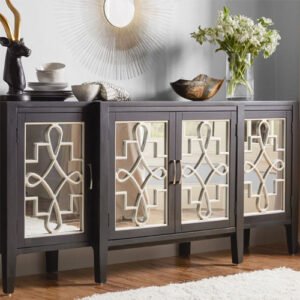
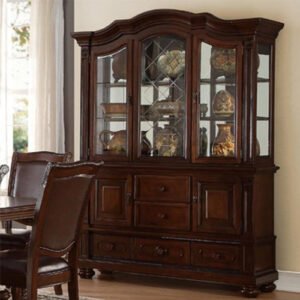
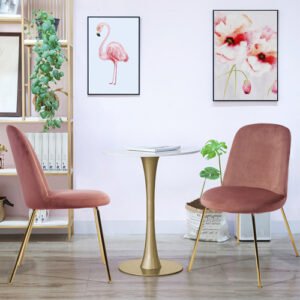
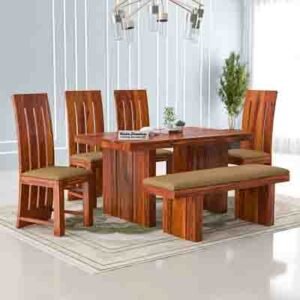
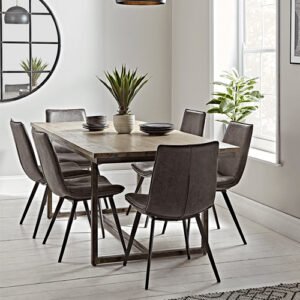

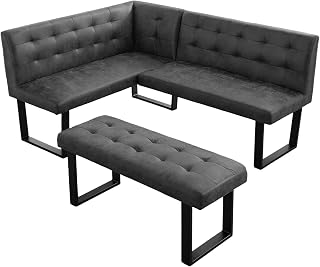


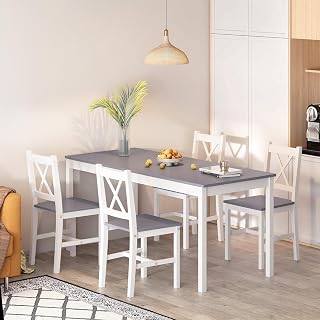


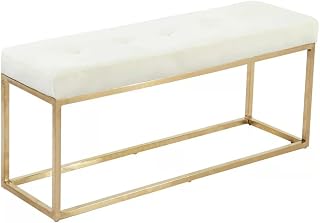


A luxury dining room is defined by more than an expensive-looking table or an ornate set of chairs. The strongest dining furniture collections balance proportion, materials, construction, comfort, durability, and visual consistency. For Canadian homes, buyers should also consider room dimensions, heating and humidity changes, flooring, delivery access, and the amount of everyday use the furniture will receive.
This buying guide is designed to help shoppers compare luxury dining room furniture collections objectively. Rather than treating a high price as proof of quality, evaluate the table, seating, storage pieces, finishes, hardware, and construction separately. A coordinated collection can create a polished dining space, but individual pieces can also be mixed when their scale, materials, and finishes work together.
Luxury styling can take many forms. Contemporary dining rooms may rely on clean silhouettes, stone surfaces, metal details, and restrained colours, while traditional interiors often use carved profiles, rich wood finishes, upholstered seating, and decorative hardware. Transitional collections sit between these approaches and can be easier to integrate into changing interiors.
The most convincing luxury dining furniture usually has visual consistency without making every piece identical. A dining table may provide the primary focal point, while chairs, a sideboard, display cabinet, or bar cabinet introduce complementary textures and finishes.
When comparing products, avoid judging a collection from a single photograph. Product photography can make furniture appear larger, darker, lighter, warmer, or more textured than it looks in a real room. Check the listed dimensions, materials, assembly requirements, care instructions, and available finish options before deciding.
The dining table is normally the largest and most visually important piece. Its dimensions determine how many people can sit comfortably and how much open space remains around the furniture. Measure the actual dining area rather than relying on the total size of the room.
Rectangular tables are versatile and work particularly well in elongated dining rooms. Round and oval tables can improve circulation and create a more conversational arrangement, while square tables can suit compact rooms with balanced proportions.
Table height, leg placement, apron design, and extension mechanisms can affect everyday comfort. A table that appears spacious on paper may provide less usable seating if thick legs or structural supports occupy the corners.
For extendable dining tables, investigate how the extension system operates and where the leaves are stored. A visually impressive table is less practical if expanding it requires difficult handling or significant rearrangement of the room.
Dining chairs experience repeated loading and movement, so construction matters. Look for a stable frame, properly supported joints, an appropriate seat height, and upholstery that suits the intended level of use.
Upholstered chairs can provide a softer, more formal appearance, while wood, metal, or molded seating may be easier to maintain. Performance depends on the particular construction and materials, so the product specification should be checked rather than assuming that one material is automatically superior.
Solid wood remains a popular choice for premium dining furniture because it provides natural grain variation and can develop character over time. Species differ considerably in hardness, grain pattern, colour, dimensional stability, and finishing characteristics.
Wood is not maintenance-free. Changes in temperature and humidity can contribute to natural movement, so follow the manufacturer's care recommendations and avoid exposing the table to excessive moisture, standing water, or unsuitable cleaning chemicals.
A quality wood veneer can provide an authentic timber appearance while allowing manufacturers to create stable panels and carefully coordinated grain patterns. Veneer should not automatically be treated as an inferior alternative to solid wood. The quality of the substrate, veneer thickness, edge treatment, finishing system, and construction all influence the finished product.
Stone-look and engineered surfaces can create a contemporary luxury appearance with strong visual impact. Their practical characteristics vary by material, so buyers should check manufacturer guidance for resistance to heat, stains, abrasion, impact, and cleaning products.
Heavy tops also introduce an important practical consideration: the weight of the finished table and the structural capacity of the base. Buyers should confirm that delivery access, flooring, and installation conditions are suitable.
Glass dining tables can visually reduce the apparent mass of furniture and work well in modern interiors. However, fingerprints, dust, edge protection, and cleaning requirements should be considered. Tempered glass may be specified for furniture applications, but the exact specification should always be confirmed for the individual product.
Metal bases paired with wood, glass, stone-look, or other surfaces can create a contemporary luxury aesthetic. Pay attention to the finish of the metal, weld quality where visible, base geometry, and the way the materials transition into one another.
Upholstery can dramatically change the appearance and comfort of a dining set. Velvet, leather, faux leather, woven fabrics, linen-look textiles, and performance-oriented upholstery each have different care requirements and visual characteristics.
A complete luxury dining room collection often includes storage furniture. A sideboard or buffet can hold table linens, serving pieces, dinnerware, glassware, and other dining accessories while giving the room a finished appearance.
Measure door openings, corridors, staircases, elevators, and the final installation area before ordering large case goods. A cabinet that fits the dining room can still be impractical if it cannot pass through the home's access points.
Open and close drawers several times when a showroom or product display allows it. Look for smooth operation, consistent gaps, appropriate hardware, and doors that remain properly aligned. Soft-close mechanisms can improve everyday usability, but their presence should not be treated as a substitute for good overall construction.
Large cabinets can provide useful capacity but may make a dining room feel crowded. Low-profile sideboards generally have a lighter visual presence, whereas tall cabinets can use vertical space efficiently. Choose according to the room's ceiling height, wall width, circulation requirements, and storage needs.
Modern luxury generally emphasizes clean lines, restrained ornamentation, contrasting materials, and carefully controlled proportions. Dark wood, neutral upholstery, stone-look surfaces, brushed metal, and sculptural table bases are common design directions.
Contemporary collections can combine rounded forms, mixed textures, neutral colours, and distinctive bases. This style is useful for buyers who want a sophisticated room without committing to highly traditional furniture.
Traditional dining furniture may incorporate carved details, mouldings, turned or substantial legs, decorative hardware, rich finishes, and upholstered seating. Because ornate furniture has a strong visual presence, room scale is especially important.
Transitional furniture combines traditional warmth with simpler modern proportions. It can be a practical choice when buyers want furniture that remains compatible with different decorating styles over time.
Glam-inspired collections often use reflective finishes, velvet upholstery, metallic accents, dramatic silhouettes, and high-contrast colour combinations. These pieces can become a strong focal point, but combining too many statement elements can make a dining room visually busy.
Do not plan seating based solely on the advertised number of chairs. The usable seating capacity depends on chair width, table leg placement, table shape, and whether diners can comfortably enter and leave their seats.
Canadian buyers should consider the home's seasonal conditions and the practical realities of moving large furniture. Wood products can respond naturally to changes in indoor humidity, while upholstery and finished surfaces can be affected by sunlight, spills, dust, and cleaning practices.
Before buying, determine whether the furniture will be placed near a radiator, heating vent, fireplace, large window, or strong source of direct sunlight. Follow the manufacturer's recommended placement and maintenance instructions for the specific material.
Delivery planning also deserves attention. Measure entrance doors, stairwells, elevators, hallways, tight turns, and the final room. For condominium buyers, confirm building delivery rules and elevator dimensions where applicable.
A smaller dining room does not require sacrificing a premium appearance. The key is selecting furniture with appropriate scale and efficient proportions.
Large rooms require furniture with enough presence to avoid looking undersized. A very small table surrounded by excessive empty floor area can make an otherwise expensive interior feel unfinished.
In a larger dining room, consider the relationship between the table, chandelier or pendant lighting, rug, artwork, sideboard, and surrounding architecture. The furniture should establish a coherent visual hierarchy rather than competing with every other feature.
Buying every item from one named collection is not always necessary. A coordinated room can combine different manufacturers when the pieces share compatible proportions, colours, materials, and design language.
For buyers researching luxury dining furniture, established furniture names can be useful starting points for comparing construction methods, design languages, materials, and collection compatibility. Examples include Ashley Furniture, Acme Furniture, Baxton Studio, Modway, Christopher Knight Home, Walker Edison, Safavieh, and HOMCOM.
Brand familiarity alone does not guarantee that a particular dining table or chair is the right choice. Product specifications can differ substantially within the same brand, so evaluate the individual item rather than assuming every product from a manufacturer has the same construction or finish.
A detailed specification sheet can reveal practical information that photographs cannot. When comparing luxury dining furniture, record the following information for every shortlisted product.
Visual design is only one part of furniture quality. For wooden pieces, inspect the type of joinery where information is available. Mortise-and-tenon, dowel, reinforced corner, metal fastener, and other construction approaches can all be appropriate depending on the design, load, material, and manufacturing method.
For upholstered seating, examine the frame, suspension or support structure, foam or filling specifications when provided, stitching, seams, and attachment points. Decorative stitching can look premium, but it should not distract from the underlying structure.
For case goods, examine panel construction, back-panel design, drawer boxes, hinges, drawer slides, adjustable shelving, and hardware. These details influence how the furniture behaves during years of normal use.
Luxury dining furniture is often available in multiple finishes, but colour names are not standardized across manufacturers. A finish described as walnut, espresso, oak, black, natural, or white can look considerably different from one brand to another.
Whenever possible, compare the actual finish sample or manufacturer-provided imagery under lighting similar to the dining room. Screen settings can change the perceived colour, while daylight and artificial lighting can alter how warm or cool a finish appears.
High-gloss surfaces can emphasize fingerprints and small imperfections, whereas matte and textured finishes may provide a more forgiving everyday appearance. Choose according to maintenance expectations as well as style.
A dining table should work visually with the rug underneath it when a rug is part of the design. The rug needs enough surrounding area for chairs to remain on the rug when pulled away from the table. An undersized rug can create an awkward appearance and may cause chair legs to catch at the edge.
When planning the complete room, consider the table, rug, lighting fixture, sideboard, wall artwork, and circulation paths together. Luxury interiors generally look more intentional when the major elements share a consistent scale.
Lighting can significantly influence the perceived quality of furniture. A sculptural chandelier can reinforce a formal dining setting, while a simple linear pendant may complement contemporary furniture more effectively.
Check the position of the lighting fixture relative to the table dimensions. A fixture that is disproportionately small can disappear above a large table, while an oversized fixture can obstruct sightlines and dominate the room.
The cheapest product is not necessarily the best value, and the most expensive product is not automatically the highest quality. Value is better assessed by considering the complete ownership proposition: materials, construction, comfort, expected use, maintenance, flexibility, dimensions, and design longevity.
For a dining table, prioritize structural stability and a finish suitable for your lifestyle. For chairs, comfort and frame construction may deserve greater emphasis. For sideboards, drawer and door functionality can be more important than decorative details.
Buyers should also distinguish between features that affect performance and features that primarily affect appearance. A sophisticated finish can justify a premium for someone focused on interior design, while another buyer may prefer to allocate more of the budget toward durable construction and comfortable seating.
Customer reviews can help identify recurring practical issues, but they should be interpreted carefully. One unusually positive or negative review provides limited evidence. Look for repeated observations about assembly, dimensions, stability, finish appearance, upholstery, packaging, and long-term usability.
Pay particular attention to reviews that explain how the furniture was used and how it compares with the product specifications. A complaint about a chair being too large, for example, may actually reflect a mismatch between the buyer's room and the published dimensions rather than a manufacturing defect.
When researching products through Amazon or other trusted retailers, compare the product specification with customer feedback rather than relying on star ratings alone.
Choose finishes and upholstery that tolerate frequent use and straightforward cleaning. A practical table with comfortable, durable seating may be a better investment than a highly delicate formal set.
Prioritize seating flexibility, an appropriately sized table, and convenient storage. An extendable table can be particularly useful if the normal household size is smaller than the number of guests hosted occasionally.
Formal spaces can accommodate more decorative furniture, richer finishes, statement upholstery, and larger storage pieces. Proportion remains critical: ornate furniture needs enough surrounding space to be appreciated.
The dining set should coordinate with the adjacent kitchen and living area. Repeating a wood tone, metal finish, upholstery colour, or architectural shape can connect the spaces without making every item identical.
Proper maintenance begins with following the manufacturer's instructions for the exact product. Different finishes that look similar may respond differently to water, cleaners, heat, alcohol, abrasives, and prolonged exposure to sunlight.
Furniture longevity is influenced by construction, environment, usage, maintenance, and handling. Avoid dragging heavy dining tables across floors, especially when they have delicate bases or adjustable components. Lift or use appropriate moving methods according to the manufacturer's guidance.
For wooden furniture, maintaining a reasonably stable indoor environment can help reduce excessive seasonal movement. For upholstered chairs, regular gentle cleaning and prompt attention to spills can help preserve appearance.
Furniture should also be inspected after relocation or assembly. Loose connections, uneven legs, damaged hardware, or misaligned doors should be addressed rather than ignored.
Use the following checklist when narrowing a shortlist of products for a Canadian dining room.
There is no single best collection for every Canadian home. The right choice depends on room size, seating requirements, preferred materials, interior style, maintenance expectations, and budget. Compare the specifications and construction of individual products rather than selecting solely by brand name or appearance.
Not necessarily. Solid wood offers natural timber characteristics, while quality veneer can provide attractive grain patterns and stable panel construction. The quality of the overall construction, substrate, finish, joinery, and design should be considered alongside the material category.
The appropriate number depends on table length or diameter, chair width, leg placement, and desired comfort. Follow the manufacturer's seating guidance and physically consider how much space each diner needs rather than filling every possible position.
They can be particularly useful when everyday dining involves fewer people than occasional entertaining. Before purchasing, check the extension mechanism, storage arrangement for leaves, expanded dimensions, and whether the table remains stable in both configurations.
There is no universal best colour. Natural wood, dark walnut-inspired finishes, black, cream, white, grey, taupe, and mixed neutral palettes can all create sophisticated interiors. Choose a finish that works with the undertones of your flooring, walls, cabinetry, lighting, and surrounding furniture.
The best material depends on usage. Upholstered seating can prioritize comfort and softness, while wood and some synthetic or metal designs may be easier to wipe clean. Compare the specific upholstery, frame construction, cleaning instructions, and expected level of wear.
Follow the care instructions supplied with the individual product. Avoid assuming that all wood finishes can tolerate the same cleaners. Promptly removing spills and avoiding excessive moisture or abrasive products are generally important considerations, but the manufacturer's instructions should take priority.
Yes. Mixing brands can produce a more individualized interior when the pieces share compatible proportions, finishes, materials, and design characteristics. A dining table from one manufacturer can work with chairs or storage furniture from another when the overall composition is intentional.
Check assembled dimensions, weight, material specifications, assembly requirements, extension details, packaging dimensions when provided, and the route into your home. Measure doors, hallways, stairs, elevators, and turns instead of measuring only the dining room itself.
Focus on proportion, lighting, coordinated materials, comfortable seating, uncluttered surfaces, and a cohesive colour palette. A well-scaled dining table with appropriately sized chairs and a carefully selected light fixture can look more sophisticated than a room filled with unrelated expensive pieces.
The strongest luxury dining room purchase is the one that performs well in the context of your actual home. Before choosing a product, compare its dimensions, materials, construction, comfort, maintenance requirements, storage capacity, and delivery considerations. Then assess how it works with your existing architecture and décor.
For Canadian shoppers, product specifications and current retailer information should be checked immediately before purchase because availability, configurations, colours, and pricing can change. Customer reviews are useful for identifying recurring practical experiences, but they should complement rather than replace the manufacturer's specifications.
Whether your preferred look is modern, contemporary, traditional, transitional, or glam, a considered combination of table, chairs, storage, lighting, and accessories will generally produce a more convincing result than selecting individual pieces based only on photographs. Use the comparison criteria in this guide to narrow the field and choose furniture that fits both your room and your everyday lifestyle.