

♥ Wishlist
Compare 58 verified Media Storage Furniture for Stylish, Organised Living Rooms products in Canada. Reviews, ratings, pros, cons and buying advice updated for October 2026.


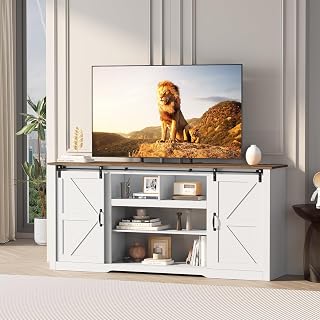


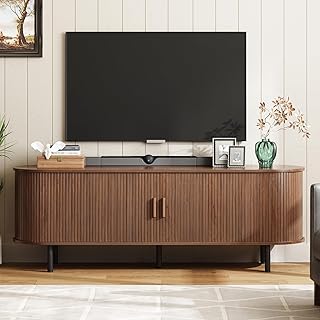
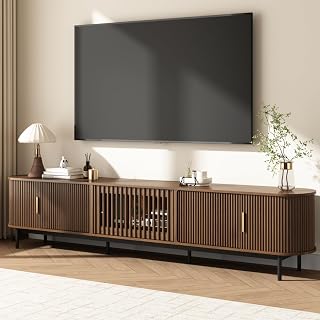


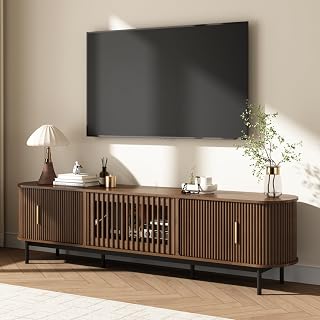


Luxury media storage is no longer simply a place to hide a television receiver, game console, or collection of discs. The right piece can become an important architectural element in a living room, media room, condo, apartment, or open-plan family space. For Canadian buyers, the best choice balances visual design with practical storage, equipment ventilation, cable management, structural quality, and compatibility with the dimensions of modern entertainment equipment.
This buying guide is designed for shoppers comparing luxury media storage collections in Canada in 2026. Rather than focusing only on appearance, evaluate the complete product: materials, construction, dimensions, internal layout, door configuration, ventilation, weight capacity, cable routing, assembly requirements, and long-term suitability for your room.
Product specifications, customer feedback, retailer availability, and prices can change during the year. Before purchasing, compare the current specifications and verified customer reviews for the exact model or configuration you are considering.
A premium appearance comes from more than a high price or decorative finish. Well-designed luxury media furniture usually combines proportion, material consistency, hardware quality, useful storage, and a finish that works with the surrounding interior.
For example, a cabinet with carefully aligned doors and drawers can look substantially more refined than a similar-sized unit with uneven gaps or visually busy hardware. Likewise, a restrained wood finish, stone-look surface, smoked glass, metal detailing, or high-quality veneer can create a sophisticated appearance without overwhelming the television or artwork around it.
When comparing luxury media storage, look beyond product photography. Examine the dimensions, construction details, internal photographs, door and drawer layout, available finishes, and installation requirements. A beautiful cabinet that cannot accommodate your equipment is not a practical luxury purchase.
Material selection has a major effect on appearance, durability, maintenance, and perceived quality. Two cabinets can have almost identical dimensions while feeling completely different because of the materials and construction methods used.
Solid wood can provide a warm, substantial appearance and is particularly appropriate for traditional, transitional, rustic, and contemporary interiors. Natural wood also develops character over time, although changes in temperature and humidity can affect wood components.
When comparing solid-wood media furniture, identify which parts are actually solid wood. A product may combine solid wood with engineered panels or veneer, which is not necessarily a disadvantage. The important consideration is whether the construction is appropriate for the intended use and whether the finish meets your expectations.
Quality veneer can provide the appearance of natural timber while allowing manufacturers to create more dimensionally stable furniture components. Veneered furniture can be an excellent choice for large media cabinets because broad panels need to remain visually consistent.
Inspect descriptions for information about the veneer species, substrate, edge treatment, and finish. Terms such as wood-look or wood-effect do not necessarily indicate genuine wood veneer.
Engineered wood products can offer a practical combination of stability, consistent surfaces, and affordability. MDF is commonly used for painted furniture and components requiring a smooth finish. Particleboard-based construction can also be perfectly serviceable when properly engineered, although shoppers should pay attention to panel thickness, edge finishing, hardware attachment, and overall construction.
Glass doors can give media furniture a lighter visual appearance while allowing remote controls and equipment to remain accessible. Tinted, smoked, or darkened glass can create a sophisticated look, while clear glass provides greater visibility of the equipment inside.
Consider whether the glass is tempered, how the doors open, and whether fingerprints will be noticeable in your intended location. Homes with young children or pets may also benefit from carefully considering door construction and stability.
Metal legs, frames, handles, and trim can complement contemporary and industrial interiors. Brass, bronze, black, brushed metal, and other finishes can change the visual character of the same cabinet considerably.
Do not judge hardware solely by colour. Look at how handles are attached, how doors are supported, and whether moving components appear suitable for repeated everyday use.
One of the most common mistakes when buying media furniture online is choosing a cabinet based on its appearance without measuring the actual installation area. Luxury media storage can be visually impressive while still being unsuitable for a particular wall.
Start with the television's actual width rather than relying only on its advertised screen size. A 65-inch, 75-inch, or 85-inch television can have different physical dimensions depending on the manufacturer and design.
Measure the width, height, depth, stand dimensions, and position of any legs or central pedestal. If the television will sit on the furniture, confirm that the entire base fits securely within the manufacturer's recommended support area.
Depth is especially important for media equipment. A cabinet may appear large enough from the front but provide insufficient usable space behind the doors. Account for the equipment itself plus cables, connectors, ventilation space, and any rear-panel protrusions.
Do not assume that a stated cabinet depth represents the usable internal depth. Back panels, shelves, doors, and cable-routing spaces can reduce the available area.
A media cabinet should look intentional beneath the television. A unit that is dramatically narrower than the screen can appear undersized, while an excessively wide cabinet may dominate a compact room.
There is no single universal width that works for every television or interior. Instead, compare the television width with the furniture width, wall dimensions, viewing distance, surrounding furniture, and overall design style.
In a spacious room, a long low console can create a strong horizontal visual line. In a smaller Canadian condo or apartment, a compact cabinet with efficient vertical storage may make better use of the available floor area.
The best luxury media storage does more than conceal a television receiver. Consider everything you expect to keep inside it before deciding how many doors, drawers, shelves, and compartments you need.
Adjustable shelving provides flexibility when equipment changes. This is particularly valuable for media furniture because electronics vary substantially in height and depth.
Check the shelf adjustment system, the number of positions available, and the stated or manufacturer-supported load capacity. A fixed shelf may look cleaner but can become restrictive if you replace a compact streaming device with larger audio or gaming equipment.
Drawers are convenient for small accessories, controllers, cables, batteries, remotes, and other items that are difficult to organise on open shelves. Enclosed cabinet compartments are generally more suitable for larger electronics and decorative objects.
A combination of drawers and cupboards often provides the best balance between organisation and concealed storage.
Ventilation is an important technical consideration that is frequently overlooked because it is not obvious in lifestyle photographs. Electronics can generate heat during operation, and enclosing equipment in a poorly ventilated compartment can interfere with normal heat dissipation.
Look for rear openings, ventilation slots, breathable cabinet sections, perforated panels, or sufficient clearance around equipment. Follow the requirements supplied by the manufacturer of each electronic component rather than assuming that a cabinet is automatically suitable because it is marketed as media furniture.
Do not place heat-generating equipment in a tightly enclosed space simply because it fits dimensionally. Usable media storage must provide appropriate airflow as well as physical room.
Premium media furniture should help keep cables organised. Poor cable management can undermine an otherwise sophisticated room by leaving power cords, HDMI cables, network cables, speaker wires, and charging leads tangled behind the cabinet.
Before buying, look for rear cable cut-outs, channels, removable rear panels, or openings between compartments. Check where those openings are positioned relative to your wall outlets and television connection points.
Remember that cable management is not only about appearance. Avoid tightly bending cables, blocking ventilation openings, or placing power connections where they cannot be safely accessed.
Closed cabinets provide a cleaner visual appearance and can hide cables, consoles, accessories, and clutter. They are often the preferred option for minimalist and luxury interiors.
The disadvantage is that enclosed spaces require careful attention to ventilation and remote-control compatibility. Check how the electronics are intended to receive signals before placing them behind solid doors.
Open shelving makes equipment easier to access and can improve airflow. It also allows decorative objects, books, speakers, or carefully arranged media collections to become part of the room's design.
The trade-off is that cables and equipment remain visible. Open shelving therefore works best when the stored items are intentionally organised.
Hybrid media storage combines open and enclosed sections. This approach can be particularly effective when you want frequently used equipment accessible while keeping cables, accessories, and miscellaneous items concealed.
Media furniture can use hinged doors, sliding doors, lift-up doors, tambour panels, glass doors, or combinations of these designs. Each has different implications for access and room layout.
Wall-mounted media storage creates a floating appearance and can make a room feel more open. It can also simplify floor cleaning. However, installation requires appropriate wall construction, mounting hardware, and careful consideration of the combined load.
Freestanding furniture is generally easier to reposition and may offer greater storage volume. It can also be a better choice for renters or anyone who does not want to make significant changes to a wall.
For either design, confirm the manufacturer's installation instructions and weight requirements. Never assume that a wall-mounted cabinet can be attached safely to any wall without identifying the appropriate structural support.
Minimalist media cabinets typically emphasise clean lines, concealed storage, simple hardware, and restrained finishes. They work well when the television should integrate quietly into the room rather than become a dominant decorative feature.
Contemporary designs often combine wood tones with dark finishes, glass, metal, or sculptural legs. This style offers flexibility for modern living rooms and open-plan spaces.
Mid-century-inspired media furniture commonly uses warm wood tones, tapered legs, clean horizontal forms, and understated handles. The style can add warmth without making the entertainment area feel overly traditional.
Traditional and transitional cabinets can feature moulded details, richer wood finishes, framed doors, substantial hardware, and more decorative proportions. These pieces can complement formal living rooms and interiors containing classic wood furniture.
Industrial-inspired storage often combines wood-effect or natural wood surfaces with black metal or other contrasting structural elements. It can work particularly well in loft-style interiors and spaces where exposed materials are already part of the design.
Canadian condo and apartment buyers often need to maximise storage without making a room feel crowded. In these spaces, every centimetre of depth can matter.
Larger rooms create different challenges. A compact console can appear lost beneath a large television or on a wide feature wall. Long media consoles, modular arrangements, or coordinated storage towers can provide stronger visual balance.
However, increasing furniture width should not mean adding unnecessary storage. Consider what you actually intend to store and whether the additional cabinet volume contributes to the room's design.
Price alone does not reveal whether a media cabinet represents good value. Instead, compare what you receive for the cost.
Brand familiarity can be useful, but it should never replace model-level comparison. In the Canadian market, shoppers may encounter furniture from brands and retailers such as IKEA, Wayfair, Structube, Best Buy, Ashley, Sauder, Walker Edison, and other established furniture or home-goods suppliers. Availability, construction, product ranges, and individual models vary, so compare the exact product rather than assuming every item from a particular brand has the same quality.
For luxury-oriented interiors, also compare specialist furniture collections and premium manufacturers when the design, materials, and construction justify the additional cost. The most suitable choice depends on whether your priority is authentic material, distinctive design, maximum storage, equipment functionality, or overall value.
Customer reviews can provide useful information, but the most valuable approach is to look for recurring observations rather than focusing on a single five-star or one-star comment.
Give greater weight to reviews that explain the buyer's setup, dimensions, installation method, and use case. A complaint from someone using a cabinet for equipment far beyond its intended purpose may not be relevant to your own situation.
A television's diagonal screen measurement does not tell you whether its stand, cables, and surrounding equipment will fit the cabinet.
External dimensions can be misleading. Confirm usable internal dimensions and allow room for cables and ventilation.
A cabinet may look exceptional in a product photograph but become frustrating if drawers are too shallow, doors block remote signals, or equipment overheats inside an enclosed compartment.
Measure the space required for doors and drawers to open fully. This is especially important in compact rooms and spaces with sofas positioned close to the cabinet.
Large luxury furniture can be difficult to move through narrow doorways, staircases, corridors, and elevators. Measure the packaged dimensions when available rather than checking only the assembled dimensions.
Large cabinets may contain many panels, hinges, shelves, and hardware pieces. Review assembly requirements before purchasing, particularly if the finished unit is large or heavy.
Canadian homes can experience substantial seasonal changes in indoor conditions. Wood and wood-based furniture should be protected from excessive moisture, prolonged dryness, direct heat, and strong direct sunlight where possible.
Place furniture away from heat sources unless the manufacturer specifically indicates otherwise. Avoid allowing water or cleaning products to sit on finished surfaces, and use cleaning methods appropriate for the particular material and finish.
Natural wood can respond to environmental changes. Following the manufacturer's care instructions is preferable to applying generic furniture treatments that may not be suitable for a particular finish.
Gaming setups can place different demands on furniture because consoles, controllers, charging accessories, headsets, games, and networking equipment can accumulate quickly.
Look for a cabinet with adequate depth, flexible shelving, convenient cable openings, and sufficient ventilation. If multiple consoles or high-performance equipment will operate simultaneously, do not treat enclosed storage as automatically suitable. Follow each manufacturer's ventilation recommendations.
Drawers can be especially useful for controllers and smaller accessories, while open or ventilated compartments may be preferable for equipment that produces substantial heat.
Audio equipment can require more space than a basic streaming setup. AV receivers, amplifiers, media players, speakers, and related components should be measured individually.
Check the required clearance above and around heat-producing equipment. Also consider whether the furniture allows cables to exit without creating sharp bends or excessive pressure on connectors.
If speakers are positioned inside or directly adjacent to furniture, consider the acoustic implications of the cabinet layout. A storage cabinet should not be assumed to function as an acoustically neutral speaker enclosure.
A coordinated collection can create a more intentional interior by matching the media console with sideboards, bookcases, display cabinets, or storage towers. This can be particularly effective in open-plan rooms where the television wall is visible from several areas.
However, buying an entire collection is not always the best value. Compare the individual dimensions and storage requirements of each piece. A single high-quality console may create a cleaner result than several unnecessary matching cabinets.
Freestanding furniture offers flexibility. It can be moved, replaced, or rearranged as your room changes. A built-in-style arrangement can provide a more architectural appearance but may require more careful planning and installation.
If you prefer a built-in look without permanent construction, consider modular storage that can be arranged around the television. Check whether individual pieces are designed to be combined safely and whether the manufacturer provides specific instructions for securing them together.
A successful media wall should balance the television, storage, lighting, artwork, and surrounding furniture. Start by establishing the television position and viewing height. Then determine where equipment, power, networking, and other connections need to go.
Once the functional layout is established, use the furniture finish and proportions to create the desired visual effect. Dark cabinets can create contrast against a light wall, while warm wood tones can soften a modern interior. Neutral finishes can provide more flexibility if you expect to change your television or décor in the future.
Avoid filling every available shelf. Negative space can make expensive furniture appear more refined and gives decorative objects room to breathe.
When several products appear similar, prioritise features according to your actual use rather than paying for decorative details you do not need.
When two products have similar styling, create a simple comparison based on measurable characteristics rather than photographs alone. Compare overall width, depth, height, internal compartment dimensions, shelf adjustability, material composition, ventilation, cable access, storage configuration, assembly requirements, and current customer feedback.
Then consider the less obvious differences. One cabinet may have a slightly larger footprint but substantially more usable storage. Another may cost more because of its materials or hardware but provide a finish that better suits a premium interior. A third may have excellent styling but insufficient ventilation for a gaming or home-theatre setup.
The better purchase is the one that satisfies the complete requirements of your room and equipment, not necessarily the one with the most impressive product photograph.
There is no single best option for every Canadian home. The right choice depends on television size, equipment dimensions, available wall space, storage requirements, preferred materials, interior style, and budget. Compare the exact specifications and current verified customer feedback before making a decision.
The appropriate width depends on the television's physical dimensions and the proportions of the room. Measure the actual television width and compare it with the cabinet dimensions rather than choosing solely by advertised screen size.
It can if the furniture is specifically designed and rated for the television's dimensions and weight. Confirm the manufacturer's stated weight capacity and the compatibility of the television stand with the cabinet's supporting surface.
Yes. Quality wood veneer can provide an authentic wood appearance and can be well suited to large furniture panels. Evaluate the complete construction rather than assuming solid wood is automatically superior for every application.
No. Different materials have different advantages. Solid wood can offer natural character and substantial construction, while engineered materials can provide dimensional stability and consistent surfaces. The quality of the overall design and construction matters more than one material label alone.
Only when the cabinet provides appropriate airflow and the equipment manufacturer permits that type of installation. Heat-producing electronics require sufficient clearance and ventilation.
They can be practical when you want equipment visibility or a lighter visual appearance. Check the type of glass, door construction, remote-control compatibility, and ventilation before purchasing.
There is no single feature, but adequate ventilation, usable depth, cable management, flexible shelving, and accessible storage are particularly important for gaming setups with multiple devices and accessories.
It is highly important for a clean media installation. Rear openings and routing channels can make power and signal cables easier to organise while reducing visible clutter.
Choose closed storage when concealment and visual simplicity are priorities. Choose open storage when airflow and easy access are more important. A hybrid design can provide a useful compromise.
Look for recurring comments about assembly, sturdiness, finish quality, dimensions, storage capacity, door alignment, cable management, and damage during delivery. Reviews are most useful when the reviewer describes a setup similar to yours.
Yes, provided the dimensions are appropriate. Compact-depth consoles, efficient storage, sliding doors, and carefully planned cable routing can make premium-looking media furniture practical in smaller rooms.
There is no fixed replacement schedule. A well-maintained cabinet can remain useful for many years if its structure and finish remain in good condition. Choose adaptable storage so that changing televisions and electronics do not immediately make the furniture obsolete.
The strongest luxury media storage purchase is one that combines design with measurable practicality. Start with the dimensions of your television, room, wall, and equipment. Then compare construction materials, storage capacity, ventilation, cable management, hardware, finish, installation requirements, and current customer feedback.
For Canadian shoppers, also consider the realities of the room itself: condo restrictions, heating systems, seasonal indoor conditions, delivery access, available floor space, and the equipment you expect to use over the next several years.
Do not select a media cabinet solely because it looks luxurious in a photograph. A genuinely successful piece should organise your equipment, conceal clutter, support the intended television setup, provide appropriate airflow, complement your interior, and remain useful as technology changes.
Before purchasing, compare the latest specifications and verified customer reviews for the exact model, check today's Canadian pricing and retailer terms, and confirm that the dimensions and installation requirements work for your home. Taking those steps can turn a visually appealing media console into a genuinely practical long-term furniture investment.