

♥ Wishlist
Compare 61 verified Outdoor Canopies for Comfortable Outdoor Spaces products in Canada. Reviews, ratings, pros, cons and buying advice updated for October 2026.


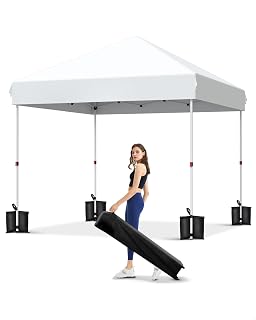

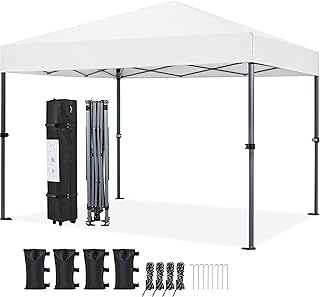

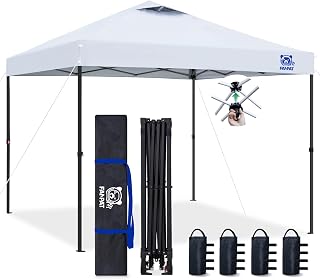


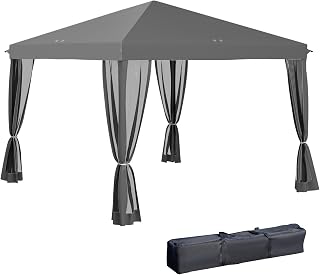


A luxury outdoor canopy is more than a decorative addition to a patio, deck, balcony, pool area, or garden. In Canada, the right choice needs to balance appearance with structural stability, weather resistance, usable shade, drainage, fabric performance, and practical maintenance. A canopy that looks impressive in product photography may not be the best fit for a Canadian outdoor space if its dimensions, anchoring system, materials, or weather limitations do not match the intended location.
For 2026, compare the complete specification rather than judging a canopy by its appearance alone. Pay particular attention to frame construction, canopy material, dimensions, anchoring requirements, ventilation, adjustability, replacement components, and the manufacturer's stated operating conditions.
Luxury outdoor furniture is generally distinguished by a combination of design, materials, finish quality, comfort, durability, and attention to detail. With canopies, these qualities are visible in the proportions of the frame, the quality of the fabric, the smoothness of moving parts, the stability of the structure, and how well the canopy integrates with surrounding furniture.
Aluminium is frequently considered for premium outdoor structures because it combines relatively low weight with useful corrosion resistance. Powder-coated aluminium can also provide a finished appearance in colours ranging from black and charcoal to white and metallic tones.
When comparing aluminium models, do not stop at the word "aluminium." Examine the stated frame dimensions, construction method, coating information, connection points, fasteners, and anchoring system. A lightweight structure can be convenient to assemble, but its stability depends on the complete design and installation rather than material choice alone.
Steel can provide substantial structural strength and a solid feel. Its suitability outdoors depends heavily on its protective finish and the manufacturer's corrosion-resistance provisions. Scratches, chips, standing water, and neglected fasteners can become maintenance concerns over time.
For Canadian buyers, investigate whether the manufacturer specifies how the frame should be protected during periods of severe weather and whether the structure should be dismantled or stored during winter.
Wood can produce a warm, architectural appearance that works particularly well with traditional gardens, natural landscaping, and premium patio furniture. However, real wood normally requires more maintenance than metal and may need periodic cleaning, sealing, staining, or other care depending on the species and finish.
Wood-look materials can provide a similar visual character with different maintenance requirements. Compare the construction details rather than assuming that a wood-effect finish will perform identically to solid timber.
The canopy itself deserves as much attention as the frame. Outdoor textiles can differ substantially in thickness, weave, coating, UV resistance, water resistance, breathability, colour stability, and cleaning requirements.
The best canopy type depends on how the outdoor space is used. A fixed structure can create a strong architectural focal point, while a retractable system offers greater control over exposure to sunlight. Louvered designs can provide another level of adjustability, but their mechanical components may require more careful maintenance.
Retractable systems are useful when you want both open-sky access and adjustable shade. Manual designs can be straightforward and do not depend on electrical infrastructure. Motorized models can provide greater convenience, particularly for large structures, but buyers should consider electrical installation, controls, weather limitations, and maintenance requirements.
Fixed canopies provide continuous overhead coverage and can create a permanent outdoor room. They can be especially attractive over dining areas, seating arrangements, outdoor kitchens, and entertainment zones. Their principal consideration is that the structure cannot simply be retracted when weather or sunlight conditions change.
Louvered systems use adjustable slats to alter overhead coverage. This can make them appealing for buyers who want greater control of sunlight and airflow. More moving parts also mean more components to inspect and maintain. Check the manufacturer's instructions concerning lubrication, cleaning, drainage, operation in strong wind, and winter conditions.
Choosing dimensions solely from the listed canopy footprint can lead to disappointment. Measure the actual usable area and account for furniture placement, circulation paths, doors, stairs, railings, walls, planters, grills, lighting, and other fixed features.
For a dining arrangement, consider the table and chairs together with sufficient clearance for people to pull chairs away from the table. For a lounge arrangement, measure the entire seating group rather than just the sofa. A canopy that barely covers the furniture may offer inadequate shade once the sun moves across the sky.
Outdoor furniture in Canada can encounter very different conditions depending on the province, elevation, exposure, and season. A canopy suitable for a sheltered urban patio may not be appropriate for an exposed deck or a location with substantial winter snowfall.
Wind resistance is one of the most important considerations. A canopy presents a large surface area to moving air, so stability depends on its frame, footprint, anchoring method, installation surface, and configuration. Never assume that a heavy-looking canopy is automatically safe in strong wind.
Follow the manufacturer's wind guidance and instructions for securing, retracting, removing, or storing the canopy. If the manufacturer specifies that the structure must not remain assembled under particular conditions, that limitation should outweigh aesthetic preferences.
Water-resistant fabric is not necessarily waterproof fabric, and a canopy designed for shade may not be designed for prolonged rainfall. Look for clearly stated water-management features such as sloped fabric, drainage channels, integrated gutters, or engineered runoff paths.
Standing water can add weight and place unnecessary stress on fabric, connections, and the supporting structure. Good drainage is therefore a functional feature rather than simply a comfort benefit.
Snow deserves particular attention in Canada. Unless the manufacturer specifically provides suitable snow-load information, do not assume a canopy is intended to carry accumulated snow. Retractable fabric systems, lightweight structures, and adjustable components may have specific winter restrictions.
Before purchasing, determine whether the canopy can be dismantled, whether fabric components can be stored indoors, and whether the manufacturer provides seasonal-use instructions.
Intense sunlight can gradually affect outdoor textiles, coatings, plastics, and finishes. UV-resistant materials can help, but no outdoor fabric should be expected to remain visually unchanged indefinitely. A canopy positioned in full sun throughout the day generally requires more attention to fabric quality than one installed in a naturally shaded location.
Anchoring is fundamental to canopy safety and performance. The same structure can behave very differently when installed on a solid concrete surface, a wooden deck, pavers, soil, or another substrate.
Review the supplied hardware and determine what type of surface the installation instructions support. If the product requires additional anchoring hardware, concrete work, professional installation, or electrical work, include those requirements when comparing the overall purchase decision.
Motorization can turn a canopy into a highly convenient outdoor shade system, but it introduces additional technical considerations. Buyers should evaluate the complete system rather than focusing only on whether a remote control is included.
A useful comparison should put competing products on the same criteria. A canopy with a lower purchase price may not represent better value if it requires more installation work, has fewer adjustment options, uses lower-grade materials, or lacks replaceable components.
A premium-looking frame does not automatically indicate superior weather performance. Always compare the technical specification, materials, installation requirements, and operating limitations.
Buyers sometimes select a canopy before determining whether the intended deck, patio, or ground surface can accommodate the required anchoring system. Confirm the installation method first.
Outdoor products often distinguish between water resistance, waterproof construction, drainage, and weather protection. Read the manufacturer's definitions and limitations carefully.
Canadian seasonal conditions can make storage a major consideration. A canopy may be an excellent summer purchase but inconvenient if its fabric, louvers, or entire frame require substantial winter preparation.
Check the lowest usable clearance rather than only the maximum overall height. Consider ceiling-like components, hanging lights, fans, roof mechanisms, and the height of people using the space.
Canopy fabric, fasteners, wheels, mechanical components, and other parts can eventually require replacement. Products designed with replaceable components can be easier to maintain over a longer ownership period.
Not every premium feature adds meaningful value for every buyer. Prioritize features according to the way the space will actually be used.
Choose clean architectural lines, restrained colours, and a footprint that leaves adequate circulation space. A compact retractable or louvered structure can provide shade without visually overwhelming a smaller property.
A larger fixed or adjustable canopy can define a dedicated outdoor living room. Consider dividing the area into dining, conversation, cooking, and relaxation zones rather than simply selecting the largest available structure.
Prioritize corrosion resistance, easy-clean surfaces, drainage, stable anchoring, and fabrics suitable for repeated outdoor exposure. The ability to control shade can be especially useful around areas where people move between sun and water.
Pay attention to table dimensions, chair clearance, lighting, smoke or heat from cooking equipment, and rainwater drainage. The canopy should provide comfortable coverage without interfering with normal movement around the table.
Dimensions, weight, attachment methods, and building rules become particularly important. Before purchasing a structure for a condominium or rental property, verify that the installation is permitted and that the structure meets the property's requirements.
A canopy works best when it is treated as part of a complete outdoor furniture composition. Coordinate the structure with seating, dining furniture, lighting, rugs designed for outdoor use, planters, and accessories without overcrowding the available floor area.
Regular maintenance can help preserve both appearance and functionality. The correct routine depends on the specific materials and manufacturer instructions, so the product manual should always take precedence over generic care advice.
Remove leaves, dirt, pollen, and other debris before they accumulate. Use only cleaning products and methods recommended for the specific fabric and frame finish. Aggressive chemicals, abrasive tools, or unsuitable pressure washing can damage coatings and textiles.
Periodically inspect joints, fasteners, brackets, hinges, wheels, and anchoring points. Look for looseness, corrosion, cracking, unusual movement, or damage. Address problems before continued use places additional stress on the structure.
Follow the manufacturer's instructions for removing and cleaning fabric panels. Allow cleaned components to dry appropriately before storage. Do not store damp textiles for extended periods because trapped moisture can contribute to odours, mildew, or material deterioration.
Retractable and louvered systems may require inspection of tracks, hinges, gears, motors, or other moving components. Only lubricate parts when the manufacturer specifies an appropriate lubricant and procedure.
Seasonal preparation is particularly important for Canadian outdoor furniture. Depending on the product and climate, winter preparation may involve retracting or removing fabric, protecting mechanical components, dismantling sections of the structure, or moving removable parts into dry storage.
Never improvise a winter-use strategy for a structure that has explicit seasonal restrictions. If the manufacturer states that the canopy must be removed before snowfall, strong wind, freezing conditions, or another environmental event, follow that guidance.
Customer reviews can reveal practical information that is difficult to understand from specifications alone, but they should be interpreted carefully. Look for repeated comments about assembly, stability, dimensions, fabric quality, missing components, instructions, and long-term use rather than relying on a single enthusiastic or negative review.
Brand recognition can be useful as a starting point, but it should never replace product-level comparison. Depending on the type of outdoor structure, Canadian shoppers may encounter brands such as Yardistry, Sojag, Outsunny, Sunjoy, and Purple Leaf. Availability, model specifications, warranty conditions, and seasonal product ranges can vary, so verify the details of the specific model before making a decision.
For higher-end outdoor living projects, also compare established outdoor furniture and shade specialists where their products meet your requirements. The objective is not simply to choose the most recognizable name, but to identify the structure whose specifications, installation method, materials, and weather limitations fit the intended Canadian environment.
The purchase price is only one part of the financial comparison. A more useful evaluation considers the complete ownership equation, including installation, anchoring, electrical work where applicable, replacement fabric, maintenance supplies, storage requirements, and potentially professional servicing.
A less expensive canopy can be attractive if it meets the required specifications and has straightforward maintenance. Conversely, a more expensive model can make sense when its construction, adjustability, replacement options, or installation characteristics provide meaningful advantages for the intended use.
Before selecting one of the products in a luxury outdoor canopy collection, use this checklist to compare models consistently:
There is no single best canopy for every Canadian property. The right option depends on the available space, desired shade coverage, climate exposure, installation surface, budget, maintenance expectations, and whether you prefer a fixed, retractable, or louvered design.
Some are designed for outdoor use in demanding conditions, but suitability varies substantially between models. Check the manufacturer's specific wind, rain, snow, temperature, and seasonal-storage guidance rather than assuming that every outdoor canopy is intended for year-round Canadian exposure.
Both can be appropriate. Aluminium can offer a useful combination of low weight and corrosion resistance, while steel can provide substantial structural strength. The quality of the complete frame, protective finish, fasteners, connections, and anchoring system is more informative than material name alone.
Neither is universally better. Retractable systems offer flexibility, while fixed structures provide permanent overhead coverage. Consider how often you want open sky, how much maintenance you are prepared to perform, and what weather limitations apply to the particular design.
Many larger outdoor canopies require secure anchoring. The appropriate method depends on the product and installation surface. Follow the manufacturer's installation instructions and do not substitute an inadequate anchoring method simply because it is easier to install.
That depends entirely on the design and manufacturer's instructions. Some structures may have specific seasonal limitations, while others are designed for more permanent installation. Never infer snow-load capability from appearance alone.
Measure the complete dining arrangement, including chairs and the space needed to pull them out comfortably. Then compare those measurements with the canopy's actual usable coverage and required clearances rather than relying solely on the advertised footprint.
Not necessarily. Depending on the intended use, ventilation, drainage, UV protection, retractability, and overall construction can be equally important. Understand whether a specification refers to water resistance, waterproof fabric, or a complete rain-management system.
They can be very important for long-term ownership. Fabric panels, hardware, wheels, motors, hinges, and other components can eventually require replacement. A product with clearly documented replacement components can be easier to maintain than one that treats the canopy as a disposable assembly.
Cleaning frequency depends on exposure to dust, pollen, trees, rain, pollution, and other environmental conditions. Remove debris regularly and follow the manufacturer's cleaning instructions for the particular fabric and frame finish.
The strongest luxury outdoor canopy purchase is not necessarily the largest, most expensive, or most feature-packed model. It is the one that provides the right combination of usable coverage, structural stability, material quality, weather suitability, installation compatibility, maintenance requirements, and design for the space.
Before buying in 2026, compare the exact model specifications, read verified customer reviews, examine the manufacturer's installation and seasonal-use instructions, and check current Canadian retailer pricing and availability. Treat wind resistance, snow limitations, anchoring, drainage, and replacement parts as core buying criteria rather than afterthoughts.
For a premium outdoor space, aesthetics still matter, but long-term satisfaction usually comes from matching the canopy's technical characteristics to the environment in which it will actually be used. A careful comparison at the research stage can help you select a canopy that looks appropriate, functions comfortably, and is realistic to maintain throughout the Canadian outdoor season.