

♥ Wishlist
Compare 59 verified Porch Swings for Comfortable Outdoor Living in Canada products in Canada. Reviews, ratings, pros, cons and buying advice updated for October 2026.


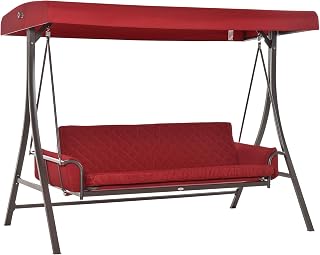


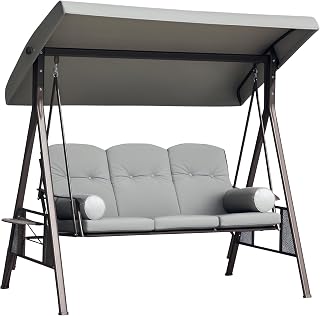




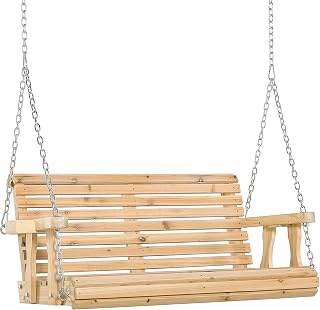


A luxury porch swing should do more than look attractive from a distance. For Canadian homes, the right choice needs to balance comfort, structural strength, weather resistance, available space, maintenance requirements and the practical realities of seasonal outdoor use. A swing that works beautifully on a covered veranda may not be the right choice for an exposed deck, balcony or cottage.
When comparing luxury porch swings, look beyond decorative styling and consider the complete construction. The frame, suspension system, seat dimensions, hardware, finish, cushions and canopy all contribute to the overall experience. Product specifications should also be checked carefully because similarly styled swings can differ substantially in weight capacity, dimensions and installation requirements.
This buying guide is designed for Canadian shoppers comparing porch swings in 2026. Rather than judging a swing by appearance alone, use the criteria below to determine whether a particular model fits your outdoor space, climate and intended use.
The word “luxury” does not necessarily mean the largest swing or the most expensive-looking design. A genuinely well-considered porch swing combines comfort, durable materials, thoughtful proportions and a finish that complements the surrounding architecture.
Material selection is one of the most important decisions when comparing porch swings. There is no single material that is ideal for every Canadian property. Consider the amount of exposure, the desired appearance and how much maintenance you are willing to perform.
Wood remains one of the most traditional choices for a premium-looking porch. Cedar, teak, acacia and other outdoor-suitable woods can provide a warm appearance that works particularly well with traditional, farmhouse, cottage and contemporary architecture.
Wood requires more attention than many synthetic alternatives. Depending on the species and finish, it may need cleaning, sealing, staining or refinishing to maintain its appearance. Moisture management is especially important in climates with wet springs, snowy winters and repeated freeze-thaw cycles.
Before choosing a wooden swing, verify the specific wood species, whether the product is intended for outdoor use, the recommended finish and the manufacturer's maintenance instructions. Do not assume that every attractive wooden swing is equally suitable for year-round Canadian exposure.
Poly lumber-style swings can be particularly practical for homeowners who want a traditional appearance with less routine maintenance than conventional timber. Materials used in products from brands such as POLYWOOD are designed around outdoor furniture applications and can offer a substantial, solid appearance.
These swings can be heavier than some lightweight alternatives, so the supporting structure and installation location still need careful consideration. Always compare the stated dimensions and weight of the specific model rather than relying on the general characteristics of a material category.
Steel and aluminium frames can provide a modern appearance and a strong structural feel. Aluminium is generally valued for being relatively lightweight and resistant to rust, while steel can provide substantial rigidity when appropriately finished for outdoor use.
For metal furniture, inspect the finish as carefully as the frame itself. Powder-coated surfaces, painted finishes and protective treatments can affect how the swing handles outdoor exposure. Check whether the hardware is intended for exterior conditions and inspect connection points periodically.
Synthetic outdoor furniture can be useful when low maintenance is a priority. Some products imitate wood grain or woven materials while avoiding some of the upkeep associated with natural timber.
However, “weather resistant” should not automatically be interpreted as “maintenance free.” UV exposure, dirt, standing water and winter storage conditions can still influence appearance and service life. Follow the cleaning and storage instructions provided for the specific product.
Capacity should be considered alongside physical dimensions. A swing advertised for multiple occupants may have sufficient structural capacity but still feel cramped if the seating area is narrow.
Single-seat hanging chairs and compact swings are useful when floor space is limited. They can also work well as a dedicated reading or relaxation spot. Their smaller footprint makes them easier to incorporate into compact patios, balconies and covered porches.
A two-person swing is often a practical middle ground for residential use. It can provide enough room for two adults without requiring the footprint of a large daybed-style swing. Check the actual seat width rather than judging capacity from product photographs.
Larger swings can create a more substantial lounge area, particularly on wide verandas and spacious decks. They also place greater demands on the mounting structure. The total weight includes occupants and, depending on the design, cushions or accessories.
Do not select a large swing solely because it has a higher advertised capacity. The ceiling, beam, stand or mounting system must also be suitable for the load and movement generated during normal use.
Weight capacity is a safety-critical specification and should never be estimated from appearance. Look for the manufacturer's stated maximum load and determine whether it refers to the complete swing, the seating area or another specific component.
For multiple occupants, add their combined body weight rather than treating the capacity as a per-person figure. Cushions and other permanently attached accessories may also contribute to the overall load.
A high-quality swing can still be unsuitable if the mounting location is inadequate. Before buying, determine whether the product is designed to hang from a structural beam, dedicated frame, ceiling system or freestanding stand.
Never assume that an ordinary decorative ceiling, porch trim or balcony component can support a swinging load. The structure must be capable of handling both the static weight and the dynamic forces created when people sit down, move or swing.
If the supporting structure is uncertain, consult an appropriately qualified professional before installation. This is particularly important for older homes, balconies, unusual ceiling constructions and installations involving masonry or engineered structural systems.
A freestanding swing frame eliminates the need to identify a suitable overhead beam and can be relocated when the layout changes. This can be a significant advantage for renters, seasonal properties and patios without appropriate structural mounting points.
The trade-off is additional floor space. Measure the complete footprint, including the base and the space needed for normal swinging movement.
A permanently mounted swing can create a cleaner appearance and make efficient use of an existing porch structure. It can also allow more flexibility in the surrounding floor layout.
The main consideration is structural suitability. Installation should be based on the actual construction of the building rather than simply the dimensions or weight of the swing itself.
Cushions can transform a basic swing into a more comfortable outdoor lounge, but they also introduce additional maintenance. Look for information about the cushion filling, fabric construction, removable covers, cleaning method and moisture management.
Outdoor fabrics are generally preferable to ordinary indoor upholstery. Even then, prolonged exposure to direct sunlight can affect colours and materials over time. If the swing is exposed to rain, allowing cushions to dry properly can help prevent persistent dampness and unpleasant odours.
Some luxury porch swings include an integrated canopy, while others are designed without overhead shade. A canopy can make a swing more comfortable during sunny periods, but it can also add height and affect the swing's appearance.
Measure from the floor to the highest point of the assembled swing before purchasing. For a covered porch, also account for ceiling height, beams, light fixtures and other obstructions.
Canopy fabric should be treated as an outdoor component rather than a permanent substitute for proper weather protection. Follow the manufacturer's instructions for cleaning, folding and seasonal storage.
A classic slatted wooden swing works well with cottages, traditional homes and garden settings. Natural timber can add warmth and contrast against brick, stone and painted siding.
Clean lines, neutral finishes and streamlined metal or synthetic construction can suit contemporary homes. These designs often work particularly well when the surrounding outdoor furniture follows a coordinated visual theme.
Wide arms, visible wood grain, traditional slats and soft neutral cushions can create a relaxed cottage aesthetic. For seasonal Canadian properties, maintenance and winter storage should receive as much attention as the visual design.
Suspended lounge chairs offer a different interpretation of the porch swing. They are often intended for one person and can be useful when a full-width swing would consume too much space.
Oversized daybed swings provide a deeper lounging surface and can become a focal point on a large veranda. Their larger dimensions, heavier construction and additional cushions make accurate measurements and structural planning especially important.
Outdoor furniture in Canada may experience intense summer sunlight, heavy rain, humidity, wind, freezing temperatures and snow depending on the region. The exact exposure varies significantly between coastal, prairie, urban and northern environments.
For a covered porch, weather exposure may be substantially lower than on an uncovered deck. Nevertheless, wind-driven rain and snow can still reach partially protected furniture.
Winter care depends on the material and the manufacturer's instructions. A covered storage location can reduce exposure to snow, ice and repeated freezing and thawing.
Before storage, clean the swing using the recommended method and allow fabric components to dry thoroughly. Remove cushions and other detachable accessories where appropriate. Avoid wrapping damp furniture tightly because trapped moisture can create additional problems.
Large swings that cannot be moved indoors may benefit from a suitable outdoor furniture cover, provided the product manufacturer permits covered outdoor storage. A cover should not be regarded as a replacement for appropriate structural protection.
Product dimensions are among the most commonly overlooked purchasing details. Measure the intended location before comparing models and leave adequate clearance for movement.
Photography can make almost any outdoor swing look spacious and luxurious. Always compare the actual dimensions, materials, capacity and installation requirements.
The swing itself may be correctly rated while the intended mounting location is unsuitable. Treat structural support as a separate purchasing decision.
A swing needs movement space. Placing it directly against a wall, railing or furniture can make normal use uncomfortable and may increase the likelihood of contact with nearby objects.
Outdoor furniture still benefits from sensible cleaning, inspection and seasonal care. The amount of maintenance varies considerably by material and finish.
Large swings can be difficult to move through narrow entrances. Before ordering, compare the packaged or assembled dimensions where those specifications are provided.
Cushion shapes and dimensions are not universal. Measure the existing seat and backrest rather than assuming a replacement marketed for a similar-looking swing will fit.
A higher price is only worthwhile when it corresponds to features that matter to your use. Depending on your priorities, premium spending may be justified by better materials, stronger construction, replaceable cushions, improved hardware or a more suitable size.
Not every additional feature improves the ownership experience. A canopy may be unnecessary on a fully covered porch, while an oversized three-seat swing may be impractical on a compact deck.
Decorative details should not take priority over structural quality, comfort and weather suitability. If two products have similar construction but one adds accessories that you are unlikely to use, the simpler option may offer better value for your particular space.
When researching brands, compare the specifications of individual models rather than assuming that every product from a manufacturer has the same construction. Established outdoor-furniture names such as POLYWOOD, Trex, Hampton Bay, Outsunny and Sunnydaze offer examples of different approaches to outdoor furniture design, but the relevant specifications must still be checked for each model.
Brand recognition should be only one part of the decision. Examine the exact material, dimensions, maximum capacity, assembly requirements, mounting system, care instructions and included accessories.
Customer reviews can provide useful information that product specifications cannot, particularly regarding assembly difficulty, packaging, perceived comfort and the accuracy of product dimensions. However, reviews should be interpreted as individual experiences rather than guaranteed outcomes.
The lowest purchase price does not necessarily represent the lowest overall cost. Consider the expected maintenance, replacement cushions, required mounting hardware, storage requirements and whether the swing is appropriately sized for your space.
A slightly more expensive model can potentially offer better value when its construction, dimensions and maintenance requirements better match the intended environment. Conversely, paying extra for features that will not be used does not automatically create better value.
For a compact porch or balcony, prioritise footprint over visual size. A single-person hanging chair or narrow two-person swing may provide a more comfortable layout than an oversized model that leaves little clearance.
Look for compact dimensions, manageable weight and an installation method appropriate for the available structure. Folding or removable accessories can also be useful when storage space is limited.
A large veranda provides more freedom to choose a substantial two- or three-person swing. In this situation, seat depth, cushion quality and overall visual proportion become particularly important.
Do not fill the available space simply because you can. A luxury outdoor setting usually looks more balanced when the swing has sufficient surrounding space and works with complementary chairs, tables, planters or other architectural features.
Cottage owners should place particular emphasis on seasonal storage and weather exposure. A swing at a property that remains closed for several months may require a different material and maintenance strategy from furniture used every day at a primary residence.
Natural wood can complement cottage architecture exceptionally well, while low-maintenance synthetic materials can be attractive for owners who prefer to spend less time refinishing outdoor furniture.
A covered porch generally offers more flexibility because direct precipitation and sunlight may be reduced. This can make a wider range of materials and upholstered designs practical, although the actual exposure should still be assessed.
Measure ceiling height carefully, especially when selecting a swing with a canopy, deep cushions or a long suspension system.
An uncovered deck demands greater attention to weather resistance and maintenance. Prioritise materials and finishes designed for outdoor exposure, removable cushions and practical drainage.
Consider how the swing will be protected during heavy rain and winter. If moving the swing is unrealistic, choose a design whose care requirements fit the actual environment rather than the environment you wish you had.
Regular maintenance does not need to be complicated, but consistency matters. The correct procedure depends on the materials used in the specific swing.
If the goal is to keep a porch swing for many years, concentrate on maintainability rather than novelty. Replaceable components, accessible hardware, durable materials and straightforward cleaning can matter more over time than decorative extras.
Also consider whether the style is likely to remain compatible with the home. Neutral finishes and classic silhouettes can be easier to integrate when other outdoor furniture is replaced later.
Before choosing between your final candidates, compare them using the same criteria. This prevents an attractive photograph or a single highly rated review from dominating the decision.
A useful top-10 comparison should not simply rank ten visually similar products. A stronger shortlist separates products according to meaningful buying scenarios, such as compact spaces, traditional wood styling, low-maintenance construction, large seating capacity, covered porches and modern outdoor designs.
When reviewing individual products, verify current specifications before making a purchasing decision. Dimensions, colours, included accessories, retailer availability and other commercial details can change during 2026.
For Amazon affiliate shoppers, compare the current product listing with manufacturer specifications where available and read recent verified customer feedback. Do not rely solely on an old comparison, because outdoor furniture models and configurations can change.
There is no single best swing for every Canadian home. The right choice depends on available space, mounting options, climate exposure, seating requirements, preferred material, maintenance tolerance and budget. A compact low-maintenance swing can be a better choice for one buyer, while a large solid-wood or poly-lumber swing may better suit another.
Some outdoor swings can remain outdoors with appropriate care, but winter suitability varies by construction, exposure and manufacturer instructions. Snow, ice, moisture and freeze-thaw cycles can place additional demands on outdoor furniture. When practical, protect or store the swing and removable components according to the manufacturer's recommendations.
Neither is universally better. Wood provides natural character and can be an excellent choice when you are comfortable with periodic maintenance. Synthetic outdoor materials can be attractive when lower routine maintenance is a priority. Compare the exact material, finish and care requirements of each product.
Capacity varies by model. Always use the manufacturer's stated maximum load and account for the combined weight of all occupants. The mounting structure and suspension system must also be suitable for the installation.
No. A hanging swing requires an appropriately strong structural support point. Decorative ceiling material or non-structural trim should not be assumed to support a swinging load. When the construction is uncertain, seek professional advice before installation.
Only if the additional seating capacity is useful and the available space can accommodate the larger dimensions. A two-person swing can be more practical where floor space or mounting width is limited.
No. Cushions are primarily a comfort and design choice, although they can significantly change how a swing feels during extended use. If you choose cushions, consider outdoor-rated fabrics, removable covers, storage and drying requirements.
A canopy can be useful where shade is limited, but it may be unnecessary on a roofed porch. Consider the canopy's dimensions, material, cleaning requirements and wind exposure before treating it as an essential feature.
Regular cleaning, prompt removal of debris, appropriate protection from severe weather and correct seasonal storage can help preserve outdoor furniture. Follow the specific manufacturer's care instructions because wood, metal, synthetic materials and outdoor fabrics require different treatments.
No. Price alone does not establish durability. Compare construction, material quality, hardware, weather suitability, capacity, maintenance requirements and replacement-part considerations rather than using price as a substitute for technical evaluation.
Inspect suspension points and fasteners periodically, particularly at the beginning of the outdoor season and after periods of heavy use or severe weather. Follow the manufacturer's maintenance schedule when one is provided.
Confirm the current dimensions, material, weight capacity, included accessories, assembly requirements, mounting method and care instructions. Then compare recent verified customer feedback and make sure the product listing still matches the specifications you intend to purchase.
The best luxury porch swing is the one that fits the space, supports the intended occupants, matches the local exposure and remains practical to maintain. Start with measurements and structural requirements, then compare materials, comfort, weather resistance and design. Only after those fundamentals are satisfied should colour, accessories and decorative details determine the final choice.
For Canadian buyers, seasonal planning deserves particular attention. A swing that looks ideal in August may require a completely different care routine once temperatures fall and winter weather arrives. Consider the entire ownership cycle, including cleaning, cushion storage, hardware inspection and protection from snow and moisture.
Before purchasing, verify the latest specifications and current customer feedback for the exact model under consideration. Product details can change, so use the manufacturer's information and the current retailer listing to confirm dimensions, capacity, included components and installation requirements. A careful comparison at this stage can help you choose a porch swing that delivers the combination of comfort, appearance and practicality you actually need.