

♥ Wishlist
Compare 56 verified Gazebos for Canadian Outdoor Spaces products in Canada. Reviews, ratings, pros, cons and buying advice updated for October 2026.


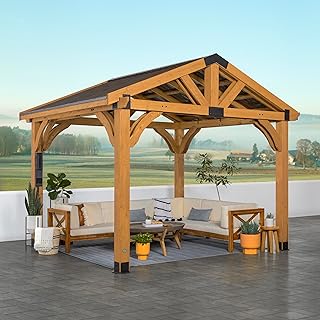


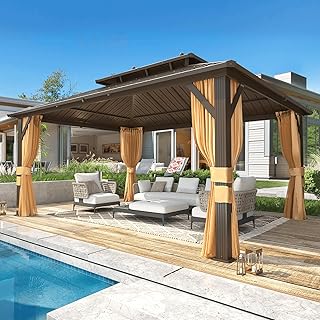


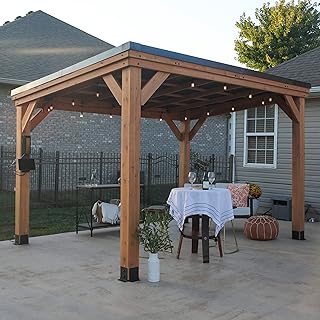


A luxury gazebo can transform a Canadian patio, deck, terrace or garden into a more comfortable outdoor living area, but the best choice depends on much more than appearance. A premium-looking structure should also suit the available space, local weather, installation surface, drainage requirements, seasonal use and maintenance expectations.
For Canadian buyers, the most important differences between gazebo models are often found in the frame construction, roof design, anchoring system, weather resistance, usable interior dimensions and replacement-part availability. A gazebo that looks impressive in product photographs may not be the right choice for a location exposed to strong wind, heavy rain or winter snow.
This 2026 buying guide is designed for shoppers comparing luxury gazebos and premium outdoor shelters in Canada. Instead of treating decorative features as the main measure of quality, it focuses on the specifications and practical details that matter after installation.
Because gazebo designs vary considerably, the most useful way to compare the category is by intended use and construction. The following ten options represent the main configurations worth considering when shopping for a high-end gazebo in Canada.
The frame material affects weight, corrosion resistance, appearance, maintenance and long-term suitability. There is no universally superior material; the correct choice depends on the environment and how permanently the gazebo will be installed.
Aluminum is one of the most practical materials for contemporary luxury gazebos. It is naturally resistant to rust, relatively lightweight compared with steel and can be finished with powder coating for a clean architectural appearance.
For Canadian patios, aluminum is particularly attractive when low maintenance is a priority. However, buyers should not assume that every aluminum gazebo has the same structural capability. Look at the dimensions and thickness of the frame components, the roof construction, connection points and stated wind and snow-load information rather than judging quality from the word "aluminum" alone.
Steel can provide a substantial, rigid feel and is commonly used for larger outdoor structures. Its principal consideration is corrosion protection. A painted or powder-coated steel frame still requires sensible care, particularly where the finish has been scratched or damaged.
For a Canadian installation, inspect how joints, fasteners and exposed edges are protected. Water can accumulate around poorly designed connections, and those areas deserve particular attention during routine maintenance.
Wood offers a warmer and more traditional appearance than metal. It can work especially well with cedar decks, landscaped gardens and classic outdoor furniture.
The trade-off is maintenance. Depending on the species and finish, wood may require cleaning, staining, sealing or refinishing. Buyers should also consider how moisture is managed around posts and the base of the structure. A beautiful wood gazebo can become a high-maintenance purchase if the owner does not want recurring finishing work.
The roof is arguably the most important component to examine because it determines much of the gazebo's weather performance and maintenance requirements.
Hardtop models use rigid roof panels rather than fabric. Common materials include aluminum, galvanized or coated steel, polycarbonate and other engineered panels.
The principal advantages are a more permanent appearance, better resistance to everyday weather exposure and less dependence on fabric tension. Hardtop structures can also provide a more convincing luxury-furniture aesthetic when paired with quality outdoor seating and lighting.
The major buying consideration is structural engineering. A hard roof adds weight, and Canadian shoppers should pay particular attention to the manufacturer's stated snow-load information, installation requirements and anchoring recommendations.
Soft-top gazebos generally use fabric canopies. They are often easier to move or seasonally store and can be attractive when affordability and flexibility matter more than permanent construction.
The canopy is a wear component, so buyers should investigate whether replacement fabric is available and whether the roof can be removed before severe weather. A replacement canopy can extend the useful life of a structure considerably.
Snow is one of the biggest reasons Canadian shoppers should avoid selecting a gazebo based solely on photographs, reviews or advertised dimensions.
Snow-load capacity is not simply a measure of whether a roof can carry a particular weight under ideal conditions. Roof geometry, span, framing, panel construction, connections and the distribution of accumulated snow all influence structural performance.
Before buying a gazebo for a region that receives significant snowfall, check the manufacturer's published snow-load information and compare it with the conditions expected at the installation site. Where the manufacturer provides regional guidance, follow it rather than relying on a generic assumption that a metal roof is automatically suitable for heavy snow.
A gazebo is exposed to wind from multiple directions, and a large roof can create substantial uplift forces. A premium gazebo therefore needs more than a heavy-looking frame; it needs a suitable connection between the structure and its supporting surface.
Anchoring requirements vary according to whether the gazebo is installed on concrete, a wood deck, paving, soil or another surface. Hardware suitable for one substrate may not be appropriate for another.
Do not substitute generic anchors simply because they appear stronger. The correct fastening method depends on the substrate, the structural design and the loads the manufacturer intended the structure to withstand.
When comparing products, look for clear information about recommended anchors, allowable installation surfaces and wind-related limitations. If this information is difficult to find, treat that lack of documentation as a reason for additional caution.
A double-tier or vented roof can improve air movement beneath the canopy while adding visual interest. The upper opening may allow hot air to escape and can make a covered seating area feel less stagnant during warm weather.
Rainwater management becomes increasingly important as gazebo size increases. Some designs incorporate channels, gutters or integrated drainage routes that direct water toward specific points.
A drainage system is valuable only when it is correctly installed and kept clear. Leaves, pollen and debris can block channels, so accessibility for cleaning should be considered before purchase.
A properly designed slope encourages water runoff and can help prevent standing water. The slope also contributes to the overall architectural character of the gazebo.
Opaque panels generally emphasize shade and privacy, while translucent panels can admit daylight. Polycarbonate-style panels can provide a different balance of light transmission and weather protection than solid metal panels.
Buyers should consider glare, heat buildup, interior brightness and the direction of the sun rather than choosing a roof material solely by colour.
The advertised exterior dimensions do not necessarily equal the usable seating area. Posts, roof overhangs and structural members reduce the practical interior footprint.
Compact structures can work well for two chairs, a small table or a limited seating arrangement. They are easier to integrate into smaller patios but can quickly become crowded once curtains, side panels and furniture are added.
Medium-sized models are often the most versatile for residential outdoor living. They can accommodate lounge furniture or a dining setup without consuming the entire yard.
Large gazebos are attractive for entertaining but require careful planning. Measure the furniture first, then allow additional clearance for people walking around chairs and opening doors or storage units.
Remember that the gazebo needs space outside its footprint as well. Roof overhangs, drainage, access for installation and clearance from surrounding structures should all be considered.
Premium pricing should not be justified by decorative styling alone. The most useful upgrades are those that improve comfort, durability, flexibility or maintenance.
Side curtains can dramatically change how a gazebo functions. They can reduce direct sunlight, increase privacy and make the space feel more like an outdoor room.
Screen panels serve a different purpose. Their primary benefit is insect protection while maintaining airflow and visibility. For summer use in many Canadian regions, removable mesh panels can be more practical than permanently enclosed walls.
Examine how the panels attach to the frame. Smooth-running tracks, sturdy fasteners and easily removable sections can make a significant difference in everyday use.
Also check whether replacement curtains and screens are sold separately. Fabric and mesh are more likely to require replacement than the main frame, so long-term parts support is an important consideration.
The gazebo itself is only part of the installation. The supporting surface influences stability, drainage, appearance and long-term maintenance.
A properly prepared concrete surface can provide a stable foundation for many gazebo designs, but the exact anchoring method must match the structure and the concrete installation.
Installing a gazebo on a deck requires particular attention to structural capacity and fastening locations. The gazebo should not simply be attached to decorative decking boards without considering the supporting structure beneath them.
Pavers can create an attractive finished appearance but may require a suitable anchoring approach. The fact that a surface is level does not automatically mean it is structurally suitable for securing a gazebo.
Ground installations require careful attention to levelness, drainage, frost movement and anchoring. Temporary or lightweight gazebos have different requirements from large permanent structures.
The terms gazebo and pergola are sometimes used loosely, but they describe different outdoor structures. A gazebo generally provides a more complete roofed shelter, while a pergola typically has an open or partially open overhead structure.
Choose a gazebo when weather protection, shade and a defined outdoor room are the priorities. Choose a pergola when you prefer an open architectural structure and do not need the same degree of overhead coverage.
Some premium outdoor products combine characteristics of both. For these hybrid designs, focus on the actual roof coverage and structural specifications rather than the marketing terminology.
When comparing gazebo listings, avoid relying on the headline, star rating or product photographs alone. The most useful information is normally distributed across the specification table, installation instructions, customer questions, reviews and manufacturer documentation.
Canadian shoppers may encounter brands such as Sojag, Yardistry, Sunjoy, Backyard Discovery, Gazebo Penguin, Paragon-Outdoor, Kozyard, Purple Leaf, Outsunny and ABCCANOPY while researching outdoor shelters. These brands cover different combinations of hardtop, soft-top, wood, metal, screened and patio-oriented designs.
Brand familiarity should be treated as a starting point rather than proof that a particular model is appropriate. Product specifications can vary substantially within the same brand, so compare the individual model's construction, dimensions, anchoring requirements, weather ratings and replacement-component information.
Luxury is often more noticeable in proportions and finishing details than in the number of decorative accessories. A well-designed gazebo usually looks intentional when its roof proportions, frame colour, furniture scale and surrounding landscaping work together.
Lighting can turn a gazebo from a daytime shelter into a functional evening entertaining area. However, electrical planning should happen before installation rather than being treated as an afterthought.
Battery-powered or solar lighting can simplify temporary installations. Permanent electrical installations require appropriate weather-rated equipment and should comply with applicable Canadian electrical requirements.
Consider three lighting layers: general illumination for movement, task lighting for dining or food preparation, and softer accent lighting for ambience. Avoid placing bright lights directly at eye level where they create glare.
The gazebo should be sized around the furniture you actually intend to use. A dining configuration needs different clearances from a lounge arrangement.
For a dining gazebo, measure the table and chairs with the chairs pulled out. For a lounge gazebo, account for the depth of sofas, coffee tables, recliners and the circulation space between pieces.
Materials such as powder-coated aluminum, teak and all-weather synthetic wicker can work well in outdoor settings, but every material has different maintenance requirements. Cushion storage is another consideration, particularly in regions with frequent rain or snow.
Inspect the roof, fasteners, frame connections, drainage channels and anchoring points after winter. Remove accumulated debris before regular spring use begins.
Check curtains and screens regularly, particularly after storms. Ensure ventilation remains unobstructed and watch for water pooling around the structure.
Falling leaves can accumulate in gutters and roof channels. Cleaning them before freezing weather arrives can reduce drainage problems.
Follow the manufacturer's winter instructions. Depending on the model, this may involve removing fabric components, reducing snow accumulation or avoiding use under particular weather conditions.
Never assume that a structure marketed as a "four-season" gazebo can withstand every Canadian winter condition without maintenance or snow management.
Routine maintenance is generally less expensive and easier than repairing neglected damage. Create a seasonal inspection routine covering the roof, frame, fasteners, screens, curtains, drainage and anchors.
A large gazebo can overwhelm a smaller outdoor area and leave insufficient room for circulation, landscaping or maintenance access. Bigger is useful only when the space and intended furniture justify it.
Even an excellent gazebo can perform poorly when installed on an unsuitable or unstable surface. Treat the foundation and anchoring plan as part of the purchase decision.
A decorative roof may look premium while offering little practical advantage. Examine drainage, ventilation, panel construction and load information.
Customer ratings can provide useful clues, but they do not replace technical specifications. Reviews may also reflect delivery, assembly or packaging experiences rather than long-term structural performance.
Fabric, mesh, curtains and small hardware can wear out before the main frame. If individual components cannot be identified, future maintenance can become more difficult.
Large gazebos often contain numerous structural components and roof panels. Check the manufacturer's assembly requirements and determine whether the installation can realistically be completed with the available tools, space and assistance.
Customer reviews are most valuable when they reveal recurring patterns rather than isolated incidents. Look for comments that remain relevant across multiple reviewers.
Also distinguish between dissatisfaction with the product and dissatisfaction caused by an incorrect installation, unsuitable foundation or unrealistic expectations about weather performance.
Before placing an order, compare the shortlisted models against the following checklist:
A well-engineered aluminum hardtop gazebo is generally the configuration to investigate first when minimizing routine frame maintenance is important. Focus on powder-coated finishes, roof drainage, fastener quality and replacement parts.
A properly finished wood gazebo is a natural choice for buyers who value a classic garden aesthetic. The trade-off is the additional maintenance associated with exterior wood.
A large rectangular hardtop gazebo provides the most flexibility when the goal is to create a dedicated dining and conversation area. Measure the furniture layout before selecting the footprint.
A gazebo with integrated mesh screens is worth prioritizing when summer evenings are frequently interrupted by insects. Check how easily the screens can be opened, removed and replaced.
Look for models with full-height curtains or privacy panels that can be independently positioned. This provides more flexibility than a permanently enclosed structure.
A compact gazebo with a carefully proportioned roof can create a comfortable seating zone without dominating the available outdoor area. Always compare usable interior dimensions rather than exterior dimensions alone.
A gazebo is not automatically the best solution for every outdoor space. A pergola may be preferable when an open roof is desired. A retractable awning may make more sense where permanent posts are impractical. A screened room may be better when insect protection is the overriding priority.
Likewise, a large permanent structure may be unnecessary for renters or anyone expecting to move within a short period. The best buying decision is the one that matches the intended use rather than the most expensive or elaborate configuration.
Appearance matters because a gazebo becomes a major visual element in the garden. However, visual quality should come after structural suitability.
A useful purchasing order is:
There is no single best gazebo for every Canadian property. The right choice depends on the available space, climate exposure, foundation, intended furniture, desired level of privacy and maintenance tolerance. For many shoppers, a properly specified hardtop aluminum model is a logical starting point, while wood and steel remain compelling for buyers with different priorities.
Not universally. Hardtop models generally offer a more permanent structure and can be better suited to long-term outdoor living, while soft-top designs can provide flexibility and easier seasonal handling. Canadian buyers should compare the specific weather limitations and maintenance requirements of each model.
Aluminum is attractive because it does not rust like ordinary untreated steel and generally requires relatively little frame maintenance. However, material alone does not determine weather performance. Roof construction, frame engineering, connections, anchoring and the manufacturer's stated load limitations are equally important.
Some structures are designed for extended outdoor use, but winter suitability varies significantly. Follow the individual manufacturer's snow, wind and winter-use instructions. Fabric components may have different requirements from permanent hardtop structures.
Start with the furniture rather than the gazebo. Draw the proposed footprint, place the table or lounge furniture within it, and allow enough space for chairs to move and people to walk comfortably. Also account for posts, roof overhangs, drainage and installation clearance.
Most substantial outdoor structures require appropriate anchoring. The correct method depends on the gazebo and foundation. Never assume that its weight alone is sufficient protection against wind uplift.
Aluminum is appealing for low-maintenance, rust-resistant construction, while steel can provide a substantial rigid frame. Compare the complete structural design, corrosion protection, roof weight, connection hardware and environmental requirements rather than choosing solely by material.
They can be worthwhile when privacy, shade and flexibility are important. A curtain system is particularly useful when the gazebo needs to alternate between an open-air seating area and a more enclosed outdoor room.
Yes, if insects are a significant problem in the intended location. Look for screens that provide good coverage without making the interior difficult to enter and exit. Replaceability is also important because mesh can eventually tear or deteriorate.
Look for recurring comments about assembly, roof drainage, frame rigidity, missing hardware, panel fit, curtain quality, screen durability and long-term weather exposure. Reviews are most useful when combined with the manufacturer's technical specifications.
A double roof can improve ventilation and provide a distinctive appearance, making it useful in warm weather. Its value depends on the actual roof design and whether the upper vent remains protected from rain and debris.
Keep the frame clean, remove debris from the roof and drainage system, inspect fasteners and check the finish periodically for scratches or damage. Follow the manufacturer's cleaning recommendations rather than using abrasive products that could damage the coating.
A practical approach is to inspect it at the beginning and end of the main outdoor season and again after unusually strong weather. High-exposure locations may justify more frequent checks of anchors, fasteners, drainage and roof panels.
The best luxury gazebo is not necessarily the model with the largest roof, highest advertised price or most decorative accessories. A strong purchase combines appropriate dimensions, suitable structural materials, reliable anchoring, effective drainage, realistic Canadian weather specifications and manageable maintenance.
For a permanent outdoor living area, start by comparing hardtop aluminum and steel structures. For a natural landscape aesthetic, investigate well-maintained wood construction. For seasonal flexibility, consider soft-top designs. If summer comfort is the priority, give serious attention to ventilation, screens and curtains rather than focusing exclusively on the roof.
Before buying, compare the complete specification sheet, installation requirements and recent customer feedback for each shortlisted model. Check today's retailer information separately because prices, configurations, stock status and included accessories can change throughout 2026.
Most importantly, do not treat a gazebo as ordinary patio furniture. A large structure interacts with wind, snow, drainage, foundations and surrounding property. Taking the time to confirm those details before purchase can make a much greater difference to long-term satisfaction than choosing between two similar colours or decorative finishes.