

♥ Wishlist
Compare 54 verified Patio Seating for Comfortable Outdoor Living products in Canada. Reviews, ratings, pros, cons and buying advice updated for October 2026.


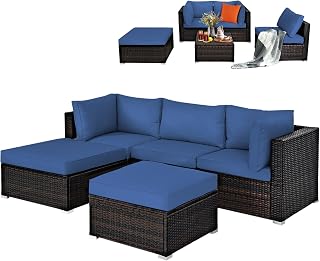


A luxury patio seating collection should be evaluated as an outdoor furniture system rather than as a group of individual chairs and sofas. The best choice depends on the size of the space, Canadian weather exposure, the number of people you want to seat, maintenance expectations, and the visual character of your outdoor area. Before comparing specific products, establish how the furniture will actually be used: relaxed conversation, outdoor dining, entertaining guests, reading, lounging, or a combination of these activities.
For Canadian buyers, outdoor conditions deserve particular attention. A patio in coastal British Columbia faces different challenges from a balcony in Toronto, a backyard in Calgary, or a cottage exposed to freeze-thaw cycles. Moisture, snow, ultraviolet exposure, temperature swings, wind and seasonal storage can all affect the long-term suitability of patio furniture.
Luxury is not simply a matter of a high purchase price or an elaborate appearance. A well-designed patio seating collection combines comfortable proportions, durable construction, quality materials, thoughtful ergonomics and a cohesive design. It should also remain practical when exposed to the realities of outdoor use.
A sofa and loveseat combination is suitable for buyers who want a traditional conversation area. It can provide several seats without requiring a large sectional. This arrangement also gives you more freedom to separate pieces around a coffee table or rearrange the seating when entertaining.
A modular sectional is one of the most flexible options for larger patios and terraces. Individual sections can often be configured as an L-shape, U-shape or extended sofa arrangement, depending on the design. Check exactly which pieces are included because photographs can make a collection appear larger than the actual package contents.
When comparing modular furniture, examine connector systems, individual module dimensions, total footprint and the location of corner pieces. A sectional that technically fits the patio may still leave insufficient clearance for walking, doors or outdoor dining.
Conversation sets commonly combine two or more chairs, a loveseat or sofa, and a small table. They can be an efficient choice for balconies, compact decks and smaller entertaining areas. The important comparison is not simply the number of pieces but how comfortably those pieces work together.
Deep seating is designed around relaxed lounging rather than upright dining. It can be particularly appealing for covered patios, outdoor living rooms and spaces where people spend extended periods sitting. Measure the available depth carefully, especially when the patio is narrow or circulation space is limited.
Dining chairs have different ergonomic requirements from lounge chairs. Their seat height should work with the intended table, while armrests should not prevent the chair from sliding comfortably underneath. If you are combining dining and lounge furniture, compare the visual height and proportions so the overall space does not look mismatched.
Aluminium is popular for premium outdoor furniture because it combines relatively low weight with resistance to corrosion. A powder-coated finish can provide colour and an additional protective surface. Aluminium is particularly useful where furniture needs to be moved seasonally.
Look beyond the word “aluminium” and examine frame construction. Tube dimensions, joints, weld quality, finish consistency and the design of the supporting structure all matter. A lightweight frame can be convenient, but very light furniture may be less suitable for exposed, windy locations.
Steel can provide substantial strength and a solid feel. However, outdoor steel requires appropriate protection against corrosion. Buyers should pay close attention to the finish, exposed fasteners, joints and areas where water could accumulate.
Teak is a classic premium outdoor-furniture material. Its natural characteristics make it well suited to outdoor applications, although its appearance changes with exposure if it is not maintained in its original colour.
Buyers who prefer the warm appearance of new teak should understand the maintenance requirements before purchasing. Those who appreciate a naturally weathered silver-grey appearance may have different priorities. Either way, outdoor wood should not be judged solely by its appearance when new.
Synthetic wicker can reproduce the woven appearance traditionally associated with outdoor furniture while offering practical advantages over natural fibres in outdoor environments. Quality varies considerably, so investigate the underlying frame as well as the weave itself.
Look for a tightly finished weave, secure attachment points and a frame designed for outdoor use. A sophisticated appearance does not compensate for weak structural components.
Rope detailing can give contemporary patio seating a distinctive appearance. It is often combined with aluminium or other structural materials. Before buying, consider how the rope will be cleaned, how exposed it will be to rain and sunlight, and whether the design creates areas where leaves or debris can accumulate.
Cushions can have as much influence on comfort as the furniture frame itself. Compare the cushion construction, cover material, fastening method, drainage characteristics and cleaning instructions rather than focusing only on thickness.
Repeated wetting and drying can affect fabrics, wood, metal components and internal cushion materials. Even furniture marketed as weather resistant benefits from appropriate protection when prolonged rain is expected.
Winter is a major consideration for many Canadian households. Outdoor furniture should not automatically be assumed to be suitable for being left uncovered throughout a Canadian winter simply because it is labelled “outdoor.” Check the manufacturer's storage recommendations, particularly for cushions and products containing multiple materials.
Freeze-thaw conditions can create additional stress when water enters seams, joints or porous materials and subsequently freezes. Seasonal storage or suitable protective measures can reduce unnecessary exposure.
Strong sunlight can gradually fade fabrics and finishes. Patio furniture placed in full sun generally demands more attention to UV-resistant materials than furniture located beneath a roof, pergola or covered balcony.
Wind is an often-overlooked consideration when buying lightweight outdoor furniture. A beautiful seating collection can become impractical if individual pieces move easily across an exposed deck. Consider the weight and footprint of the furniture and follow manufacturer guidance regarding anchoring or positioning.
Do not rely on approximate visual measurements. Measure the usable floor area and record the dimensions of doors, railings, steps, columns and other fixed obstacles.
For sectional seating, use masking tape or removable markers to outline the approximate footprint on the patio. This simple exercise can reveal whether the arrangement leaves enough room to move comfortably.
A “top 10” list is most useful when products are compared using consistent criteria. A high rating alone does not establish that a particular collection is right for every Canadian patio.
Brand familiarity can help narrow a large outdoor-furniture search, but brand name should not replace specification-level comparison. Depending on the collection and current Canadian availability, buyers may encounter brands such as Article, West Elm, CB2, IKEA, Outsunny, Devoko, Grand patio, and Christopher Knight Home.
For premium outdoor furniture, also compare established outdoor-focused manufacturers and collections available through reputable Canadian retailers. Always verify the current product specifications because materials, configurations, colours and package contents can differ between collections and model years.
Outdoor furniture inevitably encounters moisture. Examine whether the frame design creates obvious areas where rainwater can remain trapped. Good drainage and appropriate positioning can help reduce prolonged moisture exposure.
Fasteners are small components with an important role. Outdoor-rated hardware and appropriate corrosion protection are especially relevant in wet environments. Inspect accessible bolts, screws and connection points when product photographs or specifications make this possible.
Sectional pieces can shift during use if they are not designed to connect securely. If a collection uses clips or brackets, check whether those connectors are included and how they function.
Long-term ownership can be easier when individual cushions, covers or structural components can be replaced. Availability is not guaranteed, so this should be treated as a buying consideration rather than an assumption.
Armrests can make chairs more comfortable, but they may also prevent chairs from fitting underneath a table. This matters when patio space must perform both dining and entertaining functions.
Product photography can make furniture look more substantial or spacious than it is. Always compare published dimensions, component counts and material specifications.
A large sectional can require a surprising amount of storage space for cushions during periods of poor weather. Plan where cushions will go before purchasing the furniture.
Maximizing the number of seats is not always the best use of patio space. An oversized sectional can make a terrace difficult to navigate and leave inadequate room for tables or other outdoor equipment.
Weather-resistant outdoor furniture still requires appropriate care. Cleaning, drying, covering and seasonal storage can all contribute to maintaining appearance and performance.
Large outdoor furniture may be difficult to move through narrow doors, staircases or gates. Check packaged dimensions when available, not only assembled dimensions.
Two apparently similar patio sets may contain different numbers of chairs, cushions, tables or sectional modules. Compare the complete package rather than the headline price alone.
Customer reviews can provide useful information, but they should be interpreted alongside specifications. Look for repeated observations rather than relying on one unusually positive or negative comment.
A review from a covered apartment balcony may not predict performance for a fully exposed backyard. Context matters.
Maintenance requirements vary by material and finish. A low-maintenance frame can still be paired with cushions that require seasonal storage, so evaluate the entire collection.
Remove leaves, dirt and other debris regularly. Follow the manufacturer's cleaning instructions for the specific frame finish and fabric. Avoid assuming that a household cleaning product is safe for every outdoor material.
Keep cushions dry when possible and follow the stated care instructions. After heavy rain, allow cushions to dry appropriately rather than storing damp cushions in a confined space.
Inspect metal surfaces and joints periodically. Pay particular attention to scratches, chips, exposed hardware and areas where water can collect.
Wooden outdoor furniture has its own maintenance cycle. Decide before buying whether you want to preserve a particular colour or allow the wood to develop a naturally weathered appearance.
Seasonal storage can substantially change the practical requirements of an outdoor seating collection. If your region experiences significant winter conditions, consider whether cushions can be stored indoors and whether the frame can remain outside under appropriate protection.
Measure the storage area before purchasing bulky furniture. For smaller patios, stackable chairs, modular components and foldable pieces may be more practical than a large fixed configuration.
Prioritize compact dimensions, manageable weight and balcony-specific safety considerations. Verify building rules before purchasing large furniture, especially where balcony regulations address furniture height, placement or wind exposure.
A compact loveseat, two lounge chairs and a small table can provide a more useful arrangement than an oversized sectional. Look for furniture that provides good seating without consuming the entire floor area.
Larger properties can accommodate multiple seating zones. A sectional can form the main conversation area while individual chairs or a separate dining set provide additional functionality.
Storage and maintenance become especially important where the property is unattended for long periods. Choose furniture according to the manufacturer's recommendations for seasonal exposure and plan how cushions and accessories will be secured.
Luxury patio furniture works best when it complements the architecture and interior design of the home. Consider the colours and materials visible through nearby windows and doors. Neutral frames with textured cushions can create a transitional look, while darker metal finishes and structured silhouettes often suit contemporary architecture.
Do not match every element mechanically. A coordinated palette usually looks more sophisticated than purchasing an entire outdoor area in exactly the same finish. Consider the relationship between seating, flooring, exterior walls, planters, lighting and outdoor tables.
Outdoor seating should sit securely on the intended surface. Uneven pavers, sloped decks and unstable flooring can affect comfort and safety. Check that chairs and tables do not rock and that sectional components remain correctly positioned during normal use.
Keep manufacturer weight limits in mind and do not assume that visually similar furniture has identical structural capacity. Follow assembly instructions carefully, including the recommended tightening and inspection procedures.
If you are uncertain which style is appropriate, start with the space rather than the product. A compact balcony generally favours a small conversation set or compact chairs. A medium-sized deck may benefit from a sofa-and-chair arrangement. A large terrace can support a modular sectional or several coordinated seating zones.
There is no single collection that is best for every Canadian buyer. The right choice depends on available space, seating requirements, climate exposure, preferred materials, maintenance tolerance and budget. Compare the complete specifications and current customer feedback for the exact configuration you are considering.
Neither is universally better. Aluminium is attractive to buyers who prioritize relatively low weight and straightforward maintenance, while teak and other suitable outdoor woods appeal to buyers who prefer natural materials and are comfortable with their maintenance and appearance changes.
Suitability depends on the specific construction and the manufacturer's care recommendations. Even furniture designed for outdoor use may require cushions to be stored and frames to be covered or moved during winter. Follow the product-specific instructions rather than assuming that all outdoor furniture can remain exposed year-round.
Measure the usable patio area, then account for doors, walkways and other furniture. Compare the sectional's assembled dimensions with the measured space. Marking the proposed footprint on the ground before purchasing is an effective way to identify clearance problems.
Consider cushion construction, fabric suitability, cleaning instructions, drainage, UV exposure and storage requirements. Thickness alone is not a reliable measure of comfort or durability.
Ratings are useful as one input but should not be considered in isolation. Read the underlying reviews and compare them with specifications. Pay particular attention to repeated comments about assembly, comfort, stability, materials and long-term outdoor exposure.
Appropriate covers can reduce exposure to rain, dirt and sunlight, but they should be used according to the furniture and cover manufacturer's instructions. Furniture and cushions should not be enclosed while damp if the care guidance warns against doing so.
The overall assembled footprint is one of the most important measurements, but clearance is equally important. A set can fit within the boundaries of a patio while still being impractical if there is insufficient space for doors, walking routes or other furniture.
Modular seating can be valuable when you expect your layout or entertaining needs to change. Its main advantage is flexibility, but buyers should check connector design, individual module dimensions and exactly which pieces are included.
The strongest luxury patio seating purchase is not necessarily the largest, most expensive or most heavily marketed option. It is the collection whose construction, dimensions, materials, comfort and maintenance requirements match the environment in which it will actually be used.
For Canadian buyers, place particular emphasis on climate exposure, winter storage, frame construction, cushion care and the practical dimensions of the entire arrangement. Compare current specifications for each model, read verified customer feedback in context, and check today's retailer information before committing to a purchase.
Use the “top 10” concept as a starting point for commercial comparison rather than as a substitute for evaluating your own requirements. A carefully measured patio, clearly defined seating needs and realistic maintenance plan will usually lead to a better decision than choosing solely from photographs, ratings or brand recognition.