

♥ Wishlist
Compare 49 verified Cradles & Bassinets for Baby Sleep products in Canada. Reviews, ratings, pros, cons and buying advice updated for October 2026.






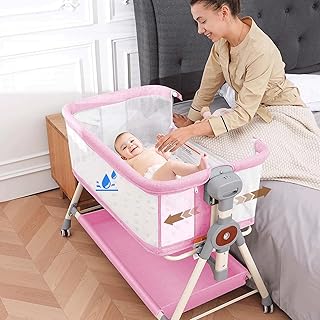


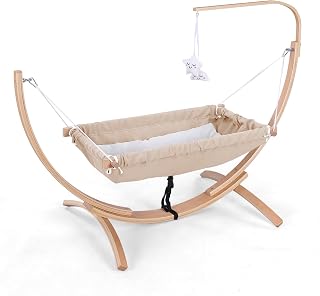


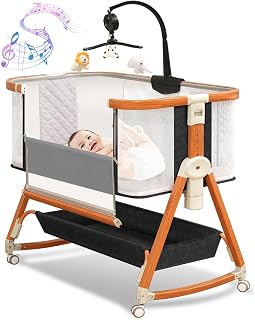


A luxury bassinet should do more than complement a beautifully designed nursery. For Canadian families, the priority is a sleep product that combines appropriate construction, a firm and properly fitted mattress, dependable hardware, practical dimensions and a design that fits naturally into the room. Decorative materials, premium finishes and elegant detailing are valuable only when they do not compromise safe use.
This buying guide is designed for shoppers comparing luxury cradles and bassinets in Canada. Because product specifications, colours, configurations and availability can change, compare the current manufacturer's specifications and instructions before purchasing. Customer ratings can help with commercial research, but they should not replace a safety check.
The terms bassinet and cradle are sometimes used interchangeably in product listings, but they are not necessarily the same type of sleep product. A bassinet is generally intended for a younger infant and has a more compact sleeping area, while a cradle may provide a somewhat different enclosed sleeping environment and can have a rocking or stationary design depending on the model.
For Canadian buyers, the most important distinction is not the marketing terminology. Check the product's intended use, manufacturer's age and weight limits, developmental milestones, mattress specifications and compliance with applicable Canadian requirements.
Health Canada advises that a bassinet should no longer be used when the baby can roll over or reaches the manufacturer's maximum weight limit, whichever comes first. For a cradle, the transition point includes the baby being able to push up on their hands and knees or reaching the manufacturer's stated weight limit.
Luxury is easiest to justify when it improves construction, usability or long-term satisfaction rather than simply adding decorative elements. A premium-looking bassinet with an awkward mattress, difficult assembly or unnecessary accessories may be a poor purchase despite its appearance.
Look closely at the frame, joints, fasteners, support structure and base. A well-designed product should feel stable when assembled according to its instructions. Wood components should be free from obvious cracks, splinters and sharp edges, while metal components should not show bending, corrosion or loose connections.
The mattress deserves more attention than decorative upholstery. For an infant sleep space, the mattress should be firm and designed specifically for the product. It should fit closely without a hazardous gap around the edges.
Health Canada specifies that cradle and bassinet mattresses should not exceed 3.8 cm in thickness and that the gap between the mattress and the sides should be no more than 3 cm. Always verify the dimensions for the specific product rather than assuming that a replacement mattress will fit.
Luxury furniture often uses upholstered panels, decorative textiles, polished wood, metal accents or elaborate trim. These features can create a sophisticated appearance, but the actual infant sleep area should remain free of unnecessary soft objects.
A sophisticated nursery does not require pillows, loose blankets, bumper pads, stuffed toys or sleep positioners inside the bassinet. A restrained sleep environment is generally preferable to one filled with decorative accessories.
If the bassinet will be moved between rooms, examine its weight, base design, handles, wheel configuration and locking mechanism. Portability should make supervised relocation easier without encouraging caregivers to move a baby while the baby is inside unless the manufacturer's instructions specifically permit it.
Consider how easily you can reach the baby, change bedding, inspect the mattress and perform routine cleaning. A visually impressive bassinet can become frustrating if its design makes ordinary maintenance difficult.
Comparing specifications side by side is more useful than judging luxury furniture from photographs alone. Create a short checklist for every model under consideration.
Solid wood can provide the visual warmth associated with high-end nursery furniture. When comparing wood models, pay attention to joinery, surface quality, stability and the quality of the finish rather than choosing solely by wood species.
Engineered wood can be appropriate for furniture construction when it is manufactured and finished properly. The important consideration is the overall construction quality and whether the manufacturer provides clear product information.
Metal can produce a contemporary luxury appearance and may offer a slim structural profile. Inspect joints, welds, fasteners and protective finishes. The frame should remain stable during normal use.
Upholstered exterior panels can add visual softness to a luxury nursery. They should not be confused with soft bedding intended for the infant's sleeping surface. Examine whether upholstery can be cleaned easily and whether decorative components are securely attached.
The mattress is one of the most important components of any bassinet purchase. Do not assume that a premium bassinet requires a plush or exceptionally thick mattress. Infant sleep safety favours a firm, flat sleeping surface rather than a soft or deeply cushioned one.
Health Canada recommends a firm mattress with a tightly fitted sheet and advises keeping the sleep surface free from soft bedding and other objects that could increase the risk of suffocation or entrapment.
Not every premium feature is unnecessary. Some can improve everyday convenience, provided they do not interfere with the intended safe use of the sleep product.
Luxury nursery products frequently use persuasive descriptions such as premium, ergonomic, breathable, cocooning, therapeutic or ultra-comfortable. Such terminology does not automatically establish that a product is appropriate for unsupervised infant sleep.
Do not treat decorative padding, positioners, inclined surfaces, extra cushions or thick mattress toppers as safety upgrades. The safest purchasing decision is based on the product's intended sleep function, applicable Canadian requirements, manufacturer's instructions and an appropriate firm, flat sleeping surface.
Brand familiarity can be useful when narrowing a large marketplace, but brand recognition should not replace model-specific research. Well-known nursery and furniture brands that Canadian shoppers may encounter include Babyletto, DaVinci, HALO, Maxi-Cosi, Graco, Fisher-Price and Chicco. Luxury furniture buyers may also encounter boutique nursery brands and designer-focused manufacturers.
When comparing brands, evaluate the exact model rather than assuming that every product from the same manufacturer has identical specifications. Look for consistent documentation, clearly identified model numbers, current instructions, transparent dimensions and appropriate Canadian-market information.
A useful comparison should separate appearance from functional value. Instead of ranking products simply by star rating, consider each model across several decision categories.
Designer styling can make a product look exceptional in photographs, but a nursery sleep product should be judged first by construction and intended use.
A mattress that is too soft, too thick, undersized or incompatible with the product can create serious problems. Do not assume that a generic mattress is a suitable replacement.
Luxury bedding sets can be visually appealing, but decorative pillows, quilts, loose blankets, bumpers and stuffed animals do not belong in an infant's bassinet sleep space.
A bassinet is not intended to be used indefinitely. A baby can outgrow a bassinet based on development before reaching a particular age or weight. Monitor milestones as well as the manufacturer's limits.
Price is not a substitute for regulatory compliance, correct assembly or safe sleep practices. A comparatively simple bassinet can be a better choice than an expensive model with features that do not suit your needs.
Measure the floor area, doorways and intended placement before choosing a large luxury cradle. Remember to leave sufficient space around the product and keep it away from hazards such as cords, windows and nearby objects.
Where you place a bassinet matters as much as which model you choose. Health Canada recommends keeping the baby's sleep space in the caregiver's bedroom for the first six months. The bassinet should stand on a stable surface and be positioned away from windows, curtains, blind cords, electrical cords, lamps, wall hangings and other hazards.
Do not place a baby nest, lounger or other soft padded product inside the bassinet. Do not use the bassinet as a storage container for blankets, toys, pillows or other nursery accessories.
A beautifully designed nursery can still follow a deliberately simple sleep setup. For every sleep, place the baby alone on their back in an appropriate sleep space that meets current Canadian requirements.
Online shopping makes it easier to compare a wide range of nursery furniture, but photographs can conceal important differences. Before adding a product to your shortlist, open the complete specification information rather than relying on the product title.
Customer reviews can provide useful information that specifications do not always reveal, particularly regarding assembly complexity, cleaning, noise, portability and everyday convenience. However, reviews should be interpreted carefully.
Give more weight to reviews that identify the exact model and explain a specific issue. Repeated comments about difficult assembly, unstable hardware, fabric maintenance or mattress fit may deserve investigation. Conversely, comments such as “looks beautiful” or “my baby loves it” provide limited information about product suitability.
Never use customer reviews as evidence that an unsafe configuration is acceptable. Safety requirements and manufacturer's instructions take priority over anecdotal experiences.
Premium furniture can remain attractive for longer when maintenance is simple and consistent. Follow the manufacturer's cleaning instructions and avoid harsh treatments that could damage finishes or fabrics.
A used luxury bassinet may appear attractive because premium nursery furniture can retain its visual appeal, but used sleep products require additional scrutiny. Confirm the manufacturer, model number, date of manufacture, original instructions and condition before considering a second-hand purchase.
Check whether the product has been recalled and inspect every structural component. Missing hardware, undocumented repairs, damaged finishes, worn mattresses and unavailable replacement parts can turn a seemingly inexpensive purchase into a poor choice.
Health Canada advises particular caution with older sleep products because safety requirements change and older products may have worn or missing components. Do not assume that a family heirloom or vintage cradle is suitable for modern infant sleep simply because it appears sturdy.
Prioritize a compact footprint, easy access and stable construction. Measure the available space first and remember that a bassinet should not be placed where cords, curtains or other hazards can reach the baby.
Choose the aesthetic after establishing safety and construction requirements. Wood tone, upholstery, colour and hardware can then be matched to the nursery without compromising the sleeping environment.
Look for manageable weight, practical mobility and secure locking features. The ability to move the product easily can be valuable, but mobility should never encourage unsafe relocation practices.
Compare the features that you will actually use. Paying extra for an elegant finish can make sense if design is important to you, but avoid paying a premium for accessories or features that do not improve practical use.
If you want one sleep product to cover a broader period, compare a bassinet with a full-size crib. Health Canada notes that a crib can accommodate a wider range of ages and weights than a bassinet or cradle.
There is no single best model for every Canadian family. The right choice depends on the available space, budget, desired design, portability requirements and the manufacturer's specifications. Safety suitability and mattress fit should come before appearance or brand prestige.
Not necessarily. A higher price can reflect materials, design, craftsmanship or branding, but it does not automatically mean a product is safer. Compare the actual construction, mattress, instructions and applicable Canadian requirements.
The answer depends on the specific model and the baby's development. Follow the manufacturer's weight and age guidance and stop using the bassinet when the baby reaches the applicable developmental limit, such as being able to roll over.
No. Health Canada advises against placing baby loungers, nests or pods inside a crib, cradle or bassinet because their soft padded sides can create a suffocation risk.
A decorative pillow should not be placed in an infant's bassinet sleep space. The sleep surface should remain clear of pillows, stuffed toys, bumper pads and other soft objects.
Only use a replacement mattress that is specifically compatible with the product and meets the manufacturer's requirements. Confirm the dimensions and thickness rather than selecting a generic mattress based on approximate size.
Products designed to sit beside an adult bed should be evaluated carefully according to their exact design and instructions. Health Canada does not recommend infant sleep products intended to attach to an adult bed because of suffocation and entrapment risks. A separate compliant crib, cradle or bassinet placed next to the bed is the safer approach.
Choose based on the product's intended use and your baby's developmental stage rather than appearance alone. A bassinet is generally a shorter-use option, while a crib can accommodate a broader range of ages and weights.
Neither is automatically better. Rocking capability is primarily a design and usability consideration. If you choose a rocking product, use the manufacturer's instructions and any locking mechanism exactly as directed.
Check the model number, manufacturing date, instructions, structural condition, mattress condition and recall history. Avoid products with missing parts, improvised repairs or damage that cannot be addressed with original manufacturer components.
Before choosing from a luxury bassinet collection, use this final checklist:
An independent buying guide should distinguish between attractive marketing and genuinely useful product information. For this category, the most meaningful comparison factors are intended use, construction, mattress compatibility, dimensions, developmental limits, usability, maintenance and Canadian safety considerations.
Product rankings should also be treated as a starting point rather than a substitute for checking the current product listing. Specifications can change, and the exact model available to Canadian shoppers may differ from versions sold in other markets.
For shoppers building a premium nursery, the strongest purchase is usually the one that balances refined furniture design with straightforward, appropriate functionality. Luxury should enhance the nursery without adding unnecessary elements to the baby's sleep environment.
The best luxury bassinet for a Canadian nursery is not necessarily the most expensive or the most elaborate. Look for a well-constructed product with a firm, properly fitted mattress, clear manufacturer instructions, suitable dimensions and clearly defined developmental limits. Then consider the details that make the furniture attractive and practical, such as materials, finish, portability, cleaning convenience and overall nursery design.
Above all, treat infant sleep safety as the starting point of the buying decision. Once those requirements are satisfied, you can compare luxury styling, craftsmanship and everyday usability to find a bassinet or cradle that suits your home and your priorities in 2026.