

♥ Wishlist
Compare 56 verified Infant Toddler Beds for Comfortable, Child-Friendly Sleep products in Canada. Reviews, ratings, pros, cons and buying advice updated for October 2026.


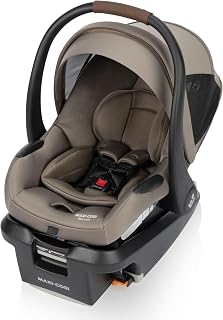

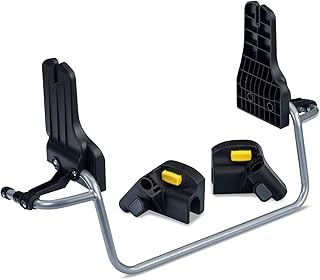





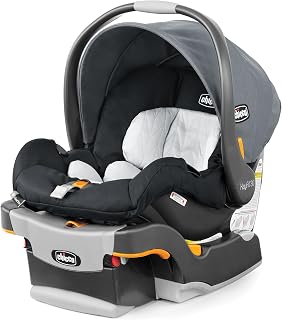


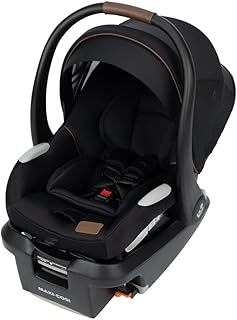

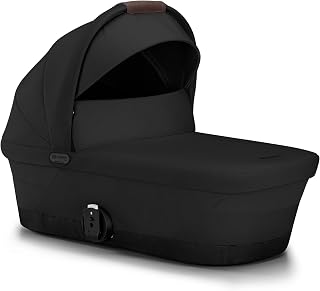



A premium-looking infant or toddler bed should do more than complement an elegant nursery. The best choice balances age and developmental stage, sleep-surface compatibility, construction quality, materials, dimensions, stability, and practical day-to-day use. For Canadian families, it is also worth considering room size, heating-season dryness, flooring, delivery dimensions, and the availability of replacement mattresses or compatible bedding.
When comparing the best luxury infant and toddler beds for 2026, treat appearance as one factor rather than the deciding factor. A beautifully upholstered frame or designer-inspired silhouette can be appealing, but safe construction, an appropriate sleep surface, secure hardware, and a suitable size should take priority.
Luxury furniture is usually distinguished by its combination of design, materials, finishing details, structural refinement, and overall usability. In a child's bedroom, however, decorative quality should never compromise practical requirements.
The term “infant bed” can describe several different products, so buyers should identify the intended sleep stage before comparing designs. A crib, toddler bed, daybed-style toddler frame, and convertible crib are not interchangeable categories.
A convertible crib is designed to transition between multiple configurations, depending on the model. Some convert to a toddler bed, while others may offer additional configurations. Their main advantage is flexibility: one substantial furniture purchase can potentially serve more than one stage.
Before choosing a convertible design, check exactly which conversion stages are included and which components, such as a conversion rail or additional mattress support, must be purchased separately. Do not assume that every product marketed as “convertible” provides the same progression.
Toddler beds are generally designed specifically for the transition away from a crib. Their lower profile can make it easier for a child to get in and out independently. Many incorporate side rails or raised edges intended to help reduce accidental roll-outs.
Because toddler beds are usually intended for a particular developmental stage, examine the manufacturer's stated age, weight, mattress requirements, and maximum recommended use before buying.
For younger children, crib-style furniture requires especially careful attention to construction and regulatory compliance. Decorative details should never create accessible gaps, protrusions, loose components, or other hazards.
A daybed-inspired toddler design can provide a more furniture-like appearance while retaining a compact sleeping footprint. These models can work particularly well in sophisticated nursery interiors, but buyers should still verify that the intended mattress and bedding configuration matches the manufacturer's specifications.
For children's sleep furniture, safety is more important than upholstery, colour, decorative hardware, or designer styling. Canadian buyers should verify current applicable requirements and manufacturer instructions rather than relying solely on product photographs or marketplace descriptions.
Pay particular attention to the following before purchasing:
A premium price does not automatically mean a product is safer. Safety should be assessed from specifications, instructions, applicable Canadian requirements, and current product information rather than from branding or appearance alone.
Parents shopping in Canada should distinguish between a manufacturer's marketing claims and demonstrable compliance with applicable Canadian product requirements. Requirements can differ according to whether the furniture is classified as a crib, cradle, bassinet, toddler bed, or another type of children's product.
For a current purchase, check the product documentation and consult authoritative Canadian consumer-safety information when the classification or compliance information is unclear. This is particularly important when buying imported furniture through a marketplace, where the product may have been designed primarily for another jurisdiction.
Also check for current recall information before purchase and again if you are buying a used item. A second-hand luxury crib or toddler bed can look immaculate while still having outdated hardware, missing components, modified construction, or a safety history that makes it unsuitable for continued use.
The mattress should be evaluated alongside the bed rather than treated as an afterthought. A frame may look perfect in photographs but become impractical if it requires an unusual mattress size or a proprietary component that is difficult to source in Canada.
Confirm the exact mattress dimensions specified by the manufacturer. Avoid assuming that two products with similar names or dimensions are automatically compatible. The required thickness, support system, and fit can also matter.
Solid wood is popular in premium nursery furniture because it can provide a substantial appearance and attractive natural grain. Maple, oak, beech, birch, and other hardwoods can produce very different visual results. Wood species alone, however, does not determine overall quality; joinery, finishing, hardware, design, and manufacturing quality also matter.
High-quality engineered wood can provide consistent dimensions and a uniform finish. It should not automatically be dismissed simply because it is not solid wood. Instead, inspect the complete specification, construction method, edge finishing, hardware, and manufacturer information.
Metal can create a contemporary luxury aesthetic and may offer a slim visual profile. Examine welds, joints, coating quality, fasteners, and stability. A lightweight appearance is not necessarily a sign of poor quality, but the assembled product should remain stable under normal use.
Upholstered toddler beds can create a softer, more sophisticated bedroom aesthetic. Popular finishes include velvet-like textiles, linen-look fabrics, boucle-style materials, and performance-oriented upholstery.
For children's furniture, practicality matters. Consider whether the fabric can be spot cleaned, whether the colour will show marks easily, and whether the design contains decorative buttons, piping, tufting, or other elements that could affect cleaning and everyday durability.
Visual quality often comes down to details rather than a single expensive material. Compare how the frame is finished at corners, joints, exposed edges, and transition points.
Customer ratings can be useful for identifying recurring issues, but a rating number should not be treated as a complete quality assessment. Reviews can vary according to assembly experience, expectations, shipping condition, mattress compatibility, and the age or size of the child.
For a more useful comparison, score each candidate against the same criteria:
A large upholstered bed can look spectacular in a professionally staged photograph but feel oversized in a compact bedroom. Measure both the furniture footprint and the practical clearance around it.
Luxury furniture can be bulky even when its assembled footprint seems reasonable. Before ordering, check the package dimensions if available and measure entrances, elevators, corridors, stairways, and tight turns.
Some convertible furniture requires additional components for later configurations. Confirm exactly what is included with the particular model you are comparing.
A mattress that appears close in size may not be an appropriate match. Use the manufacturer's stated dimensions instead of relying on generic descriptions such as “standard toddler mattress.”
Light-coloured upholstery can create a sophisticated nursery aesthetic but may require more frequent cleaning. Conversely, textured fabrics can hide some marks while potentially requiring more careful cleaning methods.
Price can reflect materials, design, brand positioning, upholstery, manufacturing complexity, or other features. It does not by itself establish safety, durability, or suitability for a particular child.
A luxury toddler bed works best when its proportions and visual weight complement the rest of the room. In a smaller Canadian nursery or child's bedroom, a low-profile frame can preserve a sense of space. In a larger room, a substantial upholstered or wood-framed design may become an intentional focal point.
Canada's indoor climate can change substantially through the year. Heated winter air may be considerably drier than summer indoor conditions, while humid periods can affect wood and certain finishes. Keep wooden furniture away from unnecessary direct heat sources and follow the manufacturer's care recommendations.
For wood furniture, avoid excessive moisture during cleaning and use only cleaning products compatible with the specified finish. For upholstered beds, follow the manufacturer's instructions rather than assuming that a household upholstery cleaner is suitable.
Regularly inspect screws, bolts, joints, rails, and other structural components as part of normal furniture maintenance. If a component becomes loose, damaged, cracked, or missing, stop using the furniture until the issue has been properly addressed according to the manufacturer's instructions.
Brand familiarity can help when comparing children's furniture because established manufacturers often provide more complete product documentation and clearer specifications. Examples worth considering during research include Delta Children, Babyletto, DaVinci, Storkcraft, Pottery Barn Kids, IKEA, and Simmons Kids.
Brand reputation should still be treated as one part of the assessment. Compare the exact model, because construction, intended age, dimensions, included accessories, and specifications can vary substantially within the same brand.
Not every luxury feature adds meaningful value for every family. Separate features that improve everyday function from those that primarily change the visual appearance.
Contemporary luxury children's furniture can be minimalist, Scandinavian-inspired, modern, transitional, traditional, or highly decorative. A premium nursery does not require ornate detailing. Clean proportions, carefully selected materials, consistent finishes, and restrained colour palettes can create an equally sophisticated result.
Look for simple geometry, neutral finishes, understated hardware, and uncluttered silhouettes.
Traditional profiles, turned legs, panel details, richer wood tones, and carefully coordinated textiles can create a timeless nursery aesthetic.
Upholstered frames, rounded forms, muted colours, and tactile fabrics provide a softer appearance while retaining a modern character.
When reading customer reviews, prioritize detailed comments over short ratings. Look for repeated observations about assembly, stability, dimensions, finish quality, missing hardware, mattress compatibility, and long-term appearance.
Reviews that discuss a specific model and configuration are generally more useful than comments that only praise the appearance. Also distinguish between complaints caused by retailer delivery damage and problems inherent to the furniture itself.
Prioritize compact dimensions, a low visual profile, straightforward assembly, and practical access around the furniture. Avoid selecting a large statement bed simply because it looks impressive online.
A larger upholstered or solid-wood design may work well as a visual centrepiece. Coordinate its scale with the other major furniture pieces and maintain comfortable circulation around the sleeping area.
Durability and future usability may matter more than highly specialized styling. A convertible design can be worth investigating if its construction and conversion options genuinely suit your plans.
Focus first on the appropriate developmental transition, accessible entry and exit, mattress compatibility, and the manufacturer's intended use. Decorative features should come after these considerations.
Investigate the manufacturer's material disclosures, product longevity, repairability, packaging information, and replacement-component availability. A durable product that remains useful for an appropriate period can be more practical than frequently replacing lower-quality furniture.
A useful way to narrow a large shortlist is to divide your decision into three stages. First, eliminate any product that does not clearly meet the child's age, mattress, safety, or dimensional requirements. Second, compare construction, materials, maintenance, conversion potential, and overall practicality. Finally, use design, finish, brand preference, and budget to select among the remaining options.
This approach prevents attractive styling from overshadowing fundamental requirements. It also makes it easier to compare very different products fairly, such as an upholstered toddler bed against a solid-wood convertible crib.
There is no single best model for every Canadian family. The right choice depends on the child's developmental stage, mattress requirements, room dimensions, desired materials, maintenance preferences, conversion options, and budget. Start by eliminating products that do not meet the essential safety and compatibility requirements, then compare design and features.
Not necessarily. A higher price can reflect materials, upholstery, design, brand positioning, or manufacturing complexity. Safety should be assessed using the applicable requirements, manufacturer documentation, construction details, and current product information rather than price alone.
It depends on how long you expect to use the furniture and whether the conversion stages fit your needs. A convertible crib can offer flexibility, while a dedicated toddler bed can be simpler and specifically designed for the transition period.
Use the mattress dimensions and specifications stated by the bed manufacturer. Do not select a mattress solely because it is marketed as a toddler mattress. Correct fit and compatibility with the particular frame are essential.
They can be practical when the upholstery is durable and the manufacturer provides suitable cleaning instructions. Families should consider stain visibility, cleaning methods, fabric texture, and the likelihood of everyday spills before choosing a heavily upholstered design.
Solid wood can provide an attractive and substantial construction, but it is not the only indicator of furniture quality. Joinery, hardware, design, finish, structural stability, and manufacturing standards all contribute to the overall product.
Online shopping can make it easier to compare specifications and customer feedback, but buyers should verify the exact model, dimensions, included components, mattress compatibility, delivery conditions, and retailer-specific return policy before ordering.
Focus on detailed comments concerning assembly, dimensions, finish quality, stability, mattress fit, missing components, durability, and delivery condition. Repeated observations are generally more useful than isolated positive or negative comments.
Inspect the furniture regularly, especially after assembly and whenever you notice movement, unusual noise, damage, or loose components. Follow the manufacturer's maintenance and hardware instructions and address any structural problem before continued use.
The strongest luxury infant and toddler bed choice is not necessarily the most ornate or expensive option. For Canadian buyers, the better approach is to compare the exact model against a consistent checklist covering suitability, safety, mattress compatibility, construction, dimensions, materials, maintenance, longevity, and current product documentation.
Use customer reviews as supporting evidence rather than as the sole measure of quality. Compare specifications carefully, verify current information before purchasing, and consider the complete ownership experience, including assembly, room access, cleaning, replacement components, and future use.
Whether your preference is a refined wooden frame, a contemporary upholstered bed, a compact toddler design, or a convertible nursery piece, choosing based on documented specifications and practical requirements will produce a more dependable result than choosing from appearance alone.