

♥ Wishlist
Compare 51 verified Bed Rails for Reliable Bed Support products in Canada. Reviews, ratings, pros, cons and buying advice updated for October 2026.


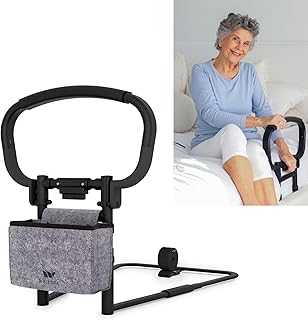




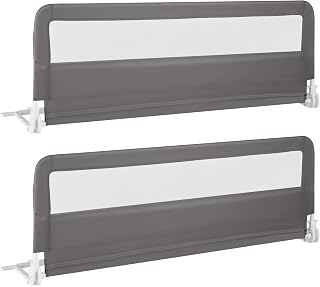


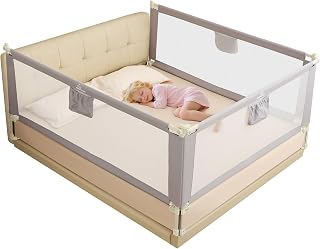


Luxury bed rails are more than a structural connection between a headboard, footboard and mattress support system. The right rails can influence the stability of the entire bed, the way the mattress sits within the frame, the amount of usable space underneath, and how well the finished furniture withstands repeated movement over time. For Canadian shoppers, the best choice depends on the exact bed construction, mattress and foundation combination, room dimensions, material quality, installation method and replacement compatibility.
Before comparing individual luxury bed rail options, identify whether you need replacement rails for an existing bed, a complete rail system for a new frame, heavy-duty rails for a substantial mattress and foundation, or decorative rails intended to complement an upholstered or wooden luxury bed. These are not interchangeable categories, even when products appear similar in photographs.
Bed rails are the longitudinal components that run along the sides of a bed, normally connecting the headboard and footboard. Depending on the furniture design, they may support cross slats directly, hold a separate platform, accommodate a box spring or foundation, or form part of a proprietary support system.
The term luxury generally describes the furniture category, appearance, materials and construction rather than a universal technical specification. A premium-looking rail is not automatically stronger than a simpler rail, so construction details should receive more attention than decorative finishes alone.
Solid hardwood can be an excellent choice for a traditional luxury bed because it offers a substantial appearance and can complement other solid-wood furniture. Species such as oak, maple, walnut and other hardwoods can differ considerably in density, grain, appearance and finishing characteristics. The species itself should not be treated as a guarantee of structural quality; rail dimensions, joinery and hardware also matter.
When assessing a wooden rail, look beyond the visible finish. Examine the thickness of the structural section, the location of attachment points, the quality of the brackets and whether the rail is intended to work with the specific bed design.
Engineered wood can be used successfully in furniture construction when appropriately designed and manufactured. Composite panels, plywood and other engineered materials have different characteristics from solid lumber. Their suitability depends on thickness, construction, edge treatment, fastener placement and the load-bearing design.
A polished veneer or attractive surface does not by itself reveal how the structural portion of a bed rail is constructed. If specifications are available, compare the actual material and dimensions rather than judging solely by photographs.
Steel and other metal rail systems can provide a clean structural solution and are common in replacement hardware designed to connect compatible bed components. Metal rails may be particularly useful where a discreet support structure is preferred beneath an upholstered or wooden exterior.
Important considerations include rail gauge or thickness where specified, bracket geometry, weld quality, fastener design, corrosion-resistant finishes and compatibility with the headboard and footboard. A metal rail that is strong in isolation may still be unsuitable if its connection hardware does not match the furniture.
Upholstered rails can create a softer, more substantial visual profile and are frequently used with contemporary luxury beds. The upholstery is primarily an aesthetic and tactile consideration; the internal frame remains the important structural component.
For upholstered furniture, inspect how the fabric, leather or synthetic covering is secured and consider whether the rail will receive regular contact from bedding, vacuum cleaners, pets or people moving around the room. Neutral upholstery may be easier to coordinate with changing décor, while distinctive colours and textures can make the bed a stronger focal point.
One of the most important buying decisions is selecting rails that match the exact bed size and frame design. Canadian shoppers should verify the dimensions of the existing bed rather than relying solely on a product name such as queen, king or twin.
Mattress dimensions can vary by manufacturer and construction, while furniture tolerances can also differ. Measure the existing frame and compare those measurements with the manufacturer's stated dimensions whenever possible.
Measure the existing bed before ordering replacement or compatible rails. A few minutes spent measuring can prevent an otherwise attractive purchase from becoming unusable.
The connection mechanism is just as important as the rail itself. Traditional hook-on systems can be convenient for compatible furniture because the rails can be positioned and removed without repeatedly driving screws into the wood. Bolted systems can provide a secure connection when correctly installed, while proprietary brackets may be necessary for specific bed designs.
Do not assume that rails are universal merely because they have similar dimensions. Differences of only a small amount in bracket placement or rail height can prevent proper assembly. Replacement hardware should be evaluated as a complete compatibility system rather than as an isolated piece of metal or wood.
Hook-on rails use metal fittings that engage with corresponding plates on the headboard and footboard. They are commonly associated with traditional bed construction and can be convenient when the furniture was designed around that system.
Bolt-on rails attach through fasteners that pass through aligned mounting points. This arrangement can offer a straightforward mechanical connection, but the exact hole spacing, bolt dimensions and receiving hardware must match.
Products marketed as universal may accommodate multiple configurations, but universal does not mean compatible with every bed. Check the supported attachment patterns, dimensions and installation requirements carefully before purchase.
A stable bed depends on the complete structural system rather than one component. Side rails, headboard connections, footboard connections, slats, centre supports, legs and fasteners all contribute to the finished result.
If a bed moves from side to side, replacing only the visible rails may not solve the problem. Loose hardware, worn brackets, poorly positioned centre supports, damaged slats or an uneven floor can also contribute to movement.
Load capacity is particularly important for larger mattresses, substantial foundations and luxury beds constructed from heavy materials. The total load can include the mattress, foundation, bedding and occupants, not merely the mattress itself.
When specifications provide a maximum supported weight, compare that figure with the complete intended load. If no capacity is stated, avoid assuming a particular weight limit based on appearance, material or marketing language.
Weight distribution matters as well. A frame can experience different stresses when weight is concentrated near the centre or repeatedly applied near one edge. Appropriate centre support becomes increasingly important on wider beds.
Luxury furniture is often purchased as much for visual consistency as for structural function. Bed rails should coordinate with the headboard, footboard, nightstands, dressers and other furniture in the room.
Traditional rooms generally benefit from substantial wood rails, classic profiles and finishes that coordinate with existing furniture. Decorative details should remain consistent across the bed rather than combining unrelated wood tones and hardware styles.
Modern furniture typically works well with clean lines, minimal hardware and simple rail profiles. Metal components can be appropriate when the overall bed design uses a restrained industrial or contemporary aesthetic.
A hotel-style bedroom often uses a substantial upholstered bed with coordinated side rails. In this setting, consider not only appearance but also how easily the upholstery can be maintained and whether the structural system provides sufficient support for the intended mattress and foundation.
In compact bedrooms, overall bed dimensions and clearance may be more important than decorative width. A thick rail or oversized upholstered side panel can reduce walking space, so measure the complete assembled bed rather than the mattress alone.
A premium mattress does not compensate for an unsuitable support structure. Before choosing rails, determine whether your mattress manufacturer specifies a particular foundation, slat spacing or support arrangement.
Foam, hybrid, innerspring and other mattress constructions can have different support requirements. The safest approach is to follow the mattress manufacturer's guidance and then verify that the selected bed rail system can accommodate those requirements.
Pay particular attention to slat spacing. If a mattress requires close-spaced support, a rail system designed around widely spaced slats may not be appropriate without an additional compatible support solution.
Rail height affects the visual proportions of the bed and can also influence how easy it is to get in and out of bed. A higher support position may produce a taller finished bed, while a lower configuration can create a more contemporary profile.
When replacing rails, compare the new rail's support height with the original arrangement. Even if the rail length is correct, a different support height can change mattress placement, bedding clearance and the relationship between the mattress and headboard.
Calling a product a queen or king does not establish complete compatibility. Verify dimensions, attachment hardware and support requirements.
Wide beds often need centre support. If the replacement rail system changes how the centre beam or support legs connect, the entire support arrangement should be checked before use.
A thick-looking decorative rail can conceal a relatively lightweight structural frame. Evaluate the construction details available from the manufacturer instead of judging strength from photographs.
Universal-style hardware still has dimensional and installation limits. Confirm the supported attachment configuration before purchasing.
Some beds are designed for a mattress alone, while others require a box spring or specific foundation. Installing an incompatible foundation can alter the intended load path and mattress height.
Take measurements of brackets, holes, hooks and mounting points before selecting replacement rails. This is especially important when the original manufacturer or model is no longer available.
A useful comparison should go beyond price. Create a short specification checklist for every candidate and compare the same characteristics across products.
Customer reviews can be useful, but they should be interpreted in context. A review saying that a rail was difficult to install may reflect an unusual bed configuration rather than a defective product. Conversely, repeated comments about mismatched dimensions or inadequate hardware can identify a compatibility issue worth investigating.
Look for reviews that provide specific information about assembly, dimensions, material quality, stability and long-term use. Give less weight to comments that discuss only packaging appearance, delivery speed or expectations unrelated to the product's actual structural performance.
When comparing products on Amazon or other Canadian retailers, read both positive and critical reviews and compare them against the manufacturer's specifications. Reviews should supplement technical information, not replace it.
Follow the manufacturer's assembly instructions for the specific rail system. Do not modify brackets, drill new mounting holes or substitute fasteners unless the manufacturer explicitly permits it or a qualified professional determines that the modification is structurally appropriate.
Regular inspection can help identify loose connections or developing structural problems before they become more serious. Maintenance requirements depend on the material and construction, so always prioritize the manufacturer's care instructions.
Squeaking does not necessarily mean that the rails have failed. Movement between wood components, loose hardware, slats rubbing against support ledges and floor irregularities can all create noise.
Start by identifying where the sound originates. Check the headboard-to-rail connection, footboard connection, slats, centre support and legs separately. Tighten only the appropriate fasteners according to the manufacturer's instructions and avoid over-tightening hardware that could damage wood or other materials.
Replacement rails make sense when the existing headboard and footboard are still structurally sound and the furniture is designed to accept replacement components. A complete bed frame may be more appropriate when multiple structural components are damaged, incompatible or missing.
Consider the total cost and effort of adapting an existing bed. A lower-cost rail can become poor value if it requires extensive modification, additional hardware or an incompatible support system. Conversely, replacing the entire bed may be unnecessary when only a worn rail or bracket needs replacement.
Traditional rail-and-end-board beds and platform beds distribute loads differently. A traditional system may rely on side rails and centre support to hold slats or a foundation, while a platform design may use a more integrated deck.
Do not assume that a rail system intended for a traditional bed can be adapted to a platform mattress setup without checking support requirements. The mattress manufacturer's recommendations and the bed manufacturer's structural specifications should both be considered.
Canadian shoppers should pay attention to more than the product's advertised price. The final purchasing decision can depend on the exact model, current retailer availability, shipping conditions, applicable taxes and whether the required hardware is included.
Because furniture components can change between model years, verify the current specification before ordering. A listing that appears identical to an older product may have different dimensions, hardware or compatibility requirements.
For Amazon purchases, compare the current product specifications with the manufacturer's information where available, and check the latest customer feedback before making a final decision. Product listings, sellers and availability can change, so current information should take priority over older buying-guide references.
Modern mattresses can be substantial, particularly when combined with a foundation, topper and heavy bedding. If the intended setup is heavier than a conventional mattress-only arrangement, pay particular attention to the stated capacity of the bed system and the number and position of support points.
Do not attempt to compensate for an underspecified rail by adding improvised structural supports. A properly designed support system should distribute the load through components intended for that purpose.
Adjustable bases require special attention because their movement and mechanical components can conflict with conventional bed rails. Before combining an adjustable base with decorative or structural rails, verify that the bed frame and base are specifically designed to work together.
Clearance, movement range, mattress retention and access to mechanical components all need to be considered. A visually compatible rail system may still interfere with the operation of an adjustable base.
Before adding a product to your shortlist, answer each of these questions:
Replacement may be worth investigating when a rail has visible structural damage, persistent separation at the connection point, a bent metal section, damaged mounting hardware or deterioration that affects the stability of the bed.
Cosmetic wear alone does not necessarily mean that a rail needs replacement. Surface scratches, faded finishes or minor upholstery wear can sometimes be addressed through appropriate furniture care. Structural cracks, deformation and unstable connections deserve much greater attention.
For a luxury bedroom, appearance naturally matters, but structural compatibility should come first. The ideal rail should fit correctly, support the intended mattress arrangement and integrate securely with the bed before aesthetic preferences are considered.
Once compatibility has been established, compare finish, profile, upholstery, hardware visibility and overall proportions. This approach prevents an attractive component from becoming an expensive mismatch.
Brand familiarity can be useful when researching furniture, but it should never replace specification checking. Established names such as Ashley Furniture, Zinus, Sealy and Beautyrest cover different portions of the broader bedroom-furniture and sleep-product market, so their products should be evaluated according to the specific bed or support system rather than brand reputation alone.
For luxury furniture, also compare the construction details, material descriptions, dimensions and installation documentation of each individual model. A recognized brand can produce different product lines with substantially different construction methods.
Instead of selecting the first product that appears in search results, narrow the field systematically. First remove products that fail the dimensional or attachment requirements. Next remove products that do not support the intended mattress and foundation configuration. Then compare construction, appearance, installation requirements and customer feedback.
A useful shortlist normally contains options that serve different priorities rather than ten nearly identical products. For example, one candidate may prioritize traditional wood construction, another may focus on replacement compatibility, and another may provide a modern upholstered appearance. This makes the final comparison more meaningful.
The best option depends on the bed's construction, dimensions, mattress support requirements and preferred material. A rail that is excellent for a traditional wooden bed may be unsuitable for an upholstered platform bed or an adjustable-base configuration.
No. Some replacement systems are designed to accommodate multiple bed configurations, but compatibility still depends on dimensions, mounting hardware and the intended furniture design.
Sometimes. If the headboard, footboard and remaining support components are structurally sound and the replacement rails are designed to connect correctly, replacing only the rails can be practical. Verify compatibility before purchase.
Neither material is automatically better in every application. Proper dimensions, construction, attachment hardware, support configuration and load capacity are more important than material alone.
Many larger bed systems use centre support, but the exact requirement depends on the design. Follow the manufacturer's specifications for the particular frame, foundation and mattress combination.
Yes. The height of the rail's support surface and the type of slat or foundation used can change the finished mattress position. Check support height before replacing an existing system.
Check exact dimensions, attachment style, compatible bed models, included hardware, support requirements and current customer feedback. Product photographs should be treated as supplementary information rather than a substitute for measurements.
No. Price does not establish compatibility or structural quality. A correctly specified rail with appropriate construction can be a better choice than a more expensive component that does not fit the existing bed.
Assemble the bed according to the manufacturer's instructions, ensure every specified support component is installed correctly and periodically inspect the connections. Avoid overloading or modifying the structure beyond its intended design.
If the existing furniture is sound and replacement rails are genuinely compatible, replacing the rails may be sensible. If the bed has multiple damaged structural components or obsolete attachment hardware, comparing the cost and practicality of a complete replacement may be more appropriate.
The strongest buying decision starts with compatibility rather than branding, appearance or price. Measure the existing furniture, identify the attachment system, confirm the mattress and foundation requirements, and establish whether centre support is necessary. Only then should you compare materials, finishes, construction quality and customer feedback.
For an independent buying decision, compare the current specifications of shortlisted products, read recent verified customer reviews where available, and check today's Canadian retailer information before ordering. Product listings can change during 2026, so the manufacturer's latest documentation and the current listing should take precedence over outdated measurements or older recommendations.
A well-selected luxury bed rail should work as part of a complete support system: secure connections, appropriate load distribution, compatible mattress support and a finish that complements the bedroom. Taking those factors together makes it much easier to identify the right option for a traditional, contemporary, upholstered or replacement-bed application.