

♥ Wishlist
Compare 56 verified Bed Frames & Bases for Canadian Bedrooms products in Canada. Reviews, ratings, pros, cons and buying advice updated for October 2026.



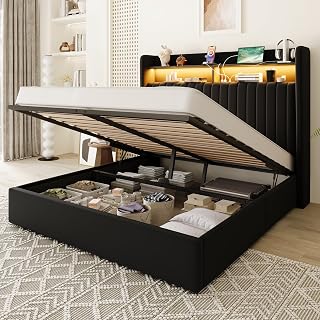


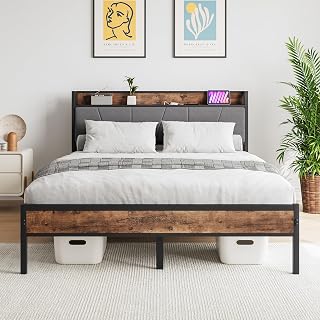


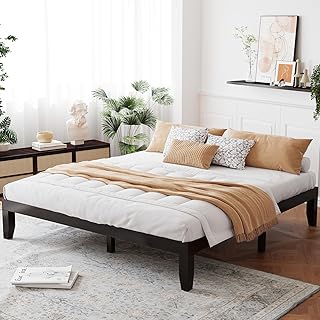
A luxury bed frame is more than a visual centrepiece. The right choice needs to balance structural support, mattress compatibility, materials, dimensions, comfort, bedroom proportions, assembly requirements and long-term durability. For Canadian shoppers, it is also worth considering room temperature and humidity, condo or apartment access, delivery logistics, floor protection and the practical realities of moving a large upholstered or solid-wood frame.
Before comparing individual products, establish what you actually need from the bed. A minimalist platform frame, upholstered panel bed, storage bed, adjustable-compatible base and traditional slatted frame can all occupy the luxury category while serving very different purposes.
The terms are often used interchangeably, but they can describe different components. A bed frame generally refers to the visible structure surrounding and supporting the mattress. A bed base may refer specifically to the mattress-supporting platform, foundation or foundation-style unit beneath it.
A premium appearance does not automatically indicate premium construction. Examine the frame's load-bearing components, joints, centre support, slat system and connection hardware. A visually impressive headboard cannot compensate for a poorly supported mattress platform.
For larger mattresses, particularly queen and king sizes, centre reinforcement is especially important. A frame should distribute weight across the supporting structure rather than concentrating it at a few connection points. Look for a clearly described support system and check the manufacturer's stated weight capacity where one is provided.
Upholstered luxury beds can create a softer, more substantial appearance than exposed wood or metal designs. Common upholstery materials include polyester blends, linen-look textiles, velvet, genuine leather and faux leather.
Consider more than colour. A tightly woven fabric may be easier to maintain than a highly textured textile, while velvet can create a distinctive appearance but may require more careful cleaning. If the bed will be used for reading, the headboard's padding depth and construction become practical considerations rather than purely decorative details.
Wooden luxury frames vary considerably in construction. Solid hardwood components can provide a substantial feel, while engineered wood and wood-veneer construction can be appropriate when correctly designed and finished. The important distinction is not simply whether a product is described as “wood,” but which components are solid, which are engineered, how the joints are constructed and what surfaces are exposed.
When comparing wooden beds, check whether the product specification identifies the wood species, finish, support materials and frame construction. A detailed specification is more useful than a vague premium-material claim.
Metal frames can deliver a more architectural or contemporary appearance and may be easier to coordinate with minimalist bedrooms. Steel components can provide substantial structural support, but construction quality still depends on the thickness, geometry, connection points and overall design.
Mixed-material beds combine materials such as wood and metal or upholstered panels and wood. These designs can provide a useful balance between visual warmth and contemporary styling.
Do not choose a luxury bed solely by appearance. Confirm that its support system is compatible with your mattress before purchasing.
Slat spacing deserves particular attention. Some mattresses require closer support than others. If a mattress manufacturer specifies a particular support configuration, compare that requirement with the bed's published specifications instead of assuming that every platform frame is suitable.
The finished height of a luxury bed is determined by more than the frame itself. Mattress thickness, foundation height, legs, platform height and headboard proportions all contribute to the final result.
A lower platform can produce a contemporary, spacious appearance, while a taller frame can make getting in and out of bed more convenient for some sleepers. A very tall upholstered headboard may create an impressive focal point but can overwhelm a small bedroom.
Before ordering, measure from the floor to the top of the mattress you intend to use. Then consider bedside-table height, window positions, electrical outlets and the amount of visible wall above the headboard.
Canadian shoppers should verify dimensions rather than relying only on labels such as “queen” or “king.” Product listings can use different terminology, and imported furniture may follow different sizing conventions.
Measure the mattress and compare those measurements with the frame's internal dimensions. Also account for headboard thickness, side rails, footboards and any storage drawers that need clearance.
These are among the most recognisable luxury bedroom designs. A large upholstered headboard can add softness and visual weight while providing a comfortable surface for sitting up in bed. Neutral beige, cream, grey, taupe and darker tones can work with a wide range of interiors, although fabric colour should be considered alongside cleaning requirements and surrounding furnishings.
Platform beds suit contemporary interiors where clean lines and a lower visual profile are priorities. Their integrated support can also simplify the overall bed setup, provided the platform is compatible with the mattress.
Storage beds can be particularly useful in apartments and bedrooms with limited closet capacity. Drawer-based designs need sufficient clearance around the bed, while lift-up storage requires adequate overhead and side access for practical use.
These create a strong architectural statement and can work exceptionally well in larger bedrooms. Measure ceiling height carefully before purchasing. Tall posts can make a room feel more enclosed, while an oversized canopy can compete visually with lighting fixtures or ceiling details.
Traditional wooden designs can suit bedrooms built around natural materials and timeless furniture. Their long-term appeal often depends on the finish, proportions and quality of the joinery rather than decorative complexity.
Metal frames are useful when the desired look is clean, industrial, modern or transitional. Compare the frame's support structure and connection points carefully, particularly if minimising movement or noise is important.
One of the most common furniture-buying mistakes is measuring only the mattress. The complete bed can be significantly wider, longer and taller.
For condos, apartments and older Canadian homes, access measurements can be just as important as the dimensions after assembly. A bed that fits comfortably in the bedroom may still be difficult to bring through a narrow entrance or staircase.
When product descriptions are incomplete, focus on the information that reveals how the bed is engineered.
A luxury bed should feel stable during ordinary use. Excessive movement can originate from loose fasteners, flexible slats, inadequate centre support, uneven flooring or joints that allow components to shift.
During comparison, look for customer feedback that specifically discusses stability, squeaking, wobbling and assembly. Reviews are most useful when they describe the product's behaviour over time rather than simply saying that it “looks great.”
After assembly, recheck all accessible fasteners according to the manufacturer's instructions. Do not compensate for an unstable frame by improvising structural modifications that could interfere with the intended support system.
Fabric beds benefit from routine care. Dust and household debris can accumulate around seams, beneath the bed and along the headboard.
Leather and faux-leather surfaces have different care requirements from textile upholstery. Always follow the product-specific cleaning instructions rather than assuming that a general upholstery cleaner is suitable.
Wood furniture benefits from avoiding unnecessary moisture and harsh cleaning products. Dust with a suitable soft cloth and follow the manufacturer's instructions for the particular finish.
Pay particular attention to areas exposed to repeated contact, including edges, rails and the headboard. If the frame develops looseness, investigate the relevant fasteners and joints rather than continuing to use a visibly unstable structure.
A storage bed can be an excellent option when floor area and closet capacity are limited. However, the storage mechanism should be evaluated as carefully as the bed itself.
Apartment shoppers should prioritise dimensions, assembly, access and noise considerations. A large bed may need to pass through elevators, corridors, doorways and tight turns before reaching the bedroom.
Modular construction can make some beds easier to transport and assemble, although more components also mean more connection points. Check the packed dimensions, assembly method and building access restrictions before ordering.
For shared-wall properties, a stable design with properly tightened connections may help minimise unnecessary movement noise. Floor-protection pads can also be useful where appropriate for the flooring material.
Colour should be selected alongside the room's flooring, wall colour, curtains, bedding and existing furniture. A neutral bed can provide greater flexibility when décor changes, while a darker or more distinctive finish can create a stronger focal point.
Fabric samples or manufacturer-provided colour references are preferable to assuming that an online photograph represents the exact shade. Screen settings, photography and lighting can change how upholstery and finishes appear.
Star ratings can provide a useful first impression, but detailed reviews often contain more actionable information. For a luxury bed, prioritise feedback that discusses structural performance, assembly, dimensions, material quality and long-term use.
Verified customer reviews can be particularly useful when they include photographs, measurements or specific descriptions of how the frame performs in an actual bedroom.
Before adding a luxury bed frame to a shortlist, record the following information in a simple comparison table or spreadsheet:
Depending on design preferences, construction style and availability, Canadian shoppers may encounter brands such as Zinus, Novogratz, Yaheetech, Walker Edison, DHP, Allewie and upholstered or furniture-focused collections from larger home-furnishing manufacturers. Brand recognition alone should not determine the purchase. Compare the specifications of the individual model, because construction, materials and features can vary substantially between product lines.
For higher-end furniture, also distinguish between a brand that specialises in furniture construction and a marketplace label that offers products across many categories. The manufacturer's published specifications, assembly documentation, care instructions and warranty terms can provide more useful information than branding alone.
Lower-cost frames can achieve a premium visual style through tufted upholstery, decorative headboards, wood-look finishes or clean contemporary proportions. At this level, pay especially close attention to frame construction, support, hardware and long-term customer feedback.
Mid-range models may offer stronger materials, more substantial headboards, improved finishing and additional features such as storage or enhanced support systems. The best value is often found by identifying which construction upgrades are genuinely useful rather than paying solely for decorative detailing.
Higher-priced furniture may emphasise material selection, joinery, upholstery, finish quality, design details and customisation. A higher price should still be evaluated against measurable characteristics such as construction, materials, dimensions and included features.
Start by eliminating products that fail essential requirements. If a frame does not fit the mattress, bedroom or access route, its appearance and price become irrelevant. Next, compare structural specifications, materials, support design and practical features.
After narrowing the field, use customer feedback to investigate issues that specifications cannot fully reveal, such as assembly difficulty, movement, noise, finish consistency and real-world storage usability. Finally, compare the complete cost and feature set rather than focusing on the advertised price alone.
There is no single best model for every Canadian bedroom. The right choice depends on mattress size, room dimensions, preferred materials, desired height, support requirements, storage needs, design preferences and budget. A strong shortlist should satisfy the practical requirements first and then be compared for construction quality and appearance.
They can be worthwhile when the additional cost corresponds to better materials, stronger construction, more refined finishing, useful features or a design that better suits the room. A higher price by itself is not evidence of superior quality, so compare specifications and construction details.
Not necessarily. Many platform beds are designed for direct mattress placement, while other frames are designed to work with a foundation or box spring. Always check the specific model's support requirements and the mattress manufacturer's requirements before combining components.
Durability depends on the complete construction rather than material name alone. Well-engineered wood, metal and mixed-material frames can all be durable when their joints, support structure and finishes are appropriate for the intended load and use.
They require different care from exposed wood or metal. Routine dust removal and prompt treatment of spills can help maintain appearance, but the correct cleaning method depends on the upholstery material. Follow the manufacturer's care instructions.
Choose according to the available bedroom space, sleeping requirements and desired furniture layout. A king offers more sleeping width but occupies more floor area. Measure the entire room and account for bedside tables and walking clearance before deciding.
It is an important specification when provided. Consider the combined weight of the sleepers, mattress, foundation and any other intended load. A frame should be used within the manufacturer's stated limitations.
Some can, while others cannot. Adjustable mechanisms require sufficient clearance and compatible dimensions. Do not assume compatibility simply because both products use the same mattress size; verify compatibility for the specific frame and base.
Focus on detailed comments about stability, squeaking, assembly, materials, finish quality, mattress support, dimensions and long-term use. Repeated patterns across multiple reviews are generally more informative than isolated comments.
Inspect the accessible fasteners, support components and joints periodically and whenever the frame develops unusual movement or noise. Follow the manufacturer's maintenance and assembly guidance rather than applying improvised structural modifications.
The strongest luxury bed-frame purchase is not necessarily the most ornate or expensive option. It is the one that fits the mattress correctly, works within the bedroom's dimensions, provides appropriate support, matches the intended style and can be maintained realistically over time.
For Canadian shoppers, compare the complete specification before purchasing: mattress compatibility, dimensions, support system, materials, weight capacity, assembly, access requirements, storage clearance and care instructions all matter. Then use current customer feedback and retailer information to confirm that the model still meets your requirements at the time you buy.
Because furniture specifications, availability and retailer listings can change during 2026, verify the latest model information and today's terms before placing an order. A careful comparison of construction and compatibility is more valuable than choosing solely from photographs, promotional language or a headline rating.