

♥ Wishlist
Compare 61 verified Doormats for Stylish and Practical Canadian Entryways products in Canada. Reviews, ratings, pros, cons and buying advice updated for October 2026.


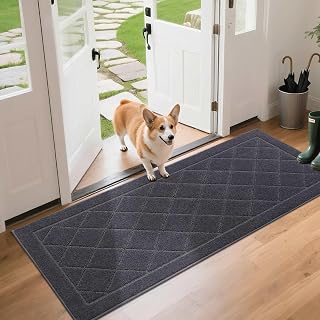

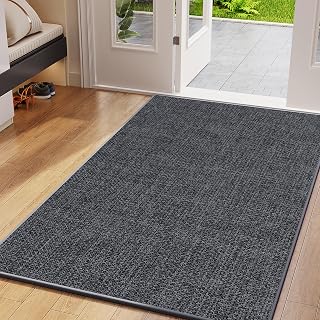




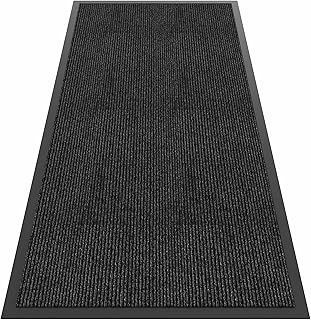





A luxury doormat should do more than make an entrance look polished. For Canadian homes, the best choice also needs to cope with moisture, grit, snow, salt, mud, temperature changes and frequent foot traffic. That makes material, construction, drainage, backing, size and cleaning requirements just as important as appearance.
This buying guide focuses on the features that matter when comparing luxury doormats for Canadian entryways in 2026. Rather than judging a mat solely by its decorative appearance, compare how well its construction matches the location where it will be used. A covered front porch has very different requirements from an exposed exterior doorway, condominium entrance or busy mudroom.
The most useful way to compare luxury doormats is by intended use rather than assuming one design is ideal for every Canadian home. The following ten categories cover the major buying decisions shoppers should evaluate.
Canada's climate makes doormat selection more demanding than choosing an entrance accessory based purely on colour or pattern. A mat that performs well during a dry summer may behave very differently after repeated exposure to wet snow, road salt and freezing temperatures.
Winter entryways need a surface capable of handling water and debris without becoming an obstacle. Consider whether the mat is intended for exterior exposure, whether moisture can drain away from the walking surface, and whether the backing remains stable when the surrounding area becomes wet.
For homes that receive substantial snowfall, a highly decorative mat may work best as the visible outer layer while a larger, highly absorbent mat is placed inside the door. This two-stage approach separates heavy scraping from moisture absorption.
Canadian winter footwear can bring salt, sand and small stones into an entryway. These particles can become trapped in fibres and eventually migrate onto hardwood, tile, vinyl or other flooring.
Look for constructions that can be shaken, vacuumed, swept, rinsed or otherwise cleaned according to the manufacturer's instructions. A beautiful mat that is difficult to clean may require more maintenance than its appearance suggests.
Spring can be especially challenging because melting snow combines with mud and grit. Absorbency becomes important, but so does the ability to release accumulated dirt during cleaning.
For a sheltered entrance, a fabric or microfiber mat can be useful for the final moisture-removal stage. For an exposed doorway, prioritize weather-appropriate materials and a backing designed for the intended environment.
Doormats remain useful after winter. Dust, soil, grass clippings and outdoor debris are continually transferred by footwear. A textured scraping surface can reduce the amount of material that reaches the interior floor.
Coir is made from coconut husk fibres and is widely associated with traditional entry mats. Its coarse texture can help scrape dirt from shoe soles, while its natural appearance works particularly well with wood, stone, brick and classic exterior architecture.
The trade-off is texture. Coir is generally chosen for scraping rather than plush softness. It may also be less appropriate for locations where constant saturation or prolonged exposure to severe weather is expected, depending on the individual product's construction.
Rubber is a popular choice for heavy-use entryways because it can provide a durable, grippy surface and is generally straightforward to clean. Some rubber mats use raised patterns or openings that help collect debris.
When comparing rubber models, inspect the underside as carefully as the top. A well-designed backing and sufficient weight can be important for keeping the mat stable underfoot.
Microfiber is commonly selected for moisture absorption and a softer feel. It can be particularly useful inside the entrance, where the goal is to remove residual water after shoes have already passed across an exterior scraping mat.
Microfiber is not automatically the best choice for an exposed front porch. Check the manufacturer's intended-use guidance before placing a fabric-based product outdoors.
Synthetic fibres can provide a broad range of colours, patterns and textures. Depending on construction, they may offer useful resistance to staining, fading or moisture while remaining easier to manufacture in decorative designs.
Do not judge synthetic quality from the fibre name alone. Pile density, backing, edge construction, surface texture and cleaning instructions can make a substantial difference between otherwise similar-looking mats.
Natural-fibre blends can create a more refined appearance while balancing texture and practicality. They can work particularly well in covered entrances and interiors where the mat is protected from prolonged exposure to precipitation.
The backing helps determine how securely a mat sits on the floor. Rubber or non-slip backing can be valuable, particularly around frequently used entrances, but compatibility with the underlying flooring matters.
Always check whether the manufacturer recommends a particular floor type. Some backing materials can interact differently with finished wood, delicate surfaces or floors exposed to prolonged moisture.
Edges experience repeated contact with footwear, vacuum cleaners and moving doors. Reinforced or well-finished edges can help a mat maintain its shape and appearance over time.
A thicker pile can feel more substantial, but thicker is not automatically better. Door clearance is one of the first things to measure. A luxurious-looking mat is impractical if the door catches on it every time it opens.
Texture influences the type of debris the mat can capture. Coarse scraping surfaces are generally suited to removing particles from footwear, while softer surfaces are more comfortable for indoor use and may be better at absorbing residual moisture.
Outdoor mats may incorporate channels, holes, grooves or raised surfaces that help separate dirt and water from the primary walking surface. Drainage can be particularly useful in areas exposed to rain or melting snow.
Size is one of the easiest factors to overlook when shopping online. Before ordering, measure the available doorway width, the depth of the landing area and the clearance beneath the door.
Measure the clear width of the doorway first. Then measure from the threshold toward the room or porch to determine the maximum practical mat depth. Open and close the door several times while checking the lowest point of the door against the proposed mat thickness.
For a premium appearance, avoid choosing a mat that is disproportionately narrow compared with a broad doorway. Conversely, an oversized mat can look cramped when the landing area is small.
Many households benefit from using both. The exterior mat performs the aggressive dirt-removal task, while the interior mat captures remaining moisture before it reaches the main flooring.
Look for restrained patterns, neutral colours, clean borders and simple geometric designs. Black, charcoal, grey, beige and natural tones can complement contemporary façades without competing with the architecture.
Coir textures, bordered rectangles, botanical motifs and understated lettering can suit traditional homes. The key is proportion: an elaborate design should still look intentional against the surrounding door, porch and exterior materials.
Natural textures, muted tones and simple typography often work well with wood siding, brick and stone. A coir mat can provide the texture needed to reinforce this aesthetic.
For a high-end appearance, focus on material quality, clean construction and visual restraint. A sophisticated entrance does not necessarily require an ornate mat. Consistent proportions and a carefully selected colour can create a more expensive-looking result.
Very light mats can create an airy appearance but may show mud and winter residue quickly. Very dark mats can disguise some dirt while making salt deposits and light-coloured debris more visible.
Patterned surfaces can be forgiving for everyday dirt because visual variation makes individual particles less noticeable. However, a pattern should not be so busy that it overwhelms the entryway.
For high-traffic Canadian entrances, medium-dark neutrals and subtle multi-tone patterns can provide a practical balance between appearance and maintenance.
A luxury appearance should never take priority over safe footing. A mat that curls at the corners, slides across smooth flooring or interferes with a door can become inconvenient and potentially hazardous.
When comparing products, look for a flat construction, secure edges and an underside appropriate for the floor beneath it. On smooth indoor flooring, confirm that the backing is compatible with the surface and follow the manufacturer's installation and care instructions.
Outdoor placement also deserves attention. Snow, ice and water can create slippery conditions around the mat itself, so a doormat should not be treated as a substitute for keeping the entire entrance area clear and safe.
Brand recognition can be useful when creating a shortlist, but a familiar name should not replace specification-level comparison. Depending on the design and intended use, shoppers may encounter brands such as Gorilla Grip, Mohawk Home, Calloway Mills, DII and Ruggable when researching entry mats.
Availability, dimensions, materials, colour selections and construction can vary between individual products and sellers. Compare the exact model rather than assuming every doormat from the same brand has identical performance characteristics.
When evaluating several products, use the same criteria for each model. This prevents an attractive photograph or prominent marketing claim from dominating the decision.
A visually impressive mat can still perform poorly if it is placed in an environment for which it was not designed. Decide first whether the priority is scraping, absorption, decoration, drainage or a combination of these functions.
Thickness is often overlooked in online shopping. Always check the product dimensions and compare the stated thickness with the gap beneath your door.
A tiny mat may technically fit but leave most of the entrance uncovered. The goal is to create a useful landing area rather than simply placing a decorative rectangle immediately outside the door.
Indoor-friendly materials are not automatically appropriate for exposed porches. Check the intended placement and care instructions before exposing a mat to precipitation and prolonged temperature changes.
The visible top receives most of the attention in product photographs, but the underside affects stability and floor compatibility. Include it in every comparison.
Scraping and moisture absorption are different jobs. A layered system can sometimes provide better practical performance than trying to find one mat that excels equally at both.
Remove loose debris regularly rather than allowing it to accumulate. Depending on the construction, this may involve shaking, sweeping, vacuuming or another method recommended by the manufacturer.
During periods of heavy snow and salt use, more frequent cleaning may be necessary. Avoid assuming that a mat can simply be soaked or pressure-washed unless its care instructions specifically allow that method.
If a mat becomes saturated, proper drying is important. Follow the manufacturer's instructions and avoid storing or reinstalling a damp mat where moisture could remain trapped underneath.
Periodically check whether the underside has begun to deteriorate, curl or lose its grip. A worn backing can affect stability even when the top surface still looks attractive.
There is no universal replacement schedule. Service life depends on foot traffic, exposure, material, cleaning frequency, seasonal conditions and construction quality.
Instead of replacing a mat simply because it has reached a particular age, inspect its condition. Persistent curling, severe fibre loss, damaged edges, deteriorated backing, staining that cannot be removed through appropriate cleaning, or reduced stability are practical reasons to consider replacement.
Not necessarily. A higher price can reflect materials, construction, design, size or brand positioning, but price alone does not establish performance.
For commercial-style comparison, consider the total value of the mat: how well it suits the environment, how easy it is to maintain, how effectively it handles the type of dirt and moisture encountered, and whether its dimensions work with the doorway.
A moderately priced mat that fits the entrance correctly and is easy to maintain can be a better purchase than a more expensive decorative model that is too thick, too small or unsuitable for outdoor exposure.
Customer reviews can provide useful information when interpreted carefully. Look for repeated comments about the same practical characteristic rather than relying on isolated praise or criticism.
Reviews should supplement, not replace, the manufacturer's specifications. A reviewer may be using the product in a climate, doorway or flooring situation that differs substantially from yours.
Online product pages can contain a mixture of measurable specifications and subjective marketing language. Give greater weight to details that can be compared objectively.
Useful specifications include dimensions, thickness, material composition, backing material, intended placement, cleaning method and construction type. Statements such as “premium,” “luxurious,” “heavy duty” or “high quality” are less informative unless supported by concrete product details.
Condominium and apartment entrances often require a different approach from detached homes. Hallways may be shared spaces, floor areas may be limited, and building rules can influence what can be placed outside a unit.
A low-profile interior mat can be practical where exterior placement is restricted. Before purchasing an oversized or highly textured design, check the building's applicable rules and consider whether the mat could obstruct the doorway or shared walkway.
Busy households typically generate more frequent dirt and moisture transfer. A mat should therefore be selected for maintenance practicality rather than appearance alone.
Consider a surface that can handle frequent cleaning and a backing that remains stable under repeated foot traffic. Patterned or darker designs may visually disguise everyday marks, although no colour eliminates the need for cleaning.
For households with pets, also consider whether the surface can trap hair and whether the selected cleaning method can remove it effectively.
High-traffic locations benefit from durable construction and straightforward maintenance. If many people enter through the same doorway, prioritize stability, edge durability and a surface appropriate for repeated contact with footwear.
In commercial-looking or heavily used residential entrances, a layered arrangement can be especially practical: an exterior scraper removes larger particles, followed by an interior absorbent mat that handles moisture.
A luxury entryway works best as a system rather than as a single decorative product. Start by considering the direction of weather exposure, the amount of foot traffic and the flooring immediately inside the door.
Before placing an order, run through this checklist:
There is no single best model for every Canadian home. The right choice depends on whether the mat will be indoors or outdoors, the amount of snow and rain it encounters, available door clearance, traffic levels, cleaning preferences and the desired appearance.
For exposed entrances, prioritize weather-appropriate materials and construction. For the interior side of the doorway, absorbent materials can help handle moisture carried inside by wet footwear. A two-mat system can be more practical than expecting one material to perform every task.
Coir can be an effective choice for scraping dirt from footwear and has a distinctive natural appearance. Suitability depends on where it is installed and how much moisture and weather exposure it receives.
Neither is universally better. Rubber can be attractive for demanding exterior applications, while fabric and microfiber constructions can be useful for indoor moisture absorption. Compare the exact product's intended use and care requirements.
It can be either. The important consideration is whether the product is designed for the selected environment. Many households use an outdoor scraping mat plus an indoor absorbent mat for better overall entryway performance.
Measure the doorway and available floor area first. The mat should provide useful coverage without interfering with the door, creating a trip hazard or overwhelming the entrance visually.
There is no universal ideal thickness. The correct thickness is one that provides the desired performance while leaving enough clearance for the door to open and close freely.
They can be useful for households that prefer regular washing, but washability should be confirmed from the product's care instructions. Outdoor exposure and heavy winter contamination may require a different cleaning approach.
Look for repeated comments concerning actual dimensions, flatness, backing stability, shedding, colour, cleaning, moisture handling and durability. Give more weight to recurring patterns than to isolated opinions.
Dark colours can conceal some types of soil, but they may make salt, lint and light-coloured debris more noticeable. A subtle multi-tone pattern can sometimes provide a practical visual balance.
Potentially, depending on the backing, moisture conditions and flooring material. Check compatibility information and keep the area underneath clean and dry. Do not assume that every non-slip backing is suitable for every floor.
Use only the cleaning method recommended for its construction. Depending on the product, this may involve vacuuming, shaking, sweeping, spot cleaning, rinsing or machine washing. Incorrect cleaning can damage fibres or backing.
Cleaning frequency should reflect traffic and weather. A busy entrance during winter may need substantially more frequent attention than a lightly used covered doorway in dry weather.
Yes, if the product is suitable for the conditions it encounters. However, seasonal rotation or a layered system can make maintenance easier in regions where winter snow and salt create substantially different demands.
The best luxury doormat is not necessarily the most expensive, thickest or most decorative option. It is the one whose construction matches the entrance where it will actually be used.
For Canadian shoppers, begin with climate and placement. Then compare dimensions, door clearance, material, backing, texture, moisture handling, cleaning requirements and expected traffic. Only after those practical factors are satisfied should colour, pattern and decorative styling become the deciding factors.
When comparing products from brands such as Gorilla Grip, Mohawk Home, Calloway Mills, DII and Ruggable, evaluate the exact model and its current specifications rather than relying on the brand name alone. Product configurations, sizes, materials and retailer availability can change, so check the latest information and customer feedback before making a purchase.
A well-chosen luxury doormat can improve the appearance of an entrance while performing an important practical role: reducing dirt and moisture before they reach the interior of the home. For many Canadian households, the strongest overall approach is to combine a durable exterior scraper with a suitable indoor absorbent mat and maintain both according to their individual care requirements.