

♥ Wishlist
Compare 31 verified Standing Coat Racks products in Canada. Reviews, ratings, pros, cons and buying advice updated for October 2026.


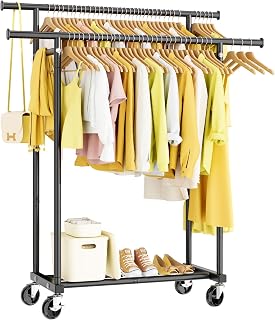


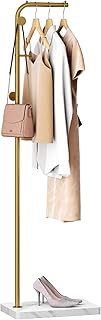


A luxury standing coat rack is more than a place to hang jackets. In an entryway, hallway, bedroom, dressing area or office, it can become part of the room's visual composition while providing practical storage for coats, hats, scarves, handbags and other everyday accessories. The best choice therefore depends on a combination of stability, capacity, materials, proportions, finish, placement and overall design rather than appearance alone.
For Canadian shoppers, the decision can be particularly important because winter outerwear is substantially heavier and bulkier than the clothing used during warmer months. A coat rack that looks elegant but has a narrow base or limited load capacity may be less suitable for a household that regularly hangs insulated parkas, wool coats, snow jackets, scarves and winter accessories.
This guide is designed to help shoppers compare luxury standing coat racks available to Canadian consumers and understand the specifications that matter before purchasing. Product availability, pricing, ratings and retailer policies can change, so always verify the current product page and specifications before placing an order.
Luxury furniture design is not necessarily defined by a high price. A premium-looking coat rack usually combines thoughtful proportions, quality-looking materials, a cohesive finish and a design that feels intentional within its surroundings.
Common visual characteristics include a substantial base, refined metalwork, carefully finished wood, balanced hooks, concealed or integrated joints and a silhouette that avoids looking overly utilitarian. Some designs use restrained contemporary lines, while others borrow from traditional furniture with turned wood elements, decorative hooks or more elaborate detailing.
For a sophisticated interior, the coat rack should complement nearby furniture instead of competing with it. A polished metal model may work particularly well with contemporary interiors, whereas natural or dark wood can suit traditional, transitional or classic spaces.
One common buying mistake is assuming that a more decorative coat rack is automatically more luxurious. In practice, excessive ornamentation can make a piece look dated or visually heavy. Minimalist designs can appear equally premium when their proportions, finishes and construction details are well considered.
Think about the overall room first. If the entryway already contains patterned flooring, statement lighting, artwork and decorative furniture, a simpler coat rack may create a more balanced result. Conversely, a restrained hallway can sometimes benefit from a sculptural or traditionally styled standing rack.
Stability should be one of the first specifications to examine. A standing coat rack can become top-heavy when several garments are placed on its upper hooks, particularly when heavy winter coats are involved.
Look for a sufficiently broad or weighted base and a structure that distributes the load effectively. A heavier base can reduce unwanted movement, but weight alone does not guarantee stability. The height of the rack, position of the hooks and overall geometry also influence how easily it can tip.
For households with children or pets, stability deserves additional attention. A design that feels adequate for a few lightweight garments may behave differently when fully loaded.
Standing coat racks are available in a wide range of heights. Before purchasing, measure the intended location rather than relying only on photographs.
A taller rack can provide convenient hanging space for adults, but it may look disproportionately large in a small apartment entrance. A shorter design can be easier to access and may work better in bedrooms or compact hallways.
Also check the ceiling height and nearby furniture. Leave sufficient visual clearance around the rack so that the space does not feel cramped.
The number of hooks tells only part of the story. Their arrangement determines how efficiently the available space can actually be used.
Multiple hooks positioned at different heights can make it easier to separate long coats from shorter jackets, hats and accessories. However, closely spaced hooks may become difficult to use when thick winter garments are hanging side by side.
When comparing products, consider both hook quantity and usable spacing. A rack with fewer, generously separated hooks can sometimes be more practical than a crowded design with a higher nominal capacity.
Material selection affects appearance, durability, weight and maintenance. Common materials include solid or engineered wood, steel, stainless steel, aluminium and combinations of wood and metal.
Wood can provide warmth and traditional furniture appeal. Metal can create a contemporary appearance and may allow designers to produce slimmer silhouettes. Mixed-material designs can bridge the two styles.
Do not evaluate materials by appearance alone. Check the manufacturer's stated construction details, dimensions, finish information and care instructions whenever they are available.
The finish is especially important when a coat rack will be placed in a prominent entryway. Matte black, brushed metal, polished metal, natural wood, walnut-inspired finishes, white finishes and darker stained woods can create very different visual effects.
Consider whether the finish coordinates with existing door hardware, cabinet handles, lighting fixtures and other metal or wood elements in the room. Matching every finish is not mandatory, but intentional coordination generally produces a more cohesive result.
Many standing coat racks require some assembly. Before ordering, check whether the product arrives fully assembled or requires the base, pole, hooks or other components to be fitted together.
Pay attention to the tools required, the number of components and whether the assembly instructions are clearly documented. For heavier or taller furniture, proper assembly is important because loose joints can affect stability over time.
Wood remains one of the most versatile choices for a luxury-style coat rack. Its natural texture can make an entryway feel warmer and more residential than an entirely metallic design.
When evaluating wooden products, distinguish between solid wood, engineered wood and products that use wood-look finishes. These categories can have different visual characteristics and construction properties. A product listing should be checked carefully rather than assuming that a photograph indicates solid wood construction.
Metal coat racks can offer a clean contemporary appearance and are often available in black, chrome, brushed or other decorative finishes. Steel construction can also provide a substantial feel, although the overall stability still depends on the design of the base and frame.
Metal is particularly suitable for modern apartments, minimalist interiors, professional offices and spaces where a slim visual profile is preferred.
Mixed-material coat racks can provide a useful middle ground. Wood adds visual warmth while metal contributes a contemporary structural element. This combination can work well in transitional interiors where neither an entirely traditional nor entirely industrial look feels appropriate.
Canadian shoppers should evaluate coat racks differently from someone buying a rack primarily for lightweight jackets. Winter garments can occupy considerably more physical space and place greater demands on hooks and the central structure.
If several people will use the rack, consider the number of winter coats likely to be hung simultaneously. Also account for scarves, hats, gloves and bags. A rack that appears spacious in a product photograph can become crowded once bulky outerwear is added.
For a family entryway, a larger and more stable model may be preferable. For a condo or apartment used by one or two people, a more compact rack can preserve valuable floor space while still providing sufficient storage.
Measure the available floor area carefully. A standing coat rack requires usable floor space, and its footprint can be more important than its overall visual size.
In a narrow hallway, look for a design with a compact footprint while still maintaining adequate stability. Avoid positioning a tall rack where it could obstruct doors, stairs, walking paths or access to electrical panels and other essential areas.
A larger entryway provides more flexibility. A substantial luxury coat rack can serve as an intentional furniture feature rather than simply a storage accessory.
Even in a large room, however, avoid assuming that more hooks are always better. A rack that is consistently overloaded may look untidy and can become less convenient to use.
A standing coat rack offers flexibility because it generally does not require permanent wall installation. It can be repositioned when furniture layouts change and can also be moved between rooms.
A wall-mounted rack, by contrast, can preserve floor space and may be preferable in a very narrow hallway. It does require suitable wall mounting and consideration of the wall structure and installation method.
For renters or shoppers who frequently rearrange their interiors, the mobility of a freestanding rack can be a significant advantage. For very small spaces, a wall-mounted solution may provide better space efficiency.
A standing coat rack is not a complete substitute for an entryway cabinet, hall tree or storage bench. Each option solves a slightly different problem.
A coat rack provides quick-access hanging storage with a relatively small footprint. A storage bench can provide seating and shoe storage, while an entryway cabinet can conceal accessories and create a cleaner visual appearance.
For a minimalist home, a single sculptural coat rack may be enough. For a busy family entrance, combining open hanging space with concealed storage can be more practical.
When comparing a shortlist, avoid ranking products solely by star ratings or photographs. A useful comparison should consider how each model matches the intended room and workload.
Customer ratings can be useful, but they should be treated as one part of the buying decision. A high rating does not necessarily mean a particular rack is the best choice for every Canadian household.
Read reviews for recurring observations about assembly, stability, dimensions, finish, hook spacing and long-term usability. Pay particular attention to reviews that explain how the product performs under the type of load you intend to place on it.
Recent reviews can also provide useful information about the current version of a product, but shoppers should still compare the actual specifications because manufacturers can modify designs, packaging or configurations over time.
A beautiful photograph does not reveal how stable a rack is, how much floor space it occupies or how it behaves when loaded with several winter coats. Always check the dimensions and construction information.
Shoppers frequently focus on the height and number of hooks while overlooking the base. The base is one of the most important physical components of a freestanding rack, so measure the available floor area and compare it with the manufacturer's stated dimensions.
A rack suitable for shirts and lightweight jackets may be inconvenient for multiple parkas and wool coats. Think about the heaviest and bulkiest garments that will actually be used throughout the year.
More hooks can encourage overloading. If the rack is intended for a single person or a small household, a simpler design with well-spaced hooks may provide a better user experience.
A coat rack should not interfere with doors, drawers, stairs or walking paths. Before buying, visualize the full footprint rather than the rack's silhouette alone.
Photography, colour and styling can make many materials appear similar on screen. Read the specifications carefully to determine whether the construction uses solid wood, engineered wood, metal, composite materials or decorative finishes.
The entryway is the most obvious location and usually the most practical. Place the rack where coats can be removed and hung without blocking the main traffic route.
A standing rack can work as an accessible location for frequently worn jackets, robes, scarves or clothing selected for the following day. In a bedroom, a quieter wood finish or upholstered-looking surrounding furniture can help the rack feel integrated with the room.
In a dressing room, a freestanding rack can provide temporary hanging space for outfits, accessories and outerwear. Hook arrangement becomes especially important because the rack may be used for multiple categories of clothing.
A refined coat rack can provide practical hanging space for visitors while maintaining a professional appearance. Metal and minimalist designs can work particularly well in contemporary offices.
Look for simple silhouettes, restrained detailing and finishes such as matte black or understated metal. The strongest choice is often one that contributes to the room without becoming its dominant visual element.
Wooden construction, darker finishes and decorative hook details can complement traditional furniture. Coordinate the colour and visual weight with nearby tables, cabinets and flooring.
Transitional rooms benefit from designs that combine classic warmth with contemporary simplicity. Wood-and-metal construction can be particularly versatile in this setting.
Black or darker metal, visible structural elements and straightforward geometry can complement industrial interiors. Avoid choosing a decorative design simply because it is labelled luxurious if it conflicts with the room's existing character.
Light wood tones, simple forms and uncluttered arrangements can complement Scandinavian-inspired interiors. Functionality should remain central to the selection.
Maintenance requirements depend on the material and finish. Always follow the care instructions supplied by the manufacturer rather than applying a generic furniture cleaner.
Online furniture shopping makes it easy to compare dozens of designs, but photographs can make colours and textures difficult to judge accurately. Screen settings, lighting and photography can affect how a finish appears.
When comparing products on Amazon Canada or other Canadian retailers, use the written specifications as the primary reference for dimensions and materials. Product photographs are useful for judging style, but they should not replace the manufacturer's stated measurements.
If a listing provides several photographs, examine close-up views of the hooks, joints, base and finish. These areas often reveal more about the design than a staged room photograph.
Shoppers researching luxury-style furniture may encounter established names such as Umbra, Yamazaki Home, SONGMICS, Vasagle and Winsome. These brands represent different approaches to home organization and furniture design, so the right choice should still be based on the specifications of the individual model rather than brand recognition alone.
Well-known furniture and home-organization brands can provide useful starting points for comparison, but shoppers should also evaluate lesser-known products when the construction details, dimensions, customer feedback and retailer information are clear and credible.
The answer depends on the product's base dimensions and the amount of clearance required around it. Before ordering, measure the intended floor area in both directions and mark the approximate footprint with removable tape.
This simple exercise can reveal whether the rack will interfere with a door swing, narrow a walkway or sit too close to another piece of furniture. It is particularly useful for condominium entrances and compact Canadian apartments where every centimetre of floor space matters.
If the coat rack will remain visible throughout the day, appearance deserves significant consideration. If it will be heavily used by a family, capacity, stability and accessibility may be more important than elaborate styling.
A useful way to decide is to identify the primary purpose before comparing designs. For decorative use and occasional guests, a sculptural model may be appropriate. For daily winter storage, prioritize stability, hook spacing, usable capacity and durable construction.
Instead of attempting to identify one universally best coat rack, narrow the options according to your actual requirements. Start by eliminating products that do not fit the available space. Next, remove models that do not provide appropriate construction details or adequate capacity for your clothing.
From the remaining choices, compare design, material, finish, stability, assembly requirements and customer feedback. Finally, check the current Canadian price and retailer terms. This approach reduces the likelihood of choosing an attractive product that does not work well in the intended room.
The best type depends on the household. Homes that regularly store heavy winter coats should prioritize a stable base, suitable construction and well-spaced hooks. Smaller households or apartments may benefit from a compact design with a smaller footprint.
They can be worthwhile when design quality, construction and everyday usability justify the additional cost. A more expensive coat rack is not automatically better, so compare materials, stability, dimensions, capacity and finish before deciding.
For practical use, stability is one of the most important characteristics. A coat rack should remain secure when loaded with the garments it is designed to hold. Capacity, dimensions and construction should then be considered alongside stability.
There is no universal number. A single user may need only several well-spaced hooks, while a family may require substantially more hanging capacity. Consider both the number of garments and their thickness.
Neither material is universally superior. Wood can provide warmth and traditional furniture appeal, while metal can suit contemporary interiors and create a slimmer visual profile. Construction quality and design are more important than material category alone.
Some are designed for substantial outerwear, but capacity varies by model. Check the manufacturer's specifications and do not assume that a visually robust rack has a particular weight rating unless that information is stated.
Prioritize a compact footprint, appropriate height and good stability. Measure the available floor space and make sure the rack will not obstruct doors or narrow an important walkway.
Compare like-for-like specifications. Look at dimensions, materials, construction, hook spacing, base design, finish, assembly, stated capacity and current customer feedback. Brand reputation can provide context but should not replace product-level evaluation.
Yes. A refined standing rack can provide convenient coat storage for employees or visitors without requiring a large storage cabinet. Choose a style that matches the office environment and a capacity appropriate for expected use.
Only if you need the additional capacity. Closely packed hooks can become difficult to use when several thick coats are hung simultaneously. Hook spacing is often more useful than hook count alone.
Customer reviews can reveal practical issues that are not obvious from photographs, including assembly difficulty, stability and real-world usability. They should be considered alongside the manufacturer's specifications and current product information.
Product configurations, finishes, dimensions, availability and retailer information can change. Always verify the current listing and specifications before purchasing, particularly when comparing products several months after an editorial guide was published.
The best luxury standing coat rack is the one that fits the room, handles the intended workload and complements the surrounding furniture. For Canadian homes, winter clothing should be a central consideration rather than an afterthought.
Start with measurements and stability, then compare construction, hook arrangement, materials and finish. After narrowing the shortlist, examine current customer feedback and compare today's specifications and prices from trusted Canadian retailers. A visually impressive rack that is too small, unstable or difficult to use will ultimately provide less value than a simpler design that performs its intended job reliably.
For an independent buying decision, treat the “best” ranking as a starting point rather than a substitute for checking the current product details. Specifications, availability, pricing, customer ratings and retailer policies can change during 2026, so verify those details immediately before ordering.